


How Restaurants Use Hot Water Pressure Washers for Sanitation

Key Takeaways
- Choose a pressure washer for home use based on your cleaning needs, not maximum PSI alone.
- Electric pressure washers are ideal for routine residential tasks, lower noise, and easier maintenance.
- Gas pressure washers provide greater power and mobility for larger areas and tougher cleaning jobs.
- Consider PSI and GPM together to determine the machine’s actual cleaning performance.
- Select the right nozzles and attachments for different surfaces and cleaning tasks.
- Check hose length, portability, storage, and power source before buying.
- Use proper safety precautions to prevent injuries and avoid surface damage.
- Regular maintenance and proper storage can extend the pressure washer’s service life.
- A commercial-grade pressure washer may be worthwhile for frequent, large-scale, or heavy-duty cleaning.
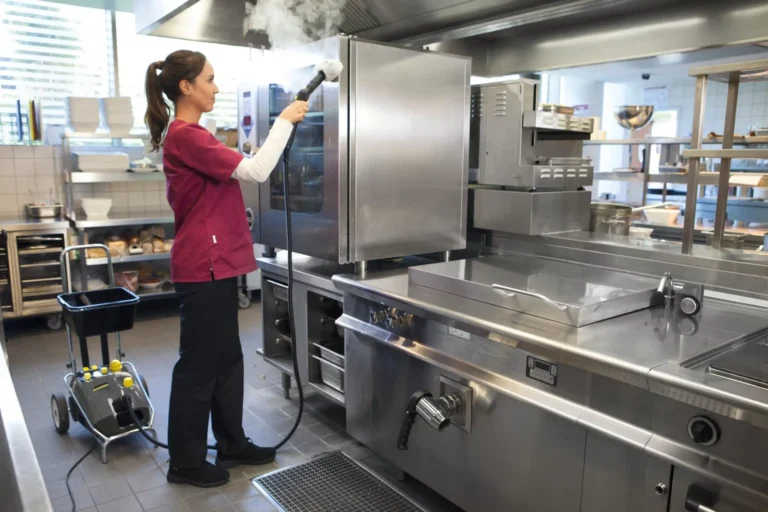
In a busy restaurant, proper cleanliness is essential, not just for aesthetics, but also for health and safety. A hot water pressure washer system in a restaurant kitchen is a game-changer for eliminating tough grease, food residues, and microbes. Whether you need a hot water pressure washer for kitchens, floors, sidewalks, or dumpster areas, it helps your facility achieve food-grade quality with high capacity.
For restaurants, choosing the right commercial cleaning equipment is also about matching the machine to the cleaning environment. Kitchens, loading areas, sidewalks, dumpster pads, and food preparation spaces can have very different cleaning requirements. Hot water pressure washers are particularly useful where grease, oil, and stubborn food residues require stronger cleaning action.
Now, let us examine how restaurants use these machines to maintain high sanitation standards and stay in compliance with regulations.
Why Use a Hot Water Pressure Washer in Restaurant Kitchens?
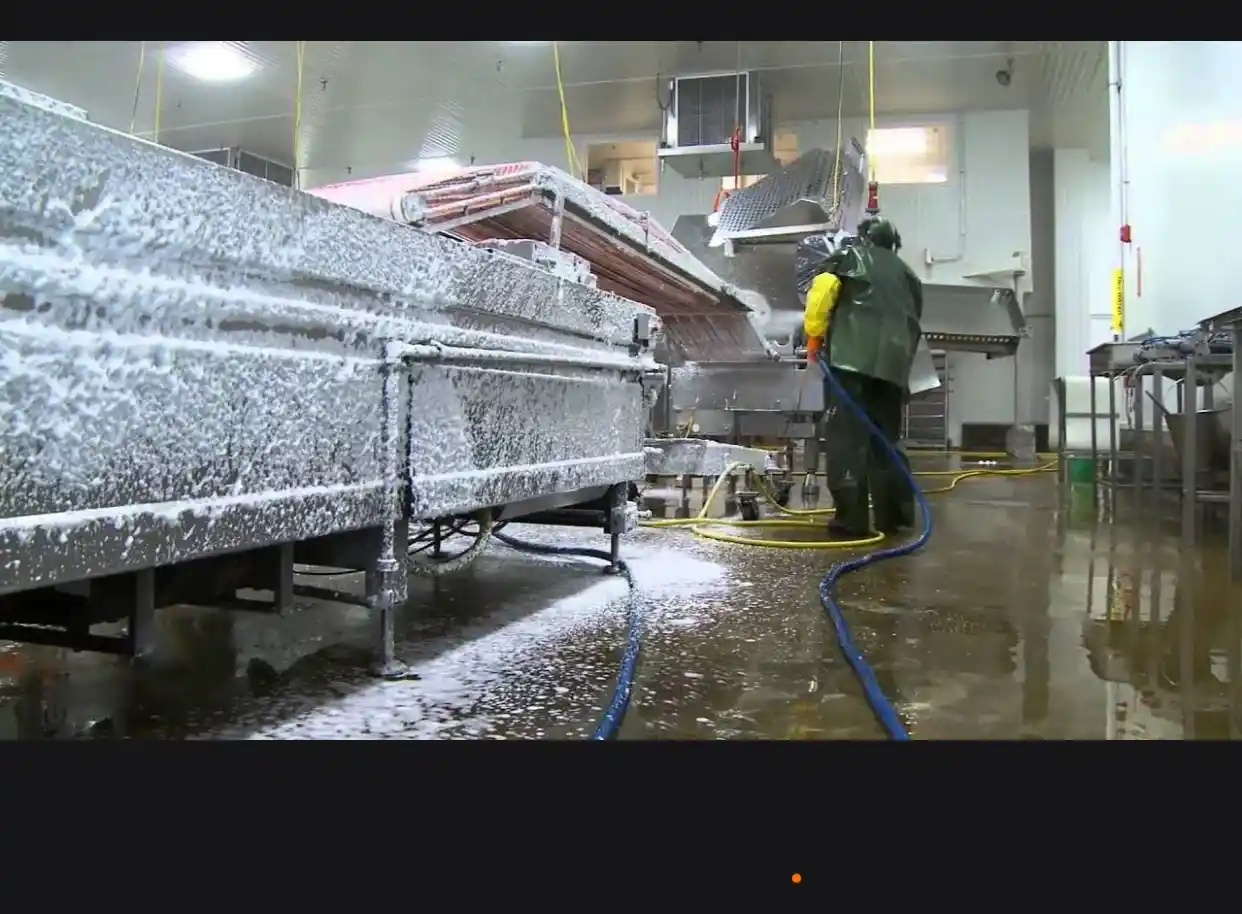
Commercial kitchens constantly battle dirt, grease, and food debris. While cold water can clean dirty surfaces, it is less effective than the degreasing power of hot water pressure washing in a restaurant kitchen. Hot water dissolves fats and oils, enabling a more thorough cleaning, especially in cook lines, grills, and deep fryers.
These pressure washers are especially effective at:
- Cleaning floors where oil accumulates.
- Cleaning grease traps and areas behind cooking equipment.
- Sanitizing food preparation surfaces.
- They also tend to reduce the need for harsh chemicals, as they are effective and environmentally friendly.
How Hot Water Helps Remove Restaurant Grease
Grease can become difficult to remove when it cools and sticks to floors, equipment, and surrounding surfaces. Heated water helps loosen these deposits so operators can remove them more efficiently. This makes hot water pressure washing particularly useful for areas exposed to cooking oils and heavy food residue.
However, pressure washing should always be performed according to the equipment manufacturer’s instructions and the requirements of the surface being cleaned. Food-contact surfaces also require appropriate cleaning and sanitizing procedures rather than relying on pressure washing alone.
Common Use of Pressure Washers in Restaurants
Pressure washers are not only confined to use in the kitchen; they are useful in a lot of other areas of a restaurant.
- Grease Traps and Dumpster Areas: These areas are usually greasy or dirty, which may invite pests to these places, which may include insects and rats. Hot water under high pressure will help sanitize the area and clear out the effects of grease.
- Entrances/Sidewalks: When one comes to the restaurant, the outside will be the first impression that they will have. Pressure cleaning cleans dirt, food spills, and grease, which ensures that customers feel safe approaching the entrance.
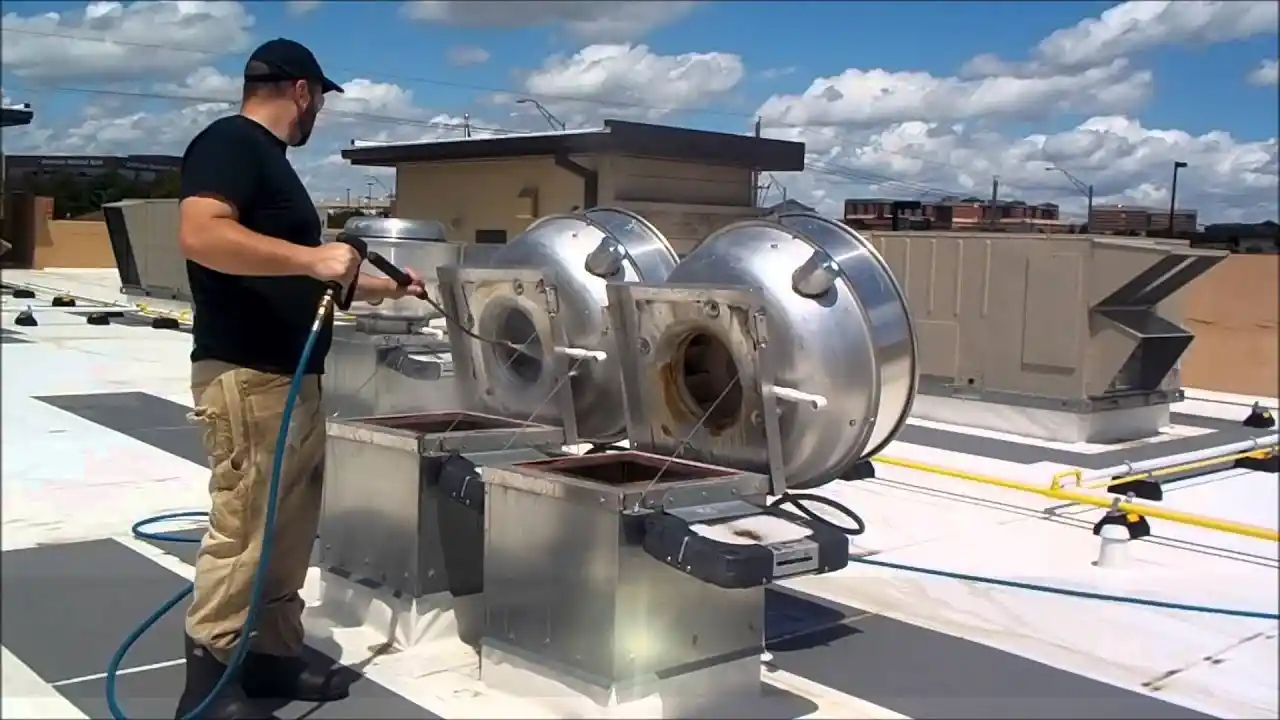
- Kitchen Exhausts and Vents: Cooking produces greasy steam, which also accumulates on the vents and exhaust fans. When not cleaned properly, it can pose a fire hazard. Pressure washers aid easy, safe cleaning of these areas.
- Floor Drains and Rubber Mats: Food wastage, grease, and bacteria accumulate in these points. A commercial pressure washer sanitation system cleans them in a better way than manual scrubbing, which helps avoid the bad smells and germs.
Restaurant Areas That Benefit From Hot Water Cleaning
These are the areas that can benefit from the hot water cleaning.
Back-of-House Floors
Hot water pressure washers can be useful beyond cooking areas. Back-of-house floors can accumulate grease, dirt, food residue, and organic buildup. Regular cleaning helps maintain a more consistent sanitation routine throughout the facility.
Loading Zones
Loading zones can collect dirt, grease, food residue, and other contaminants from deliveries and daily restaurant operations. The cleaning method should be selected according to the surface and level of buildup.
Dumpster Pads
Dumpster pads are exposed to food waste, grease, and organic debris, making them important areas for regular cleaning. Hot water pressure washing can help remove stubborn buildup and keep waste-handling areas cleaner.
Entryways and Exterior Surfaces
Entryways and other exterior hard surfaces can accumulate dirt, food spills, grease, and organic buildup. These areas may require different equipment and water recovery practices than indoor kitchen spaces, particularly where drainage, ventilation, and customer access are concerns.
Food-Grade Cleaning Standards and Compliance
Restaurants must follow food safety rules like NSF/ANSI standards to keep their kitchens clean and safe. A food-safe pressure washer with a hot water system helps meet these rules by cleaning surfaces with extremely high heat, leaving no harmful chemicals behind. This simplifies the process of remaining in compliance with health department standards.
Electric hot water pressure washers are also ideal for cleaning in the kitchen. They run quietly, don’t make fumes, and thus are safe indoors. You can find reliable options like this electric hot water pressure washer at Pressure King Inc.
Keep your auto shop spotless and customer-ready – explore pressure washers designed to remove oil, grease, and grime from floors, lifts, and tools.
Cleaning vs. Sanitizing in a Restaurant
Pressure washing is primarily a cleaning method that removes grease, dirt, food residue, and other contaminants from surfaces. Sanitization is a separate step that reduces microorganisms to an acceptable level using an appropriate method or product. Restaurants should follow their applicable food safety procedures to determine when cleaning and sanitizing are required.
This distinction is important when cleaning food preparation areas. A pressure washer can help remove heavy soil, but restaurant staff should follow established procedures for any subsequent sanitizing of food-contact surfaces.
Hot Water vs Steam: Which Is Better in Kitchens?
Hot water and steam systems both kill bacteria, but the hot water pressure washers are best at reaching into greasy, solid substances. Steam sanitizes, but hot water cleans and disinfects, making it a better candidate to use on a regular basis in kitchens.
Most restaurants have hybrid units that alternately use hot water or steam. As an example, a multi-purpose washer can clean exhaust hoods and can also clean sticky food spills on tile floors.
Daily Cleaning vs Deep Cleaning
In restaurants, cleanliness is not only a matter of appearance but also a health, safety, and food quality concern. That is why most restaurants have two cleaning schedules: daily cleaning and deep cleaning.
Daily Cleaning
This is the normal cleaning that is done daily, usually beginning or ending at the end of a shift. It includes:
- Mopping the floors of the kitchen to clear spills and crumbs
- Wiping off prep tables and counters
- Keeping food service areas clean
A hot water pressure washer restaurant kitchen system proves helpful for these tasks. It makes daily cleaning more efficient, making it quicker to remove grease and food without the use of harsh chemicals.
Deep Cleaning
This is a deeper cleaning done once a week or once a month, depending on how busy the restaurant is. The areas targeted in the deep cleaning process are the ones that accumulate grease, grime, and bacteria over a long period. These areas include:
- Grease traps
- Hoods and ceiling vents
- Floor drain and rubber mats
- Storage space and dumpster pads
In more rigorous tasks, restaurants employ commercial pressure washer sanitation systems so that not a single corner is left dirty and uncleaned.
Electric Units for Indoor Use
For a restaurant’s kitchen, frequent cleaning is essential, yet the gas-powered machines are very noisy and emit hazardous gases. That is why an electric hot water pressure cleaner is preferable for dealing with inside cleaning.
These machines are quiet and indoor-friendly; they do not emit smoke or gas, thus do not pollute poorly ventilated areas. They are also compact and easy to move: ideal when you need to clean small areas like the dishwashing area, preparation area, and behind appliances.
A standout model is the HDS Special Class Hot Water Pressure Washer. It features an electric boiler, produces zero exhaust, and delivers heated cleaning power in a compact design. This would be an excellent match for restaurants that require daily food-safe cleaning without bothering the staff or causing safety hazards.
Keep your project site safe and clean – discover industrial-grade pressure washers tailored for construction environments where power and durability matter most.
Why Electric Hot Water Pressure Washers Suit Indoor Kitchens
Indoor restaurant environments require careful consideration of ventilation and operating conditions. Electric hot water pressure washers avoid the engine exhaust associated with gas-powered equipment, making them a practical option for indoor applications where the equipment is appropriate for the environment.
Before using any pressure washer indoors, restaurant operators should review the manufacturer’s operating requirements and ensure adequate ventilation, drainage, electrical safety, and water recovery. Equipment selection should be based on the specific kitchen layout and cleaning application.
Hygiene Benefits and Regulatory Compliance
Quality cleaning reduces the spread of bacteria such as Salmonella and E. coli. Food-safe pressure washers and hot water pressure washing systems remove pathogens from high-contact surfaces.
The routine use supports:
- Compliance with local health codes
- Reduced risk of foodborne illness outbreaks
- Improved workplace safety
- A hygienic environment enjoyed by diners
Protecting High-Touch and High-Soil Areas
Restaurant cleaning should give particular attention to surfaces that experience frequent contact or heavy soil buildup. Floors near cooking stations, areas around sinks, waste-handling zones, and equipment surroundings can collect contaminants quickly and should be incorporated into the facility’s established cleaning routine.
Using the appropriate pressure, temperature, nozzle, and cleaning solution for each application can help remove buildup without unnecessarily damaging floors, equipment, seals, or other surfaces.
Floor Safety and Drainage Considerations
A hot water pressure washer system in a restaurant kitchen consumes a lot of water, and the water has to go somewhere. When improperly managed, it may form puddles and a slippery floor, which is dangerous to employees.
Restaurants must have:
- Floors that are not slippery to reduce the risk of slipping
- Good floor drains that get rid of water fast
- Water barriers or mats that can assist water from spreading out
A similar feature of some pressure washer systems is a vacuum recovery, which collects dirty water immediately after cleaning. It may be particularly helpful in a kitchen where drainage is poor or floors need to remain dry. With proper control over water flow, restaurants can be kept clean and safe.
Maintenance Tips for Pressure Washers in Restaurants
Pressure washers, like any other equipment, require some form of regular maintenance to remain functional. Maintenance of your machine will keep it in optimum condition and prevent faults, especially during peak hours.
Some simple maintenance tips are as follows:
- Wash filters and nozzles at least once per week so they do not become blocked.
- Inspect hoses and connections to check that they do not leak.
- Clean the hot water tank regularly to prevent residue buildup.
- Replace the seals and gaskets, and change them when they wear out.
By doing this, you have a pressure washer that runs optimally and prevents unforeseen repairs that are likely to delay operations in your kitchen.
Choosing the Right Hot Water Pressure Washer for a Restaurant
The best hot water pressure washer for restaurant cleaning depends on where and how the machine will be used. Consider the required water temperature, pressure, flow rate, power source, mobility, available space, drainage, and expected cleaning frequency before selecting equipment.
For indoor kitchen applications, electric hot water units can be a practical option when the equipment and facility meet the manufacturer’s operating requirements. Larger exterior cleaning tasks may require equipment with different specifications, particularly when cleaning expansive concrete areas or heavily soiled waste-handling zones.
Pressure and Flow Requirements
PSI determines the force of the water stream, while GPM determines how much water the machine delivers. Restaurants should select a combination that matches the surfaces and contaminants being cleaned rather than simply choosing the highest available pressure.
Hot Water Temperature
Water temperature can influence how effectively a pressure washer removes grease and oily buildup. A suitable hot water system can help loosen stubborn deposits, reducing the amount of manual scrubbing required for heavily soiled areas.
Mobility and Equipment Size
Restaurant layouts can make maneuverability important. A compact machine may be easier to move around kitchen equipment and confined areas, while larger units may be more appropriate for exterior surfaces and high-volume cleaning applications.
Water Recovery and Drainage
Restaurants should also consider where wastewater will go after cleaning. Equipment and cleaning procedures that support controlled water use or recovery can be useful when working in areas with limited drainage or strict wastewater requirements.
Conclusion
A hot water pressure washer setup in a restaurant is not only helpful but also essential in a kitchen. It helps remove stubborn grease, sterilize surfaces where you prepare food, and maintain a hygienic environment that meets health standards. These machines save time, use fewer harsh chemicals, and enable your staff to keep everything clean. Whether you need basic daily cleaning or detailed scrubbing, there is a pressure washer that can meet your restaurant’s cleaning needs.
Ready to bring professional cleaning to your restaurant? Contact Pressure King Inc. for expert solutions tailored to food industry sanitation.
Frequently Asked Questions (FAQs)
Why do restaurants use hot water pressure washers?
Restaurants use hot water pressure washers to remove grease, oil, food residue, and stubborn buildup from floors, equipment areas, dumpster pads, and other hard surfaces. Hot water helps loosen grease more effectively than cold water.
Are hot water pressure washers safe for restaurant kitchens?
They can be suitable for restaurant kitchens when the equipment is designed for the application and operated according to the manufacturer’s instructions. Indoor use also requires proper ventilation, electrical safety, drainage, and wastewater management.
Can pressure washers sanitize restaurant surfaces?
Pressure washing helps remove dirt, grease, food residue, and contaminants, but cleaning and sanitizing are separate processes. Food-contact surfaces should be cleaned and sanitized according to the restaurant’s established food safety procedures.
Is a hot water pressure washer better than a cold water pressure washer for restaurants?
Hot water pressure washers are particularly useful for restaurants because heated water helps break down grease and oily buildup. Cold water machines can still be effective for general dirt and lighter cleaning applications.
What areas of a restaurant can be pressure washed?
Pressure washers can be used for suitable hard surfaces in kitchen areas, back-of-house floors, loading zones, dumpster pads, entryways, sidewalks, floor drains, and other areas where grease and heavy buildup accumulate.
How often should restaurants pressure wash their kitchens?
The frequency depends on the restaurant’s workload, cleaning requirements, surface conditions, and established sanitation procedures. High-soil areas may require more frequent cleaning, while deep-cleaning tasks can be scheduled periodically.
Are electric hot water pressure washers good for indoor restaurant cleaning?
Electric hot water pressure washers can be a practical option for indoor applications because they do not produce engine exhaust. Restaurants should still verify ventilation, electrical requirements, drainage, and manufacturer guidelines before operating the equipment indoors.
How should restaurants manage wastewater from pressure washing?
Restaurants should control wastewater to prevent standing water and slippery floors and follow applicable local requirements for wastewater disposal. Water recovery equipment can also be useful where drainage is limited or contaminated runoff needs to be controlled.
How can restaurants maintain their hot water pressure washers?
Regular maintenance includes inspecting hoses and connections, cleaning filters and nozzles, checking the hot water system, and replacing worn seals or gaskets. Following the manufacturer’s maintenance schedule can help reduce unexpected downtime.

Michael Adeniran is the CEO of Pressure King Inc. He has been dealing in commercial cleaning equipment for many years. He is one of the leading specialists and experts in commercial cleaning products.


