


A Guide To Power Wash Driveway Cost

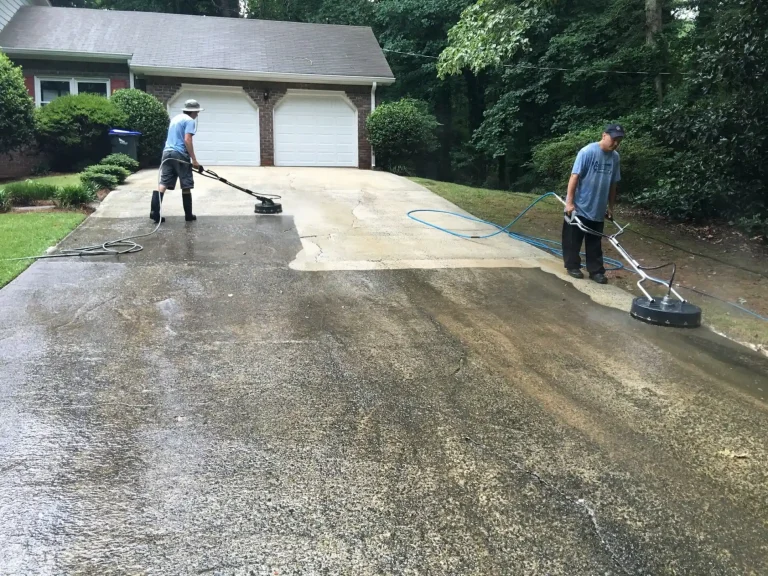
Having a clean driveway is not only beneficial in improving the look of your house but it also preserves the surface and prolongs its life. With time, dirt, oil stains, molds, algae, and debris are deposited causing driveways to appear shabby and defenseless. One of the best methods of regaining the original appearance of a driveway and keeping it appealing to the eyes is by power washing. Due to the increasing number of homeowners who appreciate the importance of keeping the exterior well-maintained, more people are increasingly showing interest in professional cleaning of their driveways.
Nonetheless, a major question that homeowners will pose is, “What is the cost of power washing a driveway? The cost can be very diverse in relation to the driveway size, material and the extent of cleaning needed. Here, in this guide, you will find out the average expenses, price determinants, and the way you can assess whether professional power washing would be worth it.
What Is Driveway Power Washing?
Driveway power washing is a cleaning technique where high-pressure water, with or without heated water and cleaning solutions is used to clean stubborn dirt, stains and organic deposits on the surfaces of driveways. Although the two terms, power washing and pressure washing are commonly used interchangeably, power washing has generally been associated with heated water, which may be more effective in dissolving grease and oil stains.
Different driveway materials respond differently to power washing. The most common surfaces that benefit from this service include:
- Concrete driveways: Durable and well-suited to high-pressure cleaning
- Asphalt driveways: Require lower pressure to avoid surface damage
- Paver or brick driveways: Often need specialized techniques to prevent shifting or erosion
- Gravel driveways: Limited compatibility with power washing due to loose material
Power washing effectively removes contaminants such as oil spots, tire marks, mildew, algae, moss, and embedded dirt. Regular cleaning not only improves appearance but also helps prevent long-term surface deterioration caused by organic growth and chemical stains.

Average Cost to Power Wash a Driveway
Most residential homes have a cost per driveway of between 180-220 nationally with an average of 100-300 which is the average cost to power wash a driveway. Most providers of such services price by the square foot with most charging between 0.15 to 0.40 per square foot depending on the complexity of the task and the material used on the surface.
Here’s a general breakdown by driveway size:
- Single-car driveway (200–400 sq. ft.): $75–$150
- Two-car driveway (400–800 sq. ft.): $120–$250
- Large or extended driveway (800+ sq. ft.): $250–$450 or more
A minimum service fee is also present in most of the companies, usually between 75 and 100 dollars. This charge is used to allow traveling time, equipment installation, and labor making the job to be profitable even on smaller projects.
They may incur additional charges on heavy stain removal, pre-treatment solution or even after cleaning sealing. Though the prices can be different in various regions and with different contractors, it is reasonable to know these general ranges so that homeowners would plan their budget and be able to compare different quotes.
Cost Consideration by Driveway Size
One of the main variables that determine power washing cost is the size of the driveway. The majority of contractors charge their services by the square footage i.e. the larger the driveway the more they charge. Nonetheless, larger projects can be occasionally allowed a slightly reduced per-square-foot rate by virtue of efficiency.
Small Driveway Cost Estimates
For single-car driveways ranging from 100 to 250 square feet, cleaning is typically straightforward and cost-effective. Most service providers charge between $50 and $100, depending on your location and the condition of the driveway.
Smaller driveways often qualify for a minimum service fee, making them a budget-friendly option. Light dirt and minimal staining allow for quick cleaning, keeping labor costs low and the overall price at the lower end of the scale.
Medium Driveway Pricing
Medium-sized driveways, usually 250 to 500 square feet, require a slightly more thorough approach. Cleaning costs for these driveways generally range from $100 to $175, influenced by local rates, surface type, and the level of soiling.
While still manageable, medium driveways may take longer to clean if stains or debris are more significant. Companies may adjust pricing slightly above the minimum service fee to account for the additional time and effort, but efficient cleaning techniques help keep costs reasonable.
Large or Extended Driveway Pricing
Large or extended driveways, 800 square feet and above, typically range from $250 to $450 or more. Steep slopes, circular designs or long driveways take more periods and equipment installation which increases the cost of labor.
Other contractors have lower per-square-foot rates depending on the size project, but overall costs are elevated by the increment in the level of work. Other treatments of stains or sealing services may also increase the end price.
How Contractors Calculate Square Footage
Contractors work out the size of driveways by multiplying the length by the width to achieve the total square feet. Unevenly shaped driveways can be partitioned and determined individually then added together.
Precision is also significant as the cost depends greatly on surface area. On-site assessment is done in some companies, whereas others rely on satellite inspection or customer presented dimensions to come up with estimates.
| Driveway Size | Typical Square Footage | Estimated Cost Range | Average Service Time | Notes |
| Small Driveway | 200–400 sq. ft. | $75–$150 | 30–45 minutes | Often subject to minimum service fees |
| Medium Driveway | 400–800 sq. ft. | $120–$250 | 45–90 minutes | Most common residential size |
| Large Driveway | 800+ sq. ft. | $250–$450+ | 1.5–3 hours | May qualify for slight bulk discounts |
| Extended/Circular Driveway | 1,200+ sq. ft. | $350–$600+ | 2–4 hours | Complex layouts increase labor time |
Cost Differences by Driveway Material
The material of your driveway affects both the cleaning method and overall price. Different surfaces require specific pressure levels and treatments, which influence labor time and equipment use.

Concrete Driveway Cleaning Costs
Concrete is durable and well-suited to high-pressure washing, making it one of the most cost-effective materials to clean. Prices typically range from $0.15 to $0.30 per square foot.
Because concrete can withstand stronger pressure, technicians can clean efficiently without risking surface damage. However, deep oil or rust stains may require chemical treatments that add to the cost.
Asphalt Driveway Cleaning Costs
Asphalt driveways generally cost $0.20 to $0.35 per square foot to power wash. Since asphalt is softer than concrete, contractors must use lower pressure and more careful techniques.
This gentler approach often increases cleaning time. Excessive pressure can damage asphalt surfaces, so experienced technicians are essential. Specialized detergents may also be required, contributing to slightly higher costs.
Paver and Brick Driveway Pricing
Paver and brick driveways typically fall in the $0.25 to $0.40 per square foot range. These surfaces require precision cleaning to avoid loosening joints or displacing sand.
After washing, contractors may recommend joint re-sanding or sealing, which adds to the total expense. While these services increase upfront costs, they help maintain structural stability and appearance.
Material-Specific Cleaning Requirements and Pricing Impact
Each driveway material has unique maintenance needs that influence pricing. Concrete allows faster cleaning, while asphalt demands caution. Pavers require extra care and finishing work.
These differences affect labor time, equipment settings, and the need for specialty treatments. Homeowners should consider both immediate cleaning costs and long-term maintenance when evaluating pricing.
| Driveway Material | Cost per Square Foot | Typical Total Cost (Standard Size) | Cleaning Difficulty | Special Requirements |
| Concrete | $0.15–$0.30 | $100–$250 | Easy | May require stain pre-treatment |
| Asphalt | $0.20–$0.35 | $120–$300 | Moderate | Lower pressure needed to avoid damage |
| Pavers/Brick | $0.25–$0.40 | $150–$350 | Higher | Joint sanding or sealing recommended |
| Decorative/Stamped Concrete | $0.30–$0.50 | $180–$400 | Specialized | Careful pressure control required |
Labor Costs and Service Time Considerations
Labor is a major component of power washing expenses. The time and expertise required to complete the job directly impact the final price.
How Labor Rates Influence Pricing
The professional power cleaning firms consider hourly labor prices in their price formulations. Prices differ depending on location and experience of the company, although more skilled technicians can provide better, quicker and safer results.
There is not only washing in labor costs. They involve installation, equipment transportation, chemical spraying, rinsing operations and cleaning. Complex jobs that demand additional care or treatment are obviously expensive.
Time Required for Standard vs Heavily Stained Driveways
An average residential driveway that is covered with light dirt usually requires cleaning 30 minutes to 1 hour. Oil spots, mould or embedded grime on the heavily stained surface may require up to 1.5 to 3 hours or more.
Additional time is required in pre-treatment, agitation and repeated washing. The more time the job is done the more labor of the bill.
Impact of Crew Size and Equipment
The number of the crew and the quality of equipment influence the cost and efficiency as well. The presence of a bigger crew and a commercial grade of machines will do tasks at a higher speed which can save on labor time at the expense of higher operation cost.
The expensive machinery tends to have higher outputs in terms of water efficiency and cleaning strength. Professional services can be more costly, but they can prove to be better all around when they are faster and more effective.
How Often Should You Power Wash Your Driveway?
Majority of the homeowners are enjoying the power washing of their driveway annually, yet the optimal time will be based on some factors. Regular cleaning helps to avoid the formation of stains and helps to minimize the wear of surfaces in the long term.
The influence of climate is significant in frequency. Houses in wet or rainy areas have a quicker algae and mould formation and this could need cleaning after every 69 months. A yearly shower suffices in drier climates. The need in maintenance may also be caused by the seasonal changes like falling leaves and winter salt deposits.
Another significant aspect is the driveway use. The households having several vehicles and good traffic may be covered by oil spots and tire imprints faster. Those properties which have trees or landscaping around them could also receive more debris and organic degradation.
Having a schedule of cleaning curb appeal would assist in keeping the area attractive and prevents the wear of the driveway. Frequent maintenance is in most cases cheaper than periodic deep cleanings that need to remove heavy stains.
Ways to Save Money on Driveway Power Washing
The cost of professional driveway power washing does not necessarily need to be high provided you go about it in a strategic manner. By being smart and proactive with their cleaning, the homeowner will be able to reduce their cleaning costs and even then have a clean driveway. These are the cost-saving tips that can enable you to enjoy quality professional services at the most affordable price.
Bundling Services with Neighbors
It is one of the least complicated methods to cut costs by arranging with the neighbors who require the power washing as well. Most contractors also provide group or neighborhood deals since it saves them time to travel and cost to install equipment in one locality.
When multiple households reserve the same times, the companies frequently have the capacity to transfer those discounts to customers as low per-home rates. This method works particularly well with residential neighborhoods which have matched driveway sizes and patterns. It can have a difference in the savings being achieved by organizing a small group.
Maintenance Strategies to Prevent Heavy Buildup
Regular maintenance is significant in ensuring that cleaning costs are kept at a minimum. The further your driveway is clogged, the greater time and special care will be needed to clean it. Basic habits will avoid the harsh staining and will minimize the necessity of rigorous cleaning.
Frequent cleaning of trash, rinsing spills immediately, and removing the oil spots promptly can prevent the appearance of the stains as deep in the surface as possible. Pruning surrounding vegetation and increasing the drainage system are also effective in reducing growth of molds and algae. A year-long driveway will ensure that future power washing is quicker and cheaper.
Comparing Quotes Effectively
Getting multiple quotes is essential, but comparing them requires more than just looking at the final price. A lower estimate may not always include the same services as a higher one. Homeowners should carefully review what each quote covers.
Check whether the estimate includes stain treatment, detergents, post-cleaning rinsing, and cleanup. Ask for itemized pricing so you can see exactly what you’re paying for. Evaluating service details alongside cost ensures you choose a contractor that offers the best overall value rather than simply the cheapest option.
Negotiating Service Packages
Many power washing companies are open to adjusting their service packages to meet customer needs. If you’re combining driveway cleaning with other exterior services, such as sidewalks, patios, or siding, you may be able to negotiate a bundled rate.
It’s also worth asking about seasonal promotions or repeat-customer discounts. Some companies offer reduced pricing for scheduled annual maintenance plans. Polite negotiation and clear communication about your budget can often lead to flexible pricing options without sacrificing service quality.
By applying these strategies, homeowners can significantly reduce power washing expenses while maintaining a clean and well-kept driveway.
Signs Your Driveway Needs Power Washing
Your driveway is constantly exposed to weather, vehicle traffic, and environmental debris. Over time, these elements can leave visible marks and hidden damage that reduce both appearance and safety. Recognizing the early signs that your driveway needs power washing helps you maintain curb appeal and prevent long-term surface deterioration.
Visible Stains and Dark Spots
One of the clearest signs your driveway needs cleaning is the appearance of oil stains, tire marks, rust spots, or dark patches of dirt. These stains can become deeply embedded if left untreated, making them harder to remove later. Power washing restores the surface by breaking down stubborn buildup and lifting discoloration.
Mold, Mildew, or Algae Growth
Green or black patches on your driveway often indicate mold, mildew, or algae growth. These organisms thrive in damp or shaded areas and can spread quickly. Besides looking unattractive, they create slippery surfaces that pose a safety hazard. Power washing removes organic growth and helps prevent it from returning.
Slippery or Slick Surface
If your driveway feels slick when wet, it’s a sign that grime and organic residue have accumulated. This buildup increases the risk of slips and falls, especially during rainy weather. A thorough power wash improves traction and makes the surface safer for walking and driving.
Faded or Dull Appearance
A driveway that once looked bright and clean may gradually appear faded or dull due to accumulated dirt and pollution. Even if stains aren’t obvious, a general loss of color can make your property look neglected. Power washing refreshes the surface and enhances your home’s overall appearance.
Weed Growth in Cracks or Joints
Weeds sprouting between cracks or paver joints indicate trapped dirt and moisture. These conditions encourage plant growth that can widen gaps and damage the structure over time. Cleaning the driveway removes debris and helps slow future weed development.
Increased Curb Appeal Concerns
If you’re preparing to sell your home or simply want to improve its exterior appearance, a dirty driveway can detract from the overall look of the property. Power washing is a quick and effective way to boost curb appeal and create a well-maintained impression.
Regularly checking for these signs allows homeowners to address issues early. Timely power washing not only improves appearance but also protects the driveway from premature wear and costly repairs.

How to Choose the Right Power Washing Service
Selecting the right power washing contractor can make a significant difference in both results and overall value. Not all service providers offer the same level of expertise, so it’s important to evaluate your options carefully.
Start by checking whether the company is licensed and insured. Proper insurance protects you in case of accidental damage or on-site injuries. A reputable contractor should be willing to provide proof of coverage and credentials upon request.
Next, review customer feedback and reputation. Online reviews, testimonials, and before-and-after photos can offer insight into the company’s reliability and quality of work. Consistently positive feedback is a strong indicator of professionalism.
Transparent pricing is another essential factor. A trustworthy contractor will provide a detailed written estimate outlining services, costs, and any potential add-ons. Before hiring, consider asking questions such as:
- What cleaning methods and equipment do you use?
- Are eco-friendly cleaning solutions available?
- Is stain removal included in the base price?
- Do you offer any service guarantees?
Taking time to vet contractors ensures you receive safe, effective cleaning without unexpected surprises.
Environmental Considerations in Power Washing
Modern power washing practices increasingly focus on minimizing environmental impact. Responsible cleaning methods protect not only your driveway but also the surrounding ecosystem.
Many professional companies now use biodegradable, eco-friendly detergents that effectively remove stains without introducing harmful chemicals into soil or storm drains. These solutions break down naturally and are safer for pets, plants, and nearby water sources.
Water conservation is another important consideration. Professional-grade equipment often uses water more efficiently than consumer machines, delivering strong cleaning power with controlled water usage. Some contractors also implement runoff management techniques to prevent contaminated water from entering drainage systems.
Homeowners who prioritize environmentally responsible services should ask contractors about their sustainability practices. Choosing a company that values eco-friendly methods supports cleaner communities and safer outdoor spaces.
Conclusion
Power washing is a practical investment that enhances both the appearance and longevity of your driveway. By removing dirt, stains, and organic buildup, regular cleaning preserves curb appeal and prevents gradual surface deterioration.
While costs vary based on size, material, and service complexity, most homeowners find that professional power washing delivers strong value for the price. Routine maintenance is often more affordable than major repairs or replacements caused by neglect.
Ultimately, understanding pricing factors and choosing a reputable contractor allows you to make an informed decision. With proper care and periodic cleaning, your driveway can remain clean, safe, and visually appealing for years to come.
Frequently Asked Questions
How long does driveway power washing take?
Most residential driveway cleanings take between 30 minutes and 2 hours, depending on size and stain severity. Larger or heavily soiled driveways may require additional time for treatment and rinsing.
Does power washing damage concrete?
When performed correctly by trained professionals, power washing is safe for concrete. Damage usually occurs only when improper pressure settings or techniques are used.
Can oil stains be completely removed?
Many oil stains can be significantly reduced or removed with professional treatment. However, older or deeply set stains may leave slight discoloration even after cleaning.
Is sealing necessary after washing?
Sealing isn’t always required, but it can protect the surface from future stains and weather damage. It’s especially beneficial for paver and concrete driveways.

Michael Adeniran is the CEO of Pressure King Inc. He has been dealing in commercial cleaning equipment for many years. He is one of the leading specialists and experts in commercial cleaning products.


