


Best Kärcher Pressure Washers for Car Dealerships and Fleet Maintenance
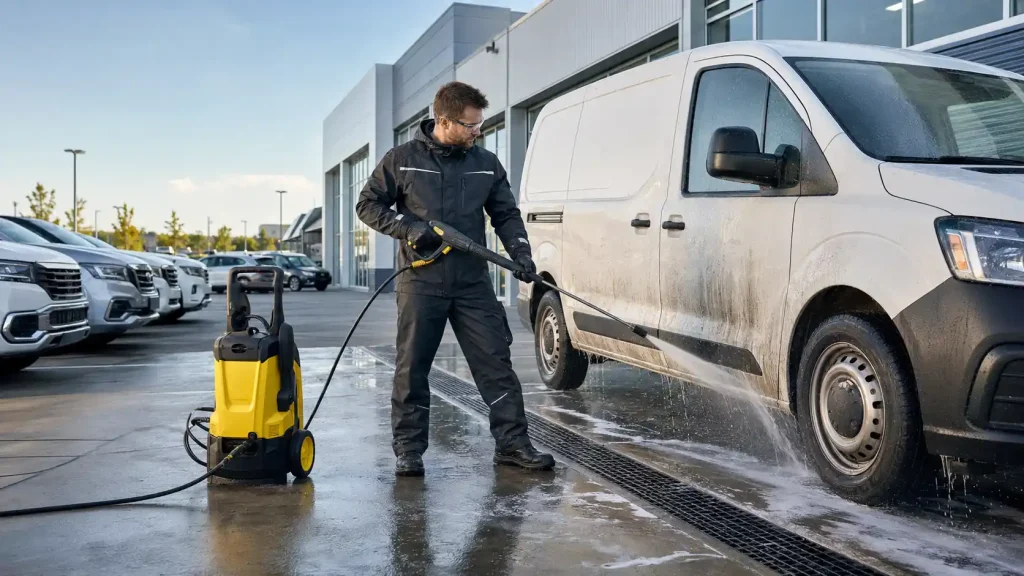
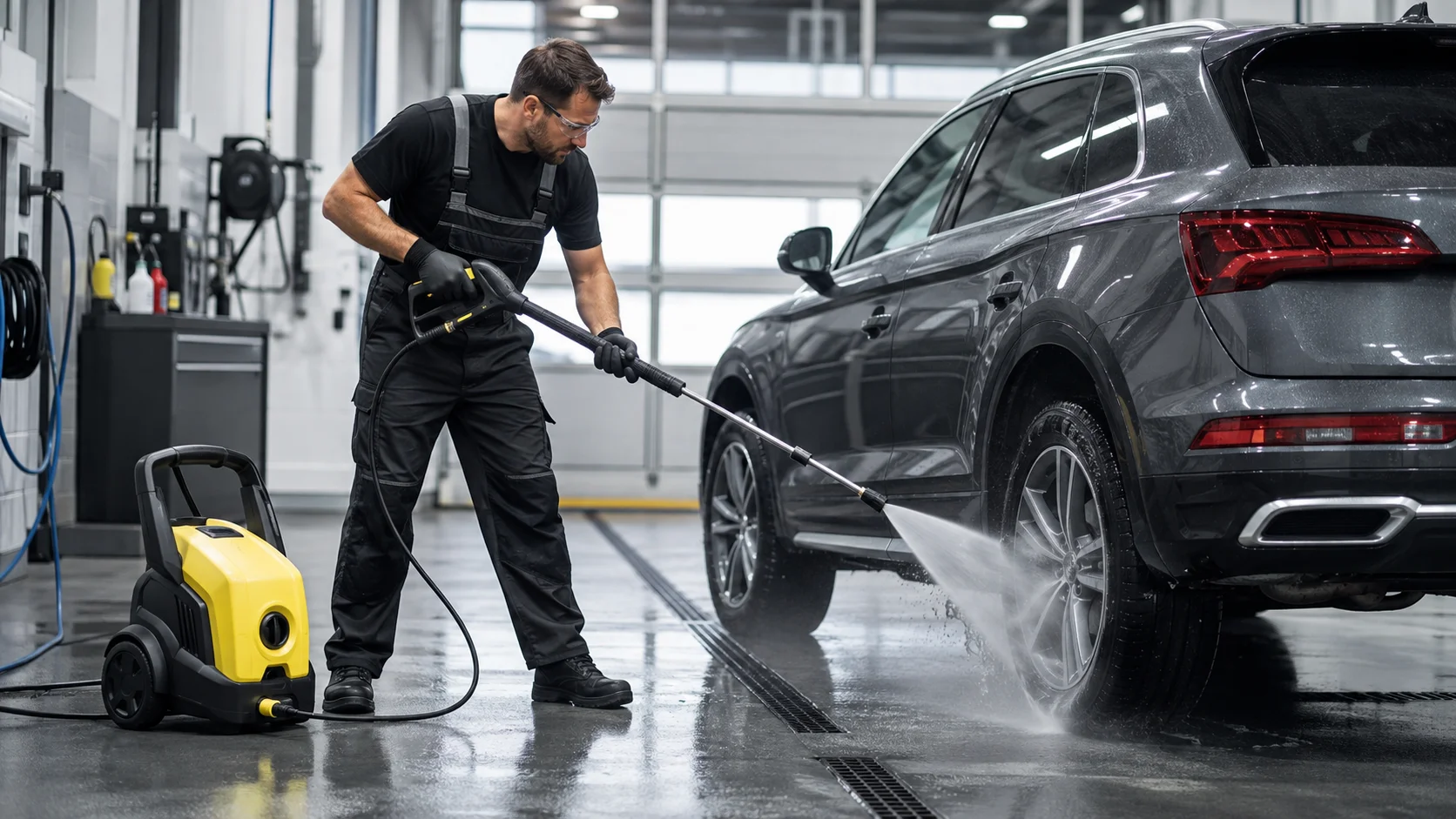
Car dealerships, transportation companies, rental fleets, and service centers require consistent vehicle cleaning to maintain professional appearance and protect their investments. Unlike occasional residential vehicle washing, commercial fleet cleaning involves multiple vehicles, daily operation, road contamination, grease, mud, and environmental buildup.
A standard home pressure washer may not provide the durability, water flow, or cleaning performance needed for these applications. Businesses require reliable equipment designed for longer operating hours and frequent use.
A Kärcher pressure washer for car dealerships and fleet maintenance provides commercial-grade cleaning performance for removing dirt, road grime, oil, and other contaminants from vehicles. With the right combination of PSI, GPM, water temperature, detergents, and accessories, businesses can improve cleaning efficiency while reducing labor time.
This guide explains how dealerships and fleet operators can choose the right Kärcher pressure washer, what specifications matter most, and how professional cleaning equipment supports vehicle maintenance.
Why Car Dealerships and Fleets Need Commercial Pressure Washers
Vehicle appearance plays an important role in customer perception. A clean vehicle creates a better impression when it is displayed on a dealership lot, used for transportation services, or operated as part of a commercial fleet. Clean vehicles can also make routine inspections easier and help maintenance teams identify visible damage, leaks, or surface issues.
Commercial vehicles are exposed to demanding conditions. Road salt, mud, dust, brake dust, oil residue, grease, insects, and environmental buildup can accumulate on exterior surfaces. Trucks and fleet vehicles may also encounter construction debris, industrial residue, and other contaminants during daily operation. For dealerships, cleaning may be part of daily lot maintenance and vehicle preparation. Fleet operators may need to wash dozens or hundreds of vehicles according to a regular schedule. This makes equipment durability and cleaning speed important considerations.
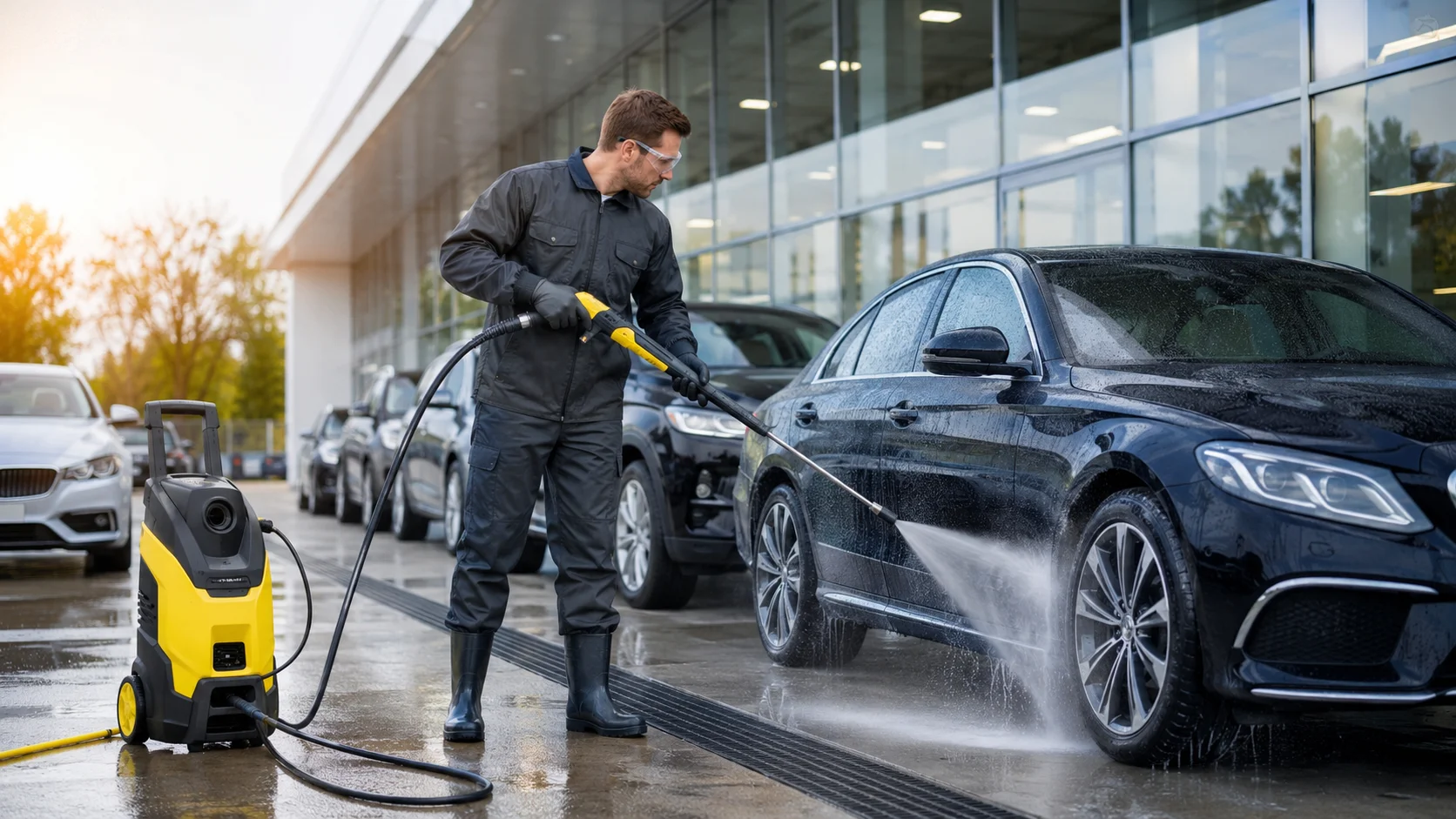
Commercial pressure washers can provide stronger cleaning performance and greater productivity than typical residential equipment. When properly selected and operated, they can help maintenance teams complete vehicle washing tasks more efficiently while reducing the physical effort required for manual cleaning.
How Kärcher Pressure Washers Help Vehicle Cleaning Operations
Kärcher develops professional cleaning equipment for applications that require reliable performance and frequent operation. Automotive businesses can choose from different pressure washer configurations based on their cleaning environment, available power, vehicle size, and contamination levels.
For businesses involved in automotive and transportation cleaning, selecting the right pressure washer can help create a more consistent cleaning process. Cold water systems are suitable for routine dirt and dust removal, while hot water models can provide additional cleaning capability when vehicles have grease, oil, or heavy road film.
Electric units can work well in fixed wash bays where electrical power is readily available. Mobile systems can provide greater flexibility for outdoor fleet yards and larger vehicle areas.
The right equipment configuration can also reduce unnecessary cleaning time. For example, a dealership with a dedicated wash area may benefit from an electric pressure washer that is easy to operate throughout the day. A transportation company cleaning trucks outdoors may require a mobile unit with greater water flow and the ability to handle heavier contamination.
What PSI Do You Need for Vehicle and Fleet Cleaning?
The correct PSI depends on the vehicle type and cleaning application. Too little pressure may not remove stubborn contamination, while excessive pressure can damage paint, decals, trim, or sensitive components.
| Cleaning Application | Recommended PSI |
|---|---|
| Passenger vehicles | 1,500–2,500 PSI |
| Dealership vehicle cleaning | 1,800–3,000 PSI |
| Delivery vans | 2,000–3,000 PSI |
| Trucks and commercial vehicles | 2,500–3,500 PSI |
| Heavy equipment fleets | 3,000+ PSI |
These ranges should be treated as general guidelines rather than fixed requirements. Operators should always follow vehicle manufacturer recommendations and adjust pressure according to the surface being cleaned.
For businesses handling particularly demanding cleaning applications, 4000 PSI pressure washer may be appropriate for certain heavy-duty tasks. However, higher pressure is not automatically better for vehicle surfaces. For most vehicle cleaning applications, a balanced pressure setting combined with proper detergent produces better results than simply increasing PSI.
Why GPM Matters for Fleet Washing
GPM, or gallons per minute, measures the amount of water flowing through the pressure washer. While PSI contributes to cleaning force, GPM affects how quickly loosened dirt and detergent can be rinsed away. This becomes particularly important in fleet environments. A business cleaning a large number of vehicles needs to consider how quickly each vehicle can be washed, rinsed, and returned to service. A pressure washer with an appropriate GPM rating can help maintenance teams rinse surfaces more efficiently.
A dealership washing several passenger vehicles may have different requirements from a trucking company cleaning large commercial vehicles. Selecting the right balance between PSI and GPM can help businesses maintain cleaning performance without using unnecessarily high water flow.
Hot Water vs Cold Water Pressure Washers for Vehicle Cleaning
The choice between hot and cold water depends largely on the type of contamination being removed. Both systems can be useful for automotive applications, but they serve different cleaning needs.
Cold Water Pressure Washers for Vehicle Cleaning
Cold water pressure washers are effective for routine vehicle washing and general exterior maintenance. They can remove loose dirt, dust, mud, and other surface contaminants when combined with appropriate cleaning techniques and detergents. They are often suitable for dealerships and businesses that perform frequent cleaning but do not regularly encounter heavy grease or oil. Cold water equipment can also be a practical option where lower equipment complexity and routine exterior cleaning are the main priorities.
Hot Water Pressure Washers for Fleet Maintenance
Hot water pressure washers provide additional cleaning capability for grease, oil, road film, and heavy contamination. Heat helps break down oily substances, allowing operators to remove difficult buildup more efficiently. For fleet operators working with trucks, buses, construction vehicles, agricultural vehicles, or other heavy-duty vehicles, hot water systems can be especially useful. They can reduce the effort required to remove stubborn contaminants and may shorten cleaning times in demanding applications.
Best Kärcher Pressure Washer Types for Automotive Applications
Different automotive businesses have different operating environments. A dealership with an indoor wash bay may have completely different requirements from a transportation company cleaning vehicles in an outdoor yard.
Electric Kärcher Pressure Washers
Electric pressure washers can be a practical choice for indoor service areas, dealership wash bays, and facilities with dependable electrical access. They generally produce less noise and do not create engine exhaust during operation, which can make them suitable for controlled cleaning environments.
For facilities that require this type of equipment, commercial electric pressure washers can provide a suitable option for regular vehicle cleaning. When selecting an electric system, businesses should consider the available electrical supply and the expected operating schedule. The machine should be capable of handling the required workload without exceeding the facility’s power limitations.
Gas-Powered Kärcher Pressure Washers
Gas-powered equipment can provide greater mobility for outdoor cleaning operations. This makes it useful for truck yards, transportation facilities, fleet parking areas, and locations where electrical access is limited.
Commercial gas pressure washers can be considered when mobility and outdoor operation are important requirements. Fleet operators should consider equipment mobility, fuel requirements, operating hours, and local ventilation or emissions requirements when selecting a gas-powered system.
Hot Water Kärcher Pressure Washers
Hot water models are useful for automotive businesses dealing with grease, oil, heavy road film, and other difficult contamination. Fleet maintenance facilities and truck cleaning operations may benefit from the additional cleaning capability provided by heated water. The appropriate model depends on vehicle size, cleaning frequency, contamination levels, water availability, and the facility’s operating environment.
Important Accessories for Vehicle and Fleet Cleaning
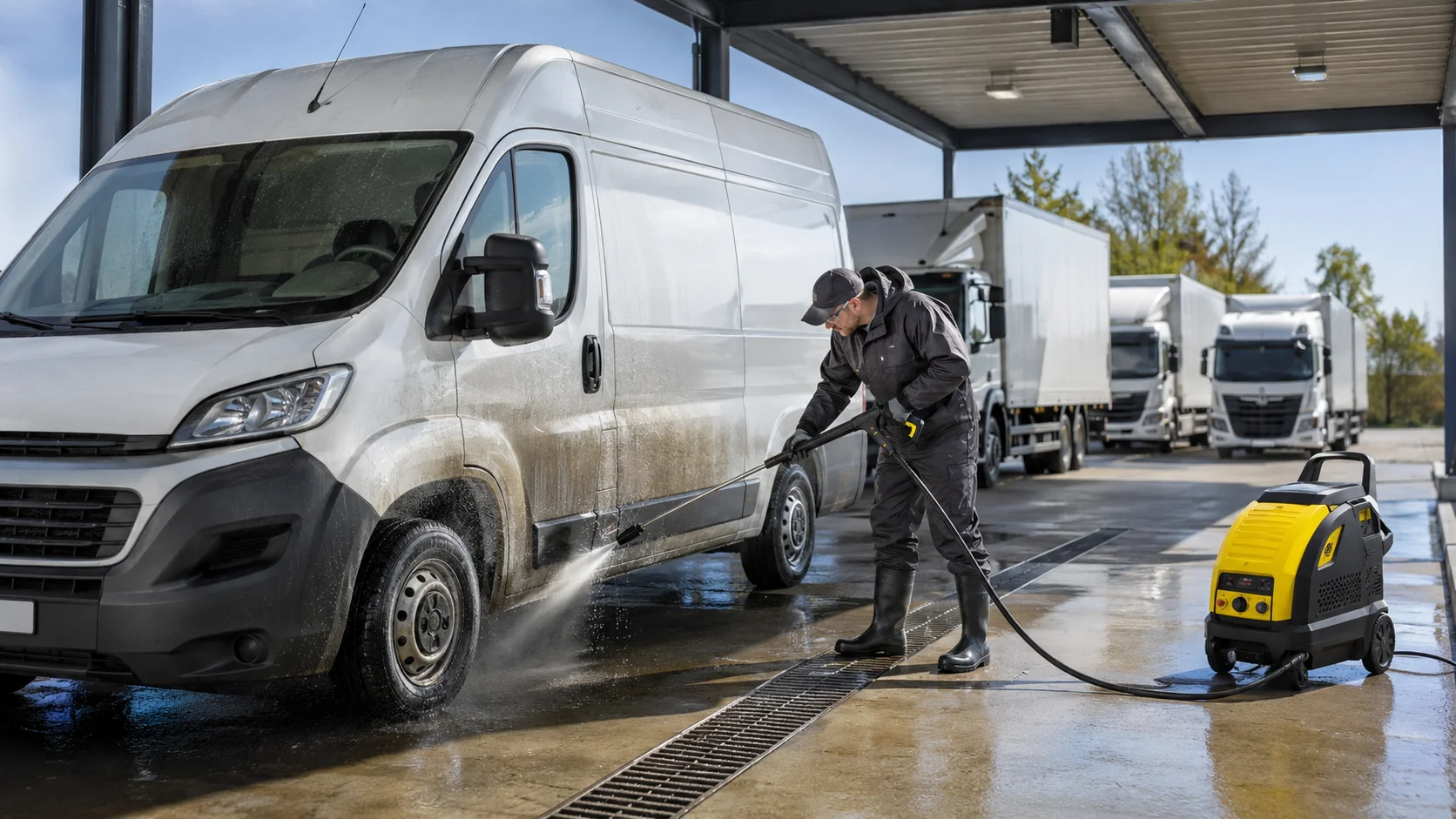
The pressure washer itself is only one part of an effective vehicle cleaning system. Accessories can affect cleaning speed, operator control, detergent application, and surface protection. Businesses can select pressure washer accessories based on the type of vehicles they clean and the cleaning tasks they perform.
Pressure Washer Foam Systems
Foam systems allow operators to apply detergent evenly across vehicle surfaces. The cleaning solution can help loosen dirt and road film before pressure rinsing, reducing the need to rely on aggressive pressure. Proper detergent application is especially useful for fleet operations because it can make routine cleaning more consistent across multiple vehicles.
Vehicle-Safe Nozzles
Nozzle selection affects the pressure and spray pattern delivered to the vehicle. A narrow spray can concentrate cleaning force in a small area, while a wider spray distributes water over a larger surface. For vehicle cleaning, operators should use an appropriate nozzle and maintain a safe distance from painted surfaces, trim, decals, glass, and other sensitive components.
Pressure Washer Hoses
Commercial hoses need to withstand frequent movement and repeated use. A durable hose can make it easier for operators to move around large vehicles while reducing interruptions caused by damaged or worn equipment. Hose length should also match the cleaning area. A suitable length can provide sufficient reach without creating unnecessary handling difficulties.
Spray Guns and Wands
Professional spray guns and wands give operators greater control during extended cleaning sessions. Ergonomic equipment can also make repetitive fleet washing more manageable for maintenance teams.
Detergents
Vehicle-safe detergents help loosen road film, grease, dirt, and environmental contaminants before rinsing. Using a detergent designed for the specific cleaning application can improve results while reducing the need for excessive pressure. Businesses should follow the detergent manufacturer’s dilution and application instructions and confirm that the product is appropriate for the vehicle surfaces being cleaned.
Step-by-Step Vehicle Cleaning Process Using a Commercial Pressure Washer
A consistent cleaning procedure helps dealerships and fleet operators achieve more uniform results while reducing the risk of surface damage.
Step 1: Inspect the Vehicle
Before washing, inspect the vehicle for damaged paint, loose decals, cracked components, exposed electrical connections, and other sensitive areas. Identifying these conditions before cleaning helps operators adjust their technique and avoid unnecessary damage.
Step 2: Apply Detergent
Apply a suitable vehicle-safe detergent to loosen dirt and road buildup. Allow the cleaning solution to work according to the product instructions rather than allowing it to dry on the surface.
Step 3: Start With Lower Pressure
Begin with moderate pressure and increase it only when necessary. Keeping the nozzle at an appropriate distance from the surface helps reduce the possibility of paint, trim, or decal damage.
Step 4: Wash From Top to Bottom
Cleaning from the top of the vehicle downward allows dirty water and loosened debris to move toward areas that have not yet been cleaned. This approach can also reduce the need to clean the same surface multiple times.
Step 5: Rinse Completely
Rinse away detergent, loosened dirt, and remaining debris. Pay attention to areas where cleaning chemicals can collect, including around trim, wheel wells, and other vehicle components.
Step 6: Dry and Inspect
After rinsing, inspect the vehicle for remaining dirt, detergent residue, or missed areas. Dry the vehicle using an appropriate method before returning it to service or placing it on a dealership display lot.
Common Mistakes When Choosing a Fleet Pressure Washer
Choosing the wrong pressure washer can reduce cleaning efficiency and increase equipment wear. Avoiding common mistakes helps fleet operators select equipment suited to their workload and cleaning needs.
Choosing Residential Equipment
Residential pressure washers are generally designed for occasional use rather than continuous commercial workloads. Using equipment that is not suited to fleet operations can lead to reduced productivity, premature wear, and more frequent interruptions. Businesses should consider expected cleaning frequency, daily operating hours, vehicle volume, and service requirements before selecting equipment.
Selecting Only Based on PSI
A high PSI rating does not automatically mean a pressure washer is the best choice. Cleaning performance also depends on GPM, water temperature, detergent, nozzle selection, and the specific application. A balanced system can often provide better results than a machine selected solely because it has the highest pressure rating.
Ignoring Water Temperature
Cold water can handle many routine vehicle cleaning tasks, but it may be less effective against heavy grease and oil. Fleet operators dealing with these contaminants should evaluate whether hot water equipment would be more appropriate for their cleaning workload.
Using Incorrect Accessories
Incorrect nozzles, hoses, spray equipment, or detergents can reduce cleaning efficiency and increase the risk of surface damage. Accessories should be selected according to the pressure washer and the vehicle cleaning application.
Maintenance Tips for Commercial Vehicle Cleaning Equipment
Regular maintenance helps commercial vehicle cleaning equipment remain reliable, reduce unexpected downtime, and deliver consistent cleaning performance during demanding fleet operations.
Inspect hoses and connections: Check regularly for leaks, wear, cracks, or other damage.
Check the pump: Look for unusual pressure changes, leaks, or signs of mechanical problems.
Clean filters: Follow the equipment manufacturer’s recommendations for filter cleaning.
Monitor fluid levels: Check oil and other required fluids on applicable pressure washer models.
Replace worn accessories: Replace damaged or worn nozzles, hoses, and other accessories when they affect performance or safety.
Store equipment properly: Protect pressure washers from extreme conditions and follow the manufacturer’s storage recommendations.
Follow a maintenance schedule: Regular maintenance can help identify problems early and reduce unexpected downtime.
When pressure loss, leaks, pump problems, or other equipment issues occur, pressure washer repair services can help businesses diagnose and resolve equipment problems.
Pressure King Inc supports businesses throughout New Jersey and New York with commercial Kärcher pressure washers, accessories, and equipment solutions designed for professional cleaning applications.
Conclusion
Choosing the right Kärcher pressure washer for car dealerships and fleet maintenance can help businesses maintain cleaner vehicles, improve cleaning efficiency, and reduce unnecessary labor. The right combination of PSI, GPM, water temperature, detergents, and accessories allows dealerships and fleet operators to develop a consistent cleaning process suited to their vehicles.
Before purchasing equipment, businesses should evaluate vehicle volume, cleaning frequency, contamination levels, available power, water supply, and the type of cleaning environment. A properly selected commercial pressure washer can provide the durability and performance required for regular automotive cleaning.
For short-term projects, seasonal workloads, or temporary vehicle cleaning requirements, businesses can also consider commercial pressure washer rentals instead of purchasing additional equipment.
For automotive businesses, transportation companies, and fleet operators in New Jersey and New York, Pressure King Inc provides commercial Kärcher pressure washers, hoses, accessories, and cleaning solutions designed for demanding professional applications. Selecting the right equipment can help businesses maintain their vehicles while supporting productivity and reliable day-to-day operations.
Frequently Asked Questions
What is the best Kärcher pressure washer for car dealerships?
The best Kärcher pressure washer depends on dealership size, cleaning frequency, available power sources, vehicle volume, and the type of contamination encountered. A dealership with a dedicated indoor wash area may have different requirements from a large facility cleaning vehicles outdoors.
What PSI pressure washer is best for fleet vehicles?
Many fleet vehicles can be cleaned effectively within a range of approximately 2,000–3,500 PSI, depending on vehicle type and contamination level. Operators should avoid assuming that higher pressure is always better and should follow appropriate vehicle cleaning practices.
Is hot water better for truck and fleet cleaning?
Hot water can be particularly useful for trucks and fleet vehicles exposed to grease, oil, road film, and heavy contamination. Heat can help break down oily substances and make difficult cleaning tasks more efficient.
Can pressure washers damage vehicle paint?
Yes. Excessive pressure, an incorrect nozzle, or holding the spray too close to the surface can damage paint and other vehicle components. Operators should use appropriate pressure, spray patterns, cleaning distance, and detergents.
Do commercial fleets need professional pressure washer equipment?
Businesses with frequent fleet cleaning requirements can benefit from commercial-grade equipment designed for repeated use. The appropriate system depends on fleet size, cleaning frequency, vehicle type, contamination, and the available operating environment.

Michael Adeniran is the CEO of Pressure King Inc. He has been dealing in commercial cleaning equipment for many years. He is one of the leading specialists and experts in commercial cleaning products.


