


Best Cleaning Detergents for Commercial Floor Scrubbers in New Jersey
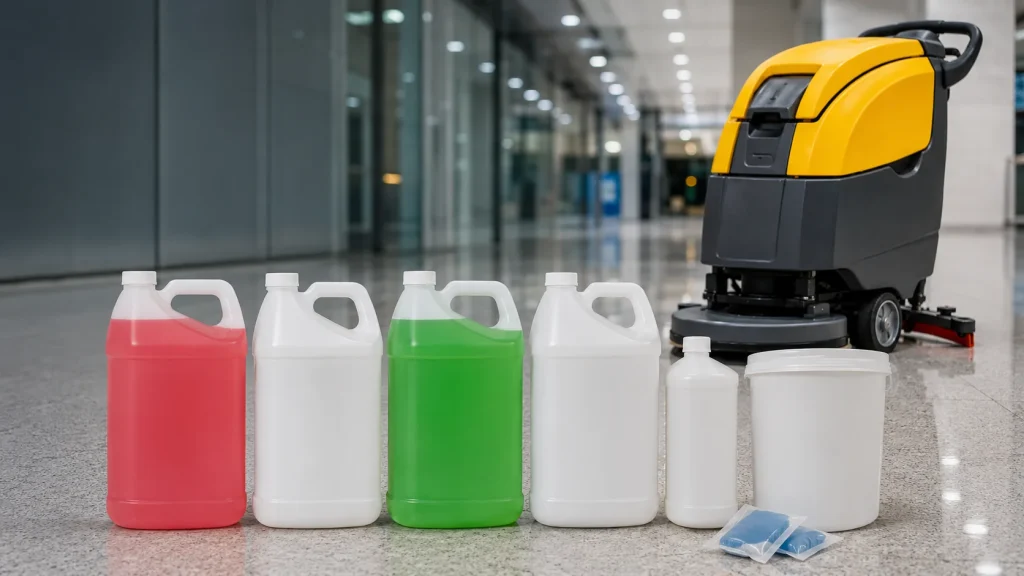
One of the most annoying things in the world is to see the floors left streaky, dirty, and lacking luster despite going through a complete wash cycle by the commercial floor scrubber. It is presumed that the equipment needs repair when the issue arises; however, the true culprit behind this problem might be the detergent placed in the solution tank.
It is not just the cleaning of dirt that determines the appropriate detergents to be used with commercial floor scrubbers; rather, the correct combination of both contributes towards effective protection of the floor surfaces and increases efficiency levels of cleaning, thus making facilities look better than ever before. At all warehouses, manufacturing plants, schools, hospitals, retail centers, and distribution centers in New Jersey, the use of an appropriate detergent is as equally critical as the selection of the appropriate floor scrubber. Companies such as Pressure King can assist organizations in achieving that goal.
Why the Right Floor Scrubber Detergent Makes a Bigger Difference
Commercial floor scrubbers are built to remove dirt, grease, dust, and spills efficiently. Still, even the best machine can’t perform well if it’s paired with an unsuitable cleaning solution. A detergent does much more than create foam or leave behind a pleasant scent. It breaks down oils, loosens stubborn dirt, suspends contaminants in water, and allows the scrubber to remove them from the floor instead of spreading them around.
Using a low-quality cleaner often creates unnecessary problems. Floors may require multiple cleaning passes, residue can build up over time, and operators may end up using more water and chemicals than necessary. Those extra costs add up quickly, especially in facilities that clean thousands of square feet every day.
Match the Detergent to the Floor, Not Just the Dirt
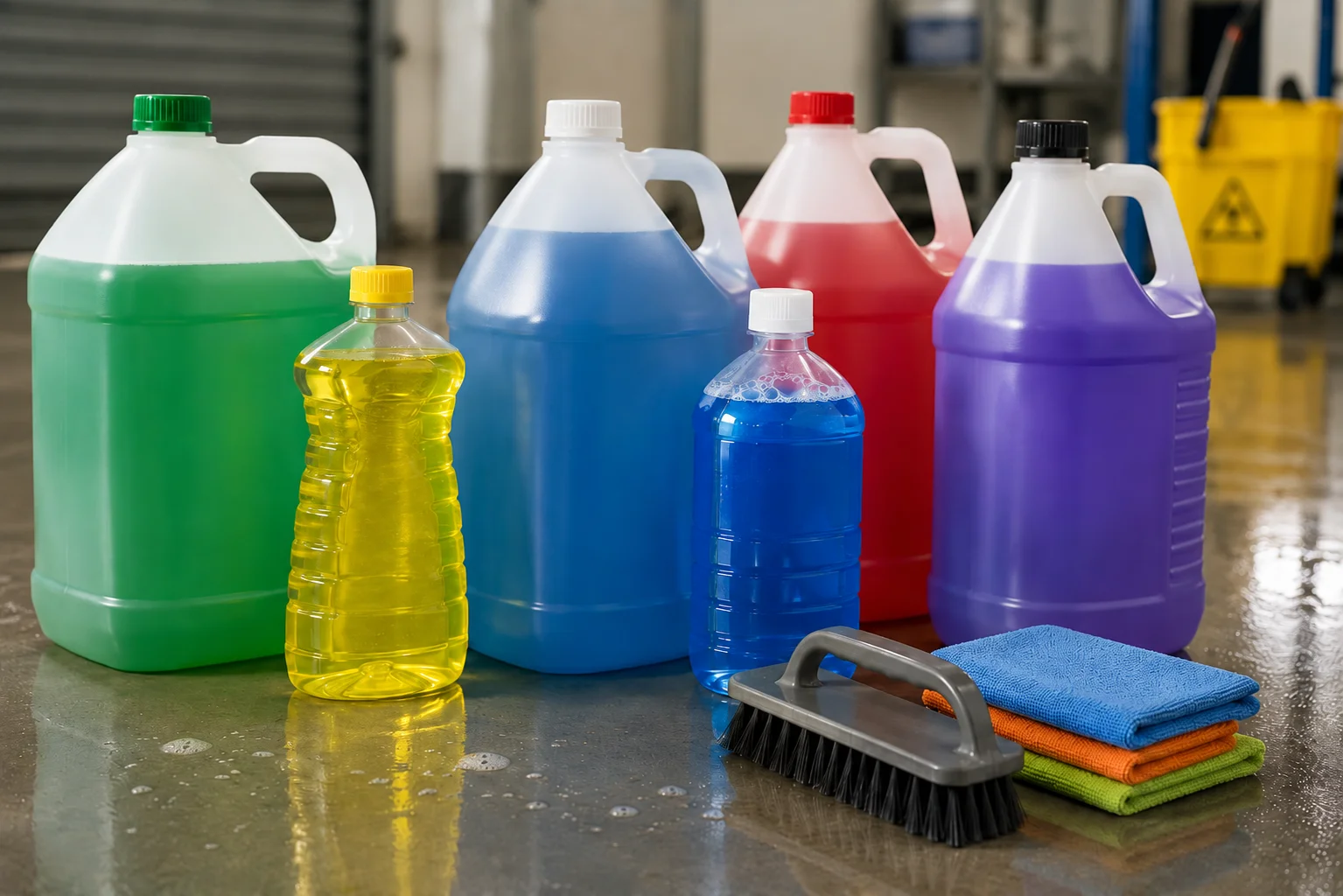
One mistake many businesses make is using the same detergent throughout the entire facility. While that may seem convenient, different flooring materials react differently to cleaning chemicals. Concrete warehouse floors, polished concrete, epoxy coatings, vinyl composition tile (VCT), terrazzo, ceramic tile, and sealed stone all have unique cleaning requirements.
For example, polished concrete needs a cleaner that removes dirt without damaging its finish. Epoxy floors require a detergent that cuts through grease while protecting the coating. VCT flooring performs best with neutral-pH cleaners that preserve the floor’s protective finish. Choosing a detergent designed for your specific flooring helps maintain appearance while reducing long-term maintenance costs.
Different Types of Commercial Floor Cleaning Detergents
Not every cleaning solution serves the same purpose. Some are designed for everyday maintenance, while others tackle heavy industrial soils.
Neutral Floor Cleaners
Neutral detergents are commonly used for cleaning buildings. They get rid of light dirt without damaging the finish on the floors. Schools, offices, healthcare facilities, hotels, and retail stores use detergents every day to keep things clean.
Heavy-Duty Degreasers
Industrial buildings, warehouses, automotive garages, and food processing plants commonly have oil, grease, and industrial waste on their floors. The industrial degreasers are made for breaking down these contaminants very efficiently. They aid in cleaning the tough soils using the floor scrubber systems.
Low-Foam Detergents
Floor scrubbers that are meant for commercial use rely heavily on their recovery systems for effective collection of dirty water. However, high-foam cleaning solutions may hinder vacuuming effectiveness by causing delays in recovery and lowering cleaning effectiveness. Low-foam detergents are specially made for use with automated scrubbers.
Common Cleaning Challenges Across New Jersey Facilities
Every facility has unique cleaning requirements, and the type of dirt or residue can vary significantly from one industry to another.
- Distribution warehouses: Forklift tire marks, dust, and pallet debris.
- Supermarkets and retail stores: Food spills, beverage stains, and constant foot traffic.
- Manufacturing plants: Oil, grease, metal dust, and industrial residue.
- Healthcare facilities: Strict sanitation needs while protecting sensitive flooring.
- Schools and universities: Dirt tracked in by students, hallway traffic, and occasional spills.
Signs You’re Using the Wrong Detergent
Many cleaning issues develop gradually, making them difficult to notice at first. If you regularly experience any of the following, your detergent could be the problem:
- Floors still look dirty after scrubbing.
- Sticky residue appears after the floor dries.
- Water recovery becomes less efficient.
- Operators need multiple cleaning passes.
- Brushes and pads wear out faster than expected.
- Chemical consumption keeps increasing without better results.
Why Proper Dilution Matters More Than Adding Extra Chemical
There is a common perception that the higher the level of detergent in use, the better the cleanliness of the floor. An overly concentrated cleaning solution results in the deposition of residues, attracting dirt, prolonging rinse time, and wasting money on expensive chemical solutions.
Most cleaning products used professionally come with instructions on how to use them in certain dilution rates. Using the product according to its instructions not only ensures that there is consistency in the results obtained but also increases the lifespan of the equipment being used.
Choosing Detergents for Different Industries
Cleaning priorities vary from one facility to another. A detergent that works well in a retail store may not perform the same way in a warehouse or manufacturing plant.
Warehouses and Distribution Centers
Big warehouses usually have problems with tire marks, pallet mess, dust, and a little bit of grease. They use cleaners that do not make a lot of foam and don’t leave residue behind. This helps keep the floors safe to walk and drive on. It also helps clean the warehouses more efficiently.
Manufacturing Facilities
Industrial settings often call for more robust degreasers to clean away cutting fluids, lubricants, and other industrial grime. Selecting degreasers that work well with floor scrubbers allows you to keep your industrial areas clean without harming any concrete floors.
Healthcare Facilities
Hospitals and medical centers need cleaners that keep everything clean and do not damage the floors. They use cleaners that are not too strong and do not leave residue. They use these neutral-pH, low-residue detergents to keep their floors safe and clean.
Floor Cleaning Solutions for Restaurants and Commercial Kitchens
Restaurants and commercial kitchens face tough times keeping their floors clean. You see, grease, cooking oils, and food spills all make a mess on the floor. With so many people walking around, it gets dirty. This makes the floor very slippery. It is hard to clean it every day. If you do not clean up all the grease and food spills, it can create hygiene problems at the restaurants and commercial kitchens.
A low-foam cleaner designed for commercial floor scrubbers is usually the best choice. It breaks down grease effectively without creating excess foam that can reduce the machine’s vacuum performance. Regular cleaning with the right detergent keeps kitchen floors clean, safe, and ready for daily operations. It also helps improve cleaning efficiency while reducing the risk of slips and falls.
Eco-Friendly Detergents Are Becoming a Smarter Choice
Businesses in New Jersey are going for eco-friendly floor cleaning detergents. This is because they want to reduce the harm to the environment. They do not want to compromise on how clean their floors are, though. New eco-friendly formulas are good at getting rid of dirt and grease and all the dirt that builds up every day. These formulas are also safer for the people who work there and for the environment. They do not leave residue behind. The floors stay clean for a longer time. The air inside the building also gets clean.
How the Right Detergent Protects Your Floor Scrubber
A commercial floor scrubber represents an expensive asset. To make sure that it remains in good working order, one needs not only to perform regular maintenance but also to use the proper cleaning solution.
The use of chemicals may result in nasty residue being left in the tanks, hoses, filtration systems, and floor-cleaning systems themselves. Over time, such residues may accumulate in these systems. This is not good since they affect the performance of the machine negatively. making them inefficient and requiring more costs to maintain them. Choosing the cleaning agents that help improve the efficiency of the machines.
Regular maintenance also plays an important role. Flushing the solution tank with clean water, cleaning the recovery tank, and inspecting filters after use helps prevent chemical buildup and keeps the machine ready for the next shift.
A Practical Example from a New Jersey Warehouse
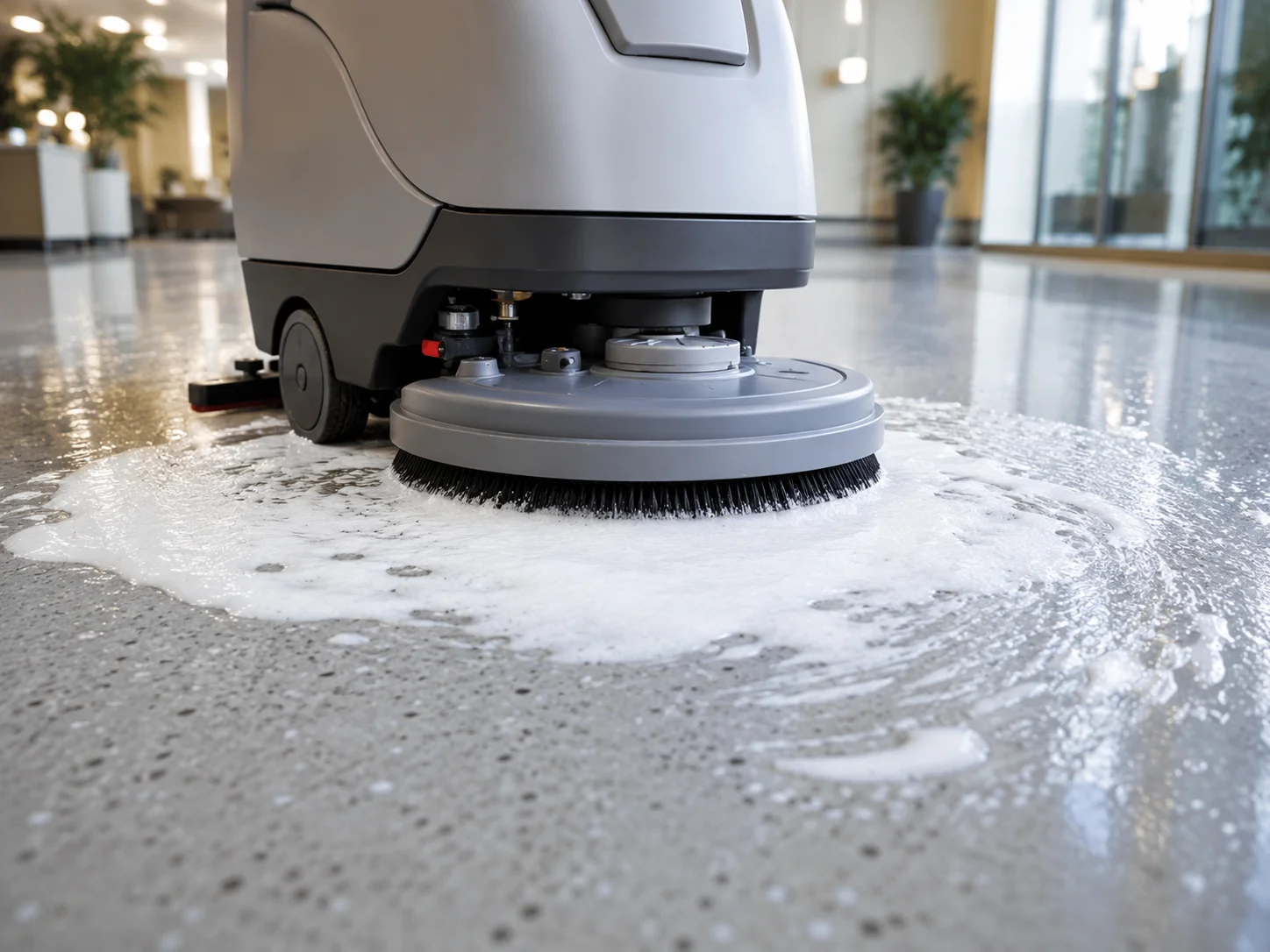
A distribution center in northern New Jersey cleaned nearly 90,000 square feet of warehouse space every evening. The cleaning crew noticed that tire marks remained visible even after two cleaning passes, and operators were adding extra detergent, hoping it would solve the problem.
After reviewing the cleaning process, they switched to a professional low-foam industrial degreaser designed for automatic floor scrubbers and adjusted the dilution ratio according to the manufacturer’s recommendations. Within a week, most tire marks were removed in a single pass, chemical consumption dropped noticeably, and operators finished their nightly cleaning schedule nearly an hour earlier.
Should You Buy Generic or Professional Floor Cleaning Chemicals?
Using cleaners might save money, especially for big places that need cleaning at a large scale. The thing is, cheaper products do not always clean or protect the equipment as well as other products do. Generic cleaners are not always the best choice because they can be harmful for the equipment.
Commercial floor scrubbers use cleaning liquids. These liquids do not make a lot of bubbles. They rinse off easily. They are made to work with automatic cleaning machines. The cost of these liquids might be a bit higher when you first buy them. They can help you use less cleaning liquid overall, clean the floors better, and save money on maintenance costs over time.
For facilities that clean large areas every day, the long-term value usually outweighs the initial purchase price. If your facility isn’t ready to purchase equipment outright, a floor scrubber rental can be a practical way to test the right machine and detergent pairing before committing.
Finding the Right Cleaning Equipment and Chemical Supplier
Choosing the correct detergent is not the entire process. Working with an experienced equipment vendor can help organizations choose appropriate cleaning agents for their floors based on their schedule and facilities’ needs.
A knowledgeable supplier can recommend compatible detergents, floor scrubbers, brushes, pads, replacement parts, and maintenance practices that improve overall cleaning performance. Companies such as Pressure King support businesses across New Jersey with professional floor care equipment and industry expertise, helping customers choose solutions that deliver reliable results in demanding commercial and industrial environments.
Conclusion
Maximizing the efficiency of a commercial floor scrubber doesn’t depend on using the most modern technology alone. The detergent that is used every day influences significantly the result of cleaning, the function of equipment, maintenance costs, and the condition of the floor.
The process of selecting the right detergent according to the flooring materials and soils is important, as it can make a significant impact. When used along with quality equipment, proper maintenance, and correct cleaning procedures, professional floor cleaning detergents allow businesses in New Jersey to keep their facilities clean and efficient for many years to come.
FAQ’s
What type of detergent should I use in a commercial floor scrubber?
Always use a low-foam detergent specifically designed for automatic floor scrubbers. These products clean effectively without creating excess foam that can reduce the machine’s vacuum performance.
Can I use regular floor cleaner in a floor scrubber?
It’s not recommended. Household or general-purpose cleaners often create too much foam and may leave residue behind, affecting both cleaning results and machine performance.
How do I choose the right detergent for my facility?
Consider the type of flooring, the kind of dirt or grease you’re removing, and how frequently the floors are cleaned. Neutral cleaners are suitable for routine maintenance, while industrial degreasers are better for heavy-duty environments.
Do eco-friendly floor cleaning detergents work as well as traditional chemicals?
Yes. Many professional eco-friendly detergents provide excellent cleaning performance while producing less residue and supporting environmentally responsible cleaning practices.
Where can businesses in New Jersey buy commercial floor scrubber detergents?
Businesses can purchase professional cleaning detergents, floor scrubbers, replacement parts, and maintenance supplies from experienced commercial cleaning equipment suppliers such as Pressure King, which serves industrial and commercial facilities throughout New Jersey.

Michael Adeniran is the CEO of Pressure King Inc. He has been dealing in commercial cleaning equipment for many years. He is one of the leading specialists and experts in commercial cleaning products.


