


Can You Vacuum Glass? Safe Cleanup Tips and Smart Alternatives Using Professional Vacuums

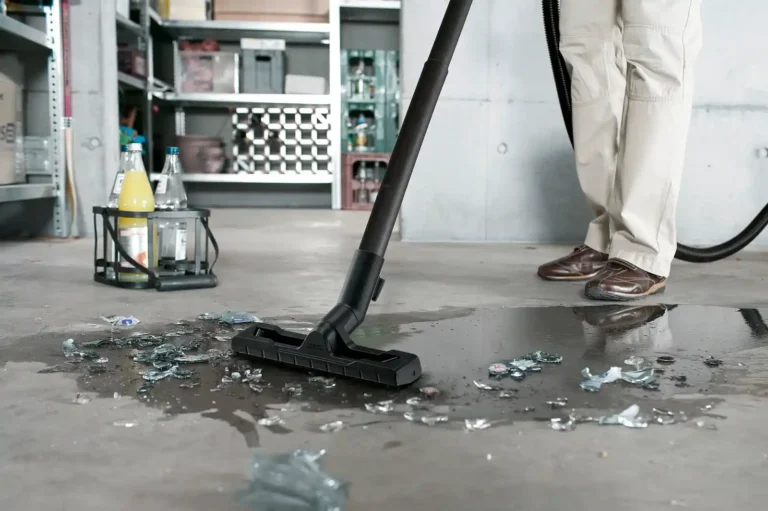
Glass on the floor may make a simple cleaning job a question of life and death. Sharp pieces of glass may be lodged in the carpets, under the corners, or ingrained in the floor covering, whether it is a broken window, glass, or a broken light bulb.
People also ask the question, can you vacuum broken glass? The answer is no with your home vacuum. Nevertheless, the long-term solution unveils intelligent professional solutions that are safe, efficient, and clean, particularly for business premises and professional house cleaners.
This article will discuss the proper manner of how to clean up glass, the hazards of using ordinary cleaners, and how traditional floor cleaning equipment, such as industrial vacuums can be used to cover this problem.
When deciding whether you can vacuum glass, the type of equipment and the size of the fragments are important. Large and sharp pieces should always be collected manually. A suitable commercial or wet/dry vacuum may only be considered for the remaining fine particles when its manufacturer confirms that the machine can handle this type of debris.
Key Takeaways
- A regular household vacuum should not be used to collect large or sharp pieces of broken glass.
- Large fragments should be removed with cardboard, thick paper, a broom, or a dustpan before any vacuum is considered.
- Tape and damp paper towels can help collect tiny glass particles left on hard floors and carpets.
- Commercial or wet/dry vacuums should only be used when they are designed and approved for collecting this type of debris.
- The cleaned area should be inspected with a bright light and checked again after one or two days.
Understanding the Risk: Why You Should Never Use a Regular Vacuum for Glass
It is important to have an idea of what not to do before getting into what to do. You can be tempted to use your vacuum cleaner at home when you come across glass pieces on the floor surface but this may only cause more damage than good.
Here’s why:
- Damage to Internal Components: With small and sharp glass, the vacuum hoses may be punctured, internal plastic may be broken, or the fan blades may be destroyed internally.
- Filter and Bag Contamination: Even if you manage to pick up the pieces, tiny glass dust can clog filters, reducing suction and airflow.
- Safety Hazards: The pieces of glass may be hurled back out through the exhaust or the hose with possible injury.
The next time you find yourself asking the question, Can I vacuum glass? Then it is important to remember that the old-fashioned vacuums are not designed to vacuum glass. You require equipment meant to be durable and have mechanisms of containment, such as professional-level vacuum cleaners in a cleaning business.
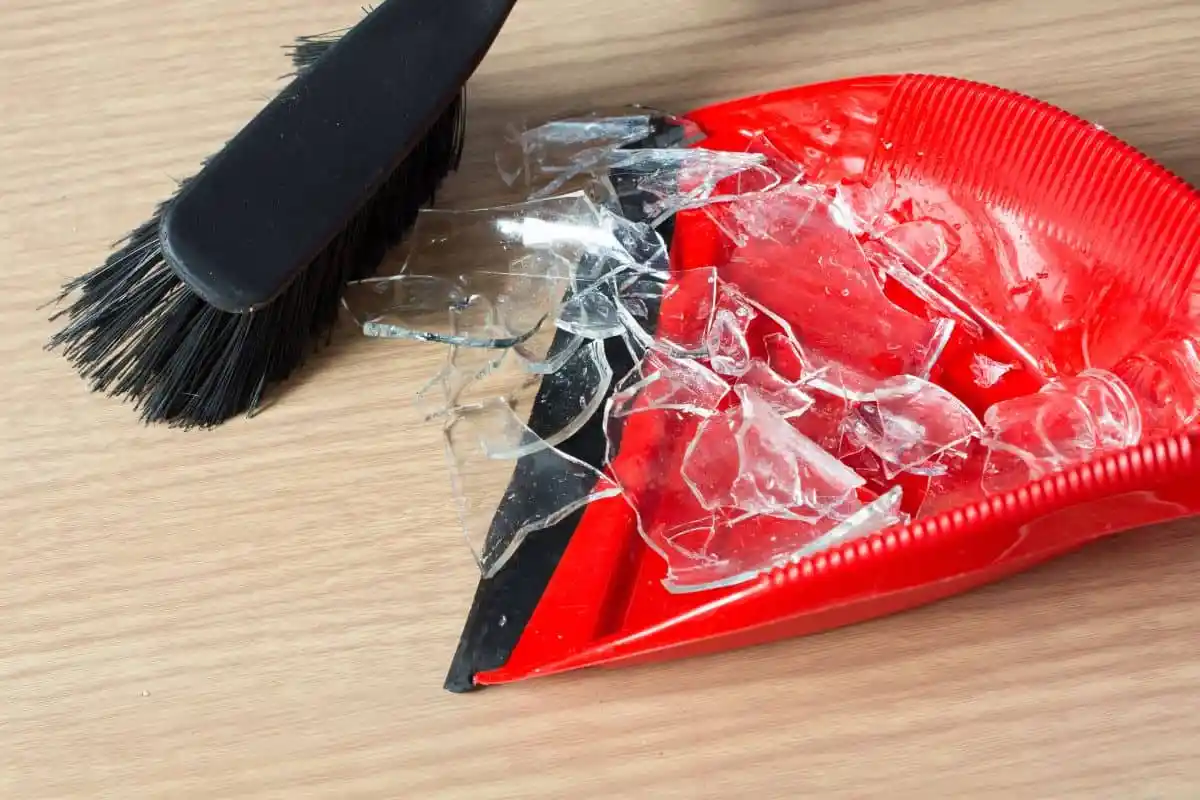
Step-by-Step: How to Clean Up Broken Glass Safely
Removing the broken glass on the floor surfaces is a job that needs to be done cautiously, with the right tools, and in an orderly manner to avoid being hurt and leave no piece of glass behind. It could be an accident of a dropped glass, a broken light bulb, or a broken window, but these steps will ensure that you are safe and also that any cleanup is efficient.
Step 1: Protect Yourself
Safety is of utmost importance before handling any glass. Wear heavy gloves, preferably cut-proof, to avoid cuts. Shoe covers keep your feet safe, and goggles help to cover your eyes without injuries in case of falling shards of tiny size. This is the initial law of safely working with glass with broken glass.
Step 2: Pick Up Large Pieces First
Carefully remove the largest shards using a dustpan, cardboard, or thick paper. Never pick up sharp glass with your bare hands. Work slowly and systematically, starting from the edges of the spill and moving toward the center.
Step 3: Use a Damp Cloth or Paper Towel for Smaller Shards
After getting the large pieces away, wipe the area. Stroke a wet paper towel or cloth over the area to collect smaller shards. The wetness makes the glass stick to the towel so that it is not scattered or scratched on surfaces.
Step 4: Use Tape to Collect Tiny Fragments
Even after being manually cleaned, microscopic shards can still be had. Use press duct tape, masking tape, or packing tape to cover the damaged part to access the pieces. Keep on with the new tape until there is no more glass.
Step 5: Vacuum With Proper Equipment
In case you have to get rid of tiny particles on the carpets or corners, then grab a commercial vacuum cleaner that is meant to work on debris. Do not use regular household vacuums, which also might be destroyed by shards. Metal tubing industrial vacuuming is safe to remove small fragments, and it does not clog up or break down.
Step 6: Dispose of Glass Safely
All the acquired glass must be packed into a well-built container or heavy cardboard/newspaper wrap before all is disposed. The package must be well labeled such that none of the people who play with the trash is hurt.
Step 7: Inspect and Repeat if Necessary
Inspect the area with a bright light after cleaning it. Proceed with the process of moist cloths and tapes in case of carpets. Hard floors and the universal ones can be wiped once more to ensure that there is no residue left in the shape of shards.
These steps will help you to clean broken glass without exposing yourself to potential injury or damage to equipment. Using the right commercial vacuum cleaners in addition to manual techniques guarantees that there is a complete professional level of clean up.
What Should Be Used to Pick Up Broken Glass?
You should never rely on regular vacuums for glass cleanup. Instead, use the following safe options:
- Broom and Dustpan: Basic but effective for large fragments.
- Cardboard or Thick Paper: Ideal for scooping up sharp pieces.
- Damp Cloth or Bread Slice: Gentle and absorbent for micro-fragments.
- Heavy-Duty Commercial Vacuums: Built with reinforced hoses and metal interiors that can handle debris without damage.
The type of vacuum cleaners that professional cleaning crews usually use is the industrial type, the one that Pressure King sells in the floor cleaning machines, which are of durable construction and have a superior system of filtration. The vacuums are safe since they pick up waste, dust, and even dangerous chemicals on a construction site or a factory floor.
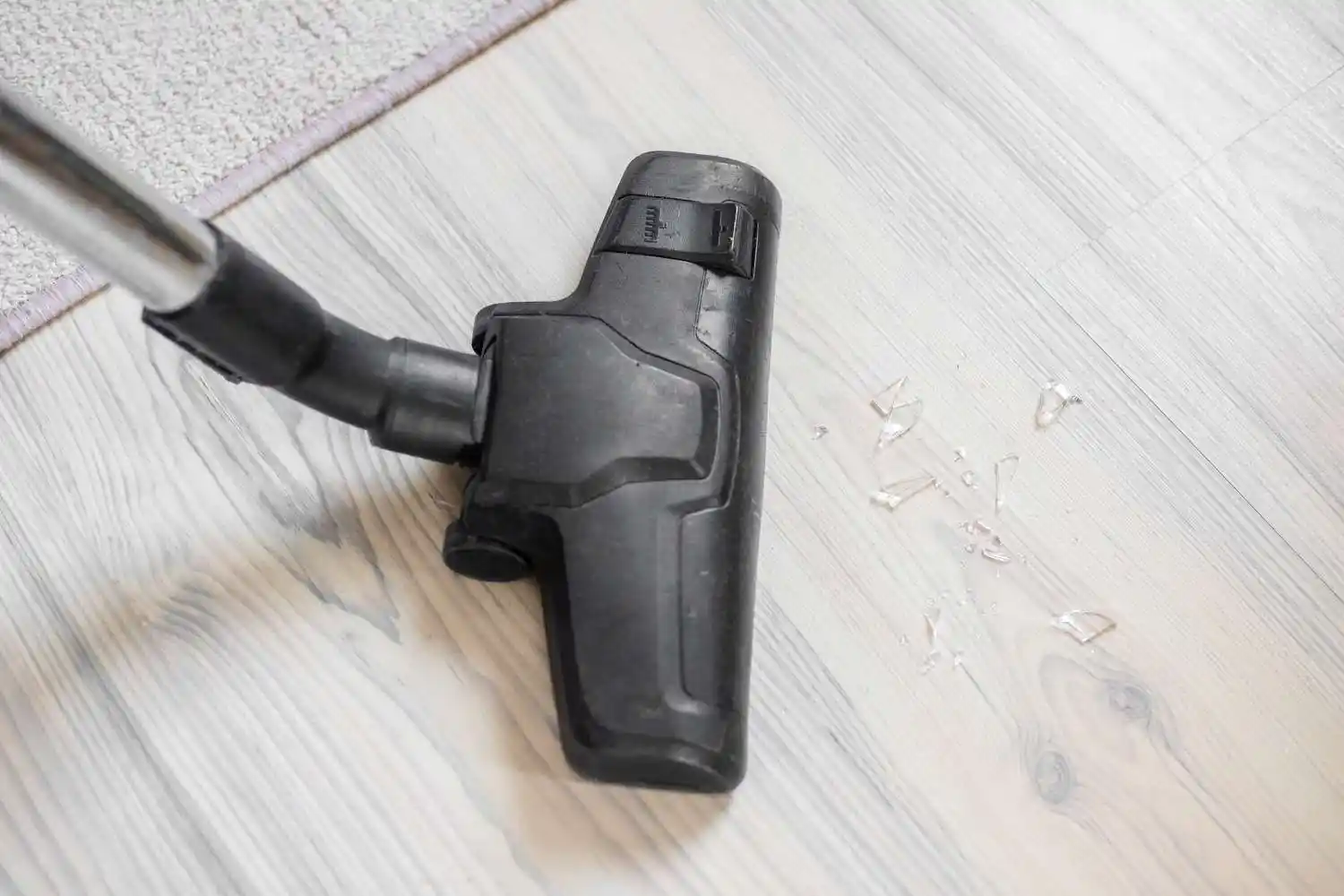
Can You Vacuum Glass with a Commercial Vacuum?
Now, this is where the conversation changes.
If you’re using high-performance commercial vacuum cleaners, the answer can sometimes be yes, you can vacuum glass, but with caution.
These machines are not your everyday vacuums. They’re built for heavy-duty cleaning, often featuring:
- Reinforced metal tubing and nozzles.
- Industrial-grade suction power.
- Specialized collection tanks or filters.
- Easy-to-clean hoses that resist damage.
Thus, although it is not recommended to vacuum big glass pieces, a commercial vacuum can be used to clean up any leftoverfine debris and glass dust without any harm to the vacuum after manual clearing of the area.
In simple words, clean it with your hand and then vacuum it using proper equipment.
How to Vacuum a Floor After Glass Cleanup
Once the main glass pieces are removed, you can use a commercial-grade vacuum for final cleaning. Follow these steps for the best results:
- Attach the Right Nozzle: Use a wide-floor tool with metal reinforcement.
- Start from the Edges: Glass often hides in corners and baseboards.
- Go Over Twice: The first pass collects visible debris; the second ensures tiny dust and shards are gone.
- Check the Filter: Clean or replace filters after each glass cleanup session.
This approach ensures thorough, safe cleaning without risking equipment damage or reintroducing hazards.
Can I Vacuum Glass with a Wet/Dry Vacuum?
If you own a wet/dry vacuum, you’re in luck; this is one of the few types of vacuums that can handle glass safely.
Wet/dry vacuums are designed with:
- Durable tanks that resist punctures.
- Metal hoses that don’t tear easily.
- High-capacity filters for dust and debris.
Still, you should only use them after manually removing large shards. Always inspect the hoses and tank afterward to make sure no sharp fragments remain.
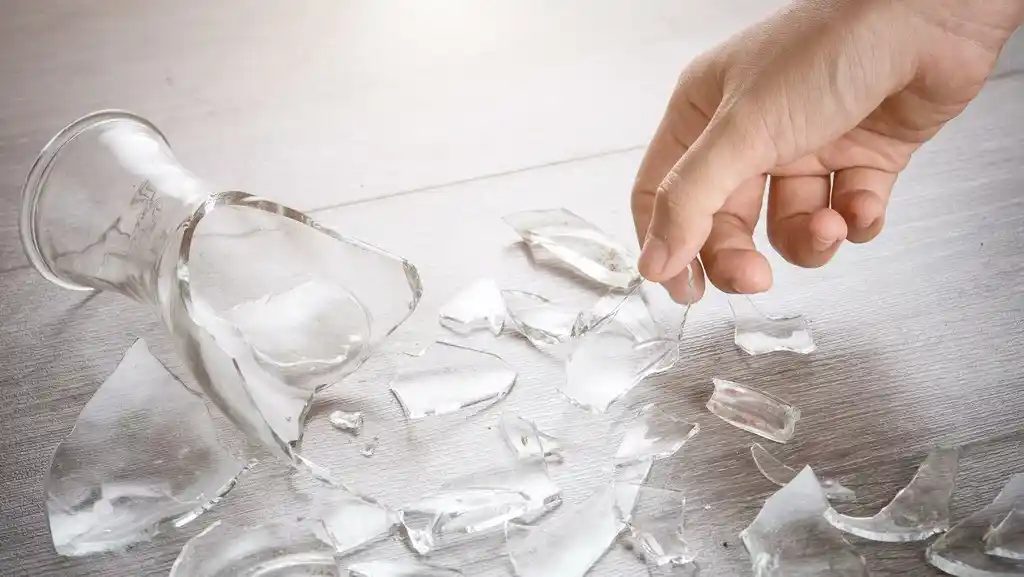
How Often Should You Vacuum After Glass Breaks?
If you’ve experienced a glass breakage, vacuuming once isn’t enough. Here’s how to stay safe:
- Immediately: Clean up all visible shards and vacuum residue once.
- After 1–2 Days: Re-vacuum the area to catch missed pieces that may have shifted or dislodged.
- Weekly Cleaning: Continue regular vacuuming to ensure full removal over time.
This routine minimizes injury risks, especially in busy environments like restaurants, schools, or offices.
Why Industrial Vacuums Are Safer and More Effective
There is a reason why professional cleaning businesses use industrial vacuum cleaners, they are designed to work with any type of debris, including tiny particles of glass, without being damaged.
Here’s what makes them ideal:
- Long-lasting Structure: Metal tanks and reinforced hoses withstand sharp objects.
- Strong Suction: Clean even fine glass dust and dirt.
- High Quality Filtration: Makes the air clean and eliminates glass particles.
- Ease of Maintenance: When the containers are easy to empty, then the chances of exposure are reduced.
Professional-grade floor cleaning machines at Pressure King are built to meet the real-life situations such as glass cleaning, industrial dusting, and maintenance of commercial facilities.
What Should Be Used to Pick Up Broken Glass on Different Surfaces
The broken glass in floor areas will have to be handled differently on each surface:
- Hard Floors (Tile, Vinyl, Concrete): A broom and dustpan, then a damp mop or heavy-duty vacuum.
- Carpets or Rugs: You should apply your hand to pick up large pieces of shards, then apply a commercial vacuum to extract deep debris.
- Wood Floors: Do not drag glass; pick it up with a piece of tape or paper and then vacuum carefully so as to avoid scratches.
The selection of an appropriate cleaning technique can ensure that there is no damage or glass on the surface.
Common Mistakes to Avoid During Broken Glass Cleanup
Several cleanup mistakes can spread glass fragments, damage cleaning equipment, or expose other people to injury. The affected area should remain closed until every visible and hidden piece has been removed.
- Using bare hands: Even large pieces may have nearly invisible sharp edges.
- Vacuuming large shards immediately: Sharp fragments may puncture hoses, damage filters, or break internal components.
- Walking through the area: Shoes can carry small glass pieces into other rooms.
- Using a thin trash bag: Glass may cut through the plastic and injure anyone handling the waste.
- Dragging glass across the floor: Moving shards can scratch wood, vinyl, tile, and other finished surfaces.
- Leaving the vacuum unchecked: Any equipment used during cleanup should be inspected and emptied carefully afterward.
Following a controlled cleanup sequence reduces these risks. First isolate the area, then collect large fragments, remove smaller pieces, inspect the surface, and dispose of the glass in a rigid or properly reinforced container.
Broken Glass Cleanup Checklist for Commercial Properties
Commercial properties require additional control because employees, customers, students, residents, or visitors may enter the affected area. A simple cleanup checklist helps staff respond consistently and document the incident when necessary.
- Restrict access to the affected area.
- Place visible warning signs around the spill.
- Wear cut-resistant gloves, protective footwear, and eye protection.
- Collect large fragments with a dustpan, cardboard, or another rigid tool.
- Use tape or a damp disposable towel for smaller shards.
- Use appropriate commercial vacuum cleaners only after large pieces are removed.
- Inspect nearby furniture, corners, baseboards, and floor joints.
- Place collected glass in a rigid, labeled container.
- Inspect and clean all equipment used during the process.
- Recheck the area before allowing normal access.
Businesses should also follow their workplace safety procedures and incident-reporting requirements. Glass from windows, fixtures, laboratory equipment, or contaminated containers may require additional precautions or specialized disposal.
When to Use Professional Glass Cleanup Services
Professional assistance may be appropriate when glass covers a large area, enters deep carpet fibers, spreads through a busy commercial property, or comes from windows and fixtures positioned above floor level. Cleanup may also require specialist support when the glass is mixed with chemicals, biological material, construction waste, or other hazardous substances.
Trained cleaning teams can isolate the area, select suitable tools, and use industrial vacuum cleaners or other floor cleaning machines according to the surface and debris involved. However, the provider should confirm that its equipment is rated for the material rather than assuming every industrial machine can safely collect glass.
Professional support can be particularly helpful in restaurants, schools, offices, factories, warehouses, medical facilities, and public buildings where incomplete cleanup may place many people at risk.
Final Inspection Before Reopening the Area
The cleanup process should not end immediately after the visible glass has been removed. Small fragments can remain beneath furniture, inside carpet fibers, along baseboards, between floorboards, and in nearby walkways.
Use a bright light at a low angle to inspect the entire area. Check from several directions, and repeat the tape, damp-cloth, or suitable vacuuming process when reflective fragments remain visible. Inspect the soles of protective footwear and any tools used during cleanup so they do not transfer glass elsewhere.
In commercial settings, a second person can complete an independent inspection before barriers and warning signs are removed. This final check helps confirm that the space is ready for safe use.
Final Thoughts
Dealing with broken glass on the floor does not have to be stressful and hazardous. It is possible to keep track of a good, risk-free cleaning process by means of the right techniques and professional cleaning tools.
Can you vacuum glass? Or, can you find out how to clean up broken glass? Here is the first rule: safety first, quality equipment second.
And to those in New York or New Jersey in need of durable and high-performance cleaning machines, such as industrial vacuums, Pressure King offers the machines that will offer reliability, safety, and professional quality outcomes regardless of the cleaning task.
Frequently Asked Questions (FAQs)
Are Kärcher wide area vacuums suitable for carpets and hard floors?
Yes, the Kärcher wide area vacuum is easy to maneuver between carpeted and hard surface floors. It guarantees a thorough cleaning of the carpets, and the non-destructive removal of dust and debris on the tiles, concrete and wood floors.
Do you provide delivery and service in New Jersey and New York?
Yes. Pressure King boasts about serving New York and New Jersey and can deliver timely services to install and offer total maintenance of the commercial wide area vacuum cleaners so that you have the best service of your equipment at all times.
Can you clean up glass with a vacuum?
You may not use a normal vacuum to clean glass. Glass pieces may also cut through the inside of the vacuum or cut the hose. Rather, wipe with a strong filter shop vac or sweep off bigger debris, then vacuum smaller debris.
Is it better to vacuum or sweep glass?
Firstly, it is safer to sweep glass with the help of a broom and dustpan. Vacuuming may result in sharp pieces left that damage the vacuum or shatter shards. Sweep away and then wipe any minute glass particles away with a damp cloth or paper towel.
What is the best way to clean up broken glass?
Start by wearing gloves and removing large shards with cardboard or thick paper. Sweep up smaller pieces, then use duct tape or a damp towel to collect fine bits. Dispose of glass safely in a rigid container, never directly in trash bags
Can you put glass in a vacuum cleaner?
No, you should never put glass directly in a vacuum cleaner. The sharp edges may damage hoses, destroy motors, or block filters. Collecting large pieces of glass is always done by hand, then vacuuming the fine pieces.
Can you put glass in a vacuum cleaner?
No, you should never put glass directly in a vacuum cleaner. The sharp edges may damage hoses, destroy motors, or block filters. Collecting large pieces of glass is always done by hand, then vacuuming the fine pieces.
Can you vacuum broken glass from carpet?
Large glass pieces should be removed manually with suitable protective equipment before any vacuum is used. Afterward, tape, careful inspection, and an appropriately rated commercial or wet/dry vacuum may help remove smaller fragments embedded in carpet fibers.
What should be used to pick up broken glass safely?
Use cut-resistant gloves, a broom and dustpan, cardboard, thick paper, tape, and damp disposable towels. Place the collected pieces in a rigid container. A suitable commercial vacuum cleaner should only be considered after the larger shards have been removed.

Michael Adeniran is the CEO of Pressure King Inc. He has been dealing in commercial cleaning equipment for many years. He is one of the leading specialists and experts in commercial cleaning products.


