

Heavy-Duty Pressure Washers for Construction Site Cleaning

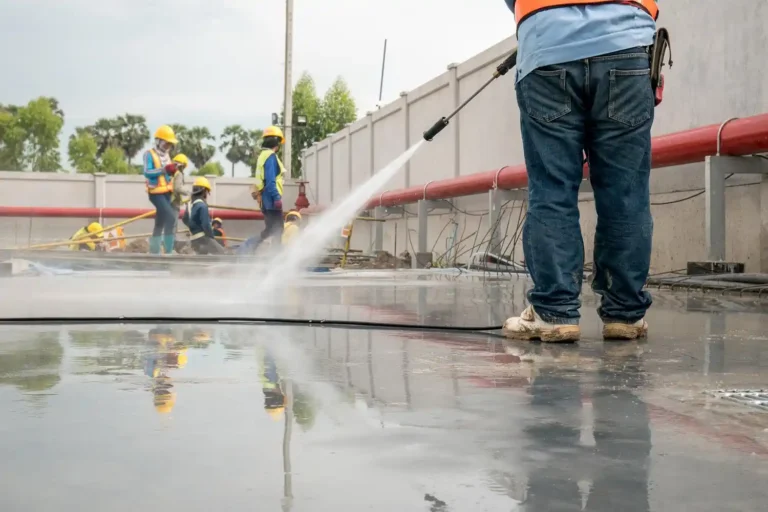
Key Takeaways
- Choose heavy-duty equipment for tough jobsite messes.
- Match PSI and GPM to the cleaning task.
- Use hot water for grease, oil, and fluids.
- Prioritize rugged, portable equipment for jobsites.
- Use proper accessories and follow safety practices.
Keeping a job site clean is essential not just for appearance but for safety, productivity, and following health and safety rules. Clean and organized job sites not only help prevent slips and falls but also prevent damage to equipment and keep debris out of the way of the work process.
Construction sites across New Jersey and the U.S. face increasing pressure to maintain cleaner and safer working environments while meeting project deadlines. Investing in a commercial pressure washer for construction projects helps contractors remove stubborn debris efficiently, improve worker safety, and reduce equipment maintenance costs throughout every phase of construction.
Many things can accumulate and pose hazards to workers, as well as create unsafe working conditions, such as dust, mud, concrete splatter, or leftover adhesives. Keeping the area clear with regular cleanups and the proper tools can be tough to manage in a remote location.
However, even everyday cleaning and maintenance tools often fail to do the job; many struggle to remove heavy stains from concrete, asphalt, or other stubborn grime.
Proper methods of cleaning typically involve a lot more time, manually scrubbing or scraping, and using specialized tools. The amount of time spent unclogging the work process could be spent managing further aspects of the job.
A heavy-duty commercial pressure washer delivers the cleaning power needed to remove hardened concrete residue, grease, mud, and construction debris without relying on labor-intensive manual cleaning. For contractors managing multiple projects, using industrial pressure washing equipment also helps protect expensive machinery, maintain professional-looking job sites, and improve overall operational efficiency.
This is where a heavy-duty pressure washer commercial model is your best friend. It offers the power and force to demolish old debris and get you where you want to be with jobsite cleanup on a day-to-day basis. Having a reliable construction site pressure washer allows your crews the ability to take charge of the job, with a cleaner and safer workspace, cleaner production, and all while keeping on schedule.
Common Types of Construction Site Messes
Construction sites often gather large amounts of waste and debris regularly due to ongoing work and material use, which piles up each day. Below are some of the consulting artifacts, and why they need to be using powerful tools to clean up later.
Concrete Spills and Splatter
When pouring wet concrete, it can spill easily. As a result, it can dry fast and stick to everything from your floors to your walls to your tools. When concrete hardens, it is very difficult to remove. You need a powerful construction site pressure washer to break it down without damaging whatever surface it spills on.
Mud and Dirt Build-Up
When trucks, heavy equipment, and boots travel across the site, we get thick mud. This is particularly true in wet weather when truck drivers and heavy equipment operators continuously repeat tracks. Mud isn’t the only problem, as dirt also gets accumulated on workers’ boots, tools, and machinery. Regular hoses aren’t powerful enough to clear this mess, but a heavy-duty pressure washer commercial sure can.
Dust on Surfaces
Cutting wood, drywall, or concrete produces lots of dust! Dust settles on floors, windows, and equipment. Dust can be a health hazard and create slippery conditions for workers. To avoid issues, overall construction site-related dust can be safely removed with the use of pressure washers.
Adhesives and Sealants
Gluing, caulking, and sealing applications create a lot of sticky problems. These types of materials will drip, spill, and harden upon drying. Available after they dry hard, these types of things don’t come off very easily. A strong pressure washer with the right nozzle or cleaner will make cleaning up such messes come off clean and safe.
Oil, Grease, and Hydraulic Fluid
Heavy equipment regularly leaves behind engine oil, hydraulic fluid, diesel residue, and grease on concrete slabs, loading areas, and maintenance zones. These contaminants not only create slip hazards but can also shorten the lifespan of construction equipment if left unattended.
A commercial hot water pressure washer combined with a professional degreaser is often the most effective solution for removing petroleum-based contaminants from construction sites.
Equipment that You Need For This
These messes are difficult. Plain bags of dirt or a hose won’t clean them up. That’s why using a pressure washer from the construction site is a good idea. It saves time and it cleans better, keeping the site clean and safe for work.
Get rid of stubborn kitchen messes with ease – our restaurant-grade hot water pressure washers combine high temperatures and pressure to clean thoroughly and safely.
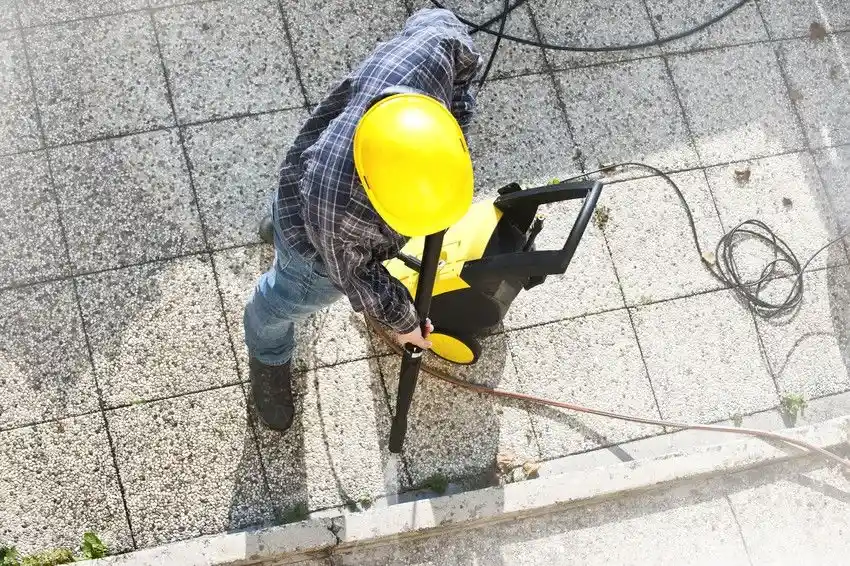
Recommended Cleaning Method for Common Construction Messes
These are some of the methods that are recommended for cleaning common construction messes.
| Construction Site Mess | Recommended Cleaning Method | Recommended Equipment |
| Concrete splatter | High-pressure cleaning | Commercial pressure washer |
| Mud & dirt | High water flow rinse | Industrial pressure washer |
| Construction dust | Medium-pressure wash | Cold water pressure washer |
| Adhesives & sealants | Pressure washing with detergent | Hot water pressure washer |
| Oil & grease | Heated degreasing | Commercial hot water pressure wa |
Gas vs Electric Pressure Washers
Not all pressure washers are created equal. On a construction site, the decision to go with a gas pressure washer vs an electric can greatly affect cleaning time and safety. As you will learn below, gas and electric power washers have different purposes and strengths, and knowing which to choose will help you clean faster and more safely.
Gas Powered Pressure Washers
- Commercial heavy-duty models are normally gas-powered.
- They offer high pressure and are fantastic outdoors on construction sites.
- Since electrical outlets don’t limit them, you can move them easily.
- They are louder than electric versions and produce fumes, so they can’t be used indoors.
- These types of washers are best for cleaning concrete, heavy equipment, or large surface areas.
Electric Pressure Washers
- Electric pressure washers run quietly and offer a more environmentally friendly option compared to gas-powered machines.
- Electrics have to be plugged in, which limits movement on a large job site.
- They have lower types of pressure, but are better for light cleaning tasks or indoors.
- They will work well cleaning up smaller messes like dust or light dirt on tools and walls.
Choosing the Right Pressure Washer for Your Job
- Use a Heavy Duty Pressure Washer Commercial Gas model when you have a large mess to clean and need strong outdoor cleaning power!
- Use an Electric Washer when working indoors or where noise and fumes are a concern.
- Always match the type of pressure washer to the mess and work location on the job site!
Portability and Rugged Design for Job Sites
Construction sites are tough, and your equipment has to be just as tough. A good construction site pressure washer should be easy to move and durable. You will want to look for models with robust steel frames, reinforced wheels, and articulated handles.
These features will enable the washer to roll across an uneven surface without tipping or falling. If you are cleaning into tight corners or wide-open spaces, a portable and rugged design will help you move through the job quicker and more safely.
When comparing commercial pressure washers, look beyond PSI alone. Features such as powder-coated frames, industrial-grade pumps, hose storage, and forklift-friendly designs can significantly improve equipment longevity and jobsite efficiency. Contractors working across multiple locations also benefit from portable skid-mounted or trailer-mounted industrial pressure washers that simplify transportation.
Whether you manage delivery vans or semi-trucks, our pressure washers for fleet vehicles help keep your assets clean, corrosion-free, and brand-ready.
Cleaning Heavy Machinery, Tools, and Concrete Forms
- Electric pressure washers run quietly and offer a more environmentally friendly option compared to gas-powered machines.
- You can quickly clean tools after use to prevent the buildup of dirt that can damage the tool or add to rust
- Concrete forms often collect hardened concrete and debris, which can be effectively removed using a powerful pressure washer.
- Special nozzles and other detergents can be used to clean delicate parts without ruining the item
- A construction site pressure washer helps extend the life of expensive tools and equipment by keeping them in top shape.
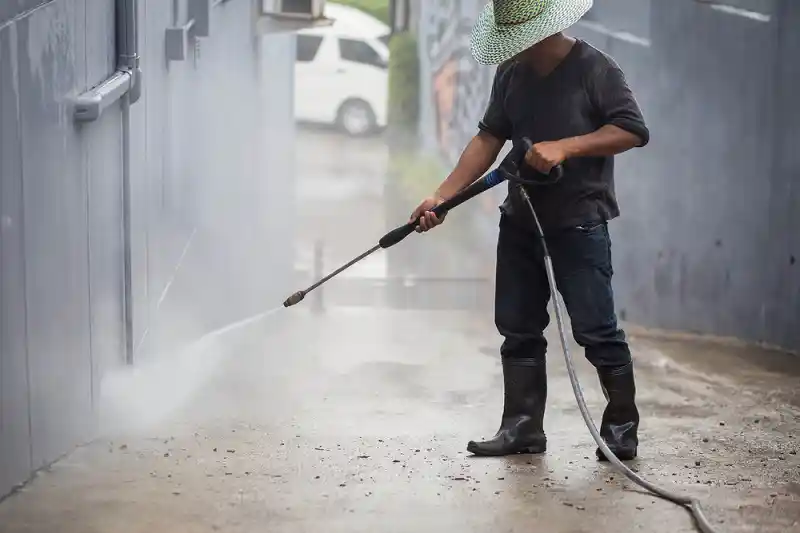
Keeping construction equipment clean does more than improve appearance; it helps protect valuable assets, reduce maintenance costs, and extend equipment lifespan.
Instead of relying solely on manual cleaning, contractors can use pressure washers to remove mud, concrete residue, grease, and other contaminants from machinery and tools before they cause premature wear.
| Equipment | Common Contaminants | Recommended Cleaning Method |
| Excavators & Loaders | Mud, grease, hydraulic oil | Hot water pressure washer with degreaser |
| Concrete Forms | Hardened concrete, cement slurry | High-pressure cold or hot water cleaning |
| Hand Tools | Dust, mortar, adhesives | Medium-pressure cleaning with detergent |
| Generators & Compressors | Dirt, oil residue | Low-pressure rinse with proper nozzle |
| Dump Trucks & Trailers | Mud, asphalt, concrete splatter | Commercial pressure washer with wide spray nozzle |
Essential Pressure Washer Accessories for Construction Sites
Selecting the right accessories can dramatically improve cleaning efficiency and reduce cleaning time on construction projects.
| Accessory | Primary Benefit |
| Turbo Nozzle | Removes stubborn concrete residue and heavy dirt |
| Surface Cleaner | Cleans large concrete slabs evenly without streaking |
| Extension Wand | Safely reaches elevated surfaces and scaffolding |
| Quick-Connect Nozzles | Allows fast spray pattern changes |
| Detergent Injector | Improves removal of grease, oil, and construction residue |
| Hose Reel | Keeps hoses organized and reduces trip hazards |
Choosing the Right PSI and GPM for Construction Cleaning
One of the most common mistakes buyers make is focusing only on PSI. While pressure is important, water flow (GPM) has an equally significant impact on cleaning speed.
| Cleaning Task | Recommended PSI | Recommended GPM |
| Light dust removal | 1,500–2,000 | 2–3 |
| Equipment cleaning | 2,500–3,500 | 3–4 |
| Concrete surfaces | 3,000–4,000 | 4–5 |
| Heavy grease removal | 3,500–4,000+ | 4–8 |
| Industrial construction cleanup | 4,000+ | 5–8 |
A higher GPM often reduces cleaning time more effectively than simply increasing PSI, making it an important consideration when selecting a commercial pressure washer.
Hot Water vs. Cold Water Pressure Washers
Both hot and cold water pressure washers have important roles on construction sites, but choosing the right type depends on the material being cleaned.
| Cleaning Requirement | Hot Water | Cold Water |
| Oil & Grease | ✅ Excellent | Limited |
| Mud & Dirt | ✅ Very Good | ✅ Excellent |
| Concrete Dust | ✅ Good | ✅ Good |
| Heavy Equipment | ✅ Excellent | Good |
| General Jobsite Cleaning | Very Good | Excellent |
| Fuel Cost | Higher | Lower |
For contractors dealing with petroleum products, heavy machinery, or equipment maintenance, hot water pressure washers typically provide faster and more effective cleaning. Cold water units remain an excellent choice for routine construction cleanup involving dirt, mud, and concrete dust.
Pressure Washer Safety Tips for Construction Sites
Pressure washers generate enough force to damage surfaces and cause serious injuries if operated improperly. Following basic safety practices protects both workers and equipment.
- Wear appropriate PPE, including safety glasses, gloves, and steel-toe boots.
- Never point the spray gun toward people or energized electrical equipment.
- Select the correct nozzle before beginning each cleaning task.
- Inspect hoses and fittings before operation.
- Allow hot water machines to cool before performing maintenance.
- Follow manufacturer guidelines for detergents and operating pressure.
Ways to Save Money Without Sacrificing Quality
- Choose Simple Designs: Selecting non-detailed designs (e.g., no 3D effects) will save you money by reducing labour and material costs.
- Prepare the Floor Yourself: If possible, clean and patch your floor ahead of time to lessen the prep charges.
- Select Standard Colors: Most pigment options are less expensive than custom color blends.
- Install When It’s Hot: Some contractors will even provide discounts during time periods of the year when they have very little work (e.g., hotter months of the year).
- Buy More Material: If you are installing flooring in a larger area, buying in bulk will lessen your final per square foot cost.
- Look for Bundled Pricing: Some flooring installers provide package pricing in one price that includes preparing the floor, flooring materials, and finishing.
- Maintain: Properly maintain your floor and clean your floor each time you clean other surfaces. This process should extend the lifespan of your floor as well as lower your chances of having to repair or replace it.
Why Buy a Commercial Pressure Washer Instead of Renting?
For contractors with ongoing construction projects, owning a commercial pressure washer often provides greater long-term value than repeated equipment rentals.
Owning a machine offers several advantages:
- Equipment is always available when needed.
- Reduced long-term operating costs.
- Better maintenance history.
- Consistent cleaning performance.
- Improved project scheduling without rental delays
Conclusion
Metallic epoxy floors offer a unique, eye-catching look while also providing strength and practical use for everyday spaces. If you are looking to add metallic epoxy flooring, prices will vary depending upon a number of factors; however, knowing what they are and creatively working to save in those areas should provide you with the best options for your budget.
Frequently Asked Questions About Construction Site Pressure Washers
Is 4000 PSI too much for concrete?
No, 4,000 PSI is not too much for most concrete surfaces when used correctly. It’s ideal for removing oil stains, paint, mold, and heavy dirt from driveways, sidewalks, and commercial concrete. However, use the proper nozzle and maintain a safe distance to avoid surface damage, especially on older or cracked concrete.
Can you pressure wash granite?
Yes, you can pressure wash granite, but it should be done carefully. Use a pressure washer with moderate PSI (typically 1,500–2,500 PSI) and a wide-angle nozzle. Avoid excessive pressure, which can damage sealants or erode grout around granite surfaces.
What type of pressure washer do the professionals use?
Professional cleaners typically use commercial-grade pressure washers with 3,000–4,000+ PSI and 3–8 GPM. Hot water pressure washers are preferred for removing grease, oil, and stubborn grime, while cold water units are suitable for general exterior cleaning.
Can you pressure wash tile grout?
Yes, tile grout can be pressure washed, especially on outdoor surfaces like patios and walkways. Use a lower pressure setting (under 2,000 PSI) with a wide spray tip to prevent damaging the grout. Indoor tile grout is usually better cleaned with specialized grout cleaners instead of a pressure washer.
Will a 2300 PSI pressure washer clean concrete?
Yes, a 2,300 PSI pressure washer can effectively clean concrete for most residential applications. It’s suitable for removing dirt, mildew, algae, and light stains from driveways, patios, and sidewalks. Heavier oil stains or paint may require higher PSI or specialized cleaning solutions.
Is 1700 PSI strong enough to clean concrete?
Yes, 1,700 PSI can clean concrete, but it’s best for light-duty cleaning. It removes dust, dirt, mildew, and light grime from patios and sidewalks. For heavily stained or commercial concrete, a pressure washer rated at 2,500 PSI or higher delivers better results.
What GPM is best for commercial construction cleaning?
For most construction applications, 3–5 GPM provides an excellent balance of cleaning speed and water efficiency. Larger industrial cleaning projects often benefit from machines delivering 5–8 GPM, particularly when cleaning heavy equipment or large concrete surfaces.
Should I choose a hot or cold water pressure washer?
Cold water pressure washers are ideal for removing dirt, mud, and dust, while hot water pressure washers are more effective for grease, oil, hydraulic fluid, and other petroleum-based contaminants commonly found on construction sites.
How often should construction equipment be pressure washed?
Heavy equipment should be cleaned regularly based on operating conditions. Daily cleaning may be appropriate for machines working in muddy or dusty environments, while weekly deep cleaning helps prevent debris buildup, simplify inspections, and extend equipment lifespan.

Michael Adeniran is the CEO of Pressure King Inc. He has been dealing in commercial cleaning equipment for many years. He is one of the leading specialists and experts in commercial cleaning products.


