

Belt Drive vs Direct Drive Pressure Washers: What You Need to Know
Key Takeaways
- Direct drive is affordable, compact, and portable.
- Belt drive offers better durability and longevity.
- Direct drive suits light and occasional use.
- Belt drive is ideal for heavy-duty cleaning.
- Choose based on workload, not price.
A pressure washer is powerful equipment that quickly removes dirt, stains, and grime from many surfaces. It provides much deeper and faster cleaning than a regular garden hose. People use pressure washers to clean cars, driveways, sidewalks, decks, and even buildings.
A key thing to think about when picking a pressure washer is how the motor connects to the pump, also known as the drive system. The drive system of a pressure washer can be either a belt-driven or a direct-driven system.
This blog will cover the belt drive vs direct drive pressure washer pros and cons. You will find out how each one operates, how they differ, and which option might work best for you.
What is a belt drive pressure washer?
In a belt drive pressure washer, the engine powers the pump through a set of pulleys and a belt system. The engine spins the belt, which then powers the pump. Because of this arrangement, the pump runs at a slower speed, which means a longer life.
A belt-driven pressure washer works using three main parts: the motor, a belt system, and a belt drive pressure washer pump that controls the water pressure. Together, they create a strong and consistent cleaning power.
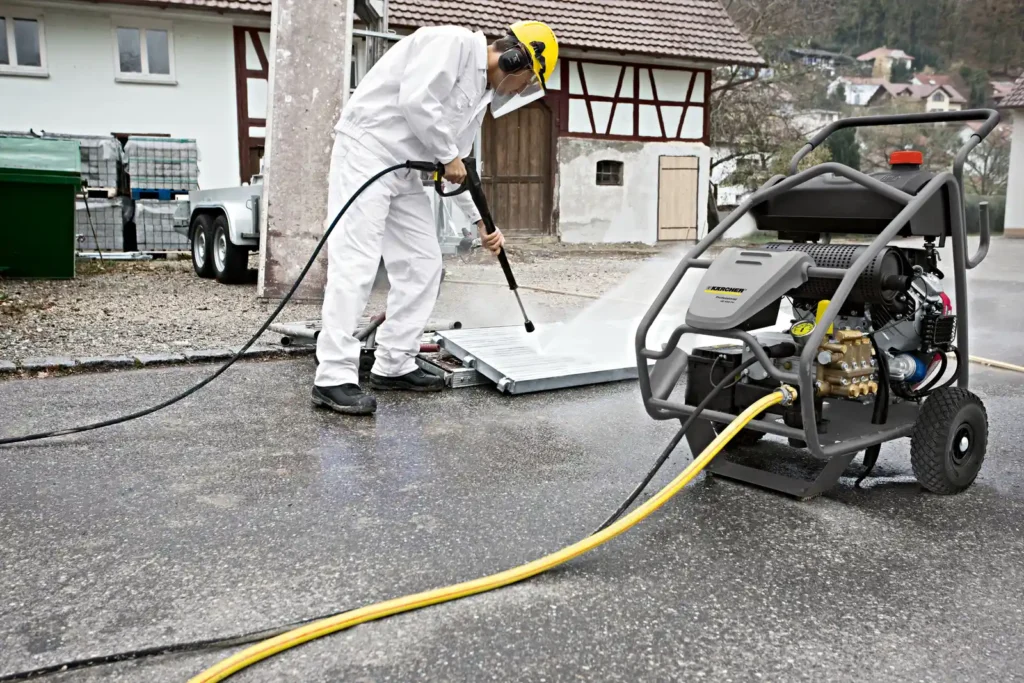
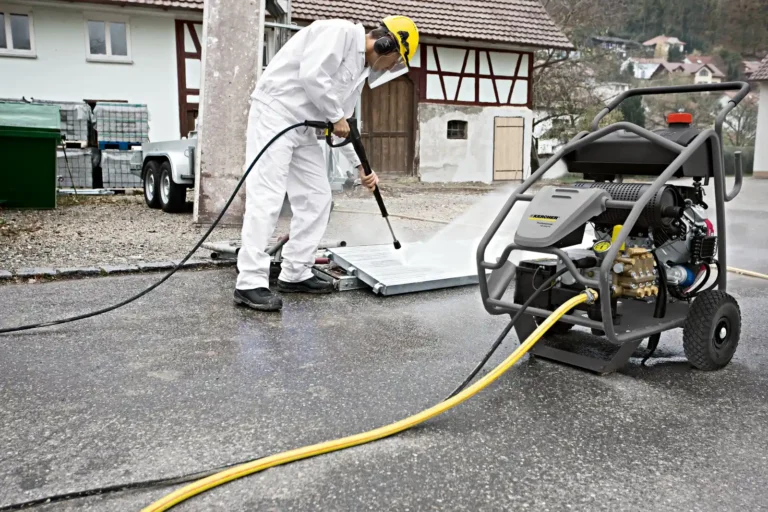
Belt drive power washers are typically used for larger jobs like cleaning buildings, sidewalks, or factory equipment. These washers are made for long continuous hours of work, which is why they are widely used throughout commercial and industrial work.
One major benefit of a belt driven power washer is that it runs with less noise and vibration, making it more comfortable to use for long jobs. Since the pump is not directly attached to the engine, engine vibration is not felt as much. Reduced vibration helps the machine last longer and protects its parts from damage over time.
Modern commercial belt drive pressure washers are often the preferred choice for businesses that operate several hours each day. The lower pump speed reduces wear on seals, bearings, and valves, helping decrease maintenance costs while improving long-term performance. Although the initial investment is higher, many commercial users recover that cost through fewer repairs and a longer service life.
What is a Direct Drive Pressure Washer?
A direct drive pressure washer is a type of machine where the pump is connected directly to the engine, allowing for a compact and simple design
A pressure washer with a direct setup is called a direct drive because the engine connects straight to the pump without using belts. There are fewer parts to take care of, and this setup is less expensive to repair than a belt drive setup. This is one of the reasons many homeowners and small business owners prefer a pressure washer direct drive.
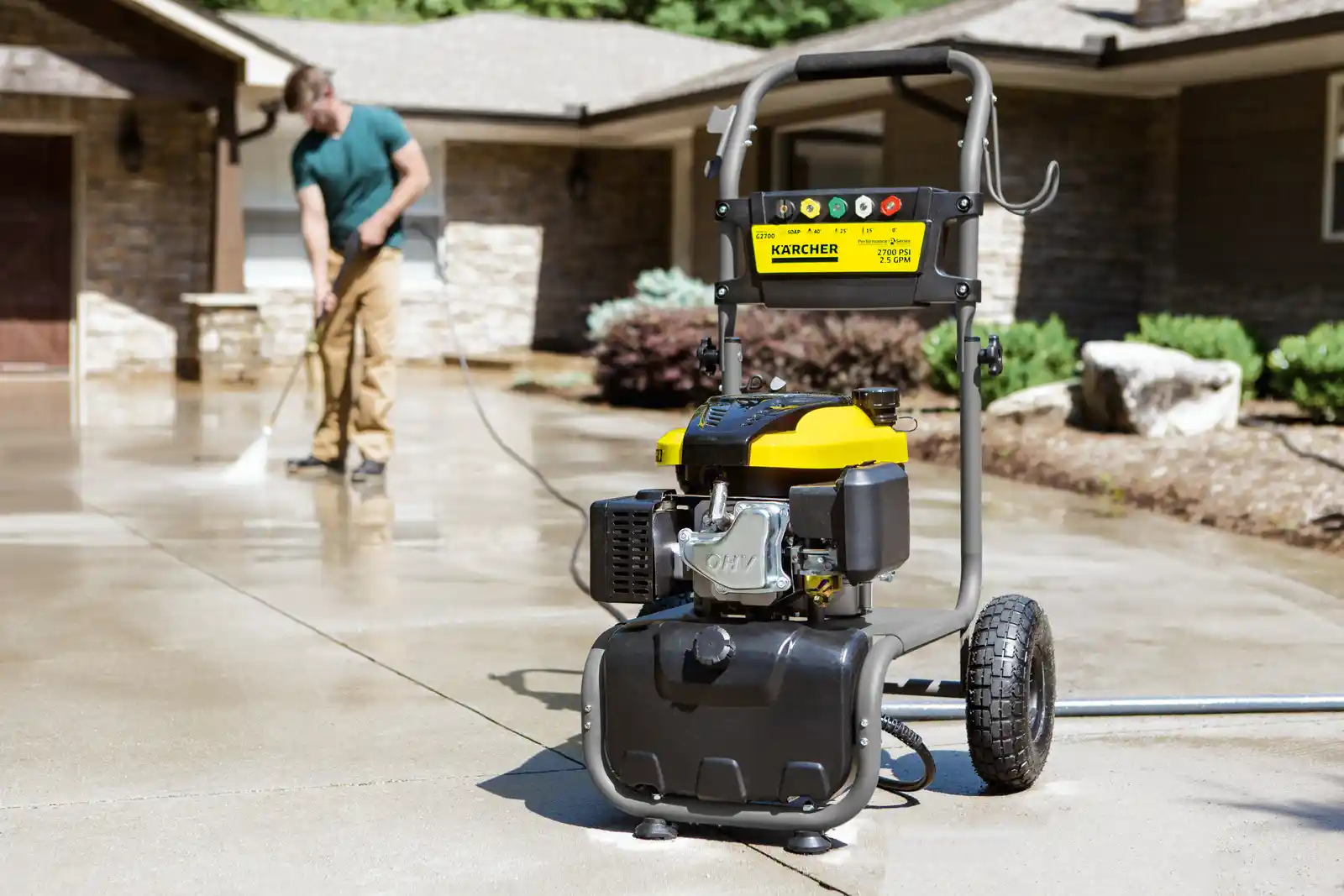
Another advantage of a direct drive pressure washer is that it has a compact design, so it takes up less space and is easier to move. Direct drive pressure washers are an excellent option if you require a tool that is going to be simple to set up and easy to store.
The only disadvantage of any direct-powered pressure washer is that the pump in the pressure washer’s direct drive system spins faster than a belt drive; therefore, it could wear out sooner if you are using the pressure washer for long hours every day. However, if you are only doing short jobs or light-duty use, a direct drive pressure washer will perform just as well!
Recent advancements in commercial direct drive pressure washers have improved pump durability and overall efficiency. Many modern models incorporate upgraded pump materials, improved cooling, and better sealing technology, making them suitable for contractors and businesses that require dependable performance for moderate daily cleaning tasks.
Major Differences Between Belt Drive and Direct Drive Washers
Choosing between a belt drive pressure washer and a direct drive pressure washer depends on how frequently the equipment will be used, the cleaning environment, and your long-term operating costs. While both systems deliver excellent cleaning power, they are designed for different workloads.
Comparison Table
| Feature | Direct Drive Pressure Washer | Belt Drive Pressure Washer |
| Initial Cost | Lower | Higher |
| Pump Speed | Higher RPM | Lower RPM |
| Pump Lifespan | Moderate | Longer |
| Heat Generation | Higher | Lower |
| Maintenance | Minimal | Periodic belt inspection |
| Continuous Operation | Moderate | Excellent |
| Portability | Excellent | Moderate |
| Best Application | Residential & light commercial | Commercial & industrial |
If your pressure washer operates only a few hours each week, a direct drive commercial pressure washer usually provides excellent value. Businesses that clean equipment, buildings, fleets, or industrial facilities every day generally benefit from investing in a belt drive pressure washer because of its superior durability and lower long-term maintenance costs.
Direct Drive vs Belt Drive Pressure Washers: Pros and Cons
Each types of pressure washer has unique benefits and drawbacks, depending on how and where you plan to use it. This short list should help you in deciding which type of washer to purchase for your home or business. Understand the key differences between belt drive and direct drive pressure washers to find the right match for your cleaning needs.
Pros and Cons Comparison
| Feature | Direct Drive Pressure Washer | Belt Drive Pressure Washer |
| Purchase Price | ✔ Lower investment | ✖ Higher investment |
| Maintenance | ✔ Less routine maintenance | Requires belt inspection |
| Portability | ✔ Compact and lightweight | Larger and heavier |
| Long Cleaning Sessions | Moderate | ✔ Excellent |
| Pump Longevity | Moderate | ✔ Longer lifespan |
| Heat Management | Average | ✔ Superior |
| Professional Use | Good | ✔ Best choice |
| Heavy-Duty Applications | Moderate | ✔ Excellent |
Rather than asking which drive system is universally better, consider which one matches your workload. For occasional residential cleaning, the lower cost and compact size of a direct drive pressure washer often make it the smarter investment. For commercial cleaning companies and industrial users, the durability and extended operating capability of a belt-driven pressure washer generally provide better long-term value.

Can a Direct Drive Pressure Washer Use Water from a Tank?
Sometimes, a direct drive pressure washer can use water from a tank, but a direct drive pressure washer is not the best option for that. These machines usually work best when connected to a steady and pressurized water supply, like a hoses or tap. If the water pressure is low, the pump won’t work properly and may be damaged.
Direct drive pressure washer setups have more trouble pulling water from a tank than a belt drive. A belt drive pressure washer pump is better suited for lower water pressure and pulling water from a tank. That’s why many professionals prefer a pressure washer belt drive for working in remote places.
If you’re operating in an area without running water, a portable pressure washer with a water tank might be a better option. A portable pressure washer with a water tank gives you more flexibility and is designed for jobs that require you to transport water to the site. Be sure to check whether the model is belt-driven or direct drive based on your needs!
Which One Should You Choose?
When it comes to choosing a belt drive vs a direct drive pressure washer, it depends on how you intend to use it moving forward. If it is just for small or occasional cleaning jobs at home or around the property, a direct drive pressure washer is an economical buy. If you will be doing long or daily cleaning jobs, a belt drive pressure washer will last longer and perform better. Think about how much you want to spend, how often you’ll use it, and the type of cleaning tasks you need it for.
For contractors, municipalities, manufacturing facilities, agriculture, fleet operators, and industrial users, a belt drive pressure washer is often the better investment. Its lower pump speed, reduced heat generation, and longer service life make it well suited for continuous daily operation.
When comparing belt drive vs direct drive pressure washers, consider more than just the purchase price. Equipment lifespan, maintenance requirements, operating hours, and repair costs all contribute to the total cost of ownership. Choosing a machine that matches your workload typically delivers better long-term value than simply selecting the least expensive option.
Common Mistakes to Avoid When Choosing a Pressure Washer
Selecting the wrong drive system can lead to unnecessary maintenance costs, reduced productivity, and shorter equipment life. Before purchasing a pressure washer, avoid these common mistakes:
| Mistake | Why It Matters |
| Buying based only on price | Lower-cost models may not withstand heavy commercial use. |
| Ignoring daily operating hours | Continuous use requires more durable equipment. |
| Choosing the wrong pump type | The drive system should match your workload. |
| Overlooking maintenance needs | Routine servicing extends equipment life. |
| Selecting incorrect PSI or GPM | Cleaning performance depends on both pressure and water flow. |
| Forgetting future expansion | Buying slightly above your current needs can prevent costly upgrades later. |
Choosing the right commercial pressure washer involves balancing cleaning performance, durability, maintenance requirements, and budget rather than focusing on a single specification.
Conclusion
Belt drive vs direct drive pressure washers work well, but each type is built to handle different cleaning tasks and usage levels. A direct drive pressure washer is great for quick cleanups, light-duty tasks, and for anyone looking for a low-maintenance option. In contrast, the belt drive pressure washer is designed for long jobs, heavy dirt, and more frequent use.
So now that you know the direct drive vs. belt drive pressure washers: pros and cons, you can decide which is going to fit your job the best. Whether it is for home use or heavy-duty work, choosing the right pressure washer with any extra features will lead to a smarter and faster method of cleaning.
Frequently Asked Questions (Faqs)
What is a belt drive pressure washer compared to a direct drive pressure washer?
A more heat and wear-reducing pump-to-motor connection uses a belt and pulleys in a belt drive pressure washer. A direct drive is one that links the pump and the engine together, providing ease of speed, small size, and low cost.
Which is more long-lived belt drive or direct drive pressure washers?
Pressure washers driven by belts tend to have a longer life span since the belt takes up vibration, minimizes heat buildup, and makes less rpm. Direct drive units are hotter/ faster and lighter loads may put a shorter life on the pump, but continue to be effective at lighter tasks.
Are the pressure washers using belt drive more costly relative to direct drive?
Belt drive pressure washers tend to be expensive in the short term, yes, since they are more resistant and have a longer overall performance. Direct drive motors tend to be cheaper and thus are appealing quality low end to low-end domestic consumers or to small industries, which can justify the potential higher cost of replacement but could be disposable earlier than belt drive.
Are belt drive pressure washers more maintenance intense?
The belt drive models need frequent belt checks and replacements; nevertheless, the general maintenance is easy. They have fewer RPMs of operation, which limits wear to the pumps. Direct drive models require less adjustment, but can require earlier pump service because of hotter, faster running conditions.
Which is more portable pressure washer?
Direct drive pressure washers are smaller and lighter in weight, which makes them easier to transport. Bulkier structures are because of the pulley system built in belt drive units, as they are heavier and hence built to be put in use at a stationary or mounted position. They are suited to be used in the hands of professionals, where durability is what is more important than being easily transportable.
Can a direct drive pressure washer run all day?
While some commercial direct drive models can operate for extended periods, they are generally not intended for continuous all-day use. Long operating hours generate more heat because the pump runs at engine speed. For daily or continuous commercial cleaning, a belt drive pressure washer is usually the better choice.
Is a belt drive pressure washer worth the extra cost?
If you clean equipment, buildings, fleets, construction sites, or industrial facilities on a regular basis, the answer is often yes. The improved durability, lower pump temperatures, and longer service life typically offset the higher upfront investment over time.
What industries benefit most from belt drive pressure washers?
Belt drive commercial pressure washers are widely used in construction, manufacturing, agriculture, fleet maintenance, municipalities, food processing, warehouses, and professional contract cleaning because they are built to handle demanding, high-volume cleaning tasks.

Michael Adeniran is the CEO of Pressure King Inc. He has been dealing in commercial cleaning equipment for many years. He is one of the leading specialists and experts in commercial cleaning products.


