

Floor Care Equipment for Restaurants and Commercial Kitchens in NJ
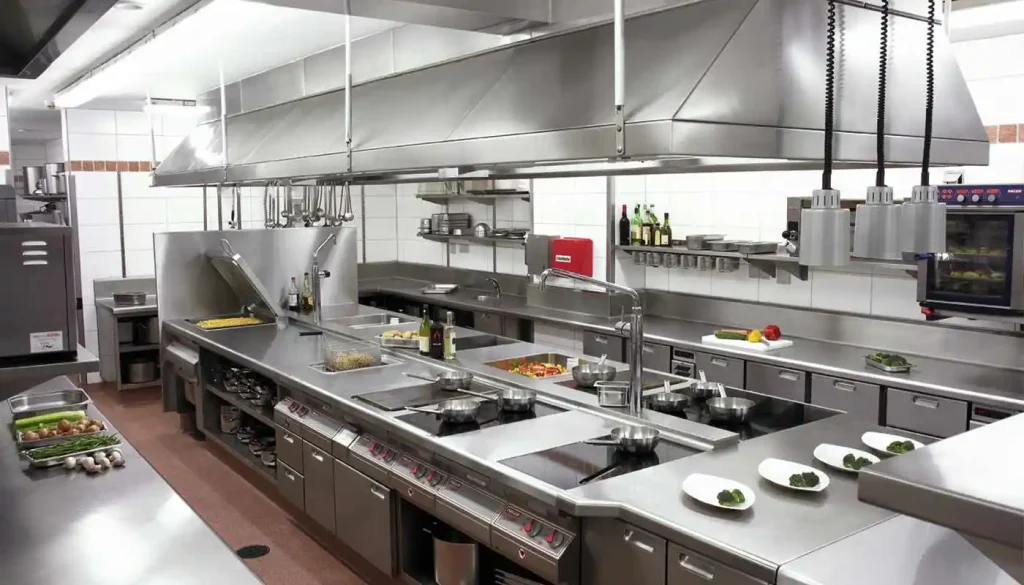
The busiest part of any restaurant isn’t the dining room; it’s the kitchen floor. During a single shift, employees move quickly between prep stations, fryers, grills, dishwashing areas, and walk-in coolers. Grease splashes, food debris, spilled drinks, and moisture can build up within hours, turning the floor into one of the hardest-working surfaces in the building. That’s why restaurants and commercial kitchens across New Jersey rely on professional floor care equipment to maintain cleanliness, improve safety, and keep daily operations running without interruption.
Cleaning a commercial kitchen isn’t the same as cleaning a retail store or office building. Kitchen floors are exposed to cooking oils, animal fats, sauces, detergents, and constant foot traffic. Basic mops may remove surface dirt, but they often leave behind grease residue that attracts more grime over time. Investing in the right floor care equipment helps kitchen staff clean more effectively while reducing labor and creating a safer workspace for employees.
Why Commercial Kitchens Need Specialized Floor Care Equipment
Restaurant floors face a lot of challenges that other commercial buildings do not. Cooking oils and food bits get on the floor fast, especially near fryers. Steam and debris from cooking and washing dishes also build up quickly. This makes the floors look dirty and also makes it easier for people to slip and fall. Regular cleaning and maintenance of floors are really important. It helps keep the workplace safer. It also helps restaurants meet the standards for health inspections.
Using the cleaning tools you have at home in a kitchen does not work very well. The mops you use at home get all greasy, the buckets just move water around, and it takes a lot of work to scrub the floors by hand. Commercial kitchen cleaning equipment is made to fix those problems. This kitchen cleaning equipment does a better job. They do not just push the grease around on the floor; they also commercially scrub the floor and lift the dirt up. This helps the people who work in the kitchen clean the floor faster.
Common Floor Cleaning Challenges in Restaurants
Every restaurant has its own workflow, but many cleaning problems are surprisingly similar. Understanding those challenges makes it easier to choose equipment that matches the demands of your kitchen.
Grease Buildup Around Cooking Equipment
Deep fryers, flat-top grills, ranges, and charbroilers make a lot of grease in the air every day. With good ventilation a thin layer of oil slowly lands on the floors around them. Over time that grease mixes with dust and food bits, making a surface that’s hard to clean with regular cleaning methods. To clean it, high-pressure cleaning with degreasers usually works much better than just mopping again and again.
Heavy Foot Traffic During Every Shift
Restaurant employees rarely stop moving. Servers enter and leave the kitchen continuously. The cooks have to work at different stations. The people who wash the dishes have to carry racks and carts and supplies across the floor, which is often wet. All this moving around makes the kitchen get greasy and wet everywhere. So the restaurant employees have to clean the kitchen a lot to make sure it is safe for the restaurant employees.
Tight Spaces Around Equipment
Commercial kitchens are different from warehouses or retail stores. They have a lot of equipment that’s close together. You have prep tables and refrigeration units and sinks and shelving and cooking lines in a small space. This leaves little room to walk around, and it is hard to clean with big machines. Compact floor care equipment can get into these areas. Operators can use this equipment to clean without having to move the appliances or stop the kitchen from working.
Strict Hygiene Standards
Clean-looking floors aren’t enough. Restaurant kitchens need to get rid of grease, food bits, and contaminants. These things can cause bacteria to grow and create smells. Cleaning regularly also helps businesses get ready for health inspections. It makes the kitchen look more professional for the staff.
Floor Scrubbers: A Smarter Alternative to Traditional Mopping
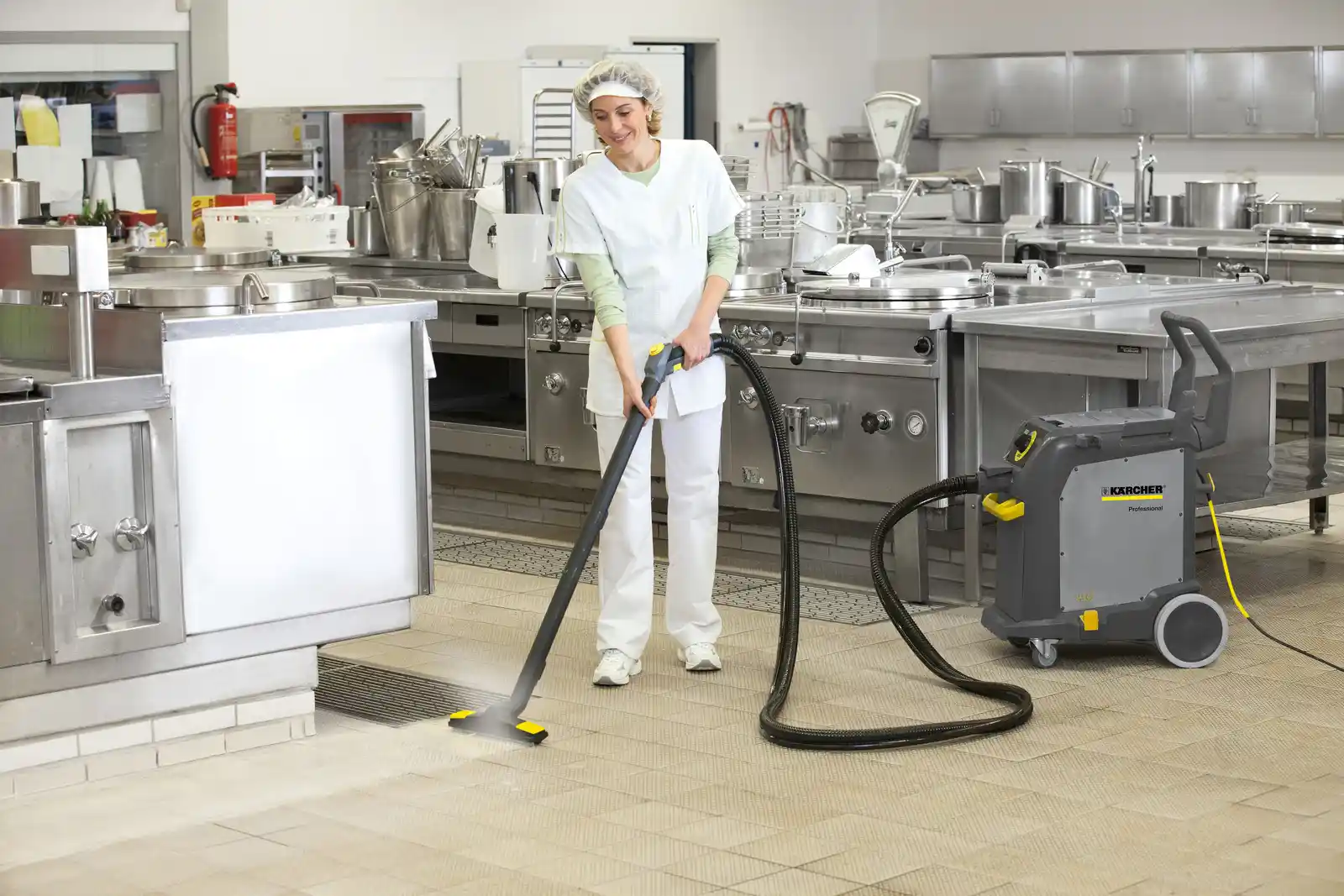
Many restaurant owners still use mops to clean their kitchens because that’s how it’s always been done. The thing is, mopping doesn’t get rid of grease; it just moves it around. They use brushes, cleaning liquid and a vacuum to scrub and clean the floor away. This way the floor gets cleaned properly. Isn’t slippery or wet for long. Mops leave floors wet and slippery. Scrubbers make them clean and safe for people to walk on much sooner.
For restaurants with kitchens, banquet halls, cafeterias in schools and offices, hotels, and places that make food, floor scrubbers can really cut down on cleaning time. This helps make sure the cleaning is consistent every day. Modern floor scrubbers use water compared to mopping many times. This is because they put the cleaning liquid on the floor in small amounts, not all at once like mopping does. Scrubbers make cleaning easier and better for restaurants and food places.
Choosing the Right Floor Scrubber for Your Kitchen
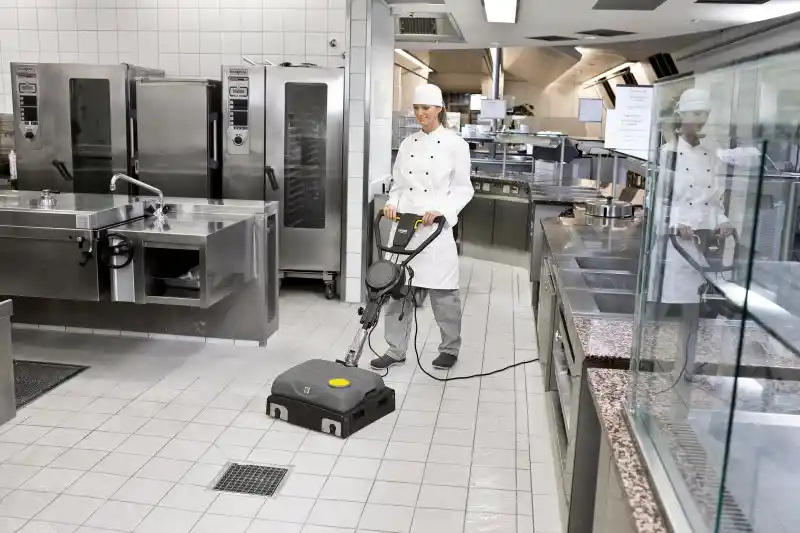
Not every commercial kitchen needs the equipment. It really depends on how much space you have, how busy the kitchen is, and how often you clean. Compact walk-behind scrubbers are usually the good choice because they are easy to move around and they clean really well. Commercial kitchens, like these walk-behind scrubbers, because they can get around big cooking equipment, storage racks, and narrow hallways in the kitchen.
Big places like hospitals, universities, hotels, kitchens, and factories that make a lot of food can use powerful floor cleaners. These cleaners work efficiently and reduce operator burden. One thing that surprises a lot of kitchen managers is how much work they can save just by picking the right equipment for the size of the place. If you get a machine that’s too small, it has to go over the same spot a lot of times. If you get a machine that is too big, it can be hard to get around things, like big cooking equipment.
Pressure Washers for Back-of-House Cleaning
Kitchen floors need attention. They are not the only ones. Other areas like loading areas, dumpster pads, and receiving docks get dirty too. Exterior walkways, grease collection zones, and waste storage areas also collect dirt and grease. Ordinary cleaning equipment can’t remove it effectively. Commercial pressure washers are made for these jobs. They use high-pressure water and the right cleaning solution. This breaks down grease, food residue, and grime on concrete and other hard surfaces.
Pressure washers are commonly used to clean:
- Dumpster enclosures
- Loading docks and receiving areas
- Outdoor kitchen entrances
- Concrete service corridors
- Grease collection pads
- Trash and recycling areas
Regular pressure washing helps improve sanitation around the building. It gets rid of grease and food bits that are stuck on things. This helps cut down on smells and keeps pests away from the trash cans. Pressure washers are usually meant for washing things in special areas that are made for washing. In kitchens people usually use floor scrubbers and other special machines to clean the floors. These machines help control how much water is used and make sure it does not go to waste.
Wet/Dry Vacuums Help Control Spills Quickly
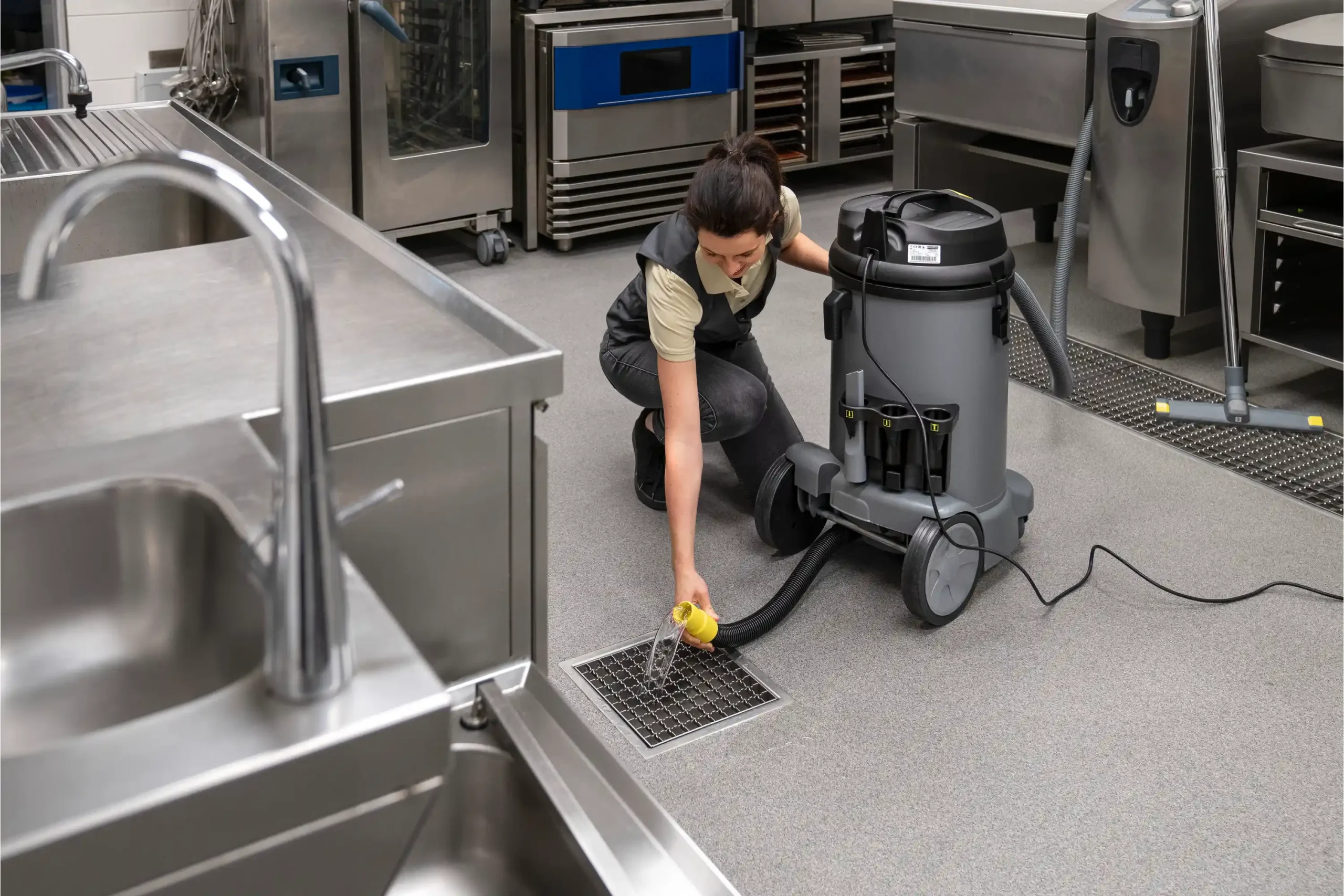
Busy kitchens do not have the time to close down every time spills occur. If water is leaking from an ice machine or a beverage line is broken or the sink is overflowing, the kitchen can become a dangerous place if the water is not cleaned up right away. Busy kitchens need to deal with water spills from ice machines and broken beverage lines and overflowing sinks.
Wet/dry vacuums are really good at helping staff clean up water that is standing around and spills. They can do this a lot faster than using towels or mops. Wet/dry vacuums are also very useful after the staff has cleaned equipment, fixed plumbing, or done a cleaning of the place. This is because dry vacuums can pick up extra water that is still there. Many restaurants have a wet/dry vacuum that they use all the time. This is because a commercial/dry vacuum can be used for many things around the restaurant. It can be used in an emergency to clean up a spill.
The Right Cleaning Chemicals Matter Just as Much as the Equipment
Even the best floor scrubber can’t deliver good results with the wrong cleaning solution. Commercial kitchens require cleaning products formulated specifically to break down grease, food residue, and cooking oils without damaging the floor. Using household detergents often leaves behind residue that attracts more dirt or creates unnecessary foam inside floor scrubbers.
Professional-grade cleaning chemicals are formulated for different flooring materials to deliver effective cleaning without causing damage. Whether your facility has quarry tile, sealed concrete, epoxy-coated floors, ceramic tile, or commercial vinyl flooring, using the right cleaner helps remove grease and grime while protecting the surface over time. Following the manufacturer’s recommended dilution ratios is equally important. Using too much chemical rarely improves cleaning performance and may actually leave the floor sticky or dull after it dries.
Common Mistakes When Buying Restaurant Floor Care Equipment
Many businesses replace cleaning equipment only after it begins causing problems. Unfortunately, choosing the wrong machine can create new challenges that affect both cleaning quality and operating costs.
Some of the most common mistakes include:
- Purchasing equipment that’s too large for narrow kitchen layouts.
- Choosing residential-grade machines instead of commercial equipment designed for daily use.
- Ignoring battery runtime and recovery tank capacity.
- Using incorrect brushes or pads for the flooring material.
- Selecting cleaning chemicals that aren’t designed for commercial kitchen grease.
- Overlooking replacement parts and service availability before making a purchase.
Why Local Equipment Service Makes a Difference
Commercial kitchens operate on tight schedules. If cleaning equipment breaks down before a busy weekend or holiday, delaying repairs for several days may not be an option. Brushes, squeegee blades, vacuum hoses, filters, batteries, and other wear components should be inspected regularly to keep equipment performing at its best. Replacing these parts before they fail often costs far less than dealing with unexpected downtime.
Working with a supplier that offers equipment maintenance, repair services, technical support, and readily available replacement parts helps restaurants keep their cleaning programs on schedule without unnecessary interruptions.
Complete Floor Care Program for Restaurants
Cleaning equipment works best when each machine has a specific job. Trying to rely on a mop for every spill or using a pressure washer for every cleaning task usually wastes time and produces inconsistent results.
Many successful restaurants follow a structured cleaning routine throughout the day. Employees remove food debris as they work, spot-clean spills immediately, and complete a deeper floor cleaning after closing. This approach prevents grease and dirt from building up to the point where cleaning becomes more difficult.
A complete floor care program often includes the following:
- Floor scrubbers for daily cleaning of kitchen floors, food prep areas, and service corridors.
- Commercial pressure washers for outdoor grease pads, loading areas, dumpster enclosures, and receiving docks.
- Wet/dry vacuums for emergency spill cleanup and water recovery.
- Commercial cleaning chemicals and degreasers formulated for food-service environments.
- Industrial sweepers for larger facilities, commissary kitchens, or food production areas where dry debris needs to be removed before scrubbing.
Commercial Kitchen Floor Cleaning Procedure After Closing
A consistent commercial kitchen floor cleaning procedure starts before the machine touches the floor. Finish food handling in the cleaning area and protect exposed food, utensils, and nearby equipment. Restrict access while cleaning and maintain a safe route for employees completing other closing tasks.
Remove loose food and solid debris first. Pay particular attention to corners, floor edges, and areas around cooking equipment. Collect solids for disposal instead of pushing them into drains or expecting the scrubber to recover everything.
Apply a compatible degreaser at the label’s recommended dilution. Where the instructions require dwell time, allow the cleaner to work before scrubbing. Do not let the solution dry on the floor. Use only products approved for both the flooring and the cleaning machine.
Scrub manageable sections and recover the dirty solution. Complete any rinsing required by the product instructions, then inspect edges and areas the machine could not reach. Keep access restricted until the floor is dry and free from visible residue.
Daily Maintenance Keeps Equipment Performing at Its Best
Restaurant floor care equipment gets dirty every day. It has to deal with grease, detergents, food bits, and water. If you don’t maintain it regularly, even a good machine will start to clean well over time. After each use, rinse the solution and recovery tanks. This stops residue from getting hard inside the machine. Also check the brushes and pads for debris that got stuck in them. Clean the squeegee blades so they can recover water properly.
Battery-powered equipment also benefits from charging habits. Allowing batteries to charge after each cleaning shift helps make them last longer and ensures the machine is ready for the next day. One thing I have noticed is that cleaning performance usually gets worse before the machine breaks down. A worn brush or damaged squeegee may seem like a problem, but it often leads to more cleaning passes, longer working hours, and floors that do not look as clean as they should.
Why Floors Stay Sticky or Wet After Scrubbing
A sticky floor does not automatically mean the machine needs more detergent. Excess cleaner, incomplete grease removal, or poor recovery can leave residue behind. Before increasing the chemical dose, check the dilution and confirm that the product suits the floor and machine.
If a floor scrubber is leaving streaks, inspect its squeegee with the machine switched off according to the manual. Food particles caught beneath the blade can interrupt water recovery. Worn blades, incorrect adjustment, or uneven flooring may also leave narrow trails of water.
Widespread wet patches can indicate a recovery problem. Check whether the recovery tank is full and inspect accessible hoses and filters as instructed. Excessive foam may also interfere with operation. Use an approved low-foaming cleaner rather than adding unrelated chemicals to control foam.
When problems continue, test a small area using the approved cleaning method and record the results. Note the detergent, dilution, brush or pad, and machine settings. This information helps a technician identify the cause without relying on repeated cleaning passes.
Don’t Overlook Replacement Parts and Preventive Service
Every commercial cleaning machine has parts that get worn out over time. Brushes do not clean as well as they used to; vacuum hoses can develop cracks, filters get clogged up, and squeegee blades become less flexible after months of use. Replacing these parts before they break helps keep the cleaning performance steady. It also reduces the chance of machine downtime.
Preventive service is really important. Routine inspections can identify problems like worn-out bearings or loose parts before they stop working. You do not want your cleaning schedule to be messed up. For example, restaurants that clean their floors every night like to have maintenance done on a schedule. This is better than having to fix something when it breaks during the day. If a kitchen is open every day of the week, it is nice to know that someone is available to help with the equipment. Preventive service is part of what makes the equipment worth the money; it is not an extra cost.
Choosing the Right Floor Care Equipment for Your Facility
Every food-service operation has different cleaning requirements. A neighborhood café, a busy full-service restaurant, a hotel kitchen, and a large commissary all face unique challenges. The right floor care equipment should match your kitchen’s layout, cleaning routine, and daily workload rather than simply offering the most features.
Consider the size and layout of your kitchen.
Start by checking how much floor space needs cleaning after each shift. Small kitchens with aisles do well with compact floor scrubbers that are easy to move around. Larger commercial kitchens, on the other hand, need bigger scrubbers that can clean more area at once to get the job done quickly. This way you can choose the right floor scrubber for your kitchen’s needs.
Match the Equipment to Your Flooring Type
Different types of flooring need cleaning methods. Quarry tile needs an approach. Sealed concrete floors also require care. Epoxy coatings and commercial vinyl flooring have their cleaning requirements. The right cleaning tools make a difference. Brushes and pads that are too harsh can damage some floors. Cleaning solutions that are too strong can also cause problems.
Think About Your Daily Cleaning Demands
Think about how grease gets all over the equipment when you are cooking and how many times you will use the machine. Restaurants that serve a lot of meals or stay open for a time usually need equipment that can be cleaned a lot without it affecting how well it works or how long the battery lasts. The cooking equipment needs to be easy to clean so that the grease does not build up around the cooking equipment.
Don’t Overlook Service and Equipment Demonstrations
Reliable service and replacement parts are just as important as the machine itself. Before making a purchase, ask about maintenance support and parts availability. If possible, schedule an on-site equipment demonstration. Seeing a floor scrubber operate around prep stations, cooking lines, and storage areas provides a much better understanding of its real-world performance than reading product specifications alone.
Plan Wash Water Collection Before Cleaning
Cleaning a dumpster pad or grease collection area produces water containing the material removed from the surface. Plan where this water will travel before starting the pressure washer. Locate nearby drains and identify whether they connect to a stormwater system or another drainage route.
Remove loose waste and collect accessible grease deposits before washing. Where runoff could reach a storm drain, use suitable containment and recovery arrangements. A wet/dry vacuum may help with compatible liquids, but check its instructions and capacity before including it in the plan.
For restaurant cleaning wastewater disposal, confirm the accepted route with the local sewer authority or relevant municipality. Do not assume that every floor drain or outdoor drain is suitable. Ask about restrictions affecting grease, detergents, and collected solids before emptying recovery tanks.
Include the collection and disposal method in the cleaning instructions given to staff or contractors. Identify who handles recovered water and where equipment tanks may be emptied. This makes wastewater management part of the job from the beginning.
Cleaning Floors Support a Safer, More Efficient Kitchen
Restaurant floors get dirty fast. With the right tools, it’s easier to keep up. Floor scrubbers are really good at removing grease, which traditional mops can’t do well. Pressure washers make it simple to clean areas where food is served. When spills happen, wet and dry vacuums help staff clean up fast. Using the cleaning products and cleaning floors regularly helps a lot. These tools make the workplace cleaner and safer.
The goal is not just to make the kitchen look clean before the shift. The kitchen needs to have walking surfaces. This is important for health inspection readiness. We also need to protect the flooring from wearing out soon. The kitchen staff needs to be able to work throughout the day. The kitchen staff need to work well in the kitchen.
Conclusion
Investing in the right floor care equipment does more than improve the appearance of your restaurant. It helps reduce slip hazards, shortens cleaning time, protects your flooring from premature wear, and allows employees to work in a cleaner, more organized environment. When the right machines are paired with proper cleaning chemicals and routine maintenance, daily floor care becomes more efficient and far less disruptive to kitchen operations.
For restaurants, hotels, cafeterias, healthcare facilities, schools, and other food-service businesses, dependable floor care equipment is an investment in safety, efficiency, and operational consistency. Whether you need commercial floor scrubbers, industrial pressure washers, wet/dry vacuums, professional cleaning chemicals, replacement parts, or ongoing equipment maintenance, Pressure King provides the products and service expertise to help keep commercial kitchens clean, compliant, and ready for every shift.
Frequently Asked Questions (FAQ’s)
What is the best floor cleaning equipment for commercial kitchens?
The best equipment depends on your kitchen’s size and cleaning needs. Most restaurants benefit from compact floor scrubbers for daily floor cleaning, while pressure washers, wet/dry vacuums, and commercial degreasers help maintain back-of-house areas and handle spills.
How often should restaurant kitchen floors be cleaned?
High-traffic kitchens should be cleaned throughout the day to remove spills and food debris, followed by a thorough floor scrubbing after closing. Regular cleaning helps reduce grease buildup, improve safety, and support health inspection compliance.
Can floor scrubbers remove grease from commercial kitchen floors?
Yes. Commercial floor scrubbers are designed to remove grease, food residue, and dirt when used with the appropriate brushes or pads and professional-grade cleaning chemicals. They provide a deeper clean than traditional mopping and leave floors drier.
Why are commercial cleaning chemicals important for kitchen floors?
Commercial cleaning chemicals are formulated to break down grease and food residue without damaging flooring materials such as quarry tile, sealed concrete, epoxy-coated floors, ceramic tile, or commercial vinyl. Using the correct cleaner also helps improve the performance of floor scrubbers.
What should I consider before buying floor care equipment for a restaurant?
Consider your kitchen size, floor type, daily foot traffic, grease buildup, and available storage space. It’s also important to choose equipment backed by reliable maintenance support, replacement parts, and professional service to ensure long-term performance.

Michael Adeniran is the CEO of Pressure King Inc. He has been dealing in commercial cleaning equipment for many years. He is one of the leading specialists and experts in commercial cleaning products.


