

Floor Cleaning Equipment for Retail Stores and Shopping Centers in NJ
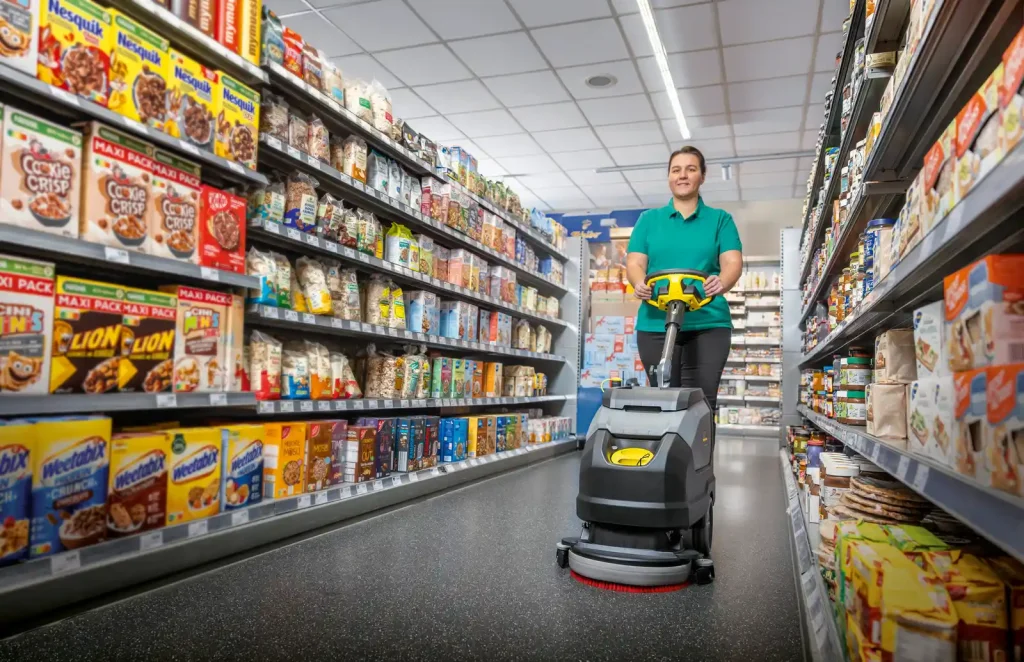
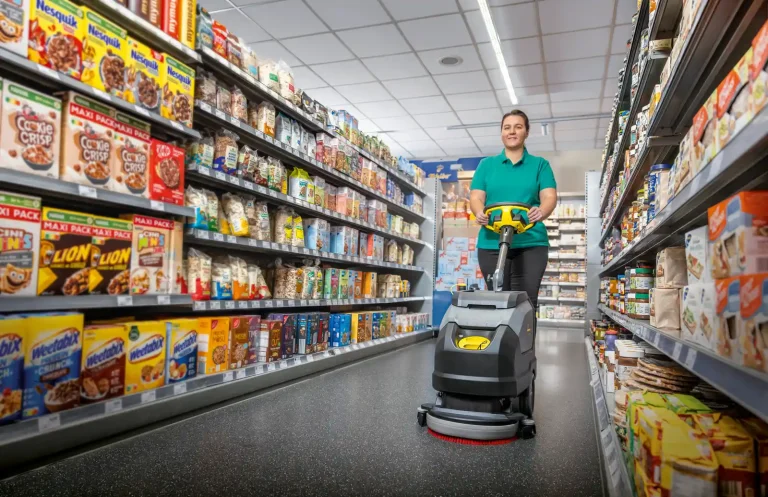
The floors of a busy retail store might appear clean when the doors open, but by the afternoon you can see hundreds of footprints. Shopping carts roll down the aisles, the dirt from parking lots rides in with the customers, and spills happen without warning. That’s why a lot of businesses throughout NJ rely on professional floor cleaning equipment to ensure their stores are clean, safe, and ready for customers every day. A regular cleaning routine will not only improve the look of your floors but also help reduce slip hazards and protect them from unnecessary wear and tear.
Retail environments demand more than occasional mopping after business hours. Large floor areas, constant foot traffic, and different flooring materials require equipment that can clean efficiently without disrupting shoppers. Choosing the right floor care machines allows maintenance teams to work faster while delivering consistent results throughout the facility.
Why Retail Floors Need More Than Traditional Cleaning
Retail floors require constant attention because foot traffic never really slows down. Customers, employees, shopping carts, and merchandise deliveries bring in dust, moisture, sand, and debris throughout the day. Seasonal weather and busy shopping periods only add to the challenge, making entrances, corridors, and checkout areas some of the busiest surfaces in the building. Without regular cleaning, dirt quickly spreads across the sales floor, affecting both appearance and safety.
Traditional mops may remove visible dirt, but they often leave behind moisture and push fine debris across the floor instead of lifting it away. Commercial floor cleaning equipment combines sweeping, scrubbing, and water recovery to deliver cleaner, faster-drying floors. Different flooring materials, including polished concrete, luxury vinyl tile, ceramic tile, epoxy coatings, and sealed concrete, also require the right brushes, pads, and cleaning solutions. Using equipment that’s matched to the flooring helps protect the finish while keeping retail spaces clean, safe, and welcoming for customers.
Common Cleaning Challenges in Retail Stores
Every retail environment faces unique cleaning challenges throughout the day. Understanding where dirt, debris, and spills accumulate helps businesses choose floor cleaning equipment that keeps stores cleaner, safer, and more efficient.
Entrance Areas Collect Dirt Throughout the Day
The entrance of a store is where dirt and sand and moisture and all sorts of debris start to build up. This is because customers bring all this stuff in with them. When it is raining or when it is winter, all this dirt and debris spreads out fast all over the floor where people are shopping. This makes it really hard to keep the place clean. Regular cleaning can stop dirt from getting all over the store. It can also help prevent people from slipping and falling down near the entrance.
Spills and Stains Need Immediate Attention
Stores get messy when things spill on the floor. This happens a lot in supermarkets, convenience stores, food courts, and cafés. When someone spills a drink or drops something, it can make the floor slippery. If the staff does not clean it up, someone might get hurt. That is why stores use machines to clean the floors. These machines help the staff clean up spills quickly so the floors are clean and dry.
Cleaning Around Customers and Store Fixtures
Maintenance teams often need to clean while customers continue shopping. Narrow aisles, checkout counters, promotional displays, and shelving limit the space available for larger cleaning machines. This means there is not a lot of space to move around. So it is better to use cleaning machines that can easily move around these things. This way the maintenance teams can keep the floors clean without getting in the way of the business.
Stockrooms and Food Service Areas Need Different Cleaning Approaches
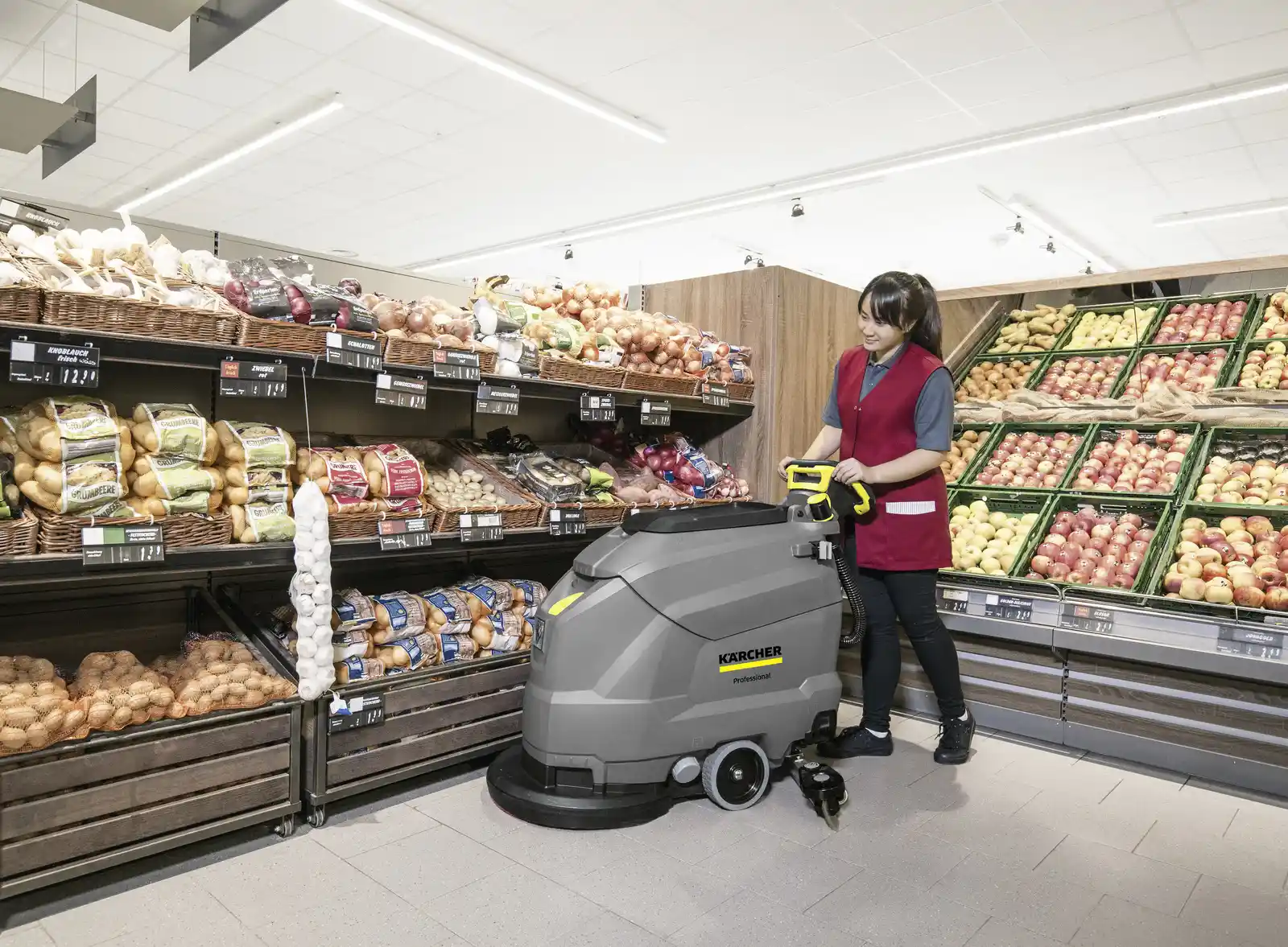
The back rooms and stock areas in a building get cluttered with cardboard scraps and plastic wrap and all the packaging materials. Food courts and cafés have their set of problems with grease and food debris and beverage residue all over the place. The food courts and cafés have to deal with these kinds of messes. The back rooms and stock areas have to deal with their kinds of messes.
Walk-Behind Floor Scrubbers for Everyday Store Cleaning
Walk-behind floor scrubbers are a great choice for retail stores. They are small and easy to use. This makes them very good for cleaning around checkout counters and product displays. The walk-behind floor scrubbers can also get into spaces like narrow aisles and shelving. This means people can clean without getting in the way of customers. Some walk-behind floor scrubbers are battery-powered. They operate quietly during the day when the store’s open without disturbing any customers.
These machines are commonly used in supermarkets, department stores, pharmacies, home improvement stores, shopping plazas, and retail showrooms. If a place is not too big, walk-behind scrubbers are a great choice. They help get the work done and are easy to move and simple to use.
When Ride-On Floor Scrubbers Make More Sense
As retail buildings get bigger, cleaning efficiency becomes just as important as cleaning quality. Shopping centers, warehouse-style retailers, and big stores have lots of space that takes hours to clean with small equipment. In these cases a ride-on floor scrubber really helps to cut down labor. It keeps the cleaning performance steady, which is really important for these areas.
A maintenance supervisor I talked to said that after they started using a ride-on scrubber, the time it took to clean the floors at night cut down from five hours to just over three hours. This extra time helped the maintenance team to clean the entrances, loading areas, and common spaces before the next business day. They were able to do this without hiring staff.
Building a Complete Floor Care Strategy for Retail Facilities
Keeping retail floors clean requires more than a single machine. Different areas of a store face different cleaning challenges throughout the day, from tracked-in dirt at entrances to spills in food service areas and debris in stockrooms. Using the right equipment for each task improves cleaning efficiency while helping maintain a better shopping experience.
Many retail facilities begin by removing loose debris before using floor scrubbers to clean high-traffic surfaces. Exterior sidewalks, loading areas, and parking lot entrances may require pressure washing, while wet/dry vacuums help staff respond quickly to unexpected spills. Retail properties across NJ often achieve better results when floor scrubbers, sweepers, pressure washers, and other cleaning tools work together as part of a complete maintenance program.
The Role of Industrial Sweepers in Retail Cleaning
While floor scrubbers receive most of the attention, industrial sweepers play an important role in maintaining retail environments. Loose debris such as dust, cardboard fibers, packaging material, leaves, and dirt can quickly spread throughout a facility if it isn’t removed first. Sweeping before scrubbing also improves cleaning results by allowing scrubbers to focus on removing stains and embedded dirt rather than collecting larger debris.
Shopping centers with open spaces, garden centers, areas where they get deliveries, and stockrooms use sweepers. If you clean up the debris and trash before people walk on it and track it onto the floors where people shop, it makes cleaning easier. The floors look nicer all day.

Commercial Pressure Washers for Exterior Retail Areas
Customers often form their first impression before they even walk through the entrance. The sidewalk, the path to the store, the area where they load things, the place where the trash cans are, and the way to get to the parking lot can all get really dirty. They get gum, grease, and dirt on them that is hard to clean. Commercial pressure washers are really good at cleaning these areas and making them look nice again. They can get rid of all the dirt and stuff that builds up over time.
Regular pressure washing helps keep a place looking clean. It also stops dirt from building up and becoming hard to clean. Many retail stores clean the outside regularly. This helps keep the entrance looking good and welcoming for customers all year round.
Wet/Dry Vacuums Help Handle Unexpected Spills
Retail environments are unpredictable. Beverage spills, leaking refrigeration units, weather-related moisture, and maintenance emergencies can happen without warning. When standing water remains on the floor, safety quickly becomes a concern. Wet/dry vacuums allow employees to remove water and debris much faster than mops or towels. Many facility managers keep these machines readily available because quick response times help reduce slip hazards and minimize disruptions to shoppers and store operations.
Choosing Cleaning Chemicals That Match Your Flooring
Using the right cleaning chemical is just as important as choosing the right floor cleaning equipment. Different flooring materials respond differently to cleaning solutions, and the wrong product can leave residue, dull the finish, or reduce overall cleaning performance. Professional-grade cleaning chemicals are formulated to remove dirt, grease, and everyday grime while protecting the floor surface. Matching the cleaner to the flooring material helps deliver better results and supports long-term floor care.
Common retail flooring surfaces include polished concrete, luxury vinyl tile (LVT), ceramic and porcelain tile, sealed concrete, epoxy-coated flooring, and commercial vinyl flooring. Using the appropriate cleaning solution for each surface helps maintain its appearance, protects the finish, and extends the life of the flooring.
Features Worth Looking for Before You Buy
Many buyers focus on machine size while overlooking features that affect day-to-day performance. The right equipment should make cleaning easier, reduce maintenance requirements, and fit naturally within the facility’s workflow. Practical features often provide more long-term value than extra options that rarely get used.
Some of the most important features include:
- Quiet operation for cleaning during business hours
- Efficient water recovery systems that leave floors dry
- Long battery runtime for extended cleaning sessions
- Easy-to-replace brushes, pads, and filters
- User-friendly controls that simplify training
- Durable construction designed for commercial use
- Accessible service points for routine maintenance
Test a Floor Scrubber in Your Store Before Buying
A retail floor scrubber demonstration should use your actual aisles, entrances, and checkout areas. An empty warehouse demonstration may not reveal problems around fixtures or promotional displays. Include the narrowest routes and the areas that take staff longest to clean.
Use a representative floor with normal soil levels and the correct pad, brush, and detergent for that surface. Inspect the result after cleaning, including corners and turning points. Check whether operators can reach important areas without repeatedly moving displays or switching to manual tools.
Measure the complete task rather than the time spent scrubbing alone. Include filling, setup, tank emptying, and cleaning the machine afterward. This gives a more realistic view of commercial floor scrubber productivity than an advertised coverage figure.
Ask a regular staff member to operate the machine after instruction. Check visibility, control access, and ease of turning through the store. A successful trial should show that your team can achieve the required result within the available cleaning window.
Routine Maintenance Helps Equipment Last Longer
Commercial cleaning equipment performs best when maintenance becomes part of the daily routine. Floor scrubbers, sweepers, pressure washers, and wet/dry vacuums all experience wear from constant use. A few minutes of maintenance after each shift can prevent larger problems and help maintain cleaning performance.
Operators should regularly inspect brushes, pads, filters, hoses, batteries, and recovery systems. Cleaning debris from moving components and following proper charging procedures also helps extend equipment life. In practice, equipment performance usually declines gradually long before a breakdown occurs, making routine inspections especially valuable.
Why a Floor Scrubber Leaves Water or Streaks Behind
A floor scrubber leaving water behind needs attention before the area returns to normal customer use. Follow the machine’s shutdown instructions before inspecting it. Check the squeegee for trapped debris, damage, or incorrect positioning according to the operator manual.
Also check the recovery tank, accessible filters, and recovery hose as directed by the manufacturer. A full tank or restricted recovery path can affect pickup. Note whether the problem occurs everywhere or mainly during turns, since that detail helps a technician assess the fault.
A floor scrubber leaving streaks may need a different check. Confirm detergent dilution, pad or brush condition, and whether the cleaner suits the floor finish. Adding more chemicals can leave additional residue rather than solve the problem.
Test any permitted adjustment on a small area before continuing across the sales floor. If poor pickup or streaking persists, record the settings and symptoms for service support. Keep affected areas controlled until the floor meets the store’s reopening requirements.
Why Local Service Support Matters
Retail stores are open for hours and follow strict cleaning schedules. When machines break down suddenly, it causes delays and affects daily work. The stores need to get replacement parts, do maintenance, and fix things fast. Retail facilities need to work to avoid delays; daily operations depend on equipment working properly, and replacement parts and repair services are crucial for operations.
When I talk to the people in charge of facilities, they always say that getting help when they need it is really important. A machine can work great for a time, but it is also good to have someone nearby who can fix it and get the parts needed to keep the cleaning programs going when something goes wrong. Facility managers like having local technicians and parts available because it helps them keep everything running smoothly.
Choosing the Right Floor Cleaning Equipment for Your Facility
The best cleaning equipment depends on more than the size of your building. Your store layout, flooring material, customer traffic, and cleaning schedule all play a role in determining which machines will deliver the best results.
Consider Your Store Layout
Stores with narrow aisles, checkout lanes, and display fixtures usually benefit from compact walk-behind floor scrubbers. These compact walk-behind floor scrubbers can easily move around things that’re in the way. On the other hand, big shopping centers and warehouse-style stores usually do better with ride-on machines. The ride-on machines are good for cleaning open spaces. If you pick the equipment for your store layout, the people who clean will be able to do their job better without bothering the customers.
Match Equipment to Your Flooring
Retail properties usually have a lot of flooring materials all in one place. Ceramic tile, polished concrete, luxury vinyl tile, epoxy coatings, and sealed concrete, each of these flooring materials needs its special brushes and cleaning stuff. If you use the brushes and cleaning solutions, for each floor type, it helps get the dirt out without messing up the floors’ finish. This way the floor will last a long time.
Think About Daily Cleaning Demands
Some stores need to be cleaned every day. Supermarkets and grocery stores are different. They need to be cleaned all the time when they’re open. Facilities with a lot of people coming in and out need machines. These machines have tanks that hold a lot of cleaning liquid. The machines also have batteries that last a long time. They can clean a big area at once. This helps to get the job done faster.
Don’t Overlook Service and Support
The machine itself is part of what you pay for. Think about maintenance that you can count on, like getting replacement parts when you need them, fixing the equipment when it breaks, and getting help from people who know what they are doing. This helps your cleaning program keep going without any problems. If you work with a supplier that helps you out all the time, you will not have to stop working much, and your equipment will last longer.

Common Mistakes When Purchasing Floor Cleaning Equipment
Many businesses focus on the purchase price while overlooking factors that affect long-term performance. A machine that’s too large for the sales floor or too small for the facility may reduce productivity instead of improving it. Looking beyond specifications often leads to a smarter investment.
Some of the most common buying mistakes include:
- Purchasing equipment that doesn’t match the building layout.
- Using residential-grade machines in commercial environments.
- Ignoring battery runtime and recovery tank capacity.
- Choosing the wrong brushes or cleaning pads for the flooring.
- Overlooking replacement parts and local equipment service.
- Selecting cleaning chemicals that aren’t designed for commercial floors.
Compare Buying and Renting by Total Cleaning Cost
Buying may suit a store with predictable daily cleaning needs and suitable storage. Renting can help with temporary workloads, refurbishment cleanup, or an equipment trial. Compare both options against the expected hours of use rather than the upfront price alone.
For ownership, include delivery, training, pads or brushes, squeegee replacements, battery care, and servicing. Also consider the cost of arranging replacement equipment during repairs. These expenses help establish commercial floor scrubber operating costs over the period you expect to use the machine.
When comparing floor cleaning equipment rental in NJ, check what the quoted rate includes. Ask about delivery, collection, consumables, cleaning requirements, and responsibility for damage. Confirm the rental period and any additional charges before comparing it with ownership.
Use cost per completed cleaning task as a practical comparison. Divide the relevant equipment and operating expenses by the number of tasks completed during that period. Include labor separately, and count saved staff time as a payroll saving only when payroll actually changes.
Cleaner Floors Improve the Customer Experience
Clean floors are really important. They do a lot more than look good. Clean floors make the place safer for people who are shopping. They reduce the risk of slipping and falling. They also make the floors last longer and help the people who work there keep everything neat and tidy. When the floors are always clean, it makes an impression on people as soon as they walk in the building.
The right equipment helps maintenance teams to save time on cleaning tasks. They can focus more on making the facility look good. Mops and manual cleaning are not very efficient. Businesses can keep their floors clean and shiny all day with the equipment. The equipment helps to keep the floors in condition. It also makes the cleaning process much easier.
Conclusion
Retail stores and shopping centers operate in fast-moving environments where clean floors contribute to both safety and customer satisfaction. Investing in professional floor cleaning equipment helps businesses remove dirt more efficiently, protect flooring, and maintain a welcoming shopping environment every day. When floor scrubbers, industrial sweepers, commercial pressure washers, wet/dry vacuums, and professional cleaning chemicals work together, routine maintenance becomes faster and far more consistent.
For retail stores, supermarkets, shopping malls, grocery stores, and commercial properties, partnering with an experienced equipment supplier provides long-term value. Pressure King offers commercial floor scrubbers, industrial sweepers, pressure washers, wet/dry vacuums, replacement parts, commercial cleaning chemicals, equipment maintenance, and repair services to help businesses maintain cleaner, safer floors with dependable equipment and expert support.
Frequently Asked Questions (FAQ’s)
What is the best floor cleaning equipment for a retail store?
Walk-behind floor scrubbers are a popular choice for most retail stores because they’re compact, easy to maneuver, and effective on a variety of commercial flooring surfaces.
How often should retail store floors be cleaned?
High-traffic areas such as entrances, checkout lanes, and main aisles often require cleaning several times a day, while complete floor cleaning is typically performed after business hours.
Can floor scrubbers clean different types of retail flooring?
Yes. Commercial floor scrubbers can clean polished concrete, ceramic tile, luxury vinyl tile, sealed concrete, and epoxy-coated floors when paired with the correct brushes, pads, and cleaning solutions.
Why are industrial sweepers used in shopping centers?
Industrial sweepers remove dust, dirt, leaves, packaging materials, and loose debris before scrubbing, helping improve cleaning efficiency and reduce wear on floor scrubbers.
Why is equipment maintenance important?
Routine maintenance keeps floor cleaning equipment operating efficiently, reduces unexpected breakdowns, extends machine life, and helps maintain consistent cleaning performance throughout the year.

Michael Adeniran is the CEO of Pressure King Inc. He has been dealing in commercial cleaning equipment for many years. He is one of the leading specialists and experts in commercial cleaning products.


