


Safety Tips for Using Industrial Floor Cleaning Equipment
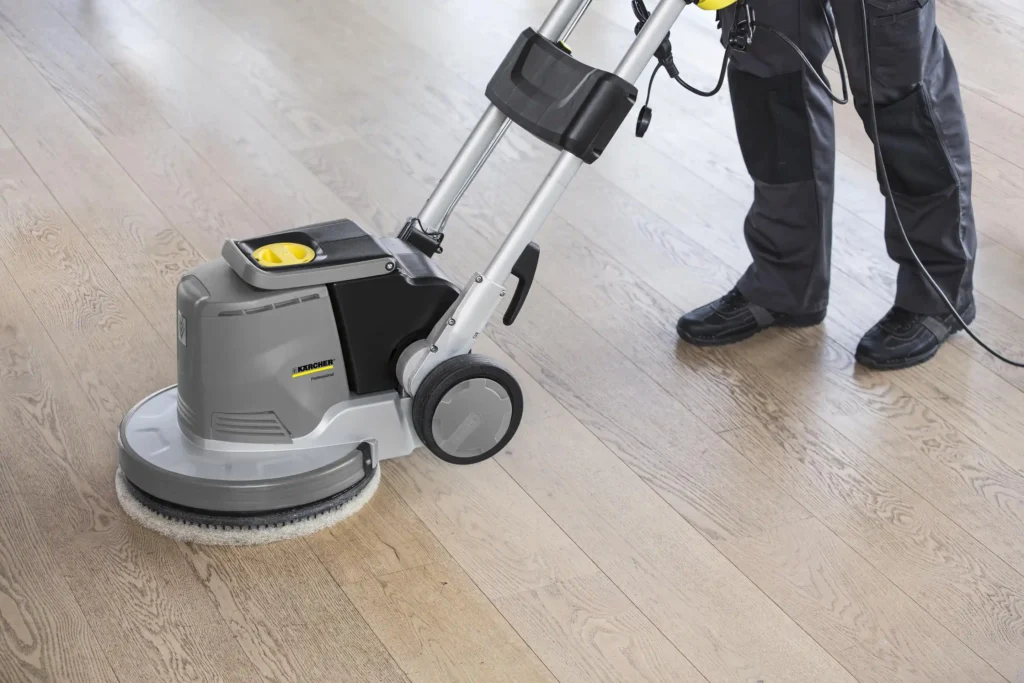
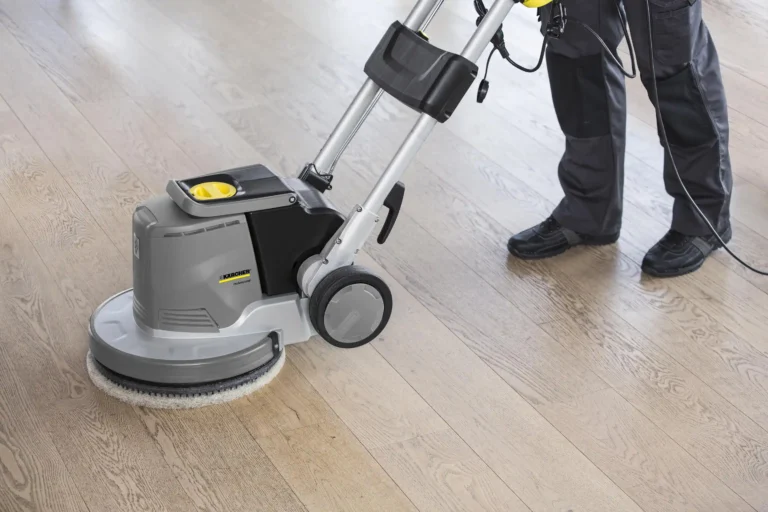
Industrial floor cleaning machines are used to take care of cleanliness in commercial premises, warehouses, and large-scale places. Nevertheless, their strong motors, sharp parts, and heavy-duty design are associated with risks when people do not use them properly. It could be either an auto-scrubber, sweeper, or buffer, but there must be a usage protocol that should be followed to ensure it does not cause accidents, injury, or machine breakage.
In this blog, effective and practical safety measures of floor cleaning machines targeted at the training of the operator and the common hazards and their prevention will also be described. Introducing these good practices guarantees not only a cleaner facility but also a safer facility. Risk reduction and optimal use of equipment life extend to the end of their useful service can be supported by businesses and cleaning staff according to this guide.
In case you have a facility that utilizes commercial scrubbers or are planning on updating your fleet, the following commercial scrubber safety practices are a mandatory part of ensuring both your personnel and investment stay safe.
A complete industrial floor cleaning equipment safety program should cover more than machine operation. Facility managers must also address operator authorization, chemical handling, battery charging, pedestrian control, maintenance, and post-use inspections. Combining these measures creates a safer cleaning process and helps businesses avoid preventable equipment downtime.
Why Safety Matters with Industrial Cleaning Machines
The industrial cleaning machines cannot be operated without safety. These machines are power-efficient and fast-riding, but a lack of precaution may cause dangerous accidents in workplaces. Accidents that happen with cleaning equipment end up in injuries, damage to property, and legal or insurance mess.
By following the safety standards of the floor cleaning machines, the risks are minimized, and cleaning activities are still maintained promptly. Sprains, electric shocks, or chemical contact could be avoided by simple knowledge and preparation.
Why safety is critical:
- Protects operators and bystanders from injury
- Prevents downtime caused by accidents or equipment failure
- Ensures regulatory compliance (e.g., OSHA, ANSI)
- Improves productivity through uninterrupted cleaning routines
- Preserves equipment lifespan, reducing replacement and repair costs
Stiff commercial scrubber safety measures are more than just safety to the workers, but also a protective measure to your brand and business progress.
Operator Training: The First Line of Defense
Whatever the level of cleaning equipment, the weakest point is untrained personnel handling it. The most significant aspect of a safety plan associated with any floor cleaning machine consists of structured operator training. Before operating a scrubber or sweeper, all employees should be trained both in the classroom and on the job.
Training should cover:
- Basic machine operation and controls
- Start-up and shut-down procedures
- Emergency features like safety switches and cutoffs
- Battery and fuel handling protocols
- Routine maintenance, such as cleaning tanks and replacing brushes
- Personal protective equipment (PPE) usage
Training documents or certification are highly encouraged. Refresher activities are performed regularly to maintain the level of compliance with the current commercial scrubber safety recommendations and to support new equipment or personnel.
Once training is taken seriously, operators become informed users who can create both safety and efficiency and minimize the chances of making costly mistakes.
Common Hazards and How to Avoid Them
Although it is convenient, industrial cleaning machines pose potential risks that are injurious or damaging to property when not attended to. The initial step towards effective floor cleaning machine safety is being aware of such threats.
Common Hazards:
- Slips and Falls: Wet floors or chemical spills can cause accidents.
Solution: Use wet floor signs and allow time for drying. - Electrical Shock: Damaged cords or exposed wiring.
Solution: Inspect electrical components before use; never use near water. - Mechanical Injuries: Contact with moving parts during operation or maintenance.
Solution: Turn off and unplug before performing any cleaning or repairs. - Poor Visibility and Obstacles: Restricted line of sight or crowded areas.
Solution: Clean during low-traffic hours; pre-clear the path.
Enforcing commercial scrubber safety guidelines requires awareness, enforcement, and a culture of accountability. By proactively identifying and addressing hazards, facilities can dramatically reduce incident rates.
Chemical and Detergent Safety
Cleaning chemicals can create risks when they are mixed incorrectly, handled without protection, or used in poorly ventilated spaces. Operators should follow the product label, facility procedures, machine instructions, and the chemical’s Safety Data Sheet.
Use the Correct Cleaning Solution
Only detergents approved for the machine and floor type should be used. The wrong product may produce excessive foam, damage internal components, leave a slippery residue, or affect the floor finish.
Wear Appropriate PPE
Required protection depends on the chemical and task. Gloves, safety glasses, non-slip footwear, or protective clothing may be necessary. OSHA advises employers to assess workplace hazards and provide suitable personal protective equipment where required.
Never Mix Chemicals Without Authorization
Operators should never combine cleaning products unless the manufacturer specifically permits it. Chemical containers should remain labeled, closed, and stored according to facility procedures.
This section strengthens industrial floor cleaning equipment safety by addressing chemical exposure, which is not covered fully in the original article.
Battery Charging and Fuel Safety
Battery-powered and fuel-powered machines require different safety procedures. Operators should follow the equipment manual and complete charging or refueling only in designated areas.
Battery-Powered Equipment
Inspect batteries, terminals, cables, and connectors for corrosion, looseness, leaks, or damage. Keep metal tools and open flames away from charging batteries, and use the charger specified for the machine. Charging areas should meet the manufacturer’s ventilation and safety requirements.
Fuel-Powered Equipment
Shut down the machine before refueling and allow hot components to cool when required. Fuel should be handled in an approved location away from sparks, flames, and occupied indoor areas. Fuel-powered equipment should only be used in environments permitted by its manufacturer and facility safety procedures.
Pre-Operation Safety Checklist
A pre-operation checklist is a vital part of floor cleaning machine safety and should be completed before every use. This simple habit can prevent accidents, minimize downtime, and alert operators to issues before they escalate.
What to Check:
- Inspect machine parts for wear and damage (wheels, brushes, hoses)
- Check fluid levels (detergents, water, fuel/battery charge)
- Verify cord integrity (no fraying or exposed wires)
- Test safety features (emergency shutoff, brakes, lights)
- Ensure PPE (non-slip footwear, gloves, safety glasses) is worn
- Clear the surrounding area for safe machine movement
Operators should document each inspection and report any concerns immediately. This level of diligence supports both commercial scrubber safety guidelines and overall machine performance.
By making this checklist part of the standard routine, businesses improve safety while extending the operational lifespan of their equipment.
Equipment-Specific Tips
Industrial floor cleaning machines come in a variety of types—each with its own operational characteristics, hazards, and safety requirements. Tailoring your safety practices to the specific machine being used is essential for maximizing productivity while minimizing risk. Understanding equipment-specific behavior is a critical aspect of effective floor cleaning machine safety.
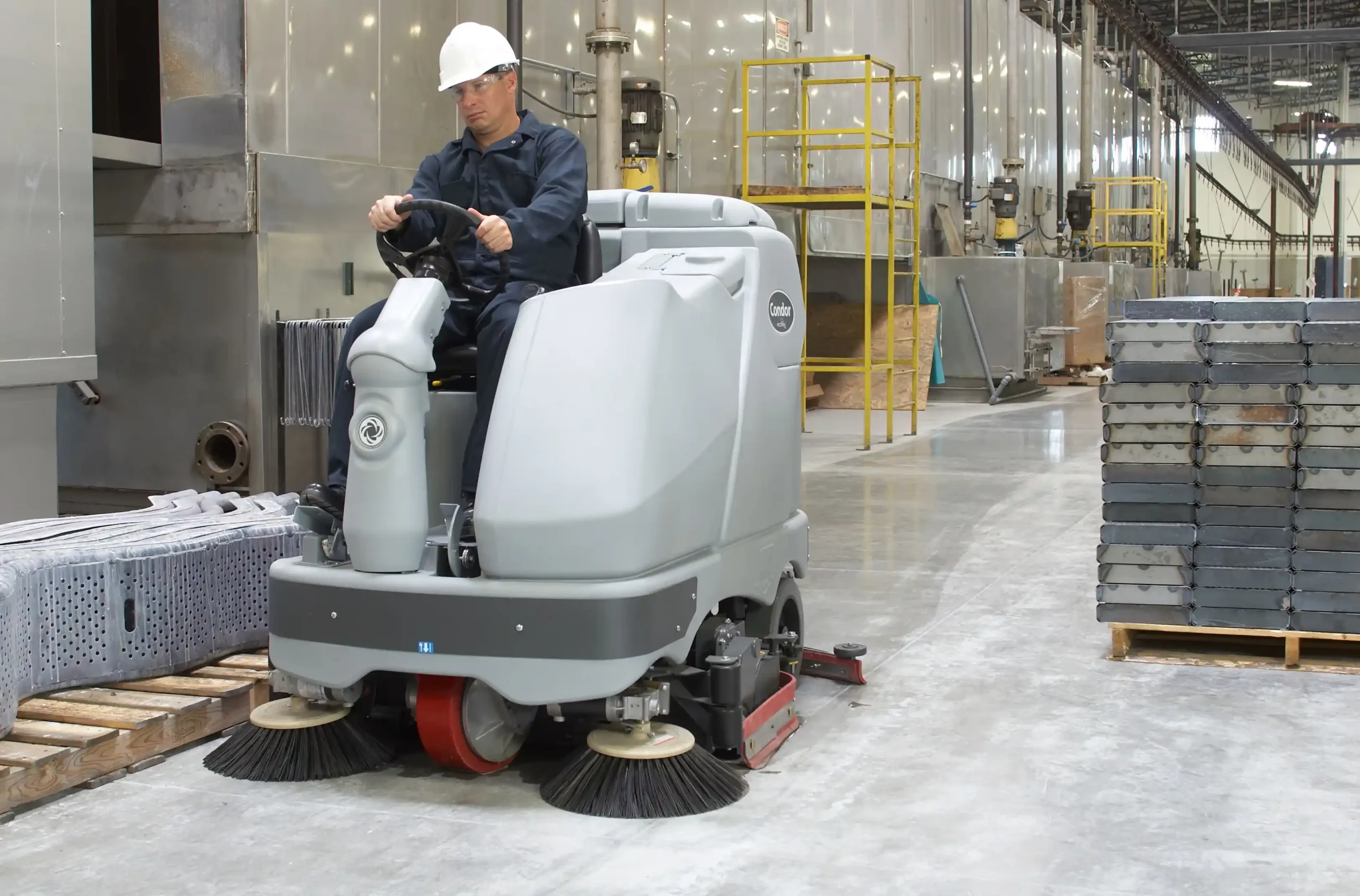
Ride-On Scrubbers
Ride-on scrubbers offer high productivity but can be hazardous without proper care. These machines are larger, heavier, and often used in spacious areas such as warehouses or airports.
- Always inspect blind spots before moving. Use mirrors or cameras if available.
- Wear a seatbelt if the machine is equipped with one.
- Operate at low speeds, especially around corners or loading docks.
- Ensure adequate clearance in doorways and aisles to prevent collision.
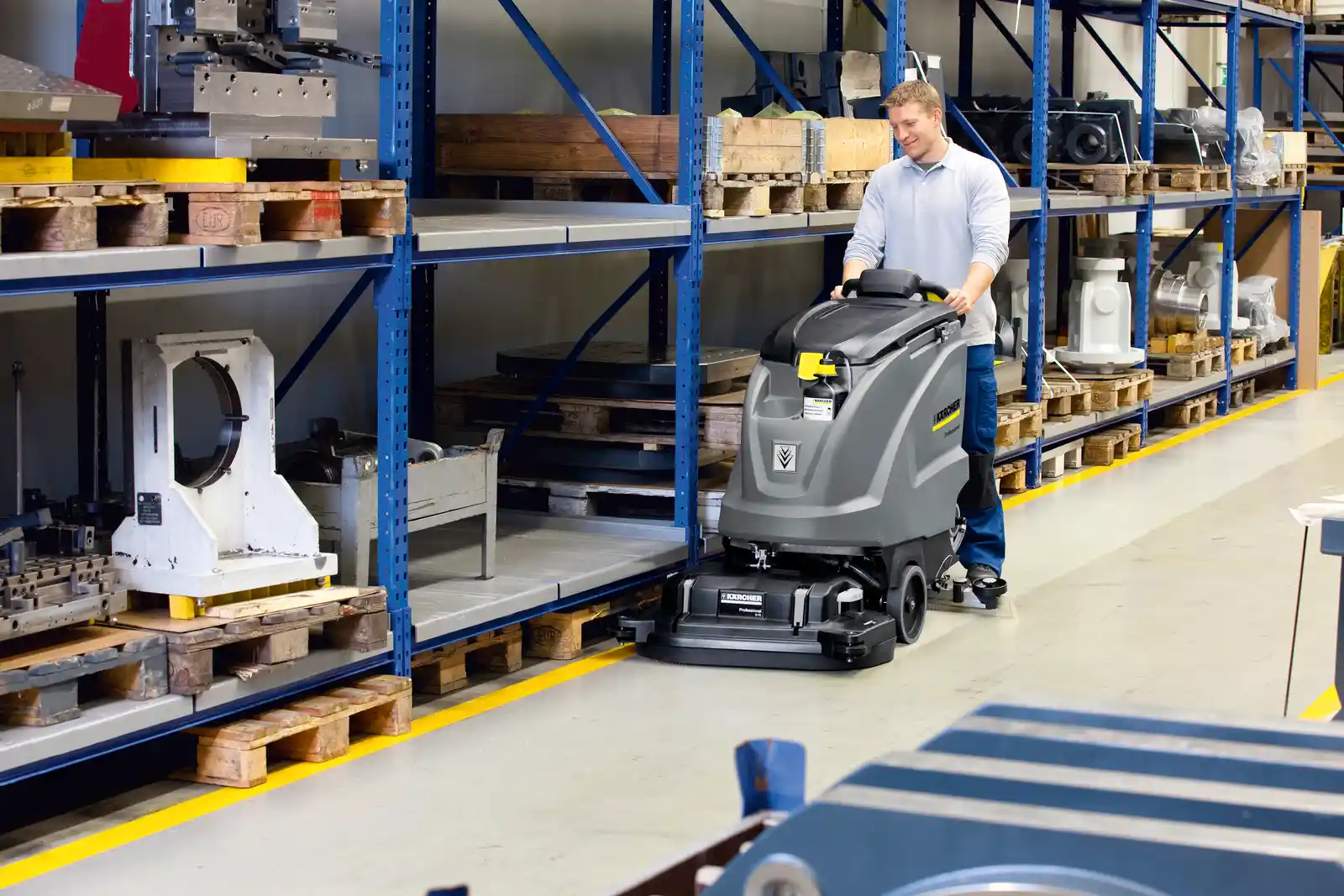
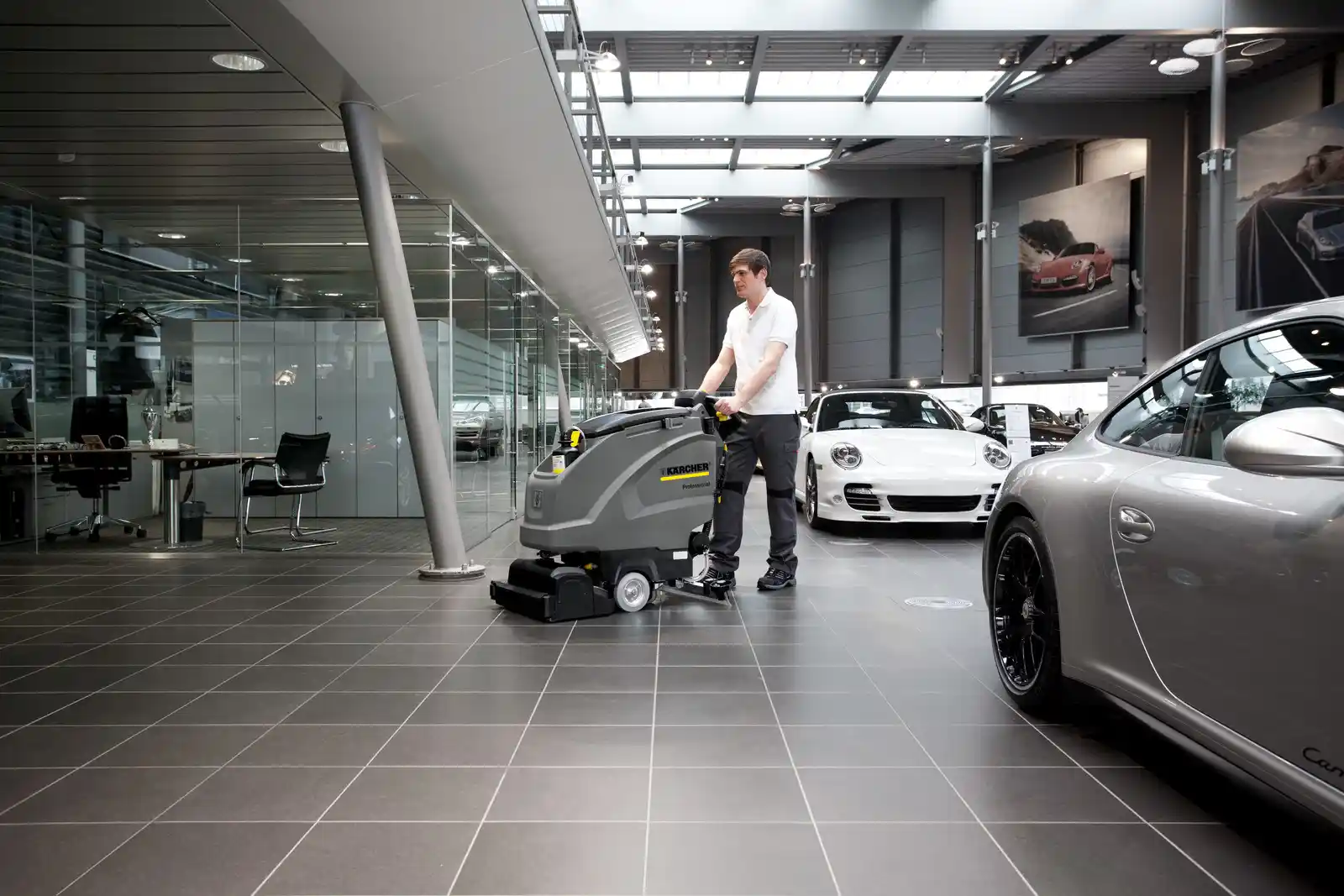
Walk-Behind Scrubbers
Walk-behind scrubbers are more compact and suited for maneuvering in tight areas like schools or retail stores, but they still pose risks when misused.
- Use both hands on the handle and maintain good posture to prevent strain.
- Avoid jerky movements and let the machine guide itself smoothly.
- Pay attention to floor conditions to prevent slipping, especially near spills.
Buffers and Burnishers
These high-speed machines can deliver exceptional shine but are known for their torque and power.
- Start at the lowest speed setting until control is established.
- Keep the machine balanced and avoid buffing over wet or uneven surfaces.
- Always keep hands and feet away from the rotating pad.
Adhering to commercial scrubber safety guidelines for each type of equipment reduces wear and tear, prevents injuries, and ensures optimal performance. Training your team on machine-specific safety is just as important as general protocols. When operators respect the nuances of their equipment, your facility benefits from both safer operations and cleaner results.
Safe Maintenance and Energy Isolation
Operators should switch off the machine, remove the key, disconnect the power source, and follow the manufacturer’s maintenance instructions before clearing debris or touching moving components.
More involved maintenance may require formal energy-control procedures. Employees should not repair electrical systems, batteries, motors, hydraulic components, or safety devices unless they are qualified and authorized to do so.
A structured industrial floor scrubber maintenance program should record recurring leaks, unusual noise, reduced suction, steering problems, worn brushes, damaged squeegees, and battery-performance issues. Early reporting allows technicians to correct problems before they create larger safety or repair concerns.
When to Remove a Floor Cleaning Machine From Service
A machine should not remain in operation when a defect could affect steering, braking, electrical safety, stability, visibility, or control. Operators should stop using the equipment and notify a supervisor when they notice:
- Damaged electrical cords or connectors
- Fluid, fuel, or battery leaks
- Defective brakes or steering
- Missing guards or safety devices
- Unusual vibration, heat, smoke, or noise
- Damaged wheels, brushes, pads, or squeegees
- Warning lights that remain active
- A nonfunctioning emergency shutoff
The machine should be marked or secured against further use until an authorized technician has inspected it.
Build a Documented Floor Scrubber Safety Program
A strong safety program should define who may operate each machine, what training is required, how inspections are documented, and how defects are reported. It should also establish approved cleaning chemicals, PPE requirements, traffic-control procedures, and maintenance responsibilities.
A written floor scrubber inspection checklist gives supervisors evidence that essential checks were completed. It also helps identify repeated problems that may indicate poor operator practices, overdue maintenance, or equipment that no longer suits the facility.
Refresher scrubber operator training should be provided when a new machine is introduced, an employee changes equipment, an incident occurs, or unsafe operating behavior is observed.
Choose Equipment That Matches Your Facility
Safe operation begins with selecting the right machine for the environment. A large ride-on scrubber may improve productivity in an open warehouse but create visibility or maneuvering problems in narrow aisles. A walk-behind model may offer better control in schools, stores, offices, and facilities with confined spaces.
Before purchasing or renting equipment, consider the floor area, surface type, aisle width, slopes, pedestrian traffic, door clearances, charging facilities, operating time, and available maintenance support. Pressure King Inc. can help businesses compare industrial floor scrubbers, sweepers, and related cleaning equipment according to their facility requirements.
Professional product guidance can prevent a business from choosing a machine that is too large, too small, or poorly suited to its operating conditions. It can also help managers plan training, maintenance, parts, and repair support before equipment enters service.
Create an Emergency Response Procedure
Operators should know what to do if a machine collides with an object, tips, develops an electrical problem, leaks chemicals, or causes an injury. Emergency procedures should identify who must be contacted, how the area will be secured, and when the machine must be removed from service.
Employees should report incidents and near misses even when no injury occurs. Reviewing these events can reveal problems involving training, traffic routes, equipment condition, or supervision before a more serious accident happens.
Conclusion
Industrial floor cleaning equipment delivers incredible productivity but only when used safely. Through proper operator training, hazard awareness, and consistent procedures, businesses can protect both workers and machines. The combination of a thorough floor cleaning machine safety strategy and adherence to commercial scrubber safety guidelines ensures you get the best results without risking downtime, injuries, or expensive repairs.
Facility managers should match each machine to the floor, building layout, traffic level, and cleaning workload. They should also document inspections, remove defective machines from service, and arrange qualified maintenance when problems appear.
Pressure King Inc. provides floor scrubbers, sweepers, cleaning chemicals, parts, rentals, and equipment support for commercial and industrial facilities. Businesses that need help selecting or maintaining the right machine can contact the team for professional guidance.
FAQs
How often should a floor scrubber be inspected?
Operators should inspect a floor scrubber before each use and complete the maintenance checks required by its manufacturer. High-use equipment may also need documented post-shift, weekly, and scheduled technician inspections.
What PPE is required when operating a floor scrubber?
PPE depends on the machine, cleaning chemicals, environment, and facility risk assessment. Common items include non-slip footwear, gloves, and safety glasses. Operators should follow the chemical label, Safety Data Sheet, equipment manual, and workplace procedures.
When should an industrial floor scrubber be removed from service?
Remove the machine from service when damaged cords, leaks, defective brakes, steering problems, missing guards, unusual noises, or failed safety controls could make operation unsafe. An authorized technician should inspect it before reuse.
Can anyone operate a ride-on floor scrubber?
Only trained and authorized employees should operate a ride-on scrubber. Training should cover controls, inspections, blind spots, speed, turning, ramps, pedestrian traffic, emergency procedures, and the manufacturer’s operating limitations.
How can regular maintenance improve floor scrubber safety?
Regular maintenance helps identify worn brushes, damaged squeegees, battery problems, leaks, loose connections, and defective controls. Correcting these issues early supports safe operation, reduces breakdowns, and helps extend equipment life.

Michael Adeniran is the CEO of Pressure King Inc. He has been dealing in commercial cleaning equipment for many years. He is one of the leading specialists and experts in commercial cleaning products.


