


How to Maintain and Service Your Commercial Floor Cleaning Machine
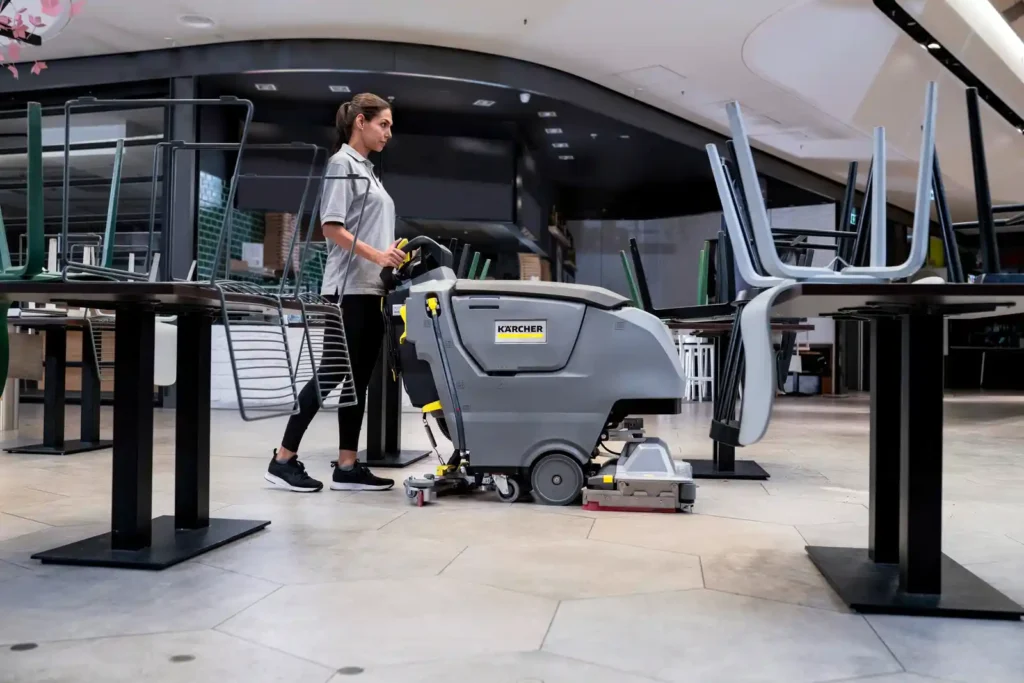
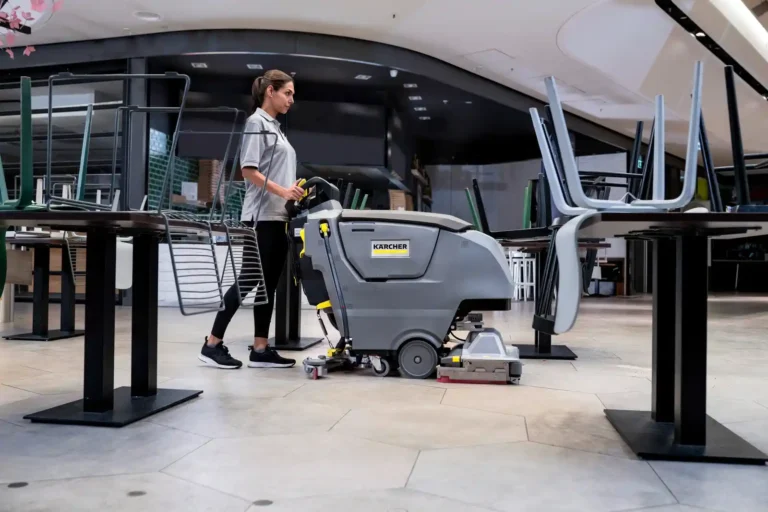
A commercial floor scrubber is a major investment for businesses that depend on clean, safe, and professional-looking floors. However, even the most reliable machine requires regular floor scrubber maintenance to maintain cleaning performance, prevent unexpected breakdowns, and extend equipment life.
The right maintenance routine helps businesses avoid costly repairs, reduce downtime, and keep cleaning operations running smoothly. Simple daily checks, weekly inspections, and scheduled professional servicing can make a significant difference in machine efficiency and reliability.
Whether you manage a warehouse, healthcare facility, retail space, school, or commercial building, understanding proper maintenance practices is essential. In this guide, we explain daily, weekly, and monthly maintenance tasks, when to choose DIY care, when to call professionals, and how proper servicing protects your investment.
Why Commercial Floor Scrubber Maintenance Is Important for Businesses
Commercial floor scrubbers operate in demanding environments where dirt, debris, chemicals, and constant use can affect performance. Without proper maintenance, small issues can quickly become expensive repairs and reduce cleaning efficiency.
Regular commercial machine servicing helps businesses:
- Maintain consistent cleaning results
- Reduce equipment downtime
- Improve operator safety
- Extend machine lifespan
- Prevent expensive replacement costs
For facilities that rely on floor cleaning equipment every day, maintenance should be considered part of daily operations rather than an occasional task. A structured maintenance plan ensures that machines remain ready whenever cleaning is required.

Daily Maintenance Checklist
Performing daily floor scrubber maintenance ensures your machine is clean, safe, and ready for each shift. After every use, complete the following:
- Empty and rinse the recovery tank to prevent odors
- Refill or empty the solution tank
- Clean the brushes or pads thoroughly
- Inspect squeegee blades for debris or cracks
- Recharge the battery (if applicable)
- Wipe down the exterior and check for visible damage
They are very simple tasks that just consume a few minutes but produce a significant effect on the performance and cleanliness of the machines. When one leaves dirt or wetness in the tanks, rotting of bacteria, clogging of hoses, and suction can occur. This checklist should be regularly filled in by operators to avoid accumulation or wear out. Accountability can be enforced through daily check logging of the checks done regularly to detect early warning signals before they involve extra costs in repair.
Weekly Maintenance Checklist
Once a week, go beyond surface-level cleaning and dive into slightly more detailed floor scrubber maintenance tasks. Weekly upkeep reduces the risk of unnoticed wear and ensures the equipment stays in good shape over time. Tasks include:
- Deep-cleaning solution and recovery tanks
- Checking battery water levels and connections
- Cleaning suction filters and vacuum hoses
- Inspecting pads, brushes, and squeegees for wear
- Tightening loose screws or bolts
These measures are useful when avoiding inefficiencies of the system and safeguarding internal parts. In the case where your machine is operated in a dusty or greasy environment, frequency increment may be appropriate. Train personnel to do these jobs and document everything by using a checklist. In the case of the facilities that handle large numbers of units, this can be achieved by appointing a particular day of the week to perform maintenance and developing digital records to keep track of patterns. Attending to the teeth regularly with consistency in which it can be once a week is a clever way of prevention besides saving time and money.
Monthly Maintenance Checklist
Monthly commercial machine servicing involves more in-depth inspections that are essential for performance and longevity. These checks often require technical familiarity and should be handled by trained personnel or service partners. Include the following tasks:
- Inspect motor performance and check vacuum suction
- Test the control panel, lights, and battery indicators
- Lubricate moving parts where applicable
- Examine drive systems and steering mechanisms
- Review overall wear on belts and hoses
Review manufacturer guidelines to ensure proper intervals and techniques. Monthly inspections can reveal slow-developing issues like uneven brush wear or electronic malfunctions before they disrupt operations. Document all findings in a logbook and schedule repairs or replacements as needed. This structured maintenance approach aligns with professional standards, supports safety compliance, and protects your equipment warranty. Monthly attention is key to long-term reliability.

Common Signs Your Floor Scrubber Needs Maintenance
Knowing when your machine requires attention can prevent small problems from becoming major failures. Businesses should monitor equipment performance and address warning signs quickly.
Reduced Cleaning Performance
If your floor scrubber leaves behind dirt, streaks, or excess water, the issue may be related to worn brushes, damaged squeegees, clogged filters, or reduced suction performance.
Unusual Noise or Vibration
Strange sounds, shaking, or unusual movement may indicate problems with motors, brushes, wheels, or internal components. Early inspection can prevent further damage.
Water Flow or Suction Problems
A floor scrubber that does not distribute cleaning solution properly or fails to collect dirty water may require filter cleaning, hose inspection, or professional repair.
Battery and Power Issues
For battery-powered machines, shorter operating times or charging problems can indicate battery wear or electrical issues that require attention.
DIY Maintenance: What Your Team Can Handle
Many floor scrubber maintenance tasks can be handled by your in-house team. These include:
- Daily tank and pad cleaning
- Filter and hose inspection
- Squeegee replacement
- Pad or brush swapping
- Routine battery charging and inspection
DIY servicing is cost-effective and helps address minor issues promptly. Equip your staff with proper training, maintenance logs, and replacement parts. However, DIY has limitations. Your team may not have access to diagnostics tools or specialized components required for deep repairs. Improper handling can void warranties or cause damage. Keep clear boundaries between what your team should handle and when to escalate. For most businesses, combining DIY routines with scheduled commercial machine servicing is the best strategy.
Professional Servicing: When to Call the Experts
While daily and weekly upkeep can be performed internally, professional commercial machine servicing is crucial for complex issues and long-term upkeep. You should contact a technician if:
- The motor overheats or fails to start
- There are electrical faults or panel issues
- Suction or water flow is reduced
- There’s damage to structural or drive components
Professionals use diagnostic tools, OEM parts, and certified service protocols to maintain warranty integrity. Scheduled service contracts can also offer preventative visits, saving you from unexpected breakdowns. Working with a qualified provider ensures your scrubber remains in top condition without burdening your internal team. For large facilities or mission-critical operations, professional support adds a layer of reliability and performance assurance that DIY can’t match.
Maintenance Recordkeeping & Scheduling Tips
Proper maintenance isn’t just about doing the work – it’s about keeping track of it. Implement a log system to record each floor scrubber maintenance task completed. Use templates or digital tools that document:
- Date and time of maintenance
- Parts cleaned, replaced, or serviced
- Operator or technician name
- Noted issues and action taken
Set recurring reminders for daily, weekly, and monthly checks. Assign team members as maintenance leads and rotate responsibilities for cross-training. Label machines with next inspection dates and keep printed checklists nearby. For multi-machine facilities, consider using facility management software to streamline tracking. Good documentation ensures compliance, supports insurance or warranty claims, and identifies patterns over time. It also reinforces accountability and builds a culture of care around your equipment.

Professional Floor Scrubber Service and Support Solutions
Regular maintenance helps prevent problems, but professional servicing is important when equipment requires technical inspection, replacement parts, or repairs. Experienced technicians can identify hidden issues and restore equipment performance before major downtime occurs.
Pressure King supports businesses with reliable cleaning equipment solutions and service guidance. Whether you need help maintaining a commercial floor scrubber, replacing worn components, or selecting suitable cleaning equipment, professional support can help protect your investment.
Businesses that depend on floor cleaning machines for daily operations can benefit from combining routine staff maintenance with scheduled professional servicing. This approach improves reliability, reduces interruptions, and keeps equipment performing efficiently.
Final Thoughts
Proper floor scrubber maintenance is essential for keeping commercial cleaning operations efficient, safe, and cost-effective. Daily cleaning routines, weekly inspections, and monthly servicing all play an important role in preventing breakdowns and extending equipment life.
While operators can handle many basic maintenance tasks, professional commercial machine servicing ensures that complex issues are identified and resolved correctly. A balanced approach that combines regular in-house care with expert support helps businesses protect their equipment investment. Develop a structured routine, train your staff, and partner with service professionals as needed.
A well-maintained commercial floor scrubber delivers better cleaning results, reduces downtime, and supports a safer workplace. By creating a consistent maintenance schedule and choosing reliable service support when needed, your cleaning equipment can continue delivering dependable performance for years.
FAQs
How often should a commercial floor scrubber be serviced?
Daily cleaning should be performed after each use, while deeper inspections should be completed weekly and monthly. Professional servicing frequency depends on machine usage and operating conditions.
How can I extend the life of my floor scrubber?
Regular cleaning, proper storage, timely replacement of worn parts, battery care, and scheduled servicing can help extend the lifespan of your floor scrubber.
What are common floor scrubber problems?
Common issues include reduced suction, poor water pickup, worn brushes, damaged squeegees, battery problems, and clogged filters.
Does Pressure King provide floor scrubber support?
Pressure King provides commercial cleaning equipment solutions and can help businesses choose and maintain equipment suitable for their cleaning requirements.
How often should floor scrubber brushes and squeegee blades be replaced?
The replacement frequency depends on machine usage, floor conditions, and cleaning intensity. Brushes and squeegee blades should be inspected regularly for wear, cracks, or reduced cleaning performance. Replacing worn components on time helps maintain proper water pickup and consistent cleaning results.
Can regular maintenance reduce floor scrubber repair costs?
Yes, regular floor scrubber maintenance can help identify small issues before they become expensive repairs. Routine inspections, proper cleaning, and scheduled commercial machine servicing reduce downtime, protect important components, and help extend the overall life of your equipment.

Michael Adeniran is the CEO of Pressure King Inc. He has been dealing in commercial cleaning equipment for many years. He is one of the leading specialists and experts in commercial cleaning products.


