


How Much Does a Backpack Vacuum Cost?


Key Takeaways
- Commercial backpack vacuums cost $300 to $2,500+.
- Higher prices often reflect better performance and durability.
- HEPA filtration adds value in air-sensitive environments.
- Cordless models offer greater mobility and flexibility.
- Consider total ownership costs, not just purchase price.
Backpack vacuums have become a popular cleaning option among commercial cleaners, janitorial staffs and facility managers who appreciate the speed, efficiency, and comfort of the operators. When you start doing your research on one, whether it is to use in your business or profession, the first question that you will ask yourself is, “How much does a backpack vacuum cost?”
The brief is that the cost of backpack vacuums usually varies between 300 and 2500 and above, according to performance, filtration, power supply, and quality of construction. The answer is, what makes those prices so different, and what is the correct price range that would offer you the greatest value?
Beyond the purchase price, buyers should also consider the total cost of ownership, including maintenance, replacement filters, batteries (for cordless models), accessories, and expected service life. Understanding these factors helps businesses choose a commercial backpack vacuum that balances upfront investment with long-term operating costs.
This comprehensive guide will deconstruct the cost of backpack vacuums, rank the different models based on their price range, clarify the various non-clear costs, andhelp you make a decision of whether the backpack vacuum is worth the price or not.
What Is a Backpack Vacuum and Why Is It Different?
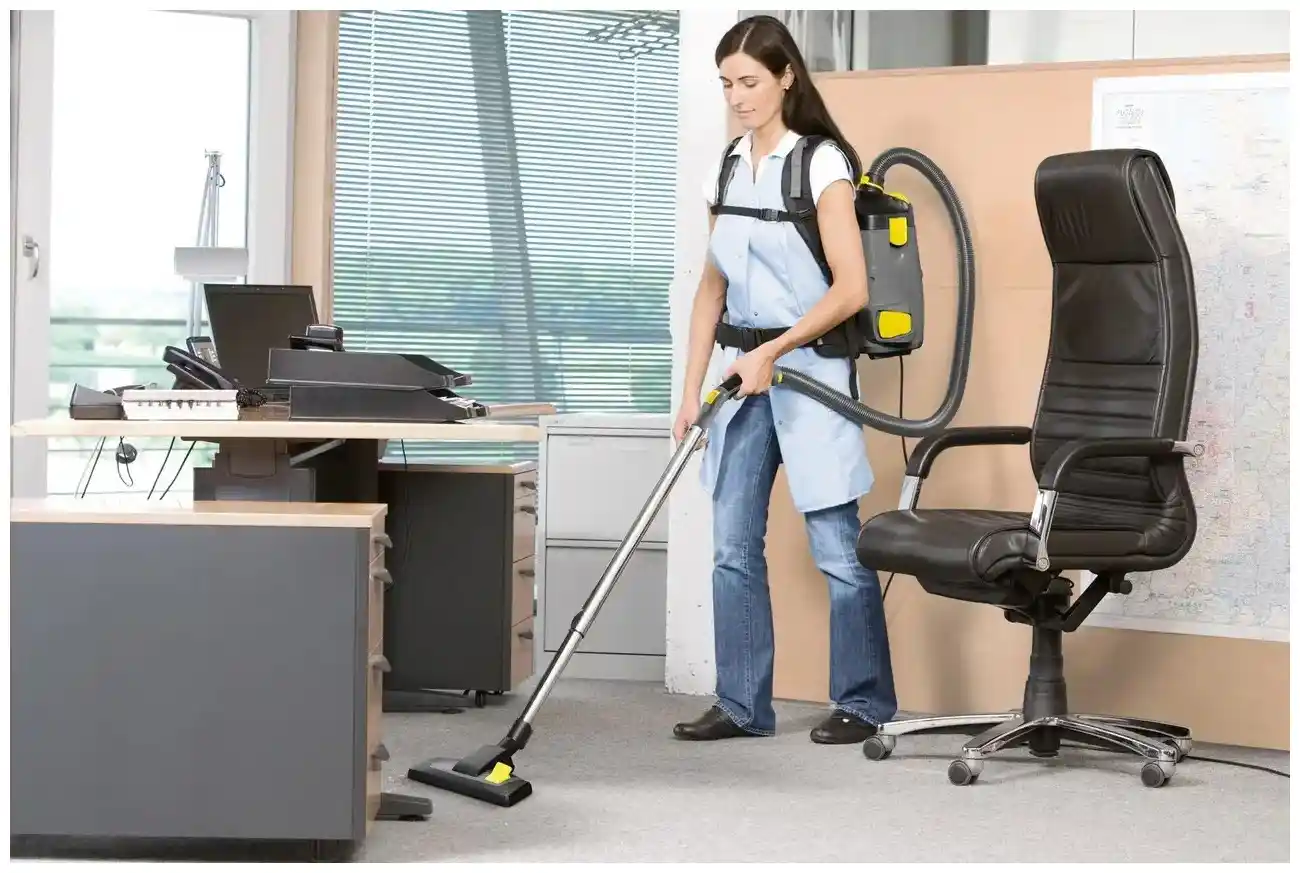
A backpack vacuum is a wearable vacuum system that is made lightweight and is worn on the back of the operator by means of ergonomic harness straps. Compared to canister or upright vacuities, the user is free to move around, clean more quickly and easily reach narrow or busy places with minimum effort using the backpack models.
These vacuums are especially popular in:
- Office buildings
- Schools and universities
- Hotels and hospitality spaces
- Airports and transit hubs
- Healthcare facilities
- Commercial cleaning services
Their unique design improves productivity by reducing push-pull motion, making them ideal for large areas with furniture, stairs, and narrow walkways.
Backpack Vacuums vs. Traditional Vacuums
The following is the comparison between both backpack and traditional vacuums.
| Feature | Backpack Vacuum | Upright Vacuum | Canister Vacuum |
| Operator Mobility | ⭐ Excellent | Moderate | Good |
| Stair Cleaning | Excellent | Limited | Good |
| Productivity | High | Moderate | Moderate |
| Fatigue Reduction | Excellent | Fair | Fair |
| Large Facility Cleaning | Excellent | Good | Moderate |
Average Cost of a Backpack Vacuum
On average, backpack vacuums fall into three major pricing categories:
| Price Range | Typical Users | Performance Level | Expected Lifespan |
| $300–$600 | Light commercial cleaning | Basic | 2–4 years |
| $600–$1,200 | Professional cleaning companies | High | 5–7 years |
| $1,200–$2,500+ | Heavy-duty commercial & industrial use | Premium | 7–10+ years |
Although the initial investment can be viewed as more expensive than a regular upright vacuum, backpack vacuums can also be more useful in the long run with shorter cleaning times, less labor usage, and increased life cycles.
Commercial-grade HEPA backpack vacuums and battery-powered backpack vacuums generally occupy the upper end of the price range because they offer advanced filtration, quieter operation, and enhanced mobility for demanding commercial environments.
Quick Cost Overview Table
| Price Range | Typical Users | Performance Level | Expected Lifespan |
| $300–$600 | Light commercial/small offices | Basic | 2–4 years |
| $600–$1,200 | Professional cleaners | High | 5–7 years |
| $1,200–$2,500+ | Heavy-duty commercial use | Industrial-grade | 7–10+ years |
Key Factors That Affect Backpack Vacuum Pricing
Motor power and filtration systems, noise levels, and ergonomic design are all factors that directly affect the cost-price of a backpack vacuum, as well as the overall performance of that specific cleaner in the real-life conditions of cleaning. Being aware of these important issues in pricing will enable you to make a correct comparison of the models and invest in equipment that is truly beneficial in the long run and not just a cheaper down payment price.
Motor Power and Suction Performance
Backpack vacuums have higher prices, but typically have strong motors with enhanced airflow (CFM) and water lift. These measurements have a direct effect on cleaning efficiency, particularly on carpets and high-traffic areas.
Filtration System: Standard vs HEPA
HEPA filtration adds a lot of money to the price of a backpack vacuum, but is extremely important in places where the quality of air is of the utmost importance, e.g., in healthcare or allergy-sensitive areas.
| Filtration Type | Cost Impact | Ideal Use |
| Standard | Lower | Offices, retail |
| HEPA | Higher | Hospitals, schools, cleanrooms |
Corded vs Battery-Powered Backpack Vacuums
Cordless backpack vacuums are more expensive due to battery technology but offer unmatched mobility.
| Feature | Corded | Battery-Powered |
| Upfront Cost | Lower | Higher |
| Runtime | Unlimited | Limited (30–90 min) |
| Mobility | Moderate | Excellent |
| Maintenance | Minimal | Battery replacement |
Noise Level and Decibel Ratings
Quieter backpack vacuums are more expensive because of the state-of-the-art insulation of the motor and airflow design. Reduced noise models are suitable for daytime cleaning of occupied areas.
Weight, Ergonomics, and Comfort
Premiums come with padded straps, adjustable belts, and equal distribution of weight, aspects that play a major role in pricing but minimize fatigue and possibilities of injuries.
Brand Reputation and Build Quality
Established commercial brands often cost more but offer superior reliability, better support, and longer warranties.
Hidden Costs of Owning a Backpack Vacuum
The purchase price is only one part of the overall investment. Understanding ongoing ownership costs helps facility managers and cleaning contractors budget more accurately.
| Ownership Cost | Typical Replacement Frequency |
| Vacuum bags | As needed |
| HEPA filters | Every 6–12 months |
| Standard filters | Every 3–6 months |
| Battery replacement | Every 2–5 years (battery models) |
| Power cords | As needed |
| Vacuum hoses | Based on wear and usage |
Routine maintenance and genuine replacement parts help extend equipment life while maintaining peak cleaning performance.
Backpack Vacuum Cost vs Long-Term Value
While backpack vacuums generally have a higher upfront cost than traditional upright or canister vacuums, they often deliver significantly greater long-term value. This value becomes especially clear in professional cleaning environments, where efficiency and labor costs directly impact profitability.
Reduced Cleaning Time
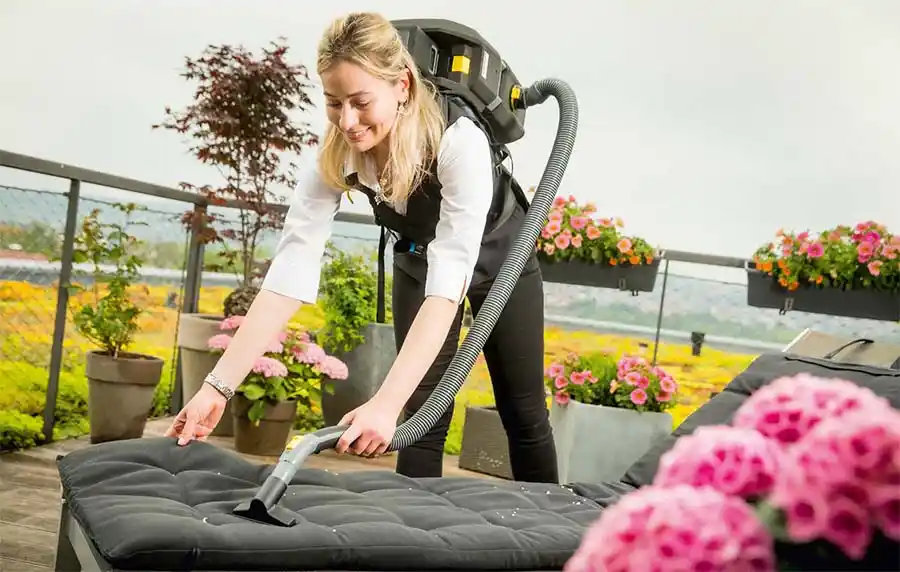
Backpack vacuums allow operators to clean faster by eliminating constant pushing, pulling, and repositioning. Studies and field experience show that backpack vacuums can reduce cleaning time by up to 50% compared to uprights, particularly in areas with furniture, stairs, or tight layouts. Faster cleaning means more square footage covered in less time.
Improved Worker Productivity
Because backpack vacuums are easier to maneuver, operators maintain a consistent pace throughout their shift. This leads to higher productivity per worker and allows cleaning teams to complete more jobs without increasing staff hours. For commercial cleaning companies, this efficiency directly translates into higher revenue potential.
Lower Operator Fatigue and Injury Risk
Ergonomically designed backpack vacuums distribute weight evenly across the shoulders and hips, reducing strain on the back and arms. Lower fatigue levels help maintain performance over long shifts and can reduce workplace injuries, sick days, and staff turnover, hidden costs that are often overlooked.
Reduced Equipment Replacement Frequency
High-quality backpack vacuums are designed for daily, heavy-duty use and often last significantly longer than budget uprights. Fewer breakdowns and replacements mean lower capital expenses over time. Many professional-grade models remain in service for 7–10 years or more.
For cleaning businesses, the combined savings from labor efficiency, reduced fatigue, and longer equipment lifespan often allow a backpack vacuum to pay for itself within months rather than years.
Is a Backpack Vacuum Worth the Cost?
A backpack vacuum is absolutely worth the cost in the right scenarios. Its value is most evident in environments where speed, efficiency, and operator comfort are critical to daily operations.
Backpack vacuums are a smart investment if:
- You regularly clean large or complex spaces such as offices, schools, hotels, or healthcare facilities
- Productivity and fast turnaround times are essential
- Staff comfort, safety, and reduced fatigue are priorities
- Indoor air quality and effective filtration are important considerations
In these settings, the higher upfront cost is quickly offset by improved cleaning speed, reduced labor hours, and longer equipment lifespan.
However, a backpack vacuum may not be necessary for very small areas, residential spaces, or locations that require only occasional cleaning. In such cases, a standard upright or compact vacuum may provide sufficient performance at a lower initial cost.
Ultimately, the decision comes down to how frequently the vacuum will be used and how much value efficiency and comfort bring to your operation.
How to Choose the Right Backpack Vacuum for Your Budget
Choosing the right backpack vacuum starts with understanding your specific cleaning requirements rather than focusing solely on price. A well-matched vacuum delivers better performance, lasts longer, and provides greater overall value.
Size and Type of Facility
Larger facilities with open spaces, stairs, and high foot traffic benefit most from mid-range to premium backpack vacuums. Smaller offices or retail spaces may perform well with budget-friendly models.
Cleaning Frequency
Daily or multi-shift cleaning demands durable, commercial-grade equipment designed to withstand constant use. Occasional cleaning tasks may not justify the cost of a high-end model.
Noise Restrictions
If cleaning occurs during business hours or in noise-sensitive environments like hospitals or schools, investing in a low-decibel backpack vacuum is crucial—even if it costs more upfront.
Filtration Requirements
Facilities concerned with air quality, allergens, or regulatory compliance should prioritize HEPA filtration. While HEPA models are more expensive, they deliver significant health and compliance benefits.
Operator Comfort and Fit
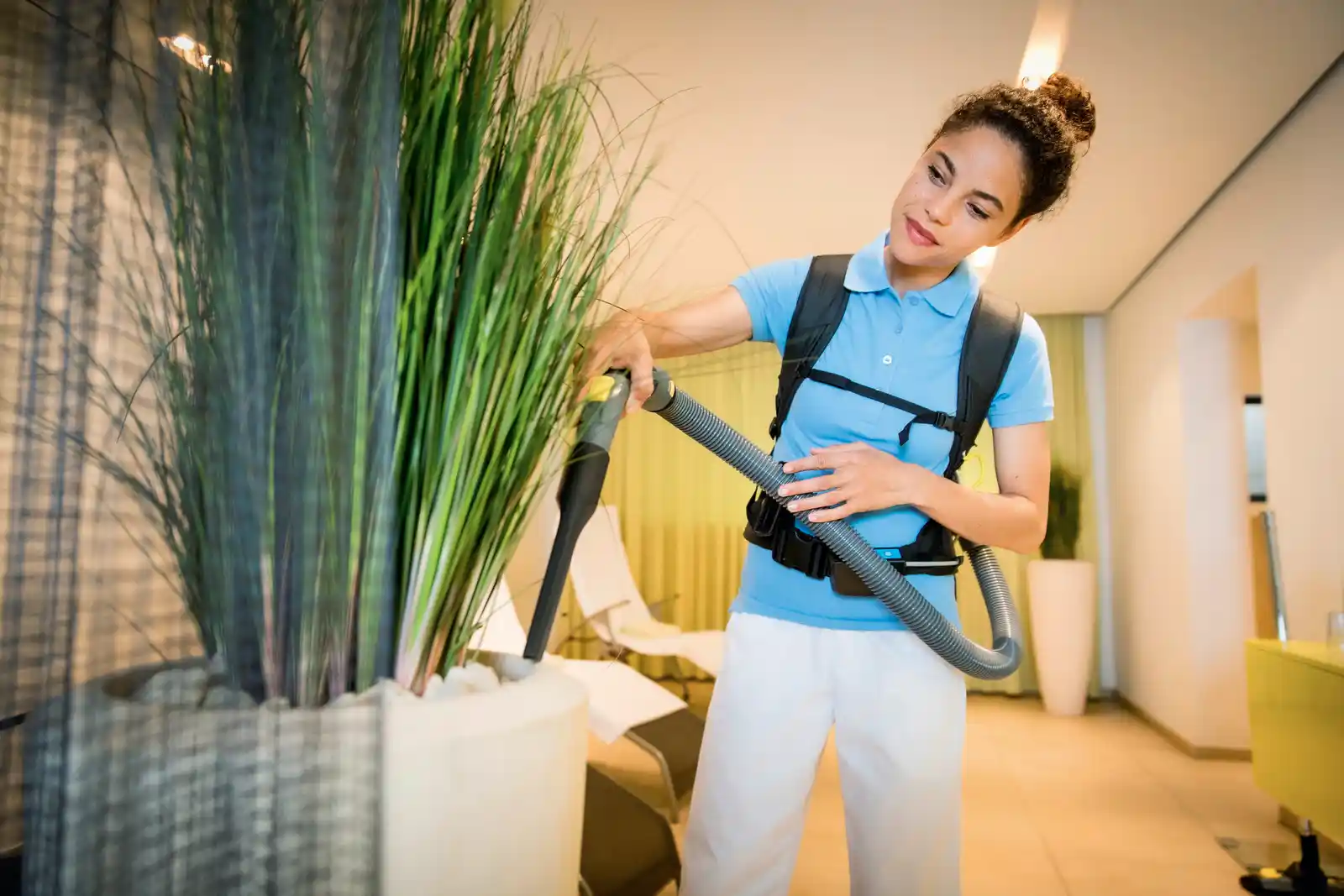
Since backpack vacuums are worn for extended periods, comfort should never be an afterthought. Adjustable harness systems, padded straps, and balanced weight distribution improve efficiency and reduce fatigue.
By carefully matching these factors to the appropriate price tier, you can avoid overspending on unnecessary features while still ensuring reliable performance and long-term value.
Common Mistakes to Avoid When Buying a Backpack Vacuum
Many buyers focus only on price, overlooking features that affect long-term performance and operating costs.
Avoid these common mistakes:
- Buying a residential model for commercial applications.
- Choosing the highest PSI or motor rating without considering airflow and filtration.
- Ignoring operator comfort and ergonomics.
- Overlooking replacement filter and battery costs.
- Purchasing equipment without reliable warranty or service support.
- Selecting the wrong filtration system for the cleaning environment.
Final Thoughts
Backpack vacuum selling is not merely the price listed on the tag; it is a statement of performance, longevity, comfort, and efficiency. Entry-level models might be fine in the context of light or infrequent cleaning, but mid-range and high-end backpacked vacuums provide calculable benefits in terms of speed, air quality, and comfort to the user that will soon surpass their higher initial price.
Once you consider less labour time and maintenance requirements and extended equipment life, the right backpack vacuum will be an investment and not an expense. By being able to see the primary cost drivers and align them to your particular cleaning setting, you will be able to select a backpack vacuum that will provide you with long-term value, longevity, and good ROI.
Frequently Asked Questions
How much does a commercial backpack vacuum cost?
Commercial backpack vacuums typically range from $300 to over $2,500, depending on motor performance, filtration, battery technology, build quality, and intended application.
Are backpack vacuums better than upright vacuums?
For most commercial environments, yes. Backpack vacuums improve mobility, reduce operator fatigue, and often allow cleaning professionals to complete tasks faster than traditional upright vacuums.
Is a HEPA backpack vacuum worth the extra cost?
Yes. HEPA backpack vacuums are recommended for healthcare facilities, schools, offices, and other environments where indoor air quality is a priority. They capture significantly more fine dust and airborne particles than standard filtration systems.
How long does a commercial backpack vacuum last?
A well-maintained commercial backpack vacuum typically lasts 5 to 10 years, depending on usage, maintenance practices, and equipment quality.
Are battery-powered backpack vacuums as powerful as corded models?
Modern battery-powered backpack vacuums offer excellent cleaning performance for most commercial applications. Advances in lithium-ion battery technology have improved runtime, charging speed, and suction consistency, making cordless models a practical choice for many facilities.
What industries benefit most from backpack vacuums?
Backpack vacuums are widely used in offices, schools, universities, healthcare facilities, hotels, airports, government buildings, and commercial cleaning companies where efficiency, mobility, and operator comfort are important.
How can I reduce the long-term cost of owning a backpack vacuum?
Regular maintenance, replacing filters on schedule, using genuine replacement parts, and selecting a vacuum designed for your cleaning environment all help reduce operating costs while extending equipment lifespan.
Does Pressure King provide commercial backpack vacuums and support?
Yes. Pressure King supplies commercial backpack vacuums, replacement accessories, filters, equipment repairs, technical support, and other professional cleaning equipment to help businesses maintain efficient and reliable cleaning operations.

Michael Adeniran is the CEO of Pressure King Inc. He has been dealing in commercial cleaning equipment for many years. He is one of the leading specialists and experts in commercial cleaning products.


