How Much Does a Backpack Vacuum Weigh?

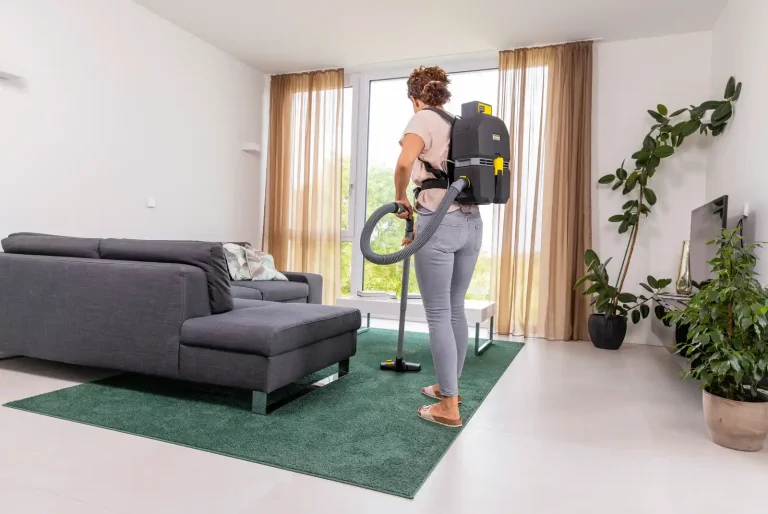
The average backpack vacuum weighs between 8 and 20+ pounds, depending on the model, motor power, dust capacity, filtration system, and intended use. Lightweight models are designed for homes and short cleaning tasks, while heavier commercial models provide more power and capacity for professional cleaning environments.
Choosing the right weight is important because backpack vacuums are worn directly on the user’s body. A lighter model may improve comfort and mobility, while a heavier unit may provide stronger suction and longer operating capacity for demanding jobs.
For homeowners, cleaning professionals, and facility managers, understanding backpack vacuum weight helps in selecting equipment that balances performance, comfort, and productivity. In this guide, we explain average backpack vacuum weights, factors that affect weight, and how to choose the right model for your cleaning needs.
What Is a Backpack Vacuum?
A backpack vacuum is a kind of vacuum cleaner that is to be worn upon the back of the user in the form of a backpack with padded straps, harnesses and ergonomic supports. The motor, dust collection system and filters are attached to your back and a flexible hose and a few attachment tools enable one to clean floors, stairs, upholstery, ceilings and other surfaces without dragging a cumbersome canister or upright behind him or her.
Backpack vacuums are widely used in:
- Commercial cleaning (offices, hotels, schools, hospitals)
- Industrial environments
- Large residential spaces
- Facilities with many stairs or obstacles
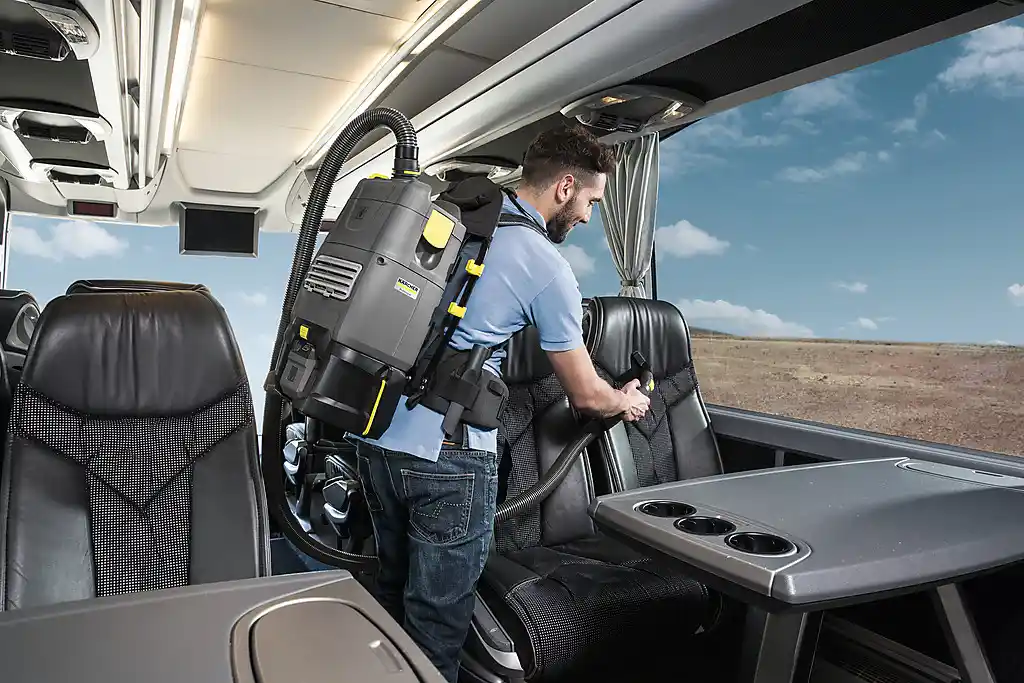
- Vehicles and tight spaces
They are popular because they free your hands, improve mobility, and reduce the need to bend, reach, or twist with heavy machines on the ground.
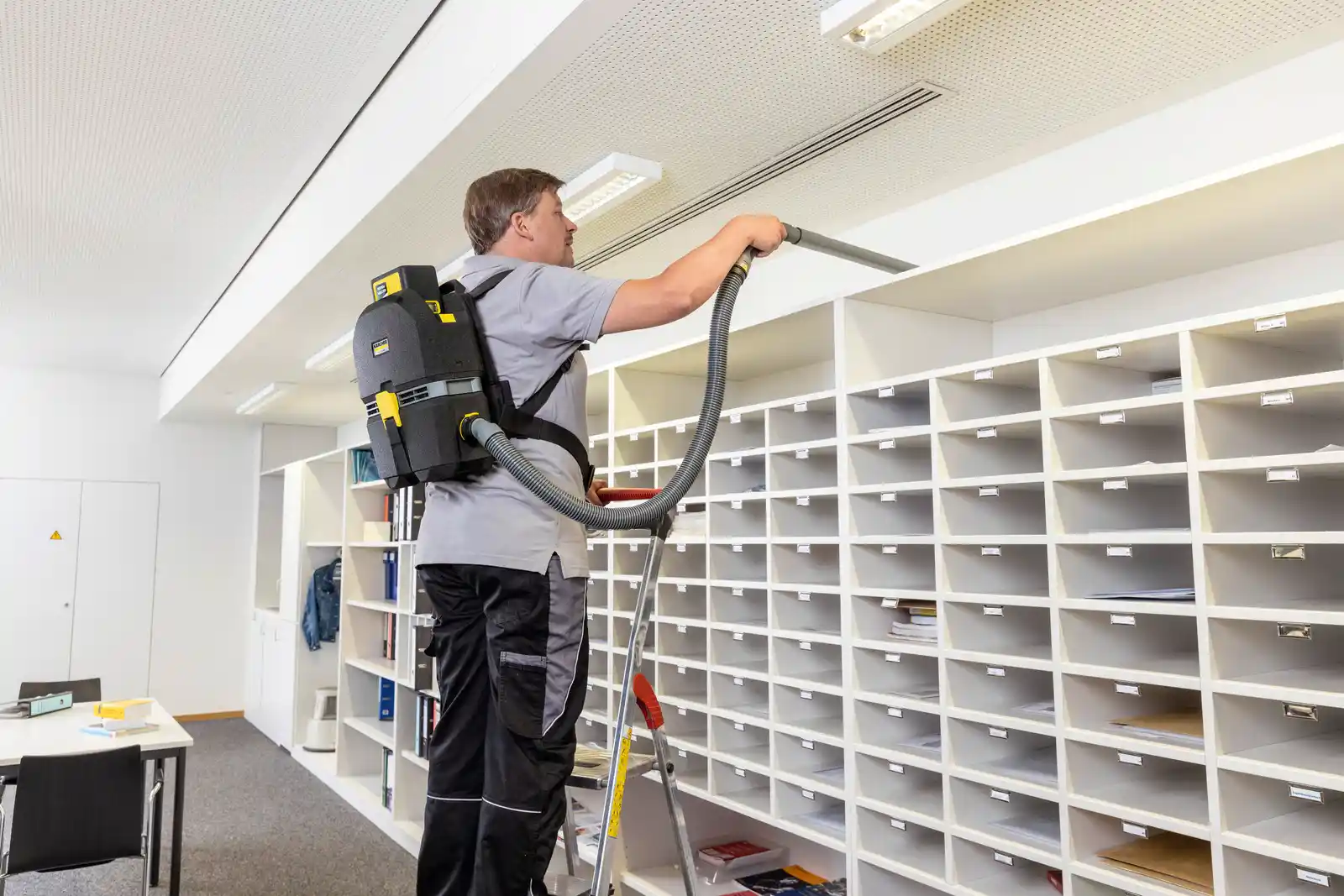
Average Backpack Vacuum Weight by Cleaning Application
The ideal backpack vacuum weight depends on where and how often the equipment will be used. Different cleaning environments require different levels of mobility, suction power, and dust capacity.
Residential Cleaning
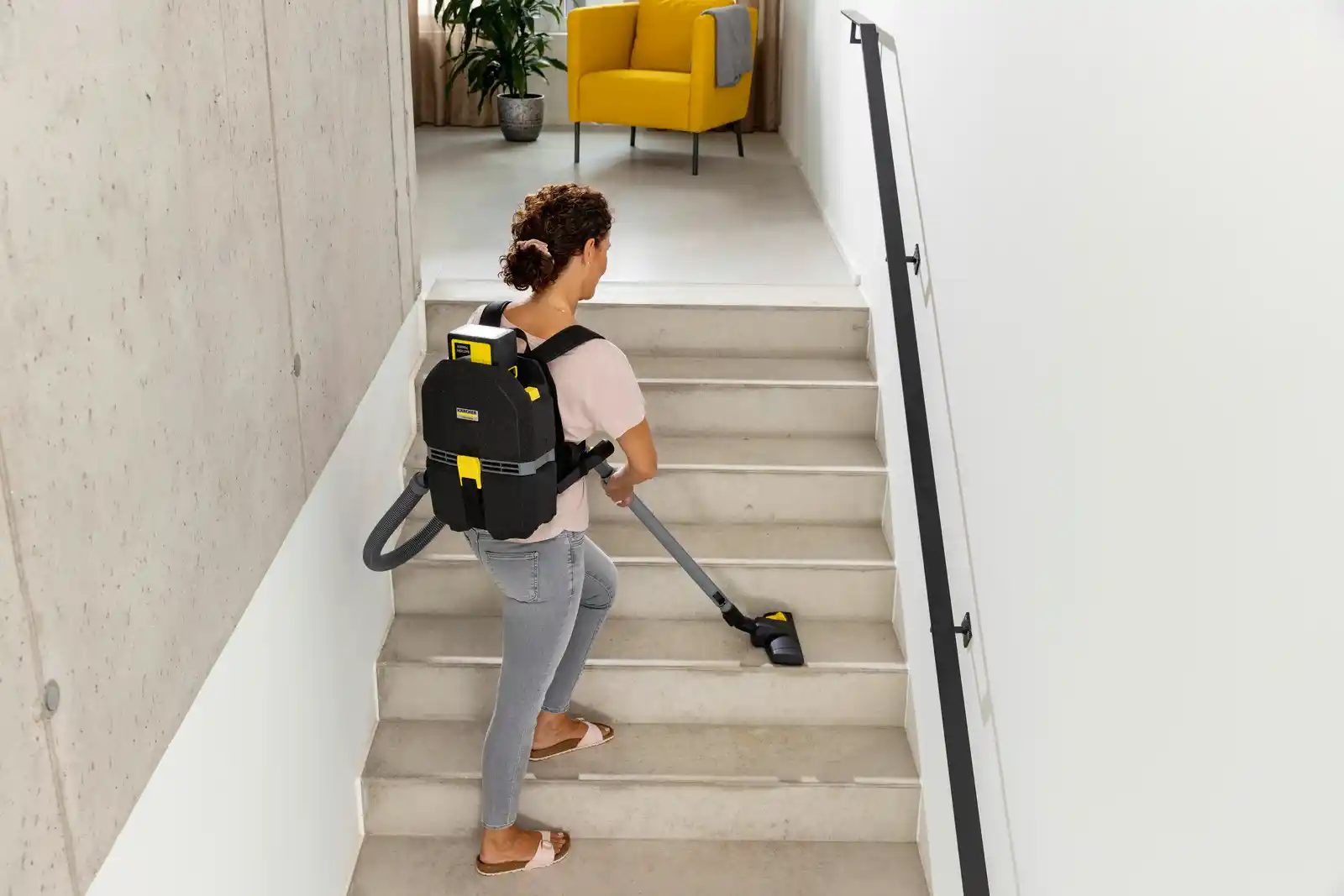
For homes, stairs, and smaller spaces, lightweight backpack vacuums are usually preferred. Models between 8 and 12 pounds provide better comfort when moving around furniture, narrow areas, and multiple floors.
Commercial Cleaning
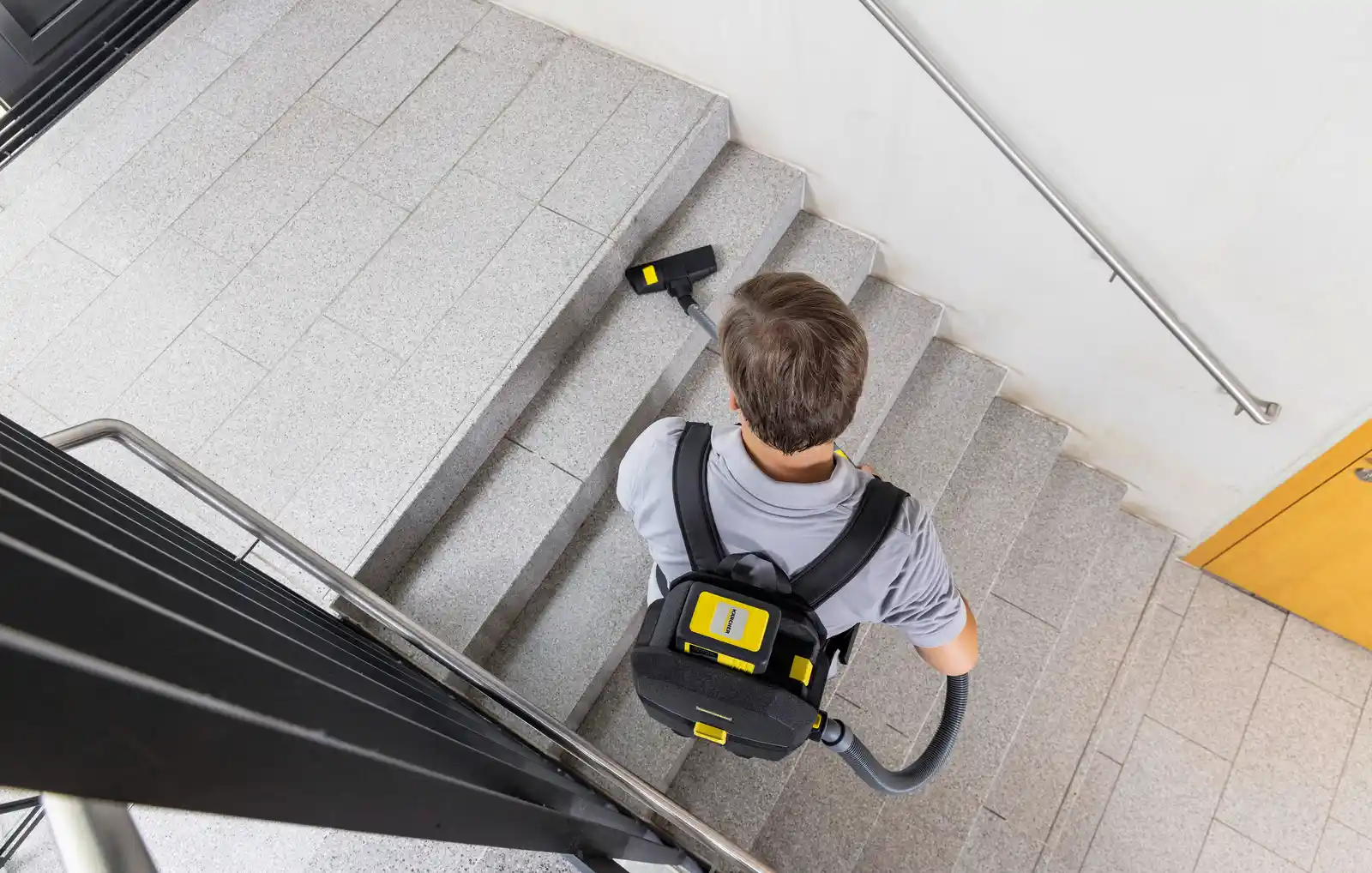
Professional cleaning teams often choose mid-range backpack vacuums between 12 and 16 pounds because they provide a balance between suction power and user comfort. These models are suitable for offices, schools, hotels, and commercial buildings.
Industrial Cleaning
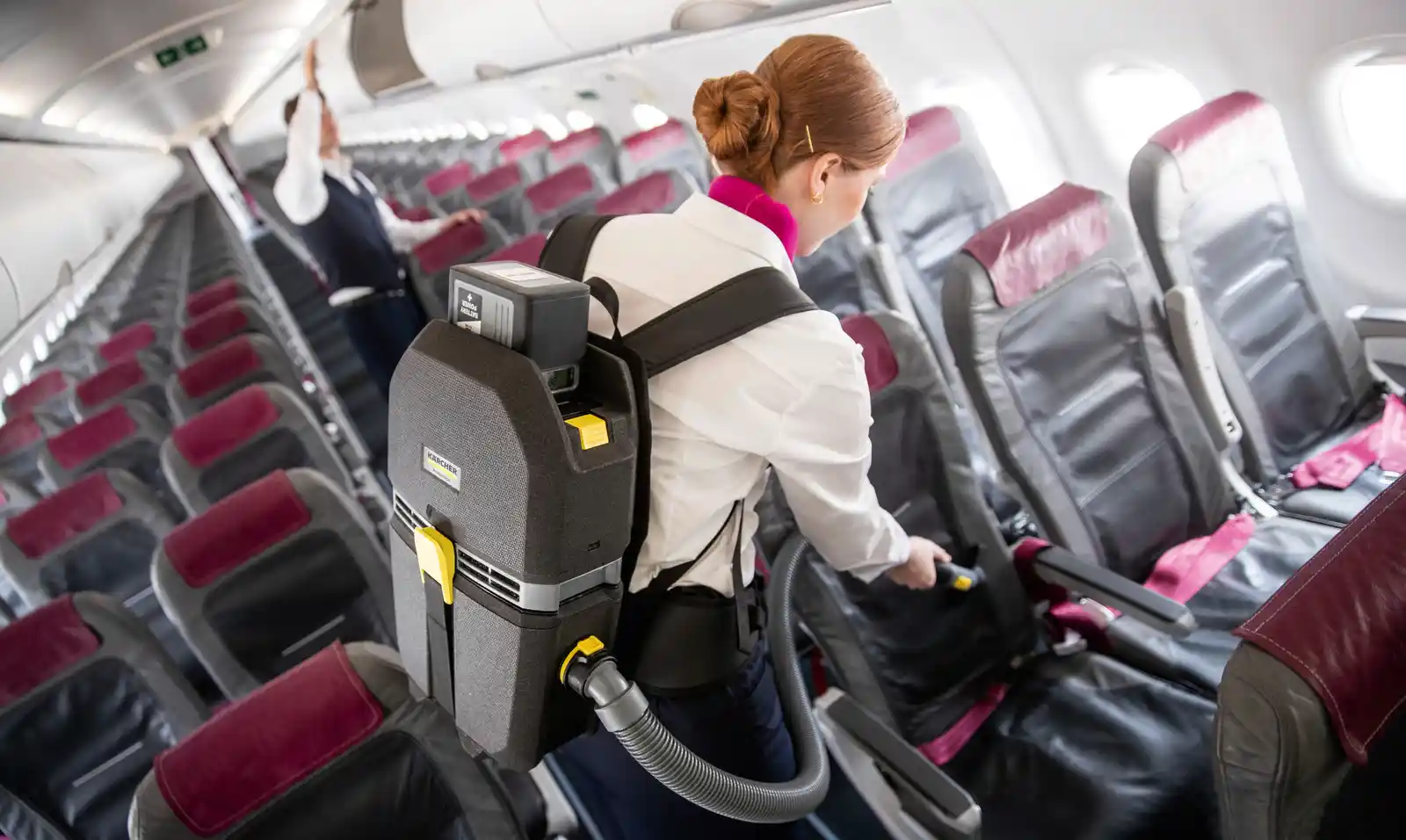
Industrial facilities may require heavier backpack vacuums with stronger motors, larger capacity, and advanced filtration systems. Although these models weigh more, they are designed for longer cleaning cycles and demanding environments.
Why Vacuum Weight Matters, More Than You Think
You might assume that lighter is always better, and to some degree, that’s true. But backpack vacuum weight isn’t just about carrying less load. It affects:
1. Physical Comfort
Backpack vacuums are attached to your body as opposed to the upright vacuums or canister vacuums cleaners. Shoulders, back, and core support every single ounce of weight. No matter how long the cleaning sessions are, any minor weight difference may cause fatigue, muscle tension, or discomfort.
2. Work Efficiency
An excessive weight backpack vacuum will slow you down. It might result in you having to take more breaks, change straps often or a slow working pace to offset discomfort. On the contrary, a lightweight, well balanced model allows you to manoeuvre with ease in a space and accomplish tasks in less time.
3. Long-Term Health
Carrying a heavy load (not necessarily heavy) of 10-15 pounds multiple times, especially when that harness is not supportive or ergonomic, may influence posture, shoulder tension, and neck tension, as well as the stress on the lower back.
4. Task Suitability
Weight interacts with task type. For example, stairs, ceilings, and upholstery require more effort and movement control, so weight becomes more noticeable than when vacuuming a flat, open floor.
Typical Backpack Vacuum Weights: What to Expect
Backpack vacuums are available in different sizes and designs and with it, a variety of weights. Although the models differ depending on the manufacturer and the power requirements, they are generally divided into the following categories:
| Category | Typical Weight Range (Without Accessories) | Best For |
| Lightweight Models | ~8–12 pounds | Residential use, stairs, short sessions |
| Mid-Range Models | ~12–16 pounds | Most commercial and professional use |
| Heavy-Duty Models | ~16–20+ pounds | Industrial cleaning, high capacity |
These weights represent the vacuum unit itself, not including the hose, wand, or attachments you’ll be using while cleaning. Once you factor those in, the effective carried weight and feel can change significantly.
Lightweight Backpack Vacuums (8–12 Pounds)
Lightweight models are effective in those circumstances when mobility and comfort are more important than crude power or dust cargo. When doing the cleaning on many floors, moving around with furniture, or high-frequency movement, loss of weight can make it much more comfortable.
Who They’re For
- Homeowners
- Light commercial jobs
- Spaces with many stairs or obstacles
- Users sensitive to back or shoulder load
Advantages
- Easier to wear for longer periods
- Less strain on the shoulders and back
- Excellent for stairs and tight spaces
- Great for users with smaller frames
Trade-Offs
- Often smaller dust bags or canisters
- May have slightly less powerful motors than heavier models
- Designed for lighter workloads
Mid-Range Backpack Vacuums (12–16 Pounds)
The most common cleaning teams will find mid-range models as the optimal balance of power, capacity and comfort. They can do well at approximately 1216 pounds without overloading the user.
Who They’re For
- Professional cleaning crews
- Office buildings
- Schools and corridors
- Moderate-to-heavy cleaning tasks
Advantages
- Better suction than most lightweight models
- Larger capacity bags or canisters
- Good balance of weight and performance
- Suitable for most daily cleaning routines
Trade-Offs
- Can be tiring over an entire workday without ergonomic support
- Slightly heavier than entry-level models
Heavy-Duty Backpack Vacuums (16–20+ Pounds)
These models are designed in a manner that they are performance and enduring. They are heavier, but they are shining in places where power and capacity cannot be affected. The trick is to match them with a good design of harness to ensure that weight is not a safety concern.
Who They’re For
- Industrial facilities
- Large event centers
- High-traffic areas
- Maximum suction and capacity needs
Advantages
- Powerful motors and airflow
- Large dust collection capacity
- Built for long operational cycles
- Often rugged and durable
Trade-Offs
- Require strength and stamina
- Can lead to fatigue if worn continuously
- Best paired with superior ergonomic harnesses
What Factors Affect Backpack Vacuum Weight?
The weight of a backpack vacuum isn’t arbitrary, it’s influenced by design choices and performance goals.
Motor Size and Power
Stronger motors often weigh more due to larger components, housings, and cooling systems. Higher airflow and suction capacity come with added bulk.
Dust Collection System
- Bagged systems often weigh more due to the bag housing and additional components.
- Bagless models can save a bit of weight but may require more frequent emptying.
Filtration Technology
HEPA filters, multi-stage filtration, and specialized allergen trapping systems add weight, but deliver superior air quality, which may be critical in healthcare, hospitality, or sensitive environments.
Harness and Padding
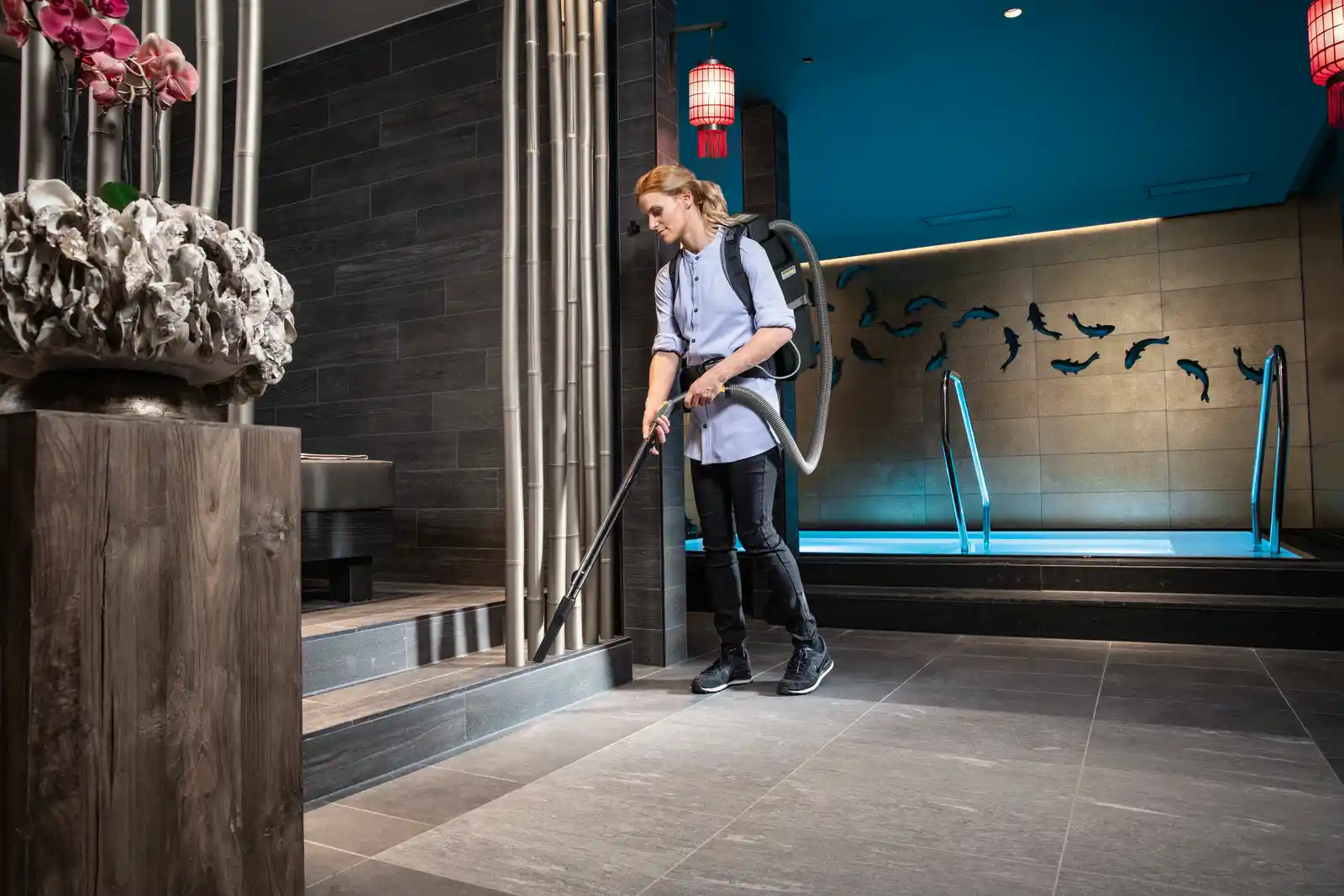
High-quality padded straps, breathable back panels, lumbar support, and adjustable buckles increase comfort, but they add marginal weight. Still, this trade-off usually results in reduced perceived load, even if the label weight is slightly higher.
Materials Used
Plastic housings are lighter, while metal components, although more durable, increase weight. Industrial models often use rugged materials that last longer but weigh more.
How to Choose the Right Backpack Vacuum Weight
Selecting the correct backpack vacuum is not only about choosing the lightest available option. The best model should match your cleaning requirements, working hours, and environment.
Consider Cleaning Duration
If the vacuum will be worn for several hours each day, comfort becomes a major factor. A lighter model with ergonomic straps can reduce fatigue during extended cleaning sessions.
Match Weight With Required Performance
Heavy-duty cleaning often requires stronger motors and larger dust collection systems, which naturally increase weight. Professional users should balance equipment weight with the level of suction and capacity required.
Check Harness Design and Comfort
A well-designed harness can make a heavier vacuum feel easier to carry. Adjustable straps, padding, and proper weight distribution help reduce pressure on the shoulders and back.
Consider Maintenance Requirements
Larger commercial models may offer better performance but can require more maintenance. Choosing equipment from a reliable supplier ensures access to parts, service, and support when needed.
Find the Right Commercial Vacuum Equipment for Your Cleaning Needs
Choosing the right vacuum depends on your cleaning environment, workload, and performance requirements. Pressure King provides professional cleaning equipment solutions for businesses that need reliable machines for commercial and industrial applications.
From backpack vacuums to other floor cleaning equipment, Pressure King helps customers select products that match their specific needs. Our team can guide you through equipment features, capacity, and performance options to help you make the right choice.
Whether you manage a facility, operate a cleaning company, or need dependable equipment for regular maintenance, Pressure King offers reliable solutions and expert support.
Contact Pressure King today to explore commercial cleaning equipment options.
Final Thoughts
The weight of a backpack vacuum plays an important role in cleaning performance, comfort, and long-term productivity. While lighter models can provide better mobility and easier handling, heavier commercial units may offer stronger suction, larger capacity, and the durability needed for demanding cleaning environments.
The best backpack vacuum is not always the lightest option. The right choice depends on your cleaning requirements, working hours, space size, and the level of performance you need. A properly balanced machine with an ergonomic harness can make even longer cleaning tasks more comfortable and efficient.
For homeowners, a lightweight model may be ideal for stairs and everyday cleaning, while professional cleaners and facility managers may benefit from a more powerful commercial backpack vacuum designed for continuous use.
At Pressure King, we help businesses find reliable cleaning equipment that matches their specific needs. Whether you need a backpack vacuum for commercial maintenance or other professional cleaning solutions, choosing the right equipment can improve efficiency and deliver better results.
FAQs
What is the average weight of a backpack vacuum?
Most backpack vacuums weigh between 8 and 20+ pounds. Lightweight models are designed for residential use, while heavier models are built for commercial and industrial cleaning.
Are heavier backpack vacuums better?
Not always. Heavier models often provide stronger motors and larger capacity, but the best choice depends on your cleaning needs, working duration, and comfort requirements.
What is the lightest backpack vacuum?
Lightweight backpack vacuums usually weigh around 8 to 12 pounds and are suitable for homes, stairs, and short cleaning tasks where mobility is important.
What backpack vacuum do professionals use?
Professional cleaners typically use mid-range or heavy-duty backpack vacuums because they provide a balance of suction power, durability, and cleaning capacity.

Michael Adeniran is the CEO of Pressure King Inc. He has been dealing in commercial cleaning equipment for many years. He is one of the leading specialists and experts in commercial cleaning products.