

How to Clean a Rug With a Steam Cleaner

Key Takeaways
- Check the rug material before using steam.
- Vacuum thoroughly before steam cleaning.
- Pre-treat tough stains for better results.
- Use the right steam cleaner and attachments.
- Dry the rug completely to prevent mold and odors.
Rugs add warmth, comfort, and style to any space, but they also trap dust, allergens, bacteria, stains, and odors deep within their fibers. While vacuuming helps with surface debris, it often fails to remove embedded grime. That’s where steam cleaning becomes one of the most powerful and effective solutions.
Steam cleaners use high-temperature vapor to loosen dirt, sanitize surfaces, and refresh fibers without relying heavily on harsh chemicals. Many modern machines are designed to penetrate carpet and rug fibers, eliminating tough stains, grease, and bacteria while leaving minimal residue.
This comprehensive guide explains how to clean a rug with a steam cleaner, step-by-step, while also helping you understand which type of steam cleaner works best, how to use it safely, and how to achieve professional-level results at home or in commercial settings.
How Steam Cleaners Remove Dirt
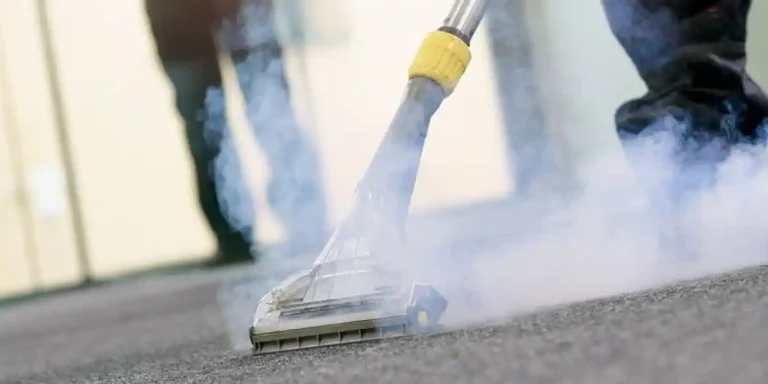
Steam cleaners use a lot of heat to boil water to very high levels, which creates pressurized vape that is expelled using a hose and cleaning attachment. When the steam touches the rug fibers, it penetrates deep into it, and it breaks the connection of dirt, oils, and the material itself. The debris is then loose and can be removed through a vacuum or wiped with a microfiber cloth.
With steam cleaning, in contrast to the conventional carpet cleaning through shampoo, the major factor is heat, not detergent. This reduces chemical residue as well as decreases chances of re-soiling. A lot of professional steam cleaners have an adjustable pressure and temperature system where the operator can adjust the cleaning intensity depending on the rug material and the level of soil.
Modern commercial steam cleaners can produce dry steam with temperatures exceeding 300°F (149°C), allowing operators to sanitize surfaces while using significantly less water than traditional carpet shampooing. This low-moisture cleaning approach shortens drying times and reduces the risk of mold or mildew developing beneath rugs, making it especially beneficial for offices, hotels, healthcare facilities, and other high-traffic commercial environments.
Why Rugs Need Deep Steam Cleaning
Routine deep rug cleaning not only improves appearance but also helps extend the lifespan of rug fibers by preventing abrasive dirt from wearing them down. For commercial facilities, regular steam cleaning also supports healthier indoor environments and contributes to a more professional appearance for visitors and employees.
| Contaminant | Why It Should Be Removed |
| Dust and debris | Causes dull appearance and fiber wear |
| Pet dander | Triggers allergies and affects indoor air quality |
| Food spills | Lead to stains and bacterial growth |
| Bacteria | Creates hygiene concerns |
| Allergens | May worsen respiratory conditions |
| Odor-causing particles | Leave unpleasant smells trapped in fibers |
Over time, these contaminants settle deep in fibers, making standard cleaning insufficient. Steam cleaning helps restore freshness, appearance, and hygiene.
Types of Rugs You Can (and Cannot) Steam Clean
It is imperative to determine the material of the rug before cleaning it by a steam cleaner. Synthetic removable rugs composed of nylon, polyester or polypropylene are usually safe when used in steam wash and react very well to heat and moisture. Commercial rugs of low-pile are also a great choice since the steam penetrates the floor without saturating the backing.
Rugs made of natural fibers need more attention. Wool carpets can withstand a certain amount of heat but can shrink or discolour when it is overtreated. Rugs of silk, antique or hand woven must not be steam cleaned without a specialist. A patch test should always be done in a non-conspicuous place to guarantee the coloration and safety of fibers.
| Rug Material | Steam Cleaning Safe? | Recommendation |
| Nylon | ✅ Yes | Excellent for routine steam cleaning |
| Polyester | ✅ Yes | Handles heat and moisture well |
| Polypropylene | ✅ Yes | Suitable for residential and commercial use |
| Wool | ⚠ With Care | Use low steam and test first |
| Cotton | ⚠ With Care | Avoid excessive moisture |
| Silk | ❌ No | Professional cleaning recommended |
| Antique rugs | ❌ No | Specialist cleaning only |
| Hand-knotted rugs | ⚠ With Care | Consult manufacturer or cleaning professional |
Before using any professional steam cleaner, always review the rug manufacturer’s care instructions. Some premium rugs include protective coatings or specialty dyes that require lower temperatures or alternative cleaning methods to prevent discoloration or fiber distortion.
Choose the Right Steam Cleaner for the Rug
The choice of the steam cleaner is the key to the professional outcomes. Light maintenance might be achieved by consumer-grade machines, whereas in the office and other professional settings, high-performance steam cleaners are quite beneficial and allow twenty-four-hour operation.
Below are suitable steam cleaner options.
Commercial & Professional Steam Cleaner Options
Pressure King offers a range of professional steam cleaning machines designed for deep sanitation and versatile floor care. Below are suitable options for rug cleaning applications.
SG 4/4 Steam Cleaner
The SG 4/4 Steam Cleaner is ideal for professional environments requiring chemical-free sanitation. It delivers high-temperature steam capable of dissolving grease, lifting stains, and refreshing rug fibers. Its compact design and professional accessories make it suitable for both residential and light commercial use.
SGV 8/5 Classic Steam Cleaner
This advanced machine combines steam cleaning with integrated vacuum extraction. The dual-function system allows users to clean and extract simultaneously, significantly reducing drying time. It is especially effective for heavily soiled rugs in commercial settings.
Karcher Steam Vacuum Cleaner
Karcher steam vacuum cleaners are known for durability, precision steam control, and versatile attachments. They are well suited for facilities that require frequent rug, carpet, and upholstery cleaning with professional results.
Industrial Optima Steamer XD
Designed for heavy-duty applications, the Industrial Optima Steamer XD provides powerful steam output for deep cleaning in demanding environments. It is suitable for large rugs and high-traffic areas where maximum performance is required.
All-Electric Dry Steam Cleaners
All-electric dry steam cleaners are ideal for indoor environments that prioritize low emissions and sustainability. These machines deliver powerful steam with minimal moisture, making them suitable for sensitive rug applications.
Tools and Supplies Needed Before Steam Cleaning
It is much quicker, safer and more effective to prepare the right tools and supplies before starting to steam clean a rug. With all the equipment ready, you will be able to clean the dirt effectively without breaking the fibers of the rug or no more moisture would be left.
Steam Cleaner (Primary Equipment)
The most important tool is a high-quality steam cleaner designed for carpets or rugs. Choose a machine that offers adjustable steam pressure, consistent high temperature, and suitable attachments such as carpet glides or brush heads. Professional or commercial-grade steam cleaners provide deeper penetration and better sanitation, especially for heavily used rugs.
Vacuum Cleaner
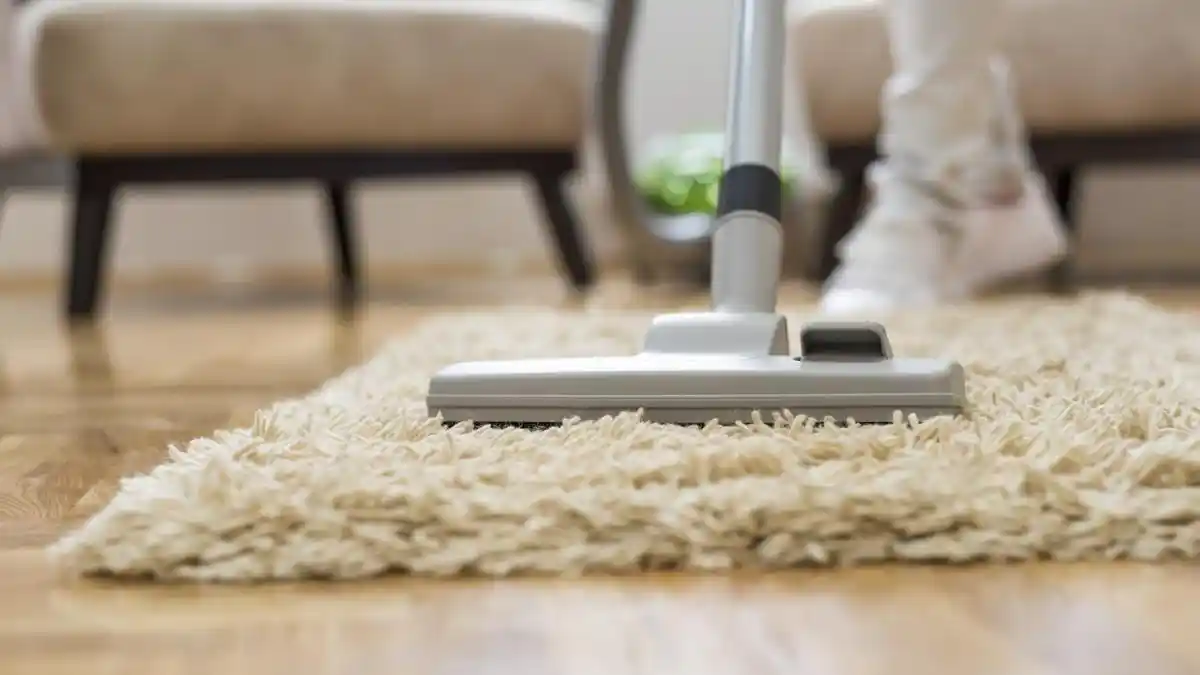
Steam cleaning requires a strong vacuum prior to cleaning. Vacuum cleaner eliminates the loose dust, debris, pet hair and surface dirt such that the steam can work on the deep-rooted dirt instead of converting dry soil into muddy residue. Vacuuming of the rug in various directions is best.
Clean Water Supply
The vast majority of steam cleaners need clean water in order to produce high-temperature steam. It is also possible to use filtered or distilled water to minimize the mineral deposits that accumulate within the machine as well as to enhance long-term functionality of the machine, particularly in places where water is hard.
Mild Pre-Treatment or Spot Cleaner
Gentle stain remover assists in loosening adamant spots like spilled food, greasy or pet stains prior to steam cleaning. The use of an appropriate pre-treatment enables the steam to be used more efficiently and the number of repeated passes is minimized.
Microfiber Cloths or Towels
Microfiber cloths are useful for wiping away loosened dirt, absorbing excess moisture, and cleaning edges or corners where the machine cannot reach. They also help prevent residue from settling back into the fibers.
Appropriate Attachments and Brushes
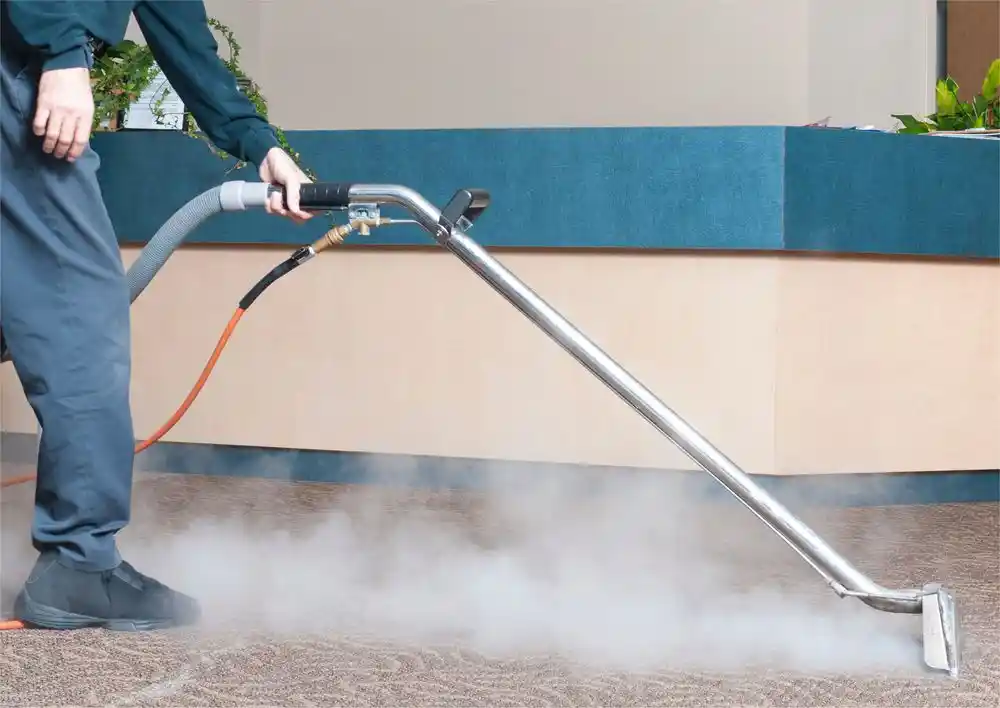
Most steam cleaners include different attachments such as carpet glides, upholstery tools, detail nozzles, and soft brushes. Using the correct attachment improves contact with the rug surface and enhances stain removal without damaging fibers.
Protective Gloves
Steam cleaners operate at very high temperatures, so wearing protective gloves helps prevent accidental burns and provides better grip when handling hoses or attachments.
Fans or Air Movers for Drying
Proper drying is critical after steam cleaning. Fans, open windows, or air movers help circulate air and speed up evaporation, reducing the risk of mold, mildew, or lingering odors.
Furniture Pads or Plastic Covers
If furniture cannot be moved completely, use protective pads or plastic sheets to prevent moisture from affecting wood or metal surfaces during cleaning.
Having these tools and supplies ready before you start ensures a smoother steam cleaning process, better stain removal, faster drying, and safer handling of both the equipment and the rug.
Step-by-Step: How to Clean a Rug With a Steam Cleaner
Cleaning a rug with a steam cleaner is straightforward, but achieving professional results requires preparation, proper technique, and patience. Follow this detailed step-by-step guide to restore your rug’s cleanliness, freshness, and softness without damaging the fibers.
Step 1: Inspect the Rug and Check Labels
Before applying heat and moisture, carefully examine the rug. Start by checking the manufacturer’s care labels, which provide guidance on the recommended cleaning method, maximum water temperature, and fiber restrictions. Inspect delicate areas such as fringes, loose threads, or hand-stitched sections, as these require extra care.
Always perform a small test in an inconspicuous area to ensure that the colors do not bleed and that the fibers can tolerate steam cleaning. This initial step is crucial to prevent accidental damage and ensures your cleaning approach is appropriate for the rug type.
Step 2: Clear the Area
Remove all furniture, decor, and objects from the rug to create sufficient working space. If certain pieces cannot be moved, protect them using furniture pads or plastic sheets to shield surfaces from moisture. Ensuring a clear area allows full coverage during cleaning and prevents accidental contact with wet surfaces or attachments.
Step 3: Vacuum Thoroughly
Vacuuming the rug thoroughly is essential before steam cleaning. Focus on edges and corners where dirt tends to accumulate, and vacuum the rug in multiple directions to lift compacted particles.
- Edges and corners: Dirt accumulates along baseboards and rug edges.
- Multiple directions: Vacuum the rug in both horizontal and vertical strokes to lift compacted particles.
Removing loose debris at this stage prevents it from turning into muddy residue during the steam cleaning process and allows the steam to focus on deeper dirt and stains rather than surface debris.
Step 4: Pre-Treat Stains
For stubborn stains or spots, apply a mild pre-treatment solution suitable for the rug fiber. Allow the solution to sit for several minutes to loosen oils, grease, or pigments before steam cleaning. Avoid harsh chemicals, which can damage colors or delicate fibers.
Pre-treating ensures that the steam will penetrate more effectively, reducing the need for repeated passes and improving overall stain removal..
Step 5: Prepare the Steam Cleaner
Proper preparation ensures consistent steam pressure and avoids interruptions during cleaning. Follow your steam cleaner’s instructions carefully:
- Fill the water tank with clean or distilled water.
- Add a low-foam cleaning solution if permitted.
- Attach the appropriate cleaning head, such as a carpet glide, soft brush, or upholstery nozzle.
- Allow the machine to fully heat to generate high-temperature steam.
Step 6: Begin Steam Cleaning
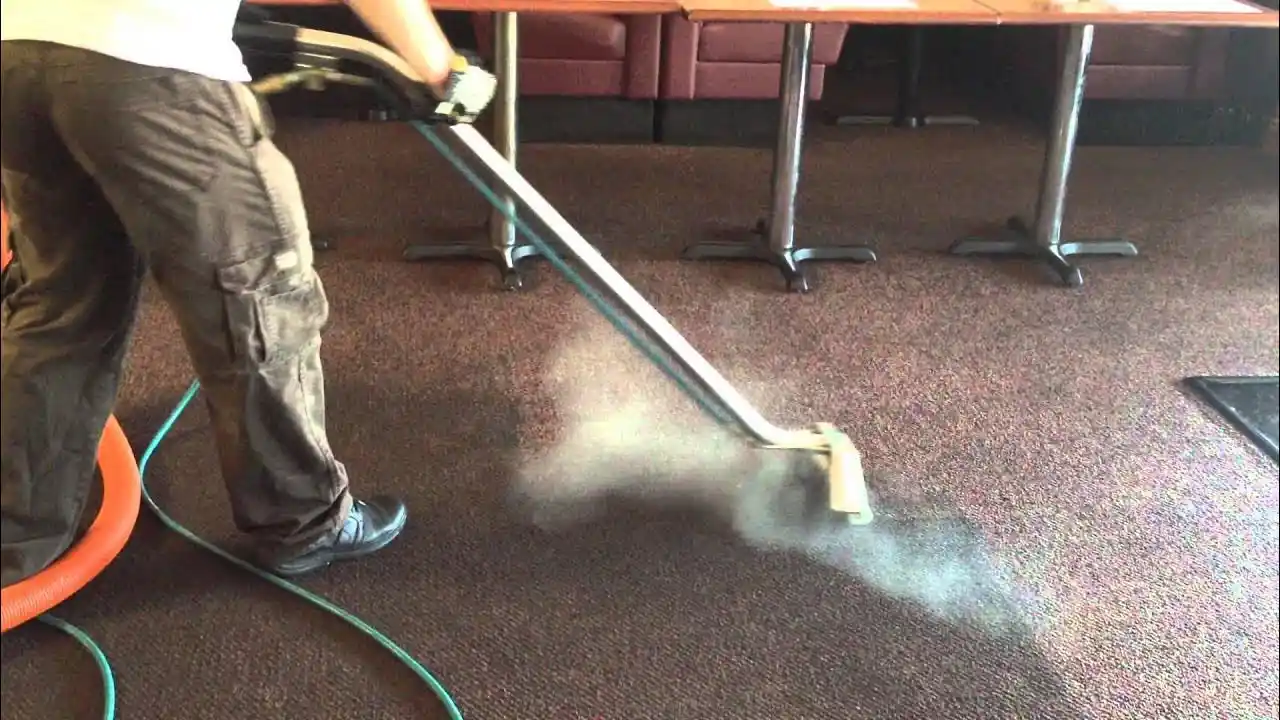
Start at the farthest corner of the rug and work toward the exit to avoid stepping on wet areas. Move the cleaning head slowly across the surface, allowing the steam to penetrate deeply into the fibers. Slightly overlap each pass to ensure even coverage.
Use brush attachments on heavily soiled areas to agitate fibers gently, while carpet glides work best for general surface cleaning. Apply steady pressure without pressing too hard, as excessive force can compress the fibers and reduce effectiveness. Steam loosens embedded dirt, neutralizes bacteria, and refreshes the rug simultaneously.
Step 7: Extract or Wipe Away Dirt
If the steam cleaner has a vacuum extraction function, it will remove moisture and dirt during the same pass. If not, gently blot the surface with a clean microfiber cloth to lift loosened debris. Repeat this process for particularly soiled areas to ensure thorough cleaning.
Proper extraction or wiping prevents water from remaining trapped in the fibers, reducing drying time and preventing the development of mildew or odor.
Step 8: Allow the Rug to Dry Completely
Commercial rugs may benefit from professional drying equipment for faster results, but household fans are often sufficient for residential use. Drying is a critical step to prevent mold, mildew, or lingering odors:
- Open windows or doors to improve ventilation.
- Use fans or air movers to circulate air and accelerate evaporation.
- Avoid walking on the rug until it is fully dry.
Step 9: Inspect and Repeat if Necessary
Once the rug is dry, inspect it for any remaining stains or lingering odor. Spot treat any stubborn areas and steam clean them again if needed. Lightly fluff the fibers with a soft brush to restore the rug’s texture and pile. A careful final inspection ensures that the rug is completely refreshed and ready for regular use.
Step 10: Maintain a Routine Cleaning Schedule
Regular maintenance extends the rug’s lifespan:
- Vacuum weekly or more frequently in high-traffic areas.
- Treat spills immediately to prevent permanent stains.
- Steam clean every 3–6 months depending on usage and environment.
Consistent care keeps the rug looking vibrant, feeling soft, and maintaining a hygienic indoor space. By following these steps, you can remove deep-seated dirt, neutralize allergens, eliminate odors, and restore the rug’s natural softness and vibrancy, all while minimizing the risk of damage.
Pro Tips for Professional-Level Results
Pre-treating tough stains before steaming and using repeated light passes instead of aggressive treatment can also prevent discoloration or fiber distortion. Maintaining steady pressure and consistent steam output throughout the process is essential to achieve deep cleaning without compressing the fibers.
To further enhance results, focus on proper drying, machine maintenance, and routine care:
- Promote airflow using fans, open windows, or air movers to prevent damp fibers from developing odors or mildew.
- Fluff fibers with a soft brush after drying to restore texture and appearance.
- Keep the steam cleaner in top condition by cleaning attachments, descaling the heating element, and inspecting hoses and filters regularly.
- Adopt a consistent cleaning schedule including regular vacuuming, immediate spill treatment, and periodic deep steam cleaning.
By following these pro tips, you can achieve cleaner, fresher rugs with a professional finish while extending their lifespan and maintaining fiber quality.
Common Mistakes to Avoid
Cleaning a rug with a steam cleaner can yield excellent results, but even small errors can reduce effectiveness or damage the rug. Understanding common mistakes ensures a professional-quality clean while protecting fibers and colors.
Skipping Vacuuming
One of the most frequent mistakes is skipping vacuuming before steam cleaning. Vacuuming removes loose dirt, dust, and pet hair from the surface. If skipped, these particles can mix with the steam and turn into muddy residue, making the cleaning process more difficult and leaving the rug looking streaky or uneven.
Using Too Much Cleaner
Steam cleaning relies primarily on heat and water to loosen dirt, so adding excessive detergent or chemical cleaners is unnecessary. Overuse of chemicals can leave sticky residues in the fibers, which may attract dirt more quickly after cleaning and require additional passes to remove. Using a minimal cleaner ensures a fresh and residue-free finish.
Overheating Delicate Rugs
High temperatures or aggressive steam application can shrink fibers, cause color fading, or weaken the material, particularly in wool, silk, or antique rugs. Always test a small, hidden area first and use the lowest effective steam setting for sensitive fibers to prevent damage.
Not Allowing Enough Dry Time
Moisture trapped deep inside fibers or in the backing can promote mildew, mold, or unpleasant odors. Proper ventilation, fans, or air movers help the rug dry thoroughly. Avoid walking on the rug until it is completely dry to maintain hygiene, prevent damage, and preserve the rug’s softness and texture.
Maintenance Tips for Your Steam Cleaner
Proper maintenance is key to keeping your steam cleaner working efficiently and extending its lifespan. Following these maintenance practices ensures consistent performance, reduces repair costs, and prolongs the life of your steam cleaner.
- Empty tank after use: Always drain leftover water from the tank after each cleaning session to prevent bacterial growth and mineral buildup.
- Descale regularly: Mineral deposits from hard water can clog the steam pathways. Use a manufacturer-recommended descaling solution on a regular schedule.
- Clean attachments: Wipe down nozzles, brushes, and other attachments after use to remove residue and prevent blockages.
- Store dry: Ensure the steam cleaner and its components are completely dry before storage to avoid mold or corrosion.
- Check hoses for blockages: Inspect hoses and vents periodically for debris that could reduce steam flow or cause damage.
Environmental Benefits of Steam Cleaning
Steam cleaning is not only effective but also eco-friendly, making it a sustainable choice for home and commercial cleaning. Key benefits include:
| Benefit | How It Helps |
| Deep cleaning | Removes embedded dirt and grime from rug fibers |
| Chemical reduction | Cleans effectively with little or no detergent |
| Improved hygiene | Helps eliminate bacteria and allergens |
| Faster drying | Uses less water than traditional shampooing |
| Better indoor air quality | Removes dust, pollen, and pet dander |
| Longer rug life | Reduces fiber wear caused by trapped debris |
Regular professional steam cleaning also helps businesses maintain a cleaner appearance for customers and employees while supporting healthier indoor environments. For facilities with heavy foot traffic, scheduled steam cleaning reduces long-term maintenance costs by preserving the condition of rugs and extending their usable lifespan.
When to Call Professional Steam Cleaning Services
While home steam cleaners are effective for everyday cleaning, certain situations call for professional expertise:
- Rug is antique: Delicate fibers and rare dyes require specialized handling to prevent damage.
- Material is delicate: Silks, wools, or other fragile fabrics may need controlled steam pressure or specialized techniques.
- Stains are severe: Deep-set stains, oils, or pet accidents often require commercial-grade extraction.
- Rugs are very large: Professional equipment can handle large surfaces efficiently, saving time and effort.
- Mold or odor persists: Professionals have the tools to fully sanitize and deodorize affected areas.
Using professional services ensures thorough cleaning, faster drying times, and often extends the life of your rugs and carpets.
Final Thoughts
Learning how to clean a rug with a steam cleaner is one of the most effective ways to maintain hygiene, extend rug lifespan, and keep your home or commercial space looking fresh.
Steam cleaning goes far beyond surface cleaning, it penetrates fibers, dissolves grease, removes allergens, and sanitizes using heat. Modern professional machines deliver powerful steam pressure, versatile attachments, and even dual steam-vacuum functionality for faster, more efficient results.
Choosing the right steam cleaner, especially a professional-grade model, can dramatically improve cleaning performance, reduce chemical use, and help you achieve near-commercial results at home.
By following the correct preparation steps, using proper technique, and selecting the right equipment, you can safely restore your rugs, eliminate odors, and maintain a healthier indoor environment for years to come.
Frequently Asked Questions
Can you use a carpet cleaner on area rugs?
Yes, you can use a carpet cleaner on most area rugs. Ensure the rug’s material is compatible with the cleaner, test a small area first, and follow the machine’s instructions to avoid damage or color fading.
What is the easiest way to clean an area rug?
The easiest way is to vacuum regularly, treat stains promptly, and use a steam cleaner or gentle carpet shampoo. For routine cleaning, shaking, spot-cleaning, or professional cleaning services can help maintain the rug without intensive labor.
What size washer do you need to wash an 8×10 rug?
An 8×10 rug usually requires a large-capacity washer, preferably a commercial or oversized model. Ensure the washer can accommodate the rug without crowding, and check that the material is machine-washable to prevent damage or shrinking.
How to clean an area rug without moving it?
Use a handheld carpet cleaner, steam cleaner, or spot-cleaning method. Vacuum thoroughly, apply a suitable rug shampoo or steam, and blot stains with a clean cloth. Professional on-site cleaning services can also sanitize rugs in place.

Michael Adeniran is the CEO of Pressure King Inc. He has been dealing in commercial cleaning equipment for many years. He is one of the leading specialists and experts in commercial cleaning products.


