How To Clean a Garage Floor
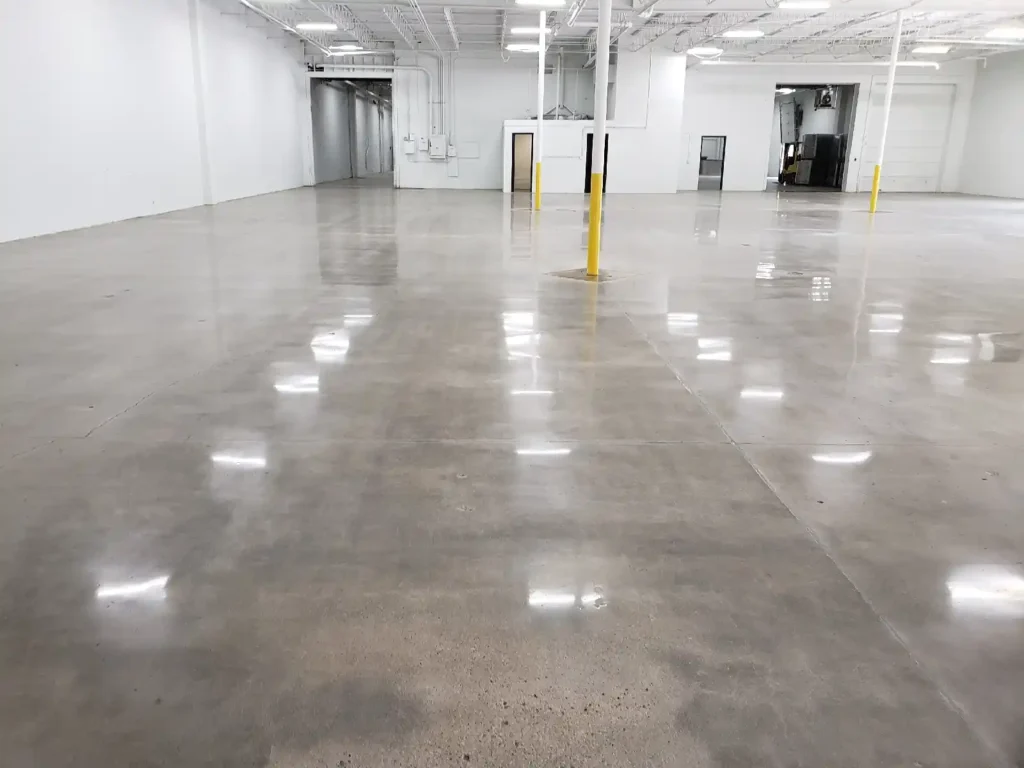
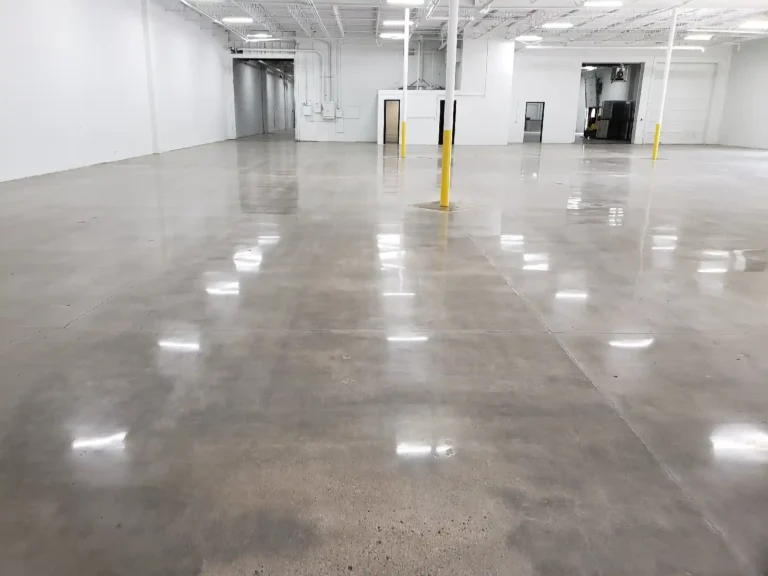
Your garage is a part of your home that is easily overlooked. From storage space to a workshop or even a home gym, a garage floor cleaning is important for its safety, appearance, and strength.
After some time, garage floors are covered with grit, oil stains, salt deposits, and chemical spills. These, if not treated, not only make the place ugly but also deteriorate the surface, pose slipping dangers, and leave permanent damage. That is why knowing how to clean hogarage floor well is of paramount importance.
Effective garage floor cleaning begins with identifying the surface and stain before choosing a cleaner or machine. Bare concrete can tolerate stronger agitation than epoxy, painted, or sealed flooring, while oil, rust, road salt, and tire marks may each require a different treatment. Matching the cleaning method to the floor helps remove buildup without etching concrete, weakening a coating, or spreading contaminants across the garage.
In this blog, we shall take you through the process in a step-by-step description of how to clean cement garage floor, how to clean concrete garage floor, and even how to clean epoxy garage floor, depending on the type of floor.
Key Takeaways
- Remove loose debris and absorb fresh spills before applying water or detergent.
- Choose a garage floor cleaner compatible with concrete, cement, epoxy, paint, or sealant.
- Pretreat oil, grease, rust, salt, and tire marks instead of relying on higher water pressure.
- Use controlled pressure, overlapping passes, and proper drainage when washing concrete.
- Allow the floor to dry fully before returning vehicles, storage bins, or floor mats.
General Preparation Before Cleaning
Prior to getting into the actual cleaning, preparation is the aspect to helps make the work a process that is efficient and effective. Regardless of whether you are working with an epoxy-coated surface or raw cement, these universal steps are going to put you on a path to success.
Clear the Garage
Begin by clearing the garage floor of all the items. That includes vehicles, tools, shelves, bins for storage, and anything that can block the cleaning process. It is much easier to clean the garage floor surfaces when the place is wide open and has no clutter.
Sweep and Dust Thoroughly
Use a stiff-bristled push broom or heavy-duty shop vacuum to pick up loose dirt, dust, leaves and cobwebs, or other debris. This first brush gets the real washing working much better, so you are not scrubbing over dry messes or pushing grit around the place.
Gather Your Cleaning Supplies
Having the right tools and products on hand is essential. Depending on the floor type and level of grime, your kit might include:
- A garage floor cleaner (degreaser, detergent, or all-purpose solution)
- Stiff brushes or deck scrubbers
- Pressure washer or garden hose with high-pressure nozzle
- Mop and bucket
- Absorbents like kitty litter or baking soda for how to remove oil from the garage floor
- Protective gloves and safety goggles
- Wet/dry vacuum (optional)
General Garage Floor Cleaning Method
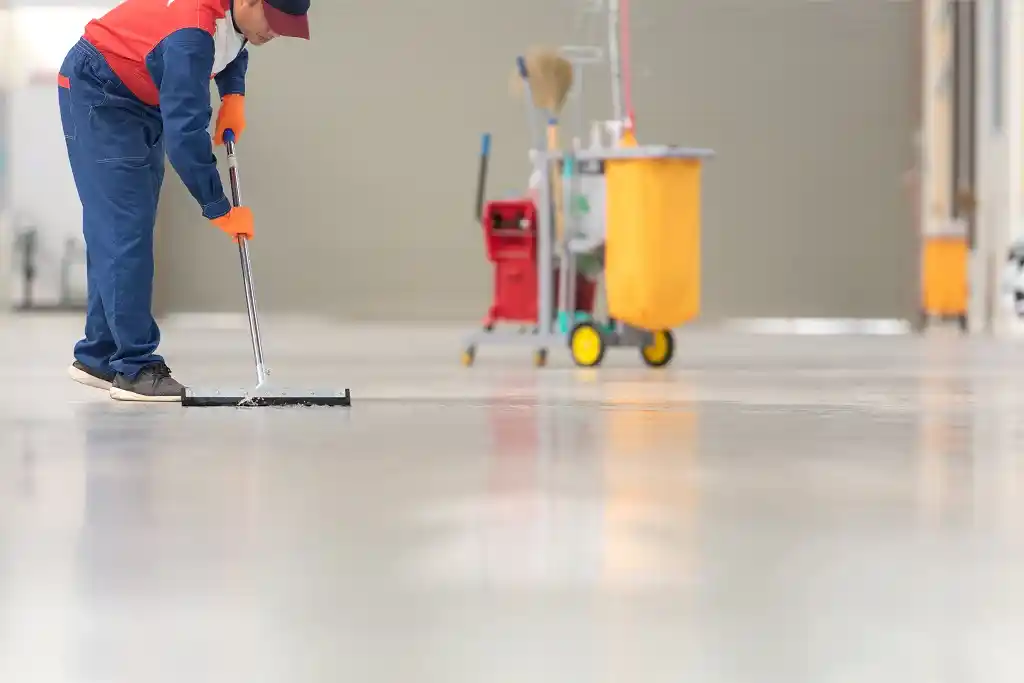
Regardless of the type of surface, be it cement, concrete, or epoxy, the general strategy to clean the areas within a garage floor is similar in many ways. A set of steps guarantees that your floors remain free from dust, grease, and accumulation. Here’s how it is done.
1. Pre-Treat Stains and Spills
Before applying any general garage floor cleaner, identify visible stains. For oil and grease spots, sprinkle absorbent materials like kitty litter or sawdust directly on the stain. Let it sit for a few hours to soak up the excess. This is the first step in how to remove oil from the garage floor, which helps prevent deep penetration into the surface.
For stubborn stains like rust or paint, use a commercial degreaser or a vinegar-baking soda paste. Apply it to the affected area, scrub gently with a stiff brush, and let it rest for 10–15 minutes before rinsing.
2. Apply a Garage Floor Cleaning Solution
Next, mix a high-quality garage floor cleaner or degreasing detergent in a bucket with warm water, according to the manufacturer’s instructions. Pour or spray the solution generously across the entire floor surface. For large garages, you can do this in sections to maintain control and consistency.
3. Scrub the Floor Thoroughly
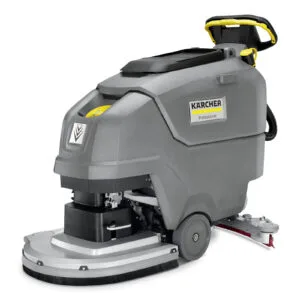
Using a deck brush or stiff broom, use floor scrubber to scrub the floor in circular or linear motions. This helps loosen grime, salt buildup, and chemical residues. Scrubbing is a crucial step in how to clean a garage floor, especially when the surface hasn’t been cleaned in a long time.
-
-
-
-
-
-
-
-
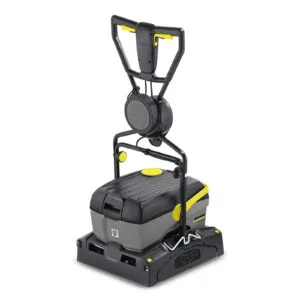
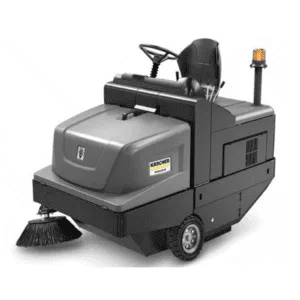
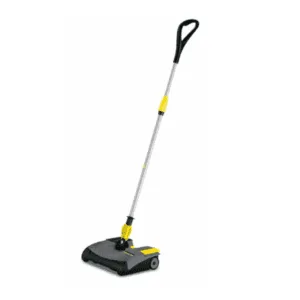
If your garage has textured concrete, pay extra attention to grooves and rough patches where dirt can accumulate.
4. Rinse the Floor
Once the scrubbing is complete, rinse thoroughly using a garden hose or pressure washer (on a low-pressure setting if the floor is coated). This is also a practical part of how to clean concrete garage floors, as it removes both detergent and dislodged grime.
Be cautious around walls or storage units to avoid splashing dirt back onto clean areas.
5. Allow the Floor to Dry
Use a mop or wet/dry vacuum to remove excess water, especially in low-lying areas where puddles can form. Let the floor air-dry completely before returning items to the garage. If you’re dealing with an epoxy surface, this is especially important to prevent any clouding or surface damage.
6. Apply Sealant or Protective Coating
If your garage floor is concrete or cement, consider applying a sealant after drying. This step isn’t required every time, but doing it once every few years improves durability and stain resistance.
Say goodbye to stubborn stains on your patio, driveway, or siding. Our high-powered pressure washers are engineered to restore surfaces to like-new condition with less water and effort.
How to Remove Common Garage Floor Stains
The best way to clean a garage floor depends on what caused the stain and how deeply it has penetrated. Fresh spills are usually easier to remove than old discoloration, so address oil, chemicals, paint, and road salt as soon as possible.
Always test a cleaning product in a small, hidden area before treating the entire floor. Follow the manufacturer’s instructions regarding dilution, dwell time, ventilation, protective equipment, rinsing, and disposal.
Oil and Grease Stains
For fresh oil, cover the spill with an absorbent material and allow it to draw liquid from the surface before sweeping it away. Apply a concrete-safe degreaser, let it dwell as directed, and scrub the area with a stiff nylon brush.
Rinse or extract the dirty solution and repeat the treatment if necessary. Deep oil stains may improve considerably without disappearing completely, especially when they have remained in porous concrete for an extended period.
Rust Stains
Rust requires a cleaner designed for iron or mineral staining. Apply a concrete-compatible rust remover only after confirming whether the floor is unsealed, sealed, painted, or epoxy-coated.
Avoid untested acids because they can etch concrete and discolor protective finishes. Several controlled treatments are generally safer than one highly aggressive application.
Tire Marks and Road Salt
Warm water and a suitable alkaline cleaner can loosen rubber tire marks and oily road film. Scrub the marks with a nylon brush or suitable floor pad, and repeat the treatment instead of using excessive pressure.
Road salt should be removed promptly because repeated exposure can contribute to surface deterioration and visible deposits. Rinse thoroughly and remove standing water so dissolved contaminants are not left behind when the floor dries.
Paint and Chemical Spills
Use a remover that matches the spilled material and floor finish. Avoid spreading solvents across a large area, and provide adequate ventilation whenever required by the product label.
Unknown chemicals, large spills, or hazardous materials should be handled according to local safety and disposal requirements. Never wash hazardous substances directly into a storm drain, soil, or nearby water source.
Choosing the Right Garage Floor Cleaning Method
Different floor materials and contaminants require different levels of cleaning power. The following guide can help you select an appropriate starting method while protecting the surface.
| Floor or Condition | Recommended Cleaning Method | Important Precaution |
| Unsealed concrete | Degreaser, stiff brush, and controlled pressure washing | Test first to prevent etching |
| Sealed concrete | pH-compatible cleaner and moderate agitation | Avoid products that strip the sealer |
| Epoxy floor | pH-neutral cleaner and soft brush or microfiber mop | Avoid harsh acids and close-range pressure |
| Fresh oil spill | Absorbent material followed by a degreaser | Do not rinse oil directly into a drain |
| Old grease buildup | Concentrated pretreatment and mechanical scrubbing | Follow the recommended dwell time |
| Rust or mineral stains | Surface-compatible specialty stain remover | Test for discoloration before full use |
| Large commercial garage | Floor scrubber with recovery or wet extraction | Plan runoff and wastewater collection |
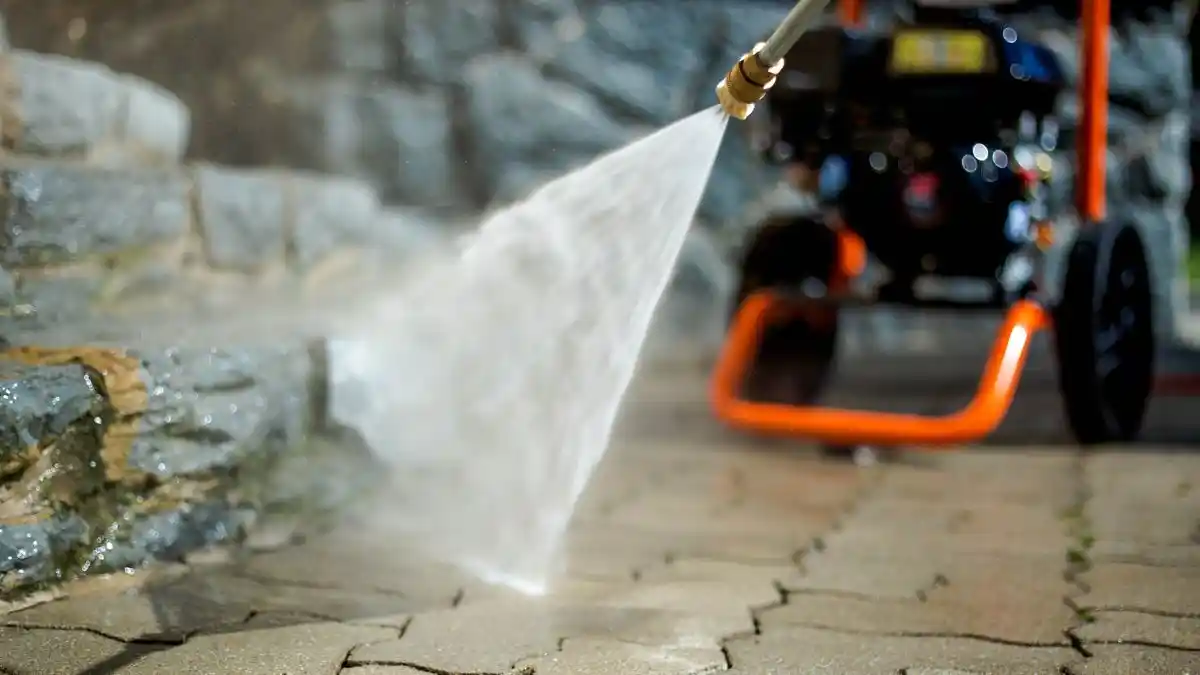
Step-by-Step: How To Clean a Garage Floor Using a Pressure Washer
Step 1: Clear the Garage
Begin by clearing all items in the garage — vehicles, tools, bins, and floor mats. With which you have full control over every corner of the floor, and sweep or vacuum any scattered debris, dust, or cobwebs.
Step 2: Pre-Treat Oil and Grease Stains
Spray your concrete degreaser around all stained areas. Wait about 10–15 minutes. For the most stubborn stains, scrub the area with a stiff brush to break up residue before rinsing. This is to make sure the cleaner is able to lift stains a little more with the pressure washer.
Step 3: Prepare the Pressure Washer
Put your garden hose in, and plug up the pressure washer (or if it’s gas-based, fuel up if preferred), attach a 15° or 25° nozzle, which works best on hardscapes such as concrete. Before you use the pressure, do a pressure test on a small, discreet area where the pressure is not too intense.
Step 4: Wash the Floor
Start pressure washing from the back of the garage to the door so all dirt is being pushed from back to inside out of the garage. Using gentle overlapping strokes, very lightly scratch each square inch. Keep from standing in the same location too long to avoid streak marks or etching the surface.
Step 5: Final Rinse and Dry
Now spray the whole floor, go over it again with clean water to clean all remaining detergent. Use a wet vac or floor squeegee to remove excess water and aid in drying. Let the floor dry overnight, then move things back into the garage.
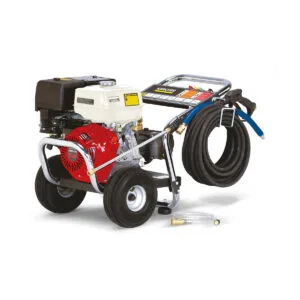
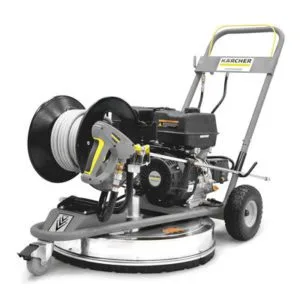
Upgrade your cleaning routine with our powerful pressure washers. Whether you’re cleaning driveways, siding, patios, or vehicles, we’ve got the perfect model for every job. From electric pressure washer for quick home cleanups to gas pressure washer for heavy-duty work—our collection is built to handle any mess.
-
-
-
-
2000 psi pressure washer View Product This product has multiple variants. The options may be chosen on the product page





How to Clean Epoxy Garage Floor
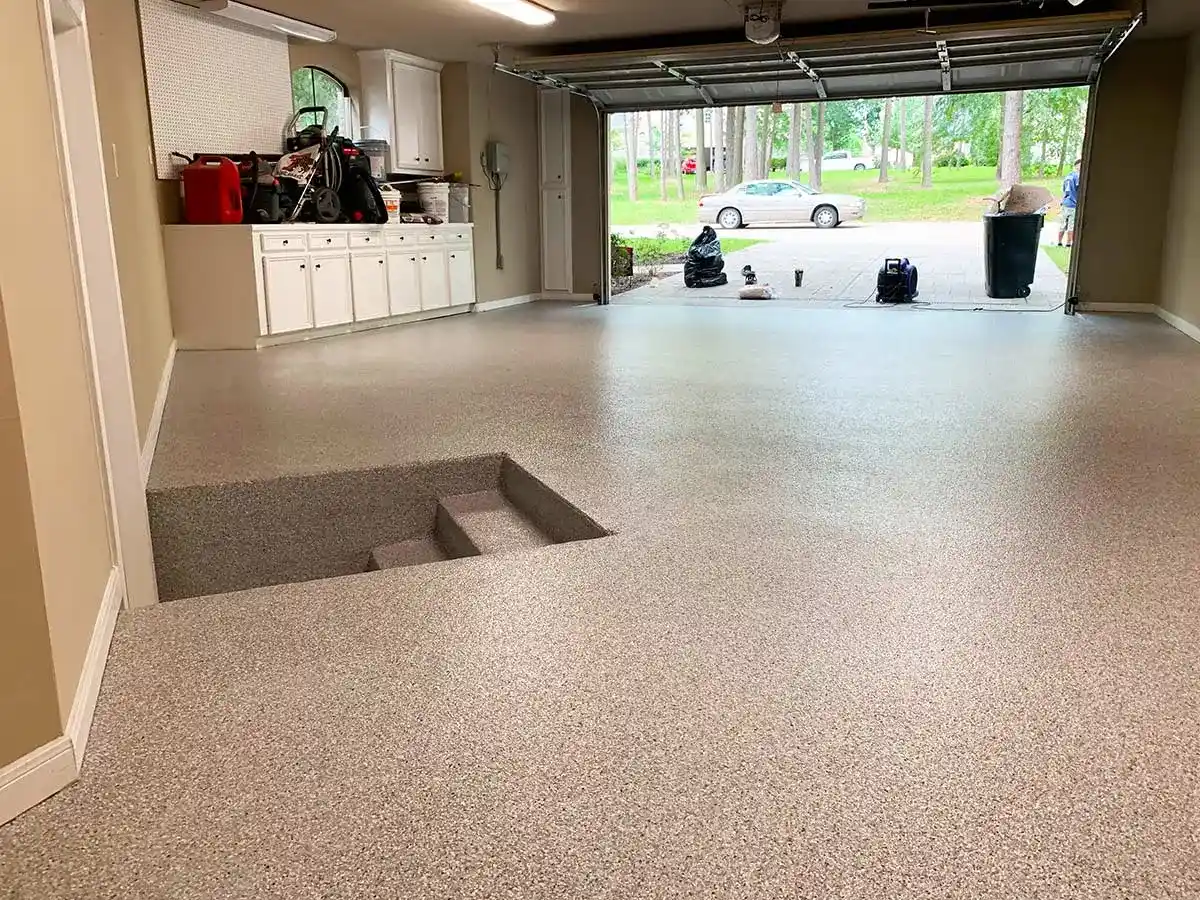
Epoxy-coated floors need a gentler approach to avoid damaging the finish.
1. Sweep or vacuum the floor.
2. Mix 1 gallon of warm water with 2–3 ounces of ammonia or a pH-neutral cleaner.
3. Mop the surface—avoid using citrus or vinegar-based cleaners as they can degrade epoxy.
4. For stuck-on grime, scrub gently with a soft-bristle brush.
5. Rinse thoroughly and let it air dry or use a microfiber mop to finish.
Avoid pressure washing epoxy garage floors at close range, as it can chip the coating.
How to Clean Concrete Garage Floor:
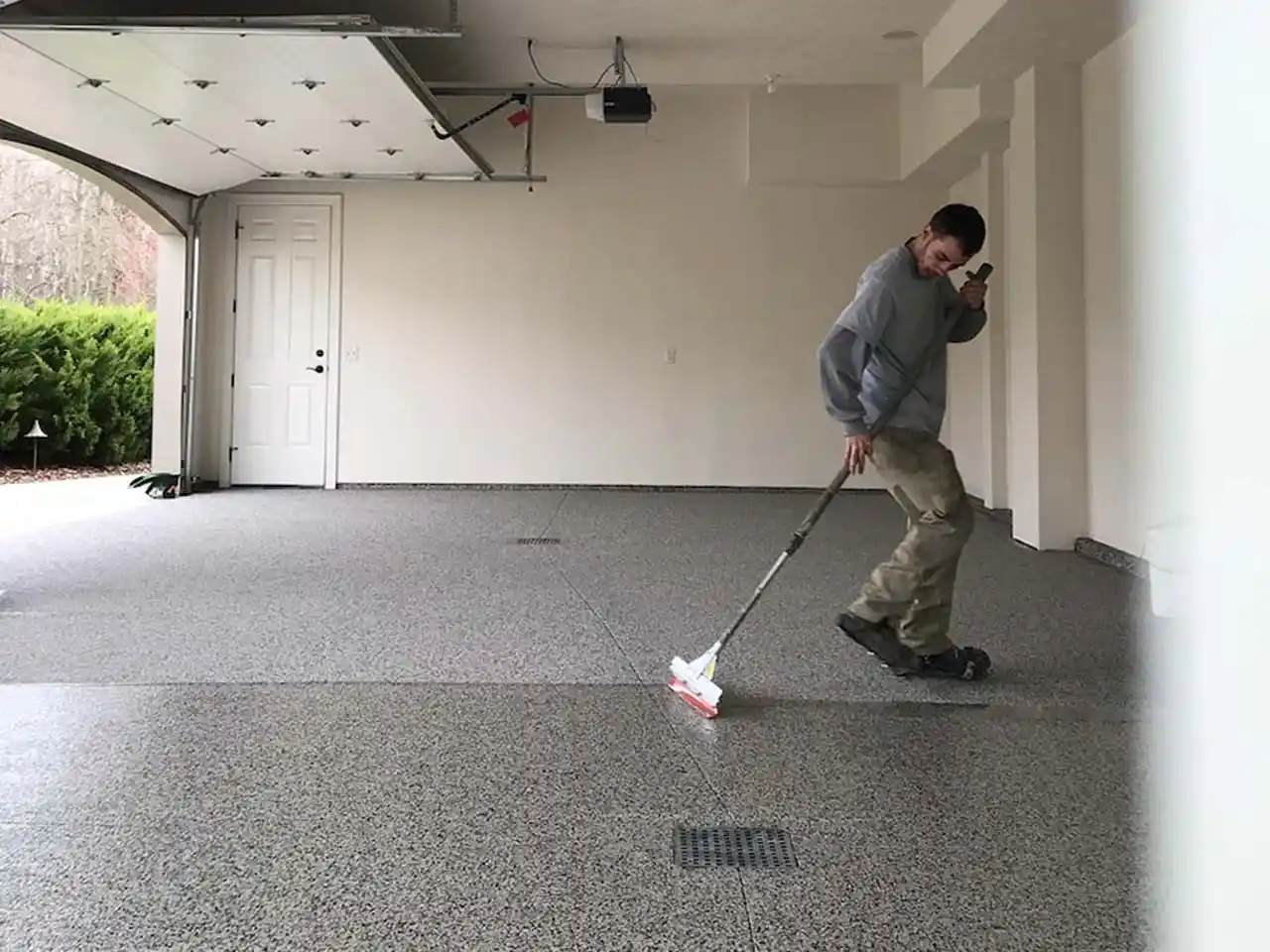
1. Mix warm water with a heavy-duty degreaser or detergent.
2. Mop or spread the solution across the surface using a stiff-bristled broom.
3. Allow the cleaner to dwell for 10 minutes.
4. Scrub with a brush or use a power scrubber for large areas.
5. Rinse thoroughly using a pressure washer or hose.
6. Squeegee excess water toward the drain or vacuum it with a wet/dry vacuum.
This method works for most unsealed and sealed concrete garage floors.
Best Pressure Washer PSI for a Garage Floor
Sound, uncoated concrete can often be cleaned effectively with approximately 2,500 to 3,500 PSI, but the correct setting depends on the floor’s age, strength, finish, cracks, and previous repairs. Begin with a wider spray pattern and test a small area from a safe distance. Increase the cleaning force gradually only when pretreatment and moderate pressure are not producing the required result.
A 25-degree nozzle is a practical starting point for many concrete garage floors. A surface-cleaner attachment can provide more consistent coverage and reduce visible cleaning lines. Do not use a zero-degree nozzle or hold the stream in one place. Epoxy, painted, sealed, deteriorated, or decorative garage floors generally require lower pressure and a gentler cleaning method.
Garage Floor Cleaning Safety and Drainage
Before deep cleaning, improve ventilation and protect your skin and eyes from splashes. Read the detergent label, avoid mixing cleaning chemicals, and keep children and pets away from the work area. Electrical tools, outlets, extension cords, stored chemicals, and ignition sources should be protected from water and cleaning solutions. Never operate fuel-powered pressure washers inside an enclosed garage because exhaust fumes can create a serious carbon monoxide hazard.
Plan where dirty water will travel before rinsing. Oil, solvents, degreasers, and other contaminants should not enter storm drains, soil, or nearby waterways. Use absorbent barriers, a wet/dry vacuum, or suitable wastewater-recovery equipment when necessary. Follow local regulations for collecting and disposing of contaminated wash water.
How Often Should You Clean a Garage Floor?
Sweep or vacuum a frequently used garage every few weeks and clean spills immediately. A deeper wash every three to six months may be appropriate for garages exposed to vehicle traffic, road salt, oil, workshop dust, or seasonal moisture. Light-use garages may require a full cleaning only once or twice a year. The right schedule depends on how the garage is used, the floor material, local weather conditions, and the amount of dirt brought inside.
Regular maintenance reduces the need for aggressive stain removal. Place absorbent mats beneath vehicles or equipment that may leak, use entrance mats to capture grit, and inspect the floor for cracks, peeling coatings, or worn sealant. Prompt spill removal protects the surface and makes every future garage floor deep cleaning session faster and easier.
When to Hire a Professional Garage Floor Cleaner
Professional cleaning may be the better option when a garage is large, heavily stained, poorly drained, or used for commercial work. Trained technicians can select suitable degreasers, pressure settings, scrubber pads, and wastewater-recovery methods for the floor’s condition.
Expert assistance is also advisable for widespread oil contamination, hazardous spills, damaged coatings, uncertain floor materials, or stains that remain after careful treatment. Professional concrete floor cleaning can reduce the risk of surface damage and may prepare the floor more consistently for sealing, painting, or installing a new epoxy coating.
Conclusion for How To Clean Garage Floor
Maintaining a clean and stain-free garage floor isn’t just about aesthetics—it’s essential for safety, durability, and hygiene. Whether you’re learning how to clean cement garage floors or tackling how to remove oil from garage floor surfaces, the right method depends on your floor type. Regular sweeping, prompt spill cleanup, and periodic deep garage floor cleaning help keep your space in top shape. From how to clean concrete garage floors to safely handling an epoxy garage floor, each surface requires attention and the proper garage floor cleaner. With the right tools, techniques, and consistency, your garage floor can remain spotless and functional all year long.
Regular sweeping, prompt spill cleanup, and periodic deep garage floor cleaning help keep the space in good condition. Concrete, cement, sealed, painted, and epoxy floors each require suitable tools, cleaners, and pressure levels.With the right garage floor cleaner, equipment, and maintenance routine, you can protect the surface and keep the garage clean, safe, and functional throughout the year. Pressure King offers pressure washers, floor-cleaning equipment, detergents, accessories, and professional guidance for residential and commercial cleaning projects.
Frequently Asked Questions (FAQs)
What is the best way to clean a concrete garage floor?
The best method is using a concrete degreaser and a stiff brush to scrub away oil, grime, and dirt. Rinse thoroughly with water for a clean, fresh surface.
How to clean the garage floor without a pressure washer?
Sweep the floor, apply a degreaser or dish soap with hot water, and scrub with a stiff brush. Rinse with a hose or mop up with clean water.
What is the best DIY garage floor cleaner?
A simple mix of hot water, dish soap, and baking soda works well for most stains. Add vinegar for extra power against mildew and light grease.
What is the best thing to clean your garage with?
Use a garage floor cleaner like a degreaser for oil stains, combined with a stiff broom or scrub brush. A mop and bucket work well for final rinsing.
How do you clean a concrete garage floor without a pressure washer?
Use a degreaser or homemade cleaner (dish soap and water), scrub with a heavy-duty brush, and rinse with a hose or mop.
What do professionals use to clean concrete?
Professionals typically use commercial-grade concrete degreasers, acid-based cleaners, enzymatic solutions, and power scrubbers or pressure washers for tough jobs.
Is bleach or vinegar better for cleaning concrete?
Vinegar is safer for light stains and mildew, while diluted bleach is more powerful for deep mold or algae. Use both carefully, avoiding stained or sealed surfaces.
Can you pressure wash an epoxy garage floor?
An epoxy floor may tolerate gentle rinsing, but close-range or high-pressure cleaning can chip or lift the coating. Use a wide spray pattern, low pressure, and a safe working distance after testing a hidden area.

Michael Adeniran is the CEO of Pressure King Inc. He has been dealing in commercial cleaning equipment for many years. He is one of the leading specialists and experts in commercial cleaning products.