


How to Clean Your Wood Fence

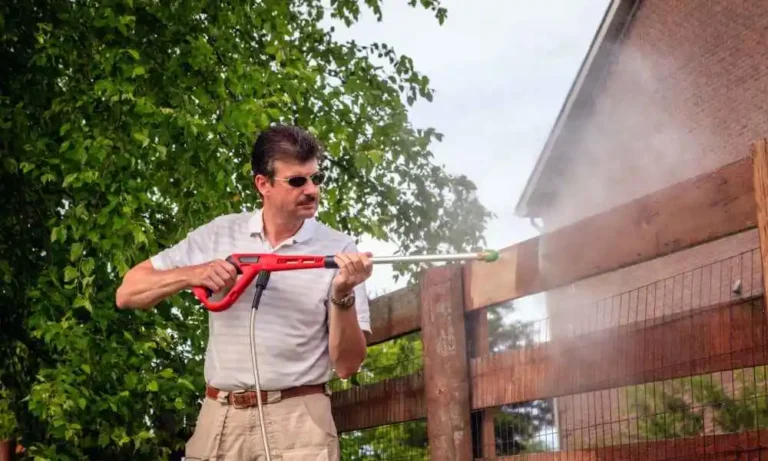
The wood fence remains an ageless property addition because it provides privacy and security with its attractive appearance. But your wood fence gradually collects dirt, mold, mildew, and stains from environmental exposure. This results in a dull and broken appearance of the wood fence. The upkeep of your wood fence through regular cleaning prevents the need for replacement by extending its operational life. Your wood fence can achieve its previous state by using the proper tools and techniques.
Using a pressure washer proves to be the most efficient method for cleaning wood fences since it eliminates heavy grime without harming the wood material. In this blog, we will explain the complete step-by-step guide through which you will learn “How to Clean Your Wood Fence”. It covers how to pressure wash a wooden fence using washing techniques to recover its original attractiveness. But first, let’s learn why maintaining a clean wood fence is important.
The method used for cleaning wood fence surfaces should depend on the age and condition of the wood. A newer, sealed fence may only need a light rinse and mild cleaner, while an older fence with algae or mildew may require gentle scrubbing and controlled pressure washing. Inspecting the surface first will help you choose a safe cleaning approach.
Key Takeaways
- Clean your wood fence when you notice algae, mildew, mud, fading, or slippery surfaces.
- You do not need to follow a strict cleaning schedule if the fence is still in good condition.
- A water absorption test can help determine whether the wood needs cleaning and resealing.
- If water quickly absorbs into the wood, consider a wood fence wash followed by staining or sealing.
- Regular cleaning can help maintain the fence’s appearance and overall condition.
The Significance of Maintaining a Clean Wood Fence
A fence that receives little attention can gradually develop mold, algae, and mildew. These contaminants trap moisture and may cause the wood to weaken or deteriorate over time. Regular cleaning helps extend the fence’s lifespan while preserving its natural appearance. It also improves the overall curb appeal of the property.
Keeping the fence clean makes it easier to notice loose boards, damaged fasteners, cracks, and early signs of decay. These problems can then be addressed before they lead to expensive repairs or replacement. Proper maintenance also protects the wood against moisture damage and rot. As a result, the fence remains stable, attractive, and functional for longer.
Signs Your Wood Fence Needs Cleaning
These are some signs that wood fence generally need for cleaning.
Green algae: Green growth on the fence indicates moisture buildup and the need for cleaning.
Black mildew spots: Dark spots or patches can signal mildew or other organic buildup.
Mud stains: Visible dirt and mud can make the wood look dull and require a thorough cleaning.
Fading: A faded or weathered appearance may indicate that the wood needs cleaning and possible resealing.
Slippery surface: A slippery fence surface can result from algae or moisture buildup.
Water absorption: Spray a small section with clean water. If water quickly absorbs into the wood and darkens it, the fence may need a complete wood fence wash followed by a suitable stain or sealer.
Tools and Materials Needed
To start wood fence cleaning or to clean a fence with a pressure washer, you need several tools along with the required materials, which include the following:
- Pressure washer
- Wood fence cleaner or mild detergent
- Garden hose
- Safety goggles and gloves
- Scrub brush (for stubborn stains)
- Detergent Bleach (for mold and mildew removal)
- The optional after-cleaning treatment includes a sealer or stain.
Step-by-Step Guide to Cleaning a Wood Fence
Below is a complete step-by-step guide to pressure washing a fence.

Step 01: Prepare the Fence
Before cleaning the fence with a pressure washer, begin your inspection by checking the fence to verify the condition of loose boards and damaged nails. The first step before cleaning is to inspect and fix any loose areas because future damage during cleaning can occur. Next, remove any obstacles, such as furniture or decorations, from around the fence.
Protection of adjacent surfaces and surrounding plants requires the use of drop cloths together with plastic sheeting. The first step requires preparing your fence before cleaning.
Step 02: Pre-Rinse the Fence
A garden hose should be used to completely wash down the fence. A pre-wash rinse step clears loose materials from the surface, thus improving the effectiveness of the power wash fence.
Step 03: Set The Pressure Washer
The correct pressure settings serve as a fundamental requirement for those who wish to learn “How To Clean Wood Fence” with pressure washers. An excessive water pressure could harm the wood structure yet insufficient pressure might fail to deliver proper cleaning effects.
Running a pressure washer with its setting adjusted to between 1500 and 2000 PSI will be ideal. The nozzle attachments should point to a 25 degree or 40 degree position to achieve maximum coverage. Maintain the nozzle position at least 12 inches from the fence material to safeguard the wood.
Step 04: Apply Wood Fence Cleaner
A pump sprayer or garden sprayer should be used to apply the wood fence cleaner to the surface. Use the wood fence cleaner as directed by the manufacturer regarding dilution methods and spraying techniques. Leave the cleaner to rest as per manufacturer instructions between 10 to 15 minutes so it can dissolve the stains and mold. A scrub brush should be used to work the cleaning solution so stains can be released from the surface.
Following this point, you need to tackle mold and mildew growth when they appear (If needed). Here are instructions to treat mold or mildew spots:
Combine one part bleach with three parts of water. Use a spray bottle to apply this mixture on the damaged areas of the fence. After the treatment solution has soaked properly for 10-15 minutes you should brush the surface. Rinse thoroughly with a garden hose or pressure washer.
Step 05: Pressure Wash the Fence
After the wood fence cleaner has been applied and the mold has been treated, it’s finally time to pressure wash the fence. Start cleaning the fence with a pressure washer from the top part of the fence down to the bottom part to prevent streaks. Operation of the pressure washer wand should consist of slow and uniform hand movements. Regular motion of the spray nozzle will stop the risk of saturating one spot excessively. The complete drying process must finish before starting the application of sealant or stain to the fence.
Step 06: Let the Fence Dry & Sealant
Pressurized air should not hit the fence before it has dried thoroughly for 24-48 hours. All water needs to get fully evaporated from the surface so the sealing or staining process can begin.
A wood sealer or stain falls within the optional final step after fence cleaning.
The protection of newly cleaned fence requires application of a wood sealer or stain. The sealing material serves to protect from both mold formation and ultraviolet radiation damage. Select a top quality wood stain or sealant among the available options. Thinly apply the finishing coat with either a roller or a brush or a sprayer.
How Often Should I Clean My Wood Fence?
A durable wood fence requires regular cleaning and maintenance. Inspect the surface at least twice a year. Use a garden hose to remove loose dirt and debris. Apply mild detergent to treat ordinary surface stains. Deep-clean the fence with a suitable wood cleaner once a year.
Apply a fresh coat of stain or sealer every two to three years. This protective coating helps prevent moisture from entering the wood. It also reduces fading and damage caused by UV rays. Regular sealing can lower the risk of cracking and premature decay. As a result, your fence can remain attractive and durable for longer.
What is the Best Thing to Clean a Wood Fence With?
Following the dirt, mildew, or stain condition of your wood fence, you should select the appropriate cleaning solution for wood fences. Mild dish soap mixed with water produces an excellent solution for regular wood fence cleaning purposes. A mixture of white vinegar combined with water serves as an effective cleaner for fences affected by mildew or algae. A mixture of bleach diluted in water at a 1:3 ratio proves effective for clearing deep stains that also contain mold from the wood surface.
The cleaning solution of oxygen bleach accomplishes thorough cleaning without causing excessive harm to wood surfaces. The market provides wood fence cleaners that exist to clean the surface dirt while preserving the wood fibers without any harm. Determine the effects of cleaning solutions by applying them to a hidden part of the fence before you proceed with the complete surface.
How Should You Choose a Wooden Fence Cleaner?
The most suitable wooden fence cleaner depends on the type of buildup present. Mild detergent may be enough for ordinary dust and dirt, while a product formulated for exterior wood may be needed for algae, mildew, or stubborn stains. Check that the cleaner is compatible with the wood and any existing paint, stain, or sealer.
Before applying the cleaner to the complete fence, test it on a small and less visible section. Follow the manufacturer’s dilution and dwell-time instructions, and do not allow the product to dry on the surface. Never mix different cleaning chemicals because some combinations can produce dangerous fumes.
How Do You Make a Wooden Fence Look New Again?

To make a wooden fence look new again, professional handling or cleaning with a pressure washer is needed. Begin by washing the fence completely with a combination of hose pressure and non-aggressive cleaning ingredients. When the surface of your fence has dried, you should check it for missing hardware and signs of decay while also inspecting for any damaged sections.
The surface needs to be sanded because this process eliminates rough spots and peeling paint and prevents the old finish from staying on the fence. To safeguard the fence from weather damage you should apply new stain or sealant to the surface after sanding it down. Select top-quality stain that combines both UV defense and water-resistant properties to protect your wood fence against extreme environmental conditions. Ordinary upkeep practices coupled with annual cleaning operations and resealing procedures periodically will maintain your fence’s bright new appearance.
How Do You Clean a Wood Fence Without Pressure Washing It?
Pressure washing is an effective way to clean your fence. If you don’t have a pressure washer, here is how you can clean a wood fence without pressure washing it:
- You should use a garden hose to remove loose dirt, dust, and debris by using its spray nozzle.
- To make the cleaning solution, you should combine warm water with either mild dish soap or white vinegar or oxygen bleach. A diluted bleach solution with 1 part bleach mixed with 3 parts water will kill mold or mildew.
- A sprayer bottle along with sponge equipment or a pressure pump helps distribute cleaning solution over the wood fence area. Let it sit for 10–15 minutes.
- A soft-bristle or scrub brush should be used to clean the surfaces by removing dirt and stains, especially in areas heavily affected by buildup.
- Clean off all cleaning solution by applying water from a garden hose until the surface remains free from residue.
- Your fence requires complete airflow-drying before adding any protective material.
- You can complete the wood fence maintenance by applying protective finishes though staining or sealing it will both improve appearance and guard against further accumulation of dirt and moisture.
What Should You Do After a Wood Fence Wash?
After completing the wood fence wash, inspect the boards for raised fibers, loose fasteners, cracks, and signs of decay. Minor rough areas can be sanded after the wood has dried, while rotten or severely damaged boards may need to be replaced. Completing these repairs before staining or sealing will help create a cleaner and more even finish.
Allow the fence to dry completely before applying any protective product. Drying commonly takes 24 to 48 hours, but shaded areas, high humidity, and cool weather may increase this period. Applying stain or sealer while moisture remains inside the wood can cause an uneven finish, peeling, or poor adhesion.
Common Mistakes to Avoid When Cleaning a Wood Fence
Pressure washing works efficiently, yet an inappropriate approach during usage may result in fence destruction. Avoid these common mistakes:
- An excessive force greater than 2000 PSI applied to wood surfaces will remove the wood fibers.
- Holding the nozzle near to the surface will create damaged areas through splintering and gouging.
- Do not bypass the drying step before applying stains or sealants.
- Do not ignore mold and mildew since these elements can spread among wood.
- Properly remove the clearing solution from wood surfaces.
Get Your Pressure Washer Today!
Pressure King offers an effective solution to transform your fence’s appearance. Get ready to revive your wooden fence to its original state with our pressure washer and pressure washing services. Pressure King provides advanced pressure washers that simplify fence cleaning for you. Call us to check out our available pressure washers. You can also visit pressure washer store in closter, New Jersey.
Conclusion
A fence constructed from wood requires proper maintenance to protect its appearance and improve its operational lifetime. Your fence will suffer damage from dirt, mold, mildew, and stains, but proper maintenance tools and techniques allow you to return it to its initial condition. Pressurized water cleaning stands as a top approach to thorough wood fence cleaning because it successfully eliminates hard-to-remove residue while protecting the fencing material. This blog offers a detailed guide that allows people to perform professional pressure washing on their wooden fences successfully.
Frequently Asked Questions
What is the best cleaner for a wooden fence?
The best wooden fence cleaner depends on the fence’s condition. Mild detergent may remove ordinary dirt, while an exterior wood cleaner may be needed for mold, mildew, algae, or stubborn stains. Always test the cleaner on a hidden section before treating the entire fence.
Can I clean a wood fence without using a pressure washer?
Yes. If you are learning how to clean wood fence surfaces without a pressure washer, apply a suitable cleaning solution, gently scrub the boards with a soft-bristle brush, and rinse them with a garden hose. This method is particularly suitable for older or delicate wood.
How often should I wash my wood fence?
A thorough wood fence wash is generally needed once a year. However, fences located in shaded, humid, or heavily wooded areas may require more frequent cleaning. Inspect your fence regularly and clean it whenever you notice dirt, algae, mildew, or dark stains.
Is pressure washing safe for cleaning a wood fence?
Pressure washing can be safe for cleaning wood fence surfaces when you use controlled pressure and an appropriate nozzle. Maintain a suitable distance, keep the nozzle moving, and test an inconspicuous section first. Excessive pressure can splinter the wood or create permanent marks.
How long should a wood fence dry after cleaning?
After cleaning fence panels, let the wood dry for at least 24 to 48 hours before applying stain or sealer. Humidity, shade, temperature, and the condition of the wood can increase drying time. The fence must be completely dry before receiving a protective finish.

Michael Adeniran is the CEO of Pressure King Inc. He has been dealing in commercial cleaning equipment for many years. He is one of the leading specialists and experts in commercial cleaning products.


