


How To Get Mold Out Of Carpet: Professional Tips for Deep Cleaning and Prevention

Excess moisture and water damage can create ideal conditions for mold growth within 24 to 48 hours. Once mold spores begin to spread, removing them can become difficult without proper cleaning methods and specialized equipment. Taking quick action can help prevent mold from spreading and causing further damage.
The clues are not hard to identify: your carpet smells like mildew, there is a discoloration, or you step on something wet. Uncontrolled mold may lead to chronic respiratory problems, destroy floor covering, and even completely destroy your carpet. It is the reason why learning how to clean mold on carpet is important to have a healthy inside environment.
Learning how to get mold out of carpet requires more than treating visible spots. Mold may spread into the carpet backing, padding, subfloor, and nearby building materials when moisture remains trapped. Effective carpet mold removal therefore starts by identifying the water source, evaluating the affected area, and determining whether the carpet can be cleaned safely or needs replacement.
Key Takeaways
- Successful mold removal from carpet begins with correcting the leak, humidity, condensation, or flooding that caused the problem.
- Small, recently affected areas may be suitable for careful cleaning, but extensively contaminated carpet and padding may need removal.
- HEPA filtration, water extraction, dehumidification, and rapid drying help control remaining moisture and reduce the chance of mold returning.
How To Identify Mold in Carpet
Before you jump into cleaning, you need to confirm the presence of mold. Here’s what to look for:
- Musty Odor: The first giveaway is often the smell — a damp, earthy, or musty odor.
- Discoloration: Mold may appear as green, black, or white patches on the carpet.
- Allergy Symptoms: Sneezing, coughing, or watery eyes may worsen indoors.
- Dampness: Moisture trapped under the carpet padding can feed hidden mold.
If you suspect growth, act fast. The sooner you begin cleaning, the easier it is to stop the spread, especially if you’re dealing with how to get black mold out of carpet, which can be more aggressive and hazardous.

Can Mold Be Completely Removed From Carpet?
Whether it is possible to remove mold from carpet depends on the affected area, moisture source, contamination depth, and length of time the carpet has remained wet. A recent surface-level problem may be easier to address than mold that has spread through the fibers, backing, padding, and subfloor.
Carpet is porous, so mold can grow inside spaces that ordinary cleaning cannot reach. The EPA explains that moldy absorbent materials, including carpet, may have to be discarded when they cannot be cleaned and dried completely. Therefore, cleaning the visible surface does not always provide complete carpet mold remediation.
The moisture source must also be corrected before cleaning begins. Repair plumbing leaks, stop water intrusion, control condensation, and dry the subfloor. Otherwise, even thorough moldy carpet cleaning may provide only temporary results.
Step-by-Step Guide: How To Remove Mold From Carpet
If your carpet has developed a musty odor or visible mold spots, don’t panic. Follow these professional, step-by-step cleaning methods to completely remove mold from carpet while protecting your indoor air quality. Using Pressure King Inc.’s advanced floor-cleaning equipment ensures not only deep cleaning but also mold prevention and odor control for the long term. Here’s how to tackle mold like a professional cleaner using powerful tools.
Step 1: Safety First
Mold spores can easily become airborne during cleaning, so safety should always come first. Before beginning the process, equip yourself with gloves, an N95 mask, and safety goggles to prevent inhalation or skin contact. Open windows and doors to promote airflow and reduce spore concentration. If you have fans or portable air movers, use them to direct air outside the room. For larger contaminated areas, it’s best to isolate the cleaning zone using plastic sheeting. Mold exposure can cause respiratory irritation — taking precautions protects both your health and home.
Step 2: Pre-Clean with a HEPA Vacuum
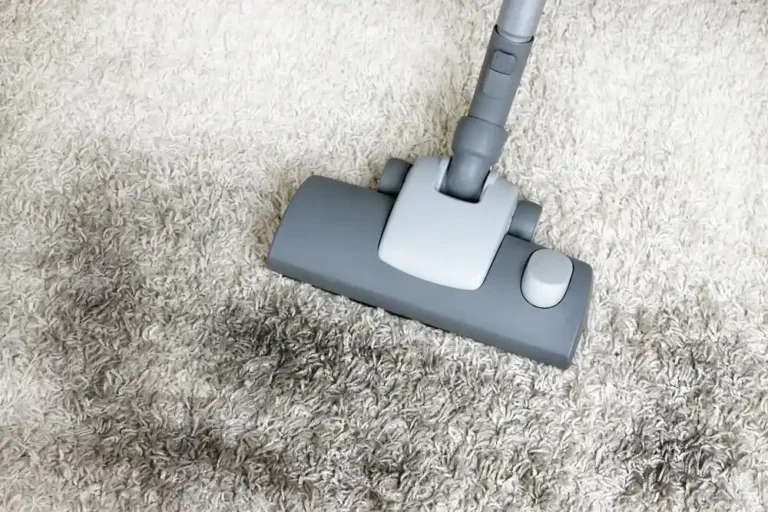
Before applying any liquid cleaner, start by vacuuming the area thoroughly. This step removes surface-level mold spores, dust, and debris, preparing your carpet for deeper cleaning. Use a Canister Vacuum equipped with HEPA filtration, as it captures microscopic mold spores instead of redistributing them into the air. Pressure King Inc.’s commercial-grade wet/dry vacuums are ideal for this task—they’re powerful, durable, and designed to handle moisture safely. Avoid standard household vacuums, as they may release spores back into the room and worsen contamination.
Step 3: Apply a Mold Treatment Solution
Once the surface is vacuumed, it’s time to treat the carpet with an anti-mold solution. For chemical-free cleaning, you can opt for natural remedies like equal parts white vinegar and warm water or baking soda paste. Spray the solution liberally over the moldy areas, allowing it to soak for at least 15–20 minutes. This helps kill mold in carpet fibers before mechanical cleaning begins. If you’re dealing with severe infestations, such as how to get black mold out of carpet, consider using a professional-grade disinfectant compatible with carpet fibers. Always test on a small area first to avoid discoloration.
Step 4: Deep Clean Using a Carpet Extractor
The most effective way to get mold out of carpet is through deep cleaning with a Carpet Extractor. These machines use hot-water extraction to penetrate deep into carpet fibers, dissolving dirt, mold, and bacteria, then instantly suctioning the dirty water away. Pressure King Inc. offers a range of high-performance models:
- Compact Extractors for residential and small-scale jobs.
- Walk-Behind Extractors for large commercial or industrial cleaning.
This method not only removes mold but also sanitizes your carpet, leaving it fresh, clean, and safe to use again.
Step 5: Scrub and Rinse with a Floor Scrubber
If mold has spread widely or affected both carpet and surrounding flooring, a Walk-Behind Scrubber can deliver a deeper, more even clean. These machines use rotating brushes to lift embedded contaminants while dispensing and recovering cleaning solutions simultaneously. Pressure King’s floor scrubbers are ideal for heavy-duty environments where precision and consistency matter. After extracting, use the scrubber with clean water for a gentle rinse. This extra step ensures that all mold residue and cleaning chemicals are removed, restoring the original texture and extending carpet life.
Step 6: Dry Completely with Air Movers
After cleaning, drying is the most critical step in preventing mold from returning. Even small amounts of moisture can trigger regrowth within 24–48 hours. Use industrial Air Blowers to accelerate the drying process. Their high-velocity airflow rapidly removes moisture from deep within carpet fibers and padding, ensuring complete dryness. Position air movers across the cleaned area for even drying, and let them run for several hours. This process also helps get mold smell out of carpet, leaving behind only a clean, fresh scent.
Step 7: Sanitize and Deodorize
The final step is sanitizing and deodorizing to keep mold away and restore a pleasant indoor atmosphere. Apply an antimicrobial carpet treatment or eco-friendly deodorizer to neutralize any remaining spores. If you prefer natural solutions for how to get mold out of carpet naturally, sprinkle baking soda generously over the surface and let it sit overnight. Vacuum it up the next morning using a HEPA vacuum. This method effectively removes odors and residual moisture.

Carpet Mold Cleaning vs. Professional Mold Remediation
Routine carpet mold cleaning and professional mold remediation do not serve exactly the same purpose. Cleaning focuses on treating a limited surface area, extracting moisture, removing residue, and drying the carpet. Remediation addresses the complete contamination source and may involve containment, material removal, subfloor treatment, moisture correction, and controlled disposal.
| Situation | Carpet Cleaning May Be Suitable | Professional Remediation May Be Necessary |
| Small, recent surface spot | Yes, after correcting the moisture source | Usually not, unless occupants are vulnerable |
| Carpet wet for less than 24–48 hours | Possibly, if extraction and drying begin immediately | Consider if contaminated water is involved |
| Mold beneath carpet padding | Usually not sufficient | Yes |
| Repeated mold growth | Cleaning alone may provide temporary results | Yes |
| Large affected area | Not recommended as a DIY project | Yes |
| Sewage or contaminated-water exposure | No | Yes |
| Persistent mold smell from carpet | Further inspection is required | Often recommended |
Recommended Cleaning Machines from Pressure King Inc.
At Pressure King Inc., we provide top-quality floor cleaning machines built for commercial, industrial, and residential use — perfect for tackling mold, mildew, and embedded dirt.
1. Carpet Extractors
Ideal for deep cleaning and mold elimination. These machines combine hot-water extraction and high suction power to clean fibers thoroughly, lifting contaminants, stains, and odors in one go.
2. Floor Scrubbers
Powerful yet easy to operate, these are excellent for large carpeted areas or mixed flooring. Adjustable settings allow for customized cleaning, ensuring even mold-affected carpets are restored safely and efficiently.
3. Air Movers
These industrial-grade dryers and upright vacuums speed up carpet drying after cleaning, a vital step for mold prevention. Compact and powerful, they’re also perfect for how to get mold out of car carpet, ensuring tight spaces dry quickly and completely.
Preventing Future Mold Growth
Once you’ve mastered how to remove mold from carpet, the next step is prevention.
Here’s how to keep your carpets mold-free long-term:
- Maintain indoor humidity below 50%.
- Clean carpets regularly with floor scrubbers or vacuums.
- Fix leaks and spills immediately.
- Use air movers after cleaning or rainy weather to speed drying.
- Schedule professional deep cleans for high-traffic areas.
By integrating Pressure King’s cleaning solutions into your routine, you’ll not only eliminate existing mold but also prevent future issues from ever taking hold.

How to Prevent Black Mold in Carpet
Preventing black mold in carpet requires consistent moisture control. The color of mold does not determine the cleanup method, so any visible mold should be treated carefully. Fix leaks immediately, dry spills quickly, and inspect the padding after flooding or repeated water exposure.
Keep indoor relative humidity below 60% and ideally between 30% and 50%. Dehumidifiers can help control damp rooms, while air movers can accelerate drying after water extraction. Carpet and backing affected by clean water should generally be dried within 24–48 hours to reduce the likelihood of mold growth.
Regular inspection is especially important in basements, entryways, commercial buildings, vehicles, and areas near plumbing fixtures. Addressing moisture early is more reliable than repeatedly attempting to get mold smell out of carpet after contamination has developed.
Conclusion
Dealing with mold doesn’t have to mean replacing your carpet. With the right knowledge and professional floor cleaning machines, you can restore freshness, eliminate odors, and maintain a healthy environment.
If you’re looking for the most effective way to kill mold in carpet, trust Pressure King Inc.’s carpet extractors, floor scrubbers, and air movers engineered to deliver deep cleaning power, quick drying, and lasting results.Explore our full range of floor cleaning machines today at PressureKingInc.com, and bring your carpets back to life with professional-grade cleaning power.
Frequently Asked Question
How to remove mold from carpet effectively?
To effectively remove mold from carpet, start by vacuuming with a HEPA filter, apply a mold-killing solution, and deep clean using a carpet extractor. Finish by drying with air movers to prevent moisture and mold regrowth.
How to get black mold out of carpet safely?
For black mold, wear protective gear, treat the area with vinegar or antifungal cleaner, and deep clean using a hot-water carpet extractor. Black mold spreads quickly, so professional cleaning machines from Pressure King Inc. provide the most thorough and safe results.
How to get mold out of car carpet?
To clean car carpets, use a compact carpet extractor for deep cleaning, followed by air movers for fast drying. Treat moldy areas with natural solutions like vinegar or baking soda before extraction to remove odors and kill hidden spores.
How to get mold smell out of carpet naturally?
To get mold smell out of carpet naturally, sprinkle baking soda, let it sit overnight, then vacuum thoroughly. Use carpet extractors for deep cleaning and air movers to eliminate moisture—both available at Pressure King Inc.
What’s the best way to kill mold in carpet?
The best way to kill mold in carpet is by combining a mold remover with hot-water extraction. Pressure King Inc.’s carpet extractors and floor scrubbers clean deeply, while air blowers ensure complete drying to prevent future mold growth.
Can I get mold out of carpet naturally without chemicals?
Yes. Mix equal parts white vinegar and warm water or use baking soda to naturally treat mold. Then, deep clean using Pressure King Inc.’s eco-friendly extractors and air movers to remove spores and restore freshness without harsh chemicals.
How long does it take for mold to grow in wet carpet?
Mold growth can begin when carpet and other porous materials remain damp. EPA guidance recommends drying water-damaged carpet and backing within approximately 24–48 hours.
Does removing the mold smell mean the carpet is safe?
Not necessarily. Removing a musty odor does not confirm that mold has been eliminated from the backing, padding, or subfloor. Persistent odors require further moisture and contamination inspection.
Should I use a regular vacuum on moldy carpet?
A standard vacuum may redistribute fine particles. EPA guidance recommends properly maintained HEPA vacuums for final cleanup after contaminated materials have been removed and the area has dried.
When should I hire a mold-remediation professional?
Consider professional assistance when the affected area exceeds approximately 10 square feet, mold reaches the padding or subfloor, contaminated water is involved, or the mold keeps returning. The CDC also recommends appropriate protective equipment during cleanup, including at least a NIOSH-approved N95 respirator, gloves, and eye protection.

Michael Adeniran is the CEO of Pressure King Inc. He has been dealing in commercial cleaning equipment for many years. He is one of the leading specialists and experts in commercial cleaning products.


