


How to Use a Pressure Washer Surface Cleaner
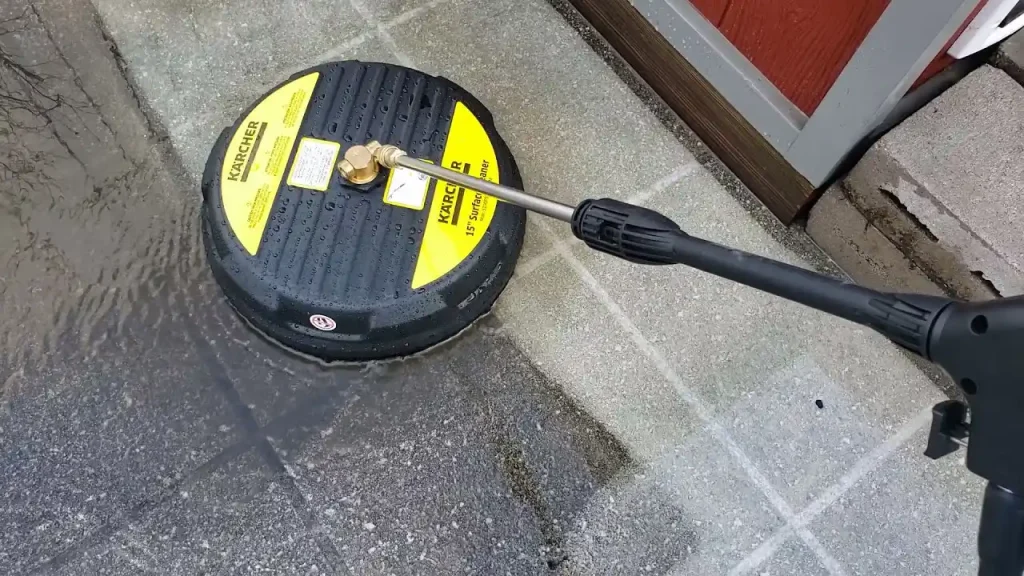

A pressure washer surface cleaner is one of the most effective attachments for cleaning large flat surfaces quickly and evenly. If you are cleaning a driveway, sidewalk, patio, parking lot, warehouse floor, or commercial concrete area, a surface cleaner can help you achieve better results compared to using a standard pressure washer wand alone.
To use a pressure washer surface cleaner correctly, connect the attachment to a compatible pressure washer, prepare the surface, move the cleaner slowly in overlapping passes, and maintain the equipment after use. The correct PSI, GPM, cleaning speed, and technique all play an important role in getting a professional finish without damaging the surface.
This guide explains everything you need to know about using a surface cleaner, including setup, operation steps, cleaning techniques, common mistakes, maintenance, and troubleshooting. Pressure King Inc provides Kärcher professional cleaning equipment and commercial surface cleaning solutions for businesses throughout New Jersey and New York.
What Is a Pressure Washer Surface Cleaner?
A pressure washer surface cleaner is a specialized attachment designed to clean large, flat surfaces more efficiently than a traditional spray wand. Instead of spraying water from one fixed nozzle, a surface cleaner uses rotating spray bars underneath a protective housing to create an even cleaning pattern across the surface.
The attachment is commonly used for concrete surfaces because it provides consistent coverage while reducing streaks and splashback. Commercial users such as contractors, facility managers, property maintenance companies, and industrial businesses use surface cleaners to maintain sidewalks, parking areas, loading docks, and other high-traffic surfaces.
How Does a Pressure Washer Surface Cleaner Work?
A surface cleaner works by using water pressure from the pressure washer to spin internal spray arms. These rotating arms contain high-pressure nozzles that spray water in a circular motion while the operator moves the cleaner across the surface.
The protective cover helps contain the water and debris, making the cleaning process more controlled than using a pressure washer wand. The rotating action allows the operator to clean a wider area with each pass, reducing cleaning time and creating a more uniform appearance.
Main Components of a Surface Cleaner
A typical surface cleaner includes several important components:
- Rotating spray bar
- High-pressure nozzles
- Cleaning housing
- Wheels or guide system
- Connection fitting
- Handle or attachment point
Each component works together to provide smooth operation and consistent cleaning performance. Regular inspection of these parts helps maintain the equipment and prevents uneven cleaning results.
Why Use a Pressure Washer Surface Cleaner Instead of a Wand?
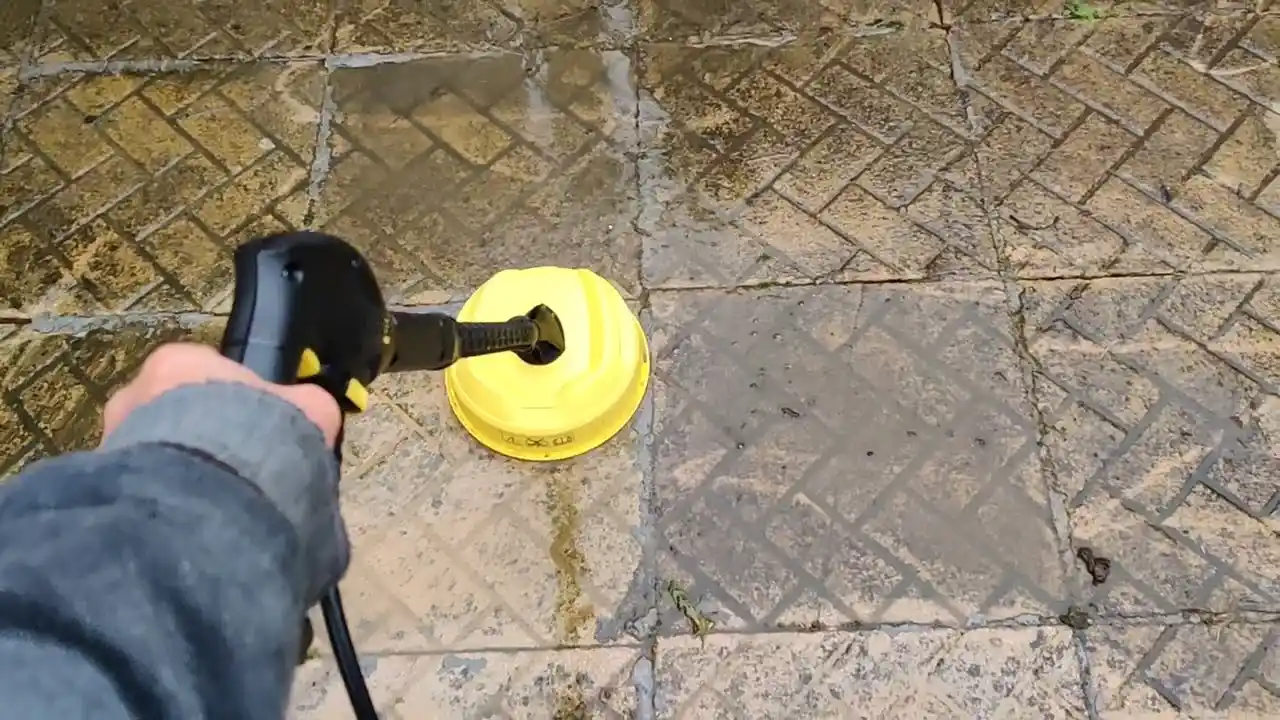
Many people use a pressure washer wand for cleaning concrete and outdoor surfaces, but large areas can become difficult and time-consuming. A wand creates a narrow spray pattern, meaning the operator must make many overlapping passes to clean the entire area evenly.
A surface cleaner spreads the cleaning power across a wider area, making it a better option for large flat surfaces. It helps reduce operator fatigue, improves productivity, and creates a more professional-looking finish.
Faster Cleaning for Large Flat Surfaces
One of the biggest advantages of using a surface cleaner is speed. A driveway, sidewalk, or commercial parking area that takes hours with a wand can often be completed much faster with the correct surface cleaner.
For commercial applications, this improved efficiency is especially valuable. Businesses such as warehouses, apartment complexes, schools, and municipalities often need to clean large outdoor areas regularly without wasting labor hours.
More Consistent Cleaning Results
When using a pressure washer wand, uneven movement can create visible lines or cleaning marks. A surface cleaner helps prevent this because the rotating nozzles maintain a consistent distance from the surface.
This makes surface cleaners ideal for professional applications where appearance matters, such as:
- Commercial properties
- Store entrances
- Apartment communities
- Office buildings
- Industrial facilities
Where Can You Use a Pressure Washer Surface Cleaner?
A surface cleaner is designed mainly for hard, flat surfaces. Choosing the correct application is important because different materials require different cleaning methods and pressure settings. Before using a surface cleaner, always consider the surface type, condition, and recommended pressure level to avoid unnecessary damage.
Concrete Driveways and Sidewalks
Concrete driveways and sidewalks are among the most common applications for surface cleaners. These areas collect dirt, mud, tire marks, algae, and weather-related stains over time. A pressure washer surface cleaner helps remove buildup evenly across the concrete surface while reducing the chance of creating visible streaks.
Commercial Parking Lots and Walkways
Businesses often use surface cleaners to maintain parking lots, sidewalks, and entrances. These areas experience constant exposure to vehicles, foot traffic, weather, and environmental buildup.
Commercial surface cleaners are useful for:
- Parking garages
- Shopping centers
- Office properties
- Apartment complexes
- Municipal sidewalks
Industrial and Warehouse Floors
Industrial facilities often require stronger cleaning solutions because surfaces may collect oil, grease, dirt, and equipment residue. A commercial surface cleaner paired with the right pressure washer can help clean:
- Warehouse floors
- Loading docks
- Manufacturing areas
- Concrete equipment pads
For heavy grease and oil contamination, hot water pressure washers and suitable detergents may provide better results.
What Do You Need Before Using a Surface Cleaner?
Before learning how to use a pressure washer surface cleaner, it is important to have the correct equipment setup. The surface cleaner must match the pressure washer specifications to work properly. Using an incompatible machine can reduce cleaning performance or damage the attachment.
Check Pressure Washer Compatibility
The most important factors are:
- PSI rating
- GPM rating
- Water temperature compatibility
- Connection type
A surface cleaner designed for commercial pressure washers may require higher water flow than smaller consumer machines can provide. Pressure King Inc helps customers choose Kärcher commercial pressure washing equipment based on their cleaning requirements, applications, and operating conditions.
Prepare Required Equipment
Before starting, make sure you have:
- Compatible pressure washer
- Surface cleaner attachment
- High-pressure hose
- Safety equipment
- Cleaning detergent if required
- Water supply connection
Having everything prepared before operation prevents unnecessary interruptions during cleaning.
Safety Tips Before Using a Pressure Washer Surface Cleaner
Pressure washing involves high-pressure water that can cause injury if handled incorrectly. Proper preparation helps protect the operator, equipment, and surrounding surfaces.
Always follow manufacturer recommendations and use the correct protective equipment before beginning any cleaning project.
Wear Proper Protective Equipment
Recommended safety equipment includes:
- Safety glasses
- Waterproof boots
- Gloves
- Protective clothing
Although surface cleaners reduce splashback compared to a wand, water and debris can still escape around the edges.
Inspect the Cleaning Area
Before operating the surface cleaner, remove:
- Rocks
- Leaves
- Loose debris
- Metal objects
- Trash
Large objects can damage the rotating mechanism or become dangerous when exposed to high-pressure water.
Inspect the Surface Cleaner
Check the equipment before use:
- Make sure nozzles are clean
- Confirm the spray bar moves freely
- Inspect connections
- Check wheels or guides
A damaged surface cleaner may create uneven cleaning patterns or reduce performance.

How to Use a Pressure Washer Surface Cleaner Step by Step
Using a surface cleaner correctly requires proper setup, movement technique, and attention to the surface condition. The following steps explain the complete process from connection to final inspection.
Step 1: Connect the Surface Cleaner to the Pressure Washer
Start by turning off the pressure washer before attaching the surface cleaner. Connect the attachment according to the manufacturer instructions and ensure all fittings are secure.
Check that:
- The hose connection is tight
- The quick-connect fitting locks correctly
- The spray arms can rotate freely
Once connected, briefly test the equipment before beginning full cleaning.
Step 2: Prepare the Surface Before Cleaning
Surface preparation improves cleaning results and protects the equipment. Remove loose debris and inspect the area before starting. Sweeping the surface first helps prevent stones or large particles from interfering with the cleaning process.
For surfaces with heavy contamination, applying an appropriate detergent before pressure washing can help loosen dirt, grease, or organic buildup.
Step 3: Start Cleaning With Slow Overlapping Passes
When operating the surface cleaner, move slowly and consistently across the surface.
Avoid:
- Moving too quickly
- Stopping in one location
- Making random movements
Instead, use overlapping passes similar to mowing a lawn. This ensures every section receives equal cleaning coverage.
Step 4: Adjust Speed Based on Surface Condition
Cleaning speed depends on how dirty the surface is.
For lightly dirty surfaces:
- Move at a moderate pace
- Use normal pressure settings
For heavily stained surfaces:
- Move slower
- Allow more cleaning time
- Consider detergent or hot water
The goal is complete cleaning without unnecessary pressure exposure.
Step 5: Rinse and Inspect the Surface
After cleaning, inspect the surface carefully.
Look for:
- Remaining stains
- Missed areas
- Uneven sections
If necessary, repeat the cleaning process in problem areas. A final rinse may be required to remove remaining dirt, detergent, or loosened debris.
Choosing the Right PSI and GPM for a Pressure Washer Surface Cleaner
Choosing the correct PSI and GPM is one of the most important factors when using a pressure washer surface cleaner. Many users focus only on pressure rating, but water flow also plays a major role in cleaning performance. A surface cleaner needs enough water volume to keep the rotating spray bars operating properly and deliver consistent results.
Using a surface cleaner with an underpowered pressure washer can result in slow cleaning, weak rotation, and poor performance. On the other hand, using excessive pressure without considering the surface condition can damage concrete, coatings, or decorative surfaces.
Understanding PSI Requirements
PSI (pounds per square inch) determines the force of the water hitting the surface. The required PSI depends on the type of surface and the level of contamination.
Typical applications include:
| Surface Type | Common PSI Range |
|---|---|
| Residential concrete | 2,000 PSI – 3000 PSI |
| Sidewalks and walkways | 2000 PSI – 3500 PSI |
| Commercial parking areas | 2,500 PSI – 4000 PSI |
| Warehouse concrete floors | 2,500 PSI – 4,000 PSI |
| Heavy industrial surfaces | 3000+ PSI |
For most concrete cleaning applications, a balanced approach works better than simply choosing the highest pressure available. The right PSI combined with proper movement speed and water flow produces better results.
Understanding GPM Requirements
GPM (gallons per minute) determines how much water flows through the pressure washer system. Higher GPM helps move loosened dirt away from the surface and allows operators to clean larger areas faster.
For commercial applications, higher GPM is often beneficial because:
- Large areas require faster rinsing
- Heavy buildup needs more water movement
- Cleaning crews need improved productivity
When selecting a surface cleaner for professional use, always match the attachment with the pressure washer specifications recommended by the manufacturer.
Hot Water vs Cold Water Pressure Washers for Surface Cleaners
Surface cleaners can often be used with both hot and cold water pressure washers, but the best option depends on the type of cleaning application. Cold water systems are effective for general dirt removal, while hot water systems provide additional cleaning power for difficult contaminants such as oil and grease.
Pressure King Inc provides commercial Kärcher pressure washing solutions, including hot and cold water equipment suitable for different surface cleaning applications.
When to Use a Cold Water Pressure Washer
Cold water pressure washers work well for routine surface cleaning tasks such as:
- Sidewalk cleaning
- Driveway maintenance
- Patio cleaning
- General dirt removal
- Outdoor area maintenance
For surfaces with normal dust, mud, and environmental buildup, cold water combined with a surface cleaner can provide excellent results.
When to Use a Hot Water Pressure Washer
Hot water pressure washers are more effective when cleaning surfaces affected by grease, oil, or heavy contamination.
Common applications include:
- Loading docks
- Industrial concrete areas
- Parking garages
- Equipment cleaning areas
- Automotive service locations
Heat helps break down oily residue, making it easier to remove compared to cold water alone.
Should You Use Detergent With a Pressure Washer Surface Cleaner?
Detergents are not always required when using a surface cleaner, but it can improve results for certain cleaning situations. Surface cleaners are excellent for removing surface-level dirt, but some stains require chemical assistance to break them down.
The correct cleaning solution depends on what you are removing and the type of surface being cleaned.
When Detergent Can Help
Cleaning chemicals may improve results when dealing with:
- Oil stains
- Grease buildup
- Mold and algae
- Organic stains
- Heavy dirt accumulation
For commercial and industrial users, using the correct detergent can reduce cleaning time and improve overall results.
How to Apply Cleaning Solutions
A common process is:
- Apply the appropriate detergent to the surface.
- Allow the solution time to loosen the buildup.
- Use the pressure washer surface cleaner.
- Rinse the area thoroughly.
Always follow the chemical manufacturer’s instructions and use products that are suitable for pressure washing equipment.
Common Mistakes When Using a Pressure Washer Surface Cleaner
A surface cleaner is simple to operate, but incorrect usage can reduce cleaning quality or damage the equipment. Understanding common mistakes helps users achieve better results.
Moving Too Quickly Across the Surface
One of the most common mistakes is moving the surface cleaner too fast. When operators rush, the rotating nozzles do not have enough time to remove buildup. This can leave behind:
- Uneven cleaning
- Visible marks
- Remaining dirt
Move at a steady pace and slow down on heavily stained areas.
Using Incorrect Pressure Settings
Using too much pressure does not always mean better cleaning.
Excessive pressure can damage:
- Decorative concrete
- Coatings
- Older surfaces
- Painted areas
Always adjust pressure based on the surface condition and manufacturer recommendations.
Using an Undersized Pressure Washer
A surface cleaner requires sufficient water flow to perform properly. If the pressure washer does not provide enough GPM, you may notice:
- Slow rotation
- Weak cleaning performance
- Longer cleaning times
Always confirm compatibility before purchasing or connecting equipment.
Ignoring Surface Cleaner Maintenance
A dirty or poorly maintained surface cleaner will not perform efficiently.
Common maintenance issues include:
- Clogged nozzles
- Restricted water flow
- Damaged spray arms
- Worn connections
Regular inspection helps prevent performance problems.
Troubleshooting Pressure Washer Surface Cleaner Problems
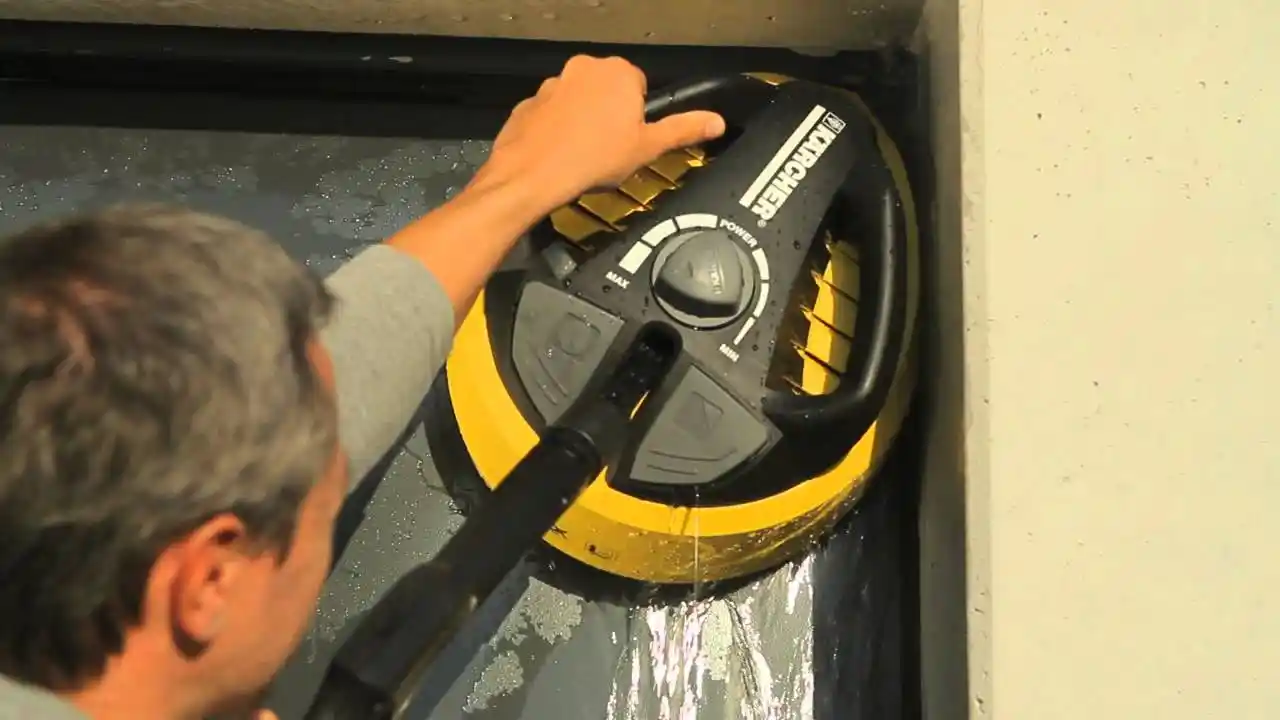
Even with proper operation, surface cleaners may sometimes experience issues. Understanding common problems can help users quickly identify solutions.
Surface Cleaner Is Not Spinning
If the spray bar is not rotating, possible causes include:
- Clogged nozzles
- Low water flow
- Debris inside the rotating mechanism
- Incorrect pressure washer connection
Start by checking the nozzles and ensuring the pressure washer provides enough flow.
Surface Cleaner Leaves Streaks
Streaking is usually caused by:
- Moving too quickly
- Uneven movement
- Dirty nozzles
- Worn spray tips
Clean the nozzles and use slower overlapping passes to improve results.
Surface Cleaner Has Weak Cleaning Power
Weak performance may happen because:
- PSI is too low
- GPM is insufficient
- Nozzles are clogged
- The surface requires detergent
Check your equipment specifications and make sure the pressure washer matches the surface cleaner requirements.
How to Maintain a Pressure Washer Surface Cleaner
Proper maintenance extends the life of your surface cleaner and keeps cleaning performance consistent. Commercial users who rely on equipment regularly should inspect and maintain attachments as part of their normal cleaning routine.
Pressure King Inc supports commercial customers with professional cleaning equipment solutions and maintenance assistance for pressure washing systems.
Clean the Surface Cleaner After Every Use
After completing a cleaning job:
- Flush the equipment with clean water
- Remove dirt and debris
- Check nozzle openings
- Inspect connections
This prevents buildup from affecting future performance.
Inspect Nozzles and Spray Arms
The rotating spray system is one of the most important parts of the surface cleaner.
Regularly check:
- Nozzle condition
- Spray pattern
- Rotation movement
- Arm connections
Damaged or clogged nozzles can create uneven cleaning.
Store Equipment Properly
Proper storage helps prevent damage.
Store your surface cleaner:
- In a dry location
- Away from extreme temperatures
- Protected from unnecessary impact
Commercial operators should include surface cleaner inspections in their regular equipment maintenance schedule.
Commercial Tips for Using Surface Cleaners More Efficiently
Commercial users often clean larger areas where efficiency and consistency matter. Contractors, property managers, and facility teams can improve productivity by following a few practical techniques.
Plan the Cleaning Area Before Starting
Divide large spaces into sections before beginning.
This helps:
- Maintain consistent coverage
- Track completed areas
- Reduce missed sections
For large commercial projects, planning prevents unnecessary rework.
Choose the Right Surface Cleaner Size
The correct surface cleaner size depends on the application.
Smaller units may be better for:
- Walkways
- Smaller patios
- Tight spaces
Larger commercial surface cleaners are better for:
- Parking lots
- Warehouses
- Industrial facilities
- Large concrete areas
Pressure King Inc can help businesses choose the appropriate Kärcher equipment based on their cleaning requirements.
Combine Proper Equipment With Regular Maintenance
The best cleaning results come from using the right combination of:
- Pressure washer
- Surface cleaner
- Accessories
- Cleaning chemicals
- Maintenance practices
A complete cleaning system improves productivity and equipment reliability.
Conclusion
Learning how to use a pressure washer surface cleaner correctly helps you clean large flat surfaces faster, achieve more consistent results, and reduce the effort required compared to using a standard pressure washer wand. From residential driveways and patios to commercial sidewalks, parking areas, and industrial concrete floors, surface cleaners provide an efficient solution for maintaining clean surfaces.
Choosing the right equipment, matching PSI and GPM requirements, using proper cleaning techniques, and maintaining the attachment after use are essential for long-term performance. For businesses in New Jersey and New York, Pressure King Inc provides Kärcher commercial pressure washers, surface cleaners, accessories, and professional equipment support to help customers handle demanding cleaning applications.
Frequently Asked Questions
How do you use a pressure washer surface cleaner?
To use a pressure washer surface cleaner, connect it to a compatible pressure washer, prepare the surface by removing debris, start the machine, and move the cleaner slowly across the area using overlapping passes.
Can I use a surface cleaner on concrete?
Yes, surface cleaners are commonly used for concrete surfaces such as driveways, sidewalks, parking areas, and warehouse floors. However, always use the correct pressure setting for the condition of the concrete.
What PSI do I need for a pressure washer surface cleaner?
The required PSI depends on the surface and cleaning application. Most concrete cleaning tasks typically use between 2,000 and 4,000 PSI depending on the buildup and equipment specifications.
Do surface cleaners work better than pressure washer wands?
Yes, for large flat surfaces, surface cleaners usually provide faster and more even cleaning compared to a pressure washer wand because they cover a wider area and reduce streaking.
Can I use hot water with a pressure washer surface cleaner?
Many commercial surface cleaners can be used with hot water pressure washers. Hot water is especially helpful for removing grease, oil, and heavy contamination.
Why is my pressure washer surface cleaner leaving lines?
Lines are usually caused by moving too quickly, clogged nozzles, uneven movement, or incorrect equipment settings. Cleaning the nozzles and using slower passes often improves results.
How often should I maintain my pressure washer surface cleaner?
Inspect your surface cleaner after every use. Regular cleaning, nozzle checks, and proper storage help maintain performance and extend equipment life.

Michael Adeniran is the CEO of Pressure King Inc. He has been dealing in commercial cleaning equipment for many years. He is one of the leading specialists and experts in commercial cleaning products.


