


Industrial Sweepers for Manufacturing Plants and Factories in NJ
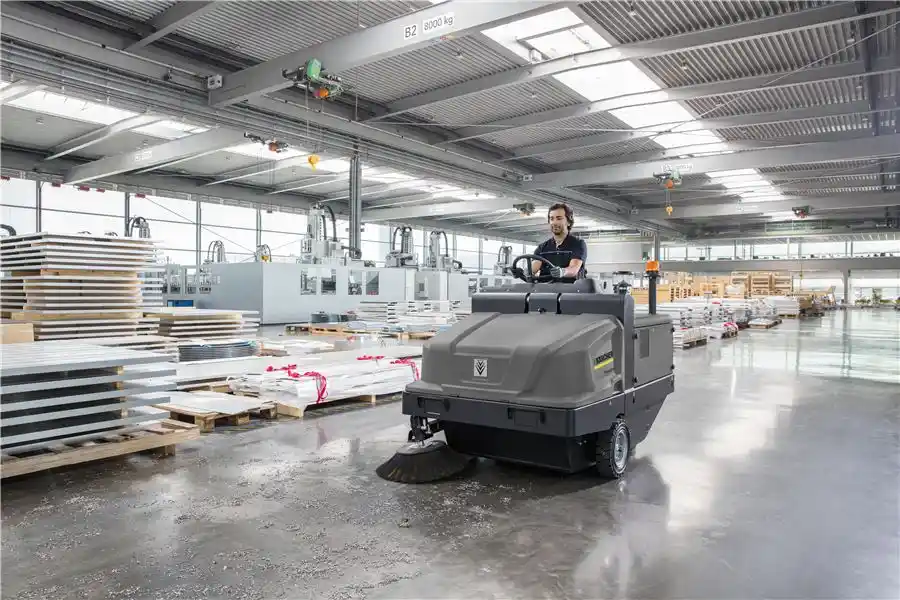
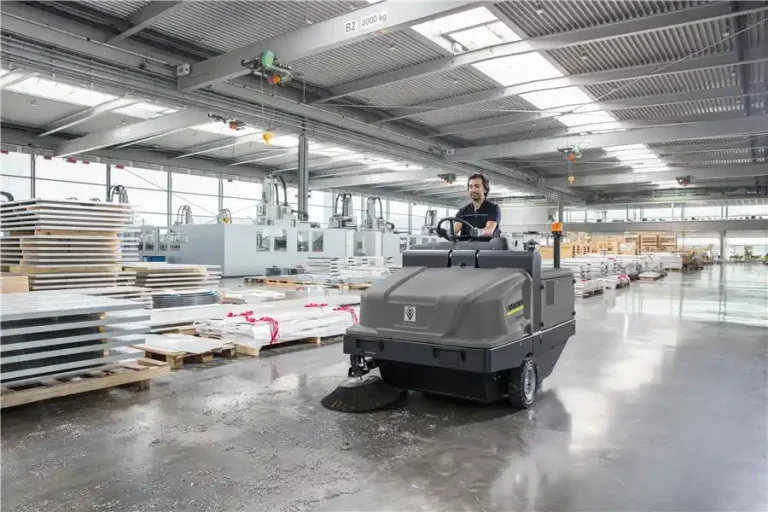
A manufacturing floor can look clean at the start of the shift and be covered with dust, metal shavings, packaging scraps, and debris by lunchtime. Forklifts move continuously, production lines generate waste, and employees travel between workstations all day. That’s why many facility managers across NJ rely on industrial sweepers to keep production areas cleaner, safer, and more efficient. Removing debris before it spreads throughout the building doesn’t just improve appearance; it helps protect equipment, reduce slip hazards, and support smoother daily operations.
Sweeping large industrial facilities with push brooms or relying solely on janitorial equipment quickly becomes inefficient as production increases. Industrial sweepers are designed to collect fine dust, heavy debris, and loose materials much faster while reducing labor and improving cleaning consistency. Choosing the right equipment allows maintenance teams to spend less time cleaning and more time supporting the rest of the facility.
Why Manufacturing Facilities Need Industrial Sweepers
Manufacturing plants create cleaning challenges that most commercial buildings never encounter. Dust from raw materials, metal chips, wood particles, plastic scraps, powder coatings, and packaging debris accumulate throughout the day. If that material isn’t removed regularly, it spreads across production areas, settles on machinery, and creates unnecessary safety hazards.
Clean floors do more than improve the appearance of a facility. Loose debris can affect forklift traction, increase wear on wheels, interfere with automated equipment, and contribute to airborne dust. Regular sweeping helps maintain safer walkways, improves overall housekeeping, and supports a more organized production environment.
Common Debris Found in Manufacturing Plants
The type of debris produced inside a manufacturing facility has a direct impact on the type of industrial sweeper that will deliver the best results. A metal fabrication shop generates very different waste than a packaging plant or woodworking facility. Fine dust, heavy metal chips, and loose packaging materials each require specific brush configurations and filtration systems. Choosing the right sweeper helps maintain consistent cleaning performance while reducing unnecessary wear on the equipment.
Industrial sweepers commonly collect metal shavings, machining chips, wood dust, pallet splinters, cardboard scraps, plastic wrap, packaging materials, powder residue, and dirt tracked in through loading docks. Matching the machine to the debris type improves cleaning efficiency, extends brush life, and helps keep production areas cleaner with less effort.
Industrial Sweepers for Different Manufacturing Environments
Every manufacturing facility produces different types of debris, which means cleaning requirements can vary significantly. The right industrial sweeper depends on the materials handled, production processes, and the type of waste generated during daily operations.
Metal fabrication facilities often deal with metal chips, shavings, and heavy particles that require powerful debris collection and durable brush systems. Woodworking facilities usually need better dust control because fine wood particles can spread quickly throughout production areas. Packaging plants commonly collect cardboard pieces, plastic materials, and loose packaging waste, making fast and efficient debris removal essential.
Automotive facilities may require sweepers that can handle dirt, production residue, and workshop debris, while food processing environments often need cleaning solutions focused on hygiene and consistent maintenance.
Choosing an industrial sweeper based on your specific manufacturing environment helps improve cleaning performance, reduces unnecessary equipment strain, and keeps production areas safer and more organized.
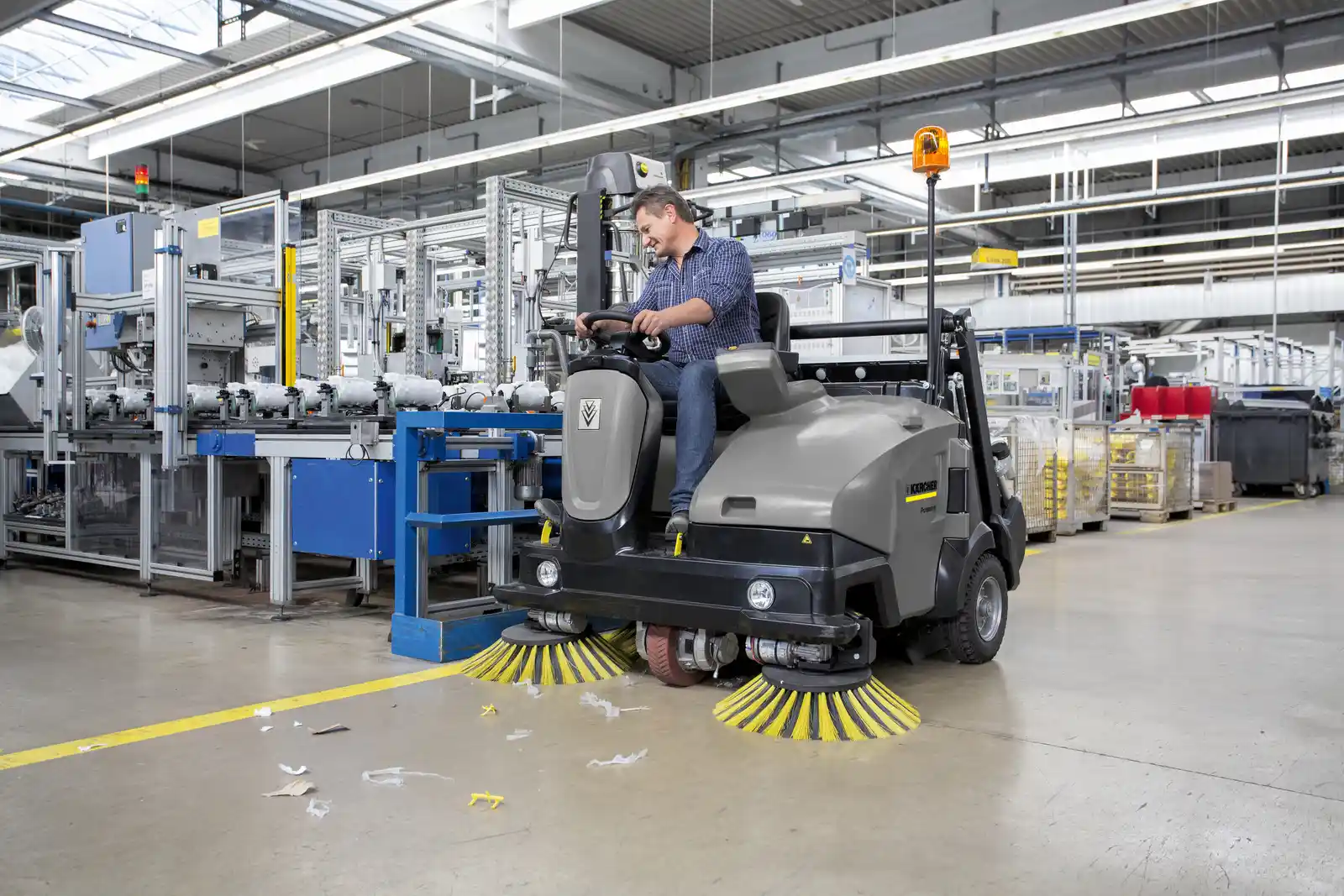
Walk-Behind Industrial Sweepers for Flexible Daily Cleaning
Walk-behind sweepers are still a popular choice for small and medium-sized factories. They are simple to use and can easily move around. This makes them perfect for areas with lots of machines, storage racks, and production equipment. They are also great for spaces where big machines can’t fit. Battery-powered models let operators clean while production is happening with little noise.
Walk-behind sweepers are used in fabrication shops, assembly areas, maintenance departments, shipping zones, and warehouse aisles. The operator can control it from behind. This means they can easily go around equipment without disrupting daily operations. For plants that are not too big, walk-behind sweepers are great because they help get the work done and are easy to move around.
When Ride-On Industrial Sweepers Become the Better Choice
As facilities get bigger, cleaning efficiency becomes as important as cleaning performance. Walking miles behind a sweeper every day can make labor hours longer and operator fatigue worse, especially in big manufacturing plants. Ride-on sweepers make the job easier by letting operators clean bigger areas quickly. They help reduce the workload.
A facility manager I talked to after they started using a ride-on sweeper said that the time spent sweeping each day dropped by nearly 40 percent. The maintenance team was able to finish cleaning the floors every evening. This gave them time to check the equipment, tidy up storage areas, and do preventive maintenance before the next production shift started.
Ride-on sweepers are often used in factories, warehouses, and industrial buildings. These places need cleaning of huge areas. Production buildings also use ride-on sweepers for cleaning thousands of square feet every day.
Features That Matter Most in an Industrial Sweeper
Choosing an industrial sweeper isn’t just about selecting the largest machine. The right equipment should match your facility’s production schedule, floor conditions, and the type of debris generated each day. Features that improve cleaning efficiency can also reduce maintenance costs and increase the machine’s service life.
Some of the most valuable features to look for include:
- High-capacity debris hoppers for longer cleaning cycles
- Effective dust control and filtration systems
- Battery-powered or propane-powered operation based on facility needs
- Durable brushes designed for industrial debris
- Adjustable brush pressure for different floor surfaces
- Easy-to-access controls that simplify operator training
- Large cleaning paths for improved productivity
- Simple maintenance access for brushes, filters, and batteries
Dust Control Systems: Why Filtration Matters in Industrial Sweepers
Dust control is one of the most important factors when selecting an industrial sweeper for a manufacturing facility. Production environments often generate fine particles that can spread across floors, settle on equipment, and affect overall workplace cleanliness if they are not properly collected.
Modern industrial sweepers use filtration systems to capture dust particles during operation and prevent them from being released back into the facility. This is especially important in manufacturing environments where employees work near machinery or where dust buildup can affect equipment performance.
Important dust control features include:
- High-quality filtration systems
- Efficient dust collection
- Easy filter cleaning and replacement
- Proper airflow management
A sweeper with effective dust control helps maintain cleaner production areas, protects equipment from excessive buildup, and supports a healthier workplace environment.
Battery-Powered vs. Propane Industrial Sweepers
The power source plays an important role in both operating costs and day-to-day performance. Battery-powered sweepers have become increasingly popular because they’re quieter, produce no exhaust emissions, and require less routine maintenance than many fuel-powered machines. They’re an excellent choice for enclosed manufacturing facilities where employees work throughout the day.
Propane-powered sweepers still offer advantages in certain environments. Facilities operating multiple shifts or cleaning very large floor areas without long charging breaks may benefit from their extended runtime. Choosing between the two usually comes down to your production schedule, ventilation, and cleaning requirements rather than horsepower alone.
Building an Effective Industrial Cleaning System
Keeping a factory clean is not about one machine. Industrial sweepers help remove debris on the floor, but other machines do different jobs in the factory. Many factories start by sweeping up dust and waste before using floor scrubbers to clean up tire marks and tough dirt. Commercial pressure washers keep loading docks and outdoor areas clean, while wet/dry vacuums handle spills, creating a more efficient cleaning routine for facilities across NJ.
A complete floor care program may include the following:
- Industrial sweepers for collecting dust, metal shavings, packaging waste, and loose debris.
- Floor scrubbers for deep cleaning concrete, epoxy-coated, and polished industrial floors.
- Commercial pressure washers for loading docks, exterior walkways, dumpster areas, and heavily soiled outdoor surfaces.
- Wet/dry vacuums for water recovery, spill response, and machine cleanup.
- Commercial cleaning chemicals formulated for grease, industrial grime, and manufacturing environments.
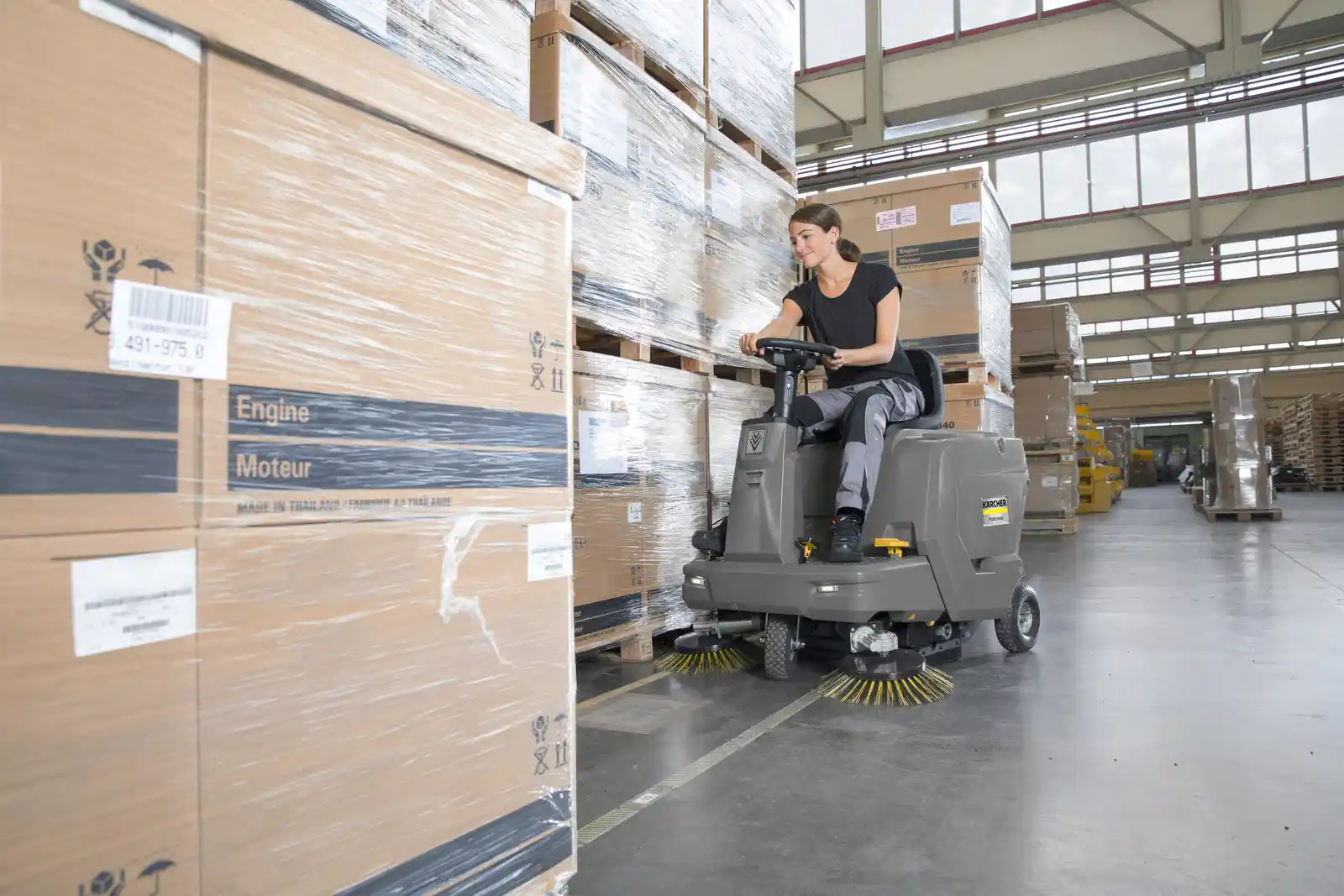
Daily Maintenance Helps Maximize Equipment Performance
Industrial sweepers are designed for demanding environments, but routine maintenance remains essential for reliable performance. Check them for a few minutes after each shift. This helps prevent repairs and surprise stops later on. Good maintenance habits also keep the cleaning quality steady.
Operators should empty the debris hoppers. They should also inspect the brushes for wear. The filters need to be cleaned. You have to remove any material that is wrapped around the moving components. Battery-powered machines are a bit different. You have to charge them. The propane models are different too. They need engine inspections. You should do this according to what the manufacturer says. If you do maintenance tasks all the time, it is better than doing big repairs every now and then. The machines will last longer if you take care of them.
Reliable Service and Replacement Parts Keep Operations Moving
Even the best industrial sweeper will eventually require replacement parts. Brushes wear down, filters become clogged, belts loosen, batteries age, and vacuum components naturally require replacement after years of regular operation. Having quick access to these parts minimizes downtime and keeps cleaning schedules on track.
One thing that surprised me after speaking with several maintenance supervisors is that the machine itself isn’t always the deciding factor when choosing a supplier. Local service, preventive maintenance, equipment repairs, and readily available replacement parts often become just as valuable as the equipment. Waiting several weeks for a simple replacement brush or filter can interrupt production schedules far more than most facility managers expect.
How to Choose the Right Industrial Sweeper for Your Facility
The best industrial sweeper is the one that fits your daily operations, not simply the one with the longest list of features. Before making an investment, consider your facility’s size, the type of debris generated during production, and how often cleaning is performed. Choosing equipment that matches your workflow improves productivity and helps reduce unnecessary operating costs.
Evaluate Your Facility Size
Start by figuring out how much floor space needs to be cleaned in each shift. Smaller factories do well with walk-behind sweepers. Larger production facilities get efficiency from ride-on models. The key is to match the sweeper size to the floor area. Matching the sweeper to the floor area helps prevent problems. Avoid having equipment that’s too small or too big for the job.
Consider the Type of Debris
Different industries make different types of waste. For example, shops that work with metal get lots of metal pieces from cutting and drilling. Places that work with wood get sawdust everywhere. Factories that package things get lots of cardboard and plastic waste. If you choose the cleaning tools, like brushes and filters that are made for the kind of waste your industry produces, you will be able to clean better, and your equipment will last longer.
Think About Daily Operating Demands
Cleaning schedules are different for each facility. Facilities with shift plants need machines that can run longer and have bigger debris containers. Places that clean after work hours might focus on other things than those that clean floors all day.
Look Beyond the Machine
Before buying always think about the equipment support that comes with it. This means things like getting replacement parts, doing maintenance to prevent problems, training the people who will use the equipment, and getting repair services when you need them. All of these things help make sure the equipment will keep working for a long time.
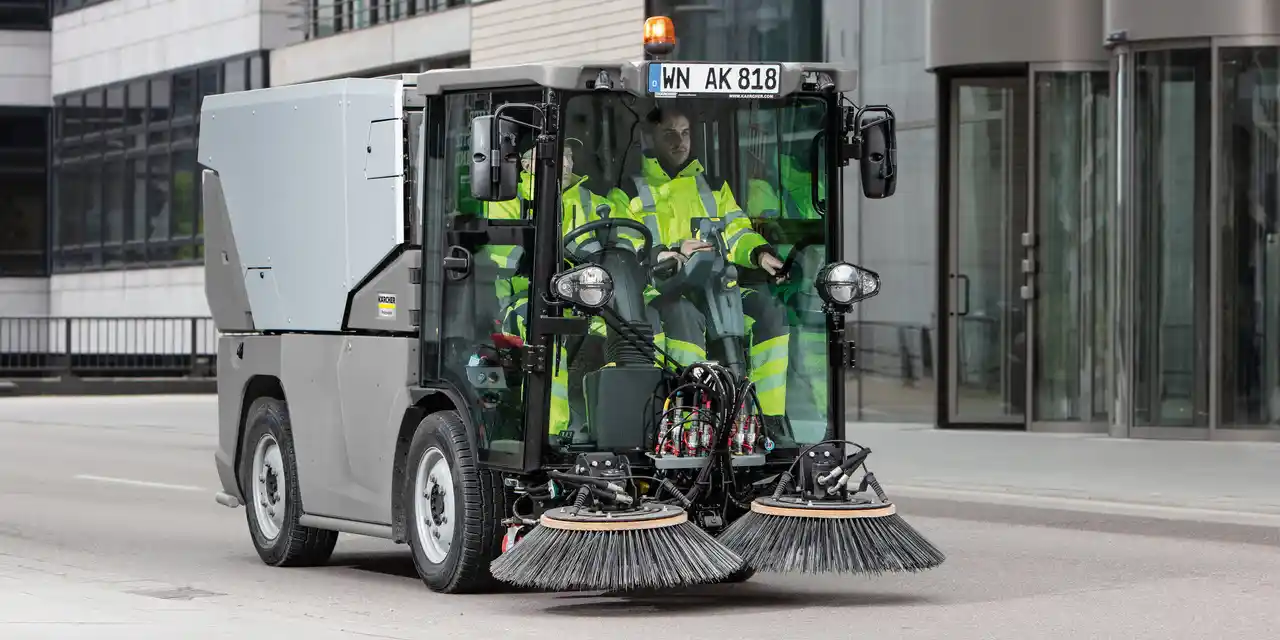
Industrial Sweeper Size Guide: Matching Equipment to Your Facility
Selecting the correct sweeper size is important because equipment that is too small may increase cleaning time, while a machine that is too large may create unnecessary costs and storage challenges.
Smaller manufacturing areas with limited floor space often benefit from compact walk-behind sweepers because they provide better maneuverability around equipment and workstations. Medium-sized facilities may require more powerful walk-behind models with larger debris capacity to handle regular cleaning demands.
Large warehouses, production plants, and facilities with thousands of square feet of floor space often benefit from ride-on industrial sweepers. These machines allow operators to cover larger areas more efficiently while reducing physical effort.
Facilities operating multiple shifts should also consider factors such as battery runtime, hopper capacity, and cleaning frequency before selecting equipment. The best sweeper size is the one that matches your facility’s workload and daily cleaning requirements.
Common Mistakes When Buying an Industrial Sweeper
Many facilities replace equipment only after cleaning becomes a daily frustration. Unfortunately, choosing the wrong sweeper can create new problems that affect productivity and maintenance costs. Taking time to evaluate operational needs before purchasing often leads to a better long-term investment.
Some of the most common buying mistakes include:
- Purchasing equipment that’s too small for the facility.
- Choosing a machine without considering the type of debris being collected.
- Ignoring dust filtration requirements.
- Overlooking battery runtime or hopper capacity.
- Failing to consider replacement parts and local service availability.
- Focusing only on purchase price instead of long-term operating costs.
Industrial Sweeper vs Manual Cleaning: Why Businesses Upgrade
Industrial sweepers help manufacturing facilities move beyond basic cleaning methods by improving speed, consistency, and overall floor maintenance efficiency.
| Manual Cleaning | Industrial Sweeping Equipment |
| Requires more labor hours, especially in large manufacturing facilities. | Covers larger areas faster and improves cleaning efficiency. |
| Cleaning results can vary depending on operator effort and time available. | Provides more consistent cleaning performance across production areas. |
| Difficult to manage continuous debris such as dust, metal shavings, and packaging waste. | Designed to collect industrial debris effectively during regular operations. |
| Creates more physical strain for maintenance teams. | Reduces operator fatigue and improves workplace productivity. |
| Takes more time away from other maintenance responsibilities. | Allows teams to focus on preventive maintenance and important facility tasks. |
Cleaner Facilities Support Better Operations
Clean manufacturing floors are really important for a lot of things. They do not just look nice; they also help reduce the amount of dust that builds up. This makes the workplace a lot safer for everyone. Clean floors also protect the production equipment from getting damaged. They make the whole place feel more organized for the employees. When we sweep the floors on a regular basis, it helps the maintenance teams to stay on top.
The right industrial sweeper can really cut down on labor hours. It also helps keep cleaning throughout the whole facility. Spending a lot of time sweeping by hand, maintenance crews can finish routine cleaning quicker. They can then focus on maintenance and other important tasks.
Cost Factors When Buying an Industrial Sweeper
The cost of an industrial sweeper depends on several factors, including machine size, power source, cleaning capacity, and available features. Businesses should consider the long-term value of the equipment rather than focusing only on the initial purchase price.
Machine Size and Cleaning Capacity
The size of your facility plays an important role in determining the right industrial sweeper investment. Smaller manufacturing areas may work well with compact walk-behind sweepers, while large warehouses and production facilities often require ride-on models with wider cleaning paths and higher debris capacity.
Power Source and Operating Costs
Industrial sweepers are available with different power options, including battery-powered and propane-powered models. Battery-powered machines can be a good choice for indoor facilities because they operate quietly and produce no exhaust emissions, while propane-powered sweepers may provide longer runtime for larger cleaning operations.
Cleaning Features and Performance
Features such as cleaning path width, debris hopper capacity, brush quality, and dust filtration systems can affect both the equipment cost and cleaning efficiency. Machines with advanced features may provide better performance and reduce cleaning time in demanding environments.
Maintenance and Replacement Requirements
The overall cost of ownership includes more than the purchase price. Businesses should consider maintenance needs, replacement parts availability, and service support when selecting an industrial sweeper. Easy access to parts and repairs can help reduce downtime and extend equipment life.
Choosing the Right Value for Your Facility
The best industrial sweeper is not always the most expensive option. Choosing equipment that matches your facility size, debris type, and cleaning schedule can help reduce labor costs, improve productivity, and provide better long-term value.
Conclusion
Keeping manufacturing plants clean requires more than occasional sweeping. The right equipment helps control dust, remove production debris, improve safety, and support efficient day-to-day operations. When industrial sweepers are combined with floor scrubbers, commercial pressure washers, wet/dry vacuums, professional cleaning chemicals, and a consistent maintenance program, facilities can maintain cleaner floors with less effort and greater reliability.
For manufacturing plants, factories, warehouses, and industrial facilities, partnering with an experienced equipment supplier makes a meaningful difference. Pressure King provides industrial sweepers, commercial floor scrubbers, industrial pressure washers, wet/dry vacuums, replacement parts, equipment maintenance, repair services, and professional support to help businesses keep their facilities clean, productive, and ready for every shift.
Frequently Asked Questions (FAQ’s)
What is the difference between an industrial sweeper and a floor scrubber?
An industrial sweeper collects loose debris such as dust, metal shavings, wood chips, and packaging materials. A floor scrubber washes the floor using brushes, cleaning solution, and a vacuum recovery system to remove grease, stains, and embedded dirt.
Are battery-powered industrial sweepers suitable for manufacturing plants?
Yes. Battery-powered sweepers are ideal for most indoor manufacturing facilities because they operate quietly, produce no exhaust emissions, and require less routine maintenance than many fuel-powered machines.
How often should manufacturing facilities sweep their floors?
The frequency depends on production levels and the type of debris generated. High-volume facilities often sweep multiple times throughout the day, while others perform complete floor cleaning at the end of each shift.
What types of debris can industrial sweepers collect?
Industrial sweepers are designed to collect dust, metal chips, wood splinters, cardboard scraps, plastic wrap, packaging materials, dirt, powder residue, and other loose industrial debris.
Why is local equipment service important?
Regular maintenance, fast repairs, and readily available replacement parts help minimize equipment downtime. Working with a local supplier ensures your cleaning equipment remains reliable and ready for daily operation.

Michael Adeniran is the CEO of Pressure King Inc. He has been dealing in commercial cleaning equipment for many years. He is one of the leading specialists and experts in commercial cleaning products.


