Pressure Washer Soap Dispenser Not Working? Here’s How to Fix It
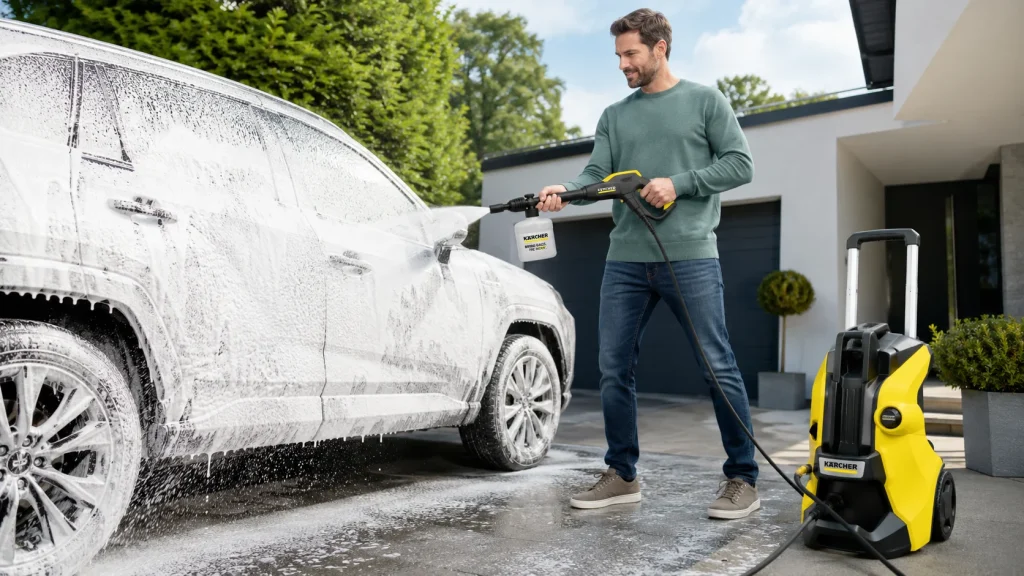
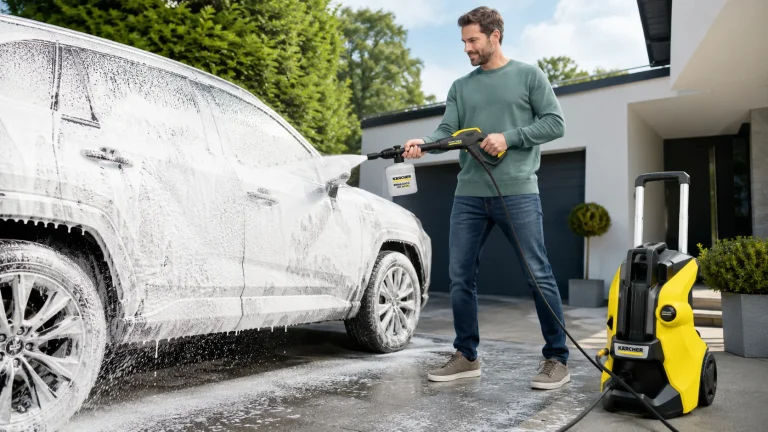
A pressure washer soap dispenser not working can quickly turn a simple cleaning job into a frustrating experience. You fill the detergent tank, connect everything correctly, pull the trigger, and only water comes out. Whether you’re cleaning a driveway, washing your car, or removing dirt from siding, the lack of soap can reduce cleaning performance and make tough stains much harder to remove. This is a common issue for homeowners and businesses handling routine exterior cleaning projects across NJ.
The good news is that the problem is usually caused by a simple issue rather than a major mechanical failure. If your pressure washer is not drawing or dispensing soap properly, there are several components you can inspect before considering repairs or replacement. If the problem requires professional attention, pressure washer repair services can help diagnose and resolve more complex issues.
In this guide, you’ll learn how the soap system works, the most common reasons it stops dispensing detergent, and practical solutions to get your pressure washer working properly again.
How Does a Pressure Washer Soap System Work?
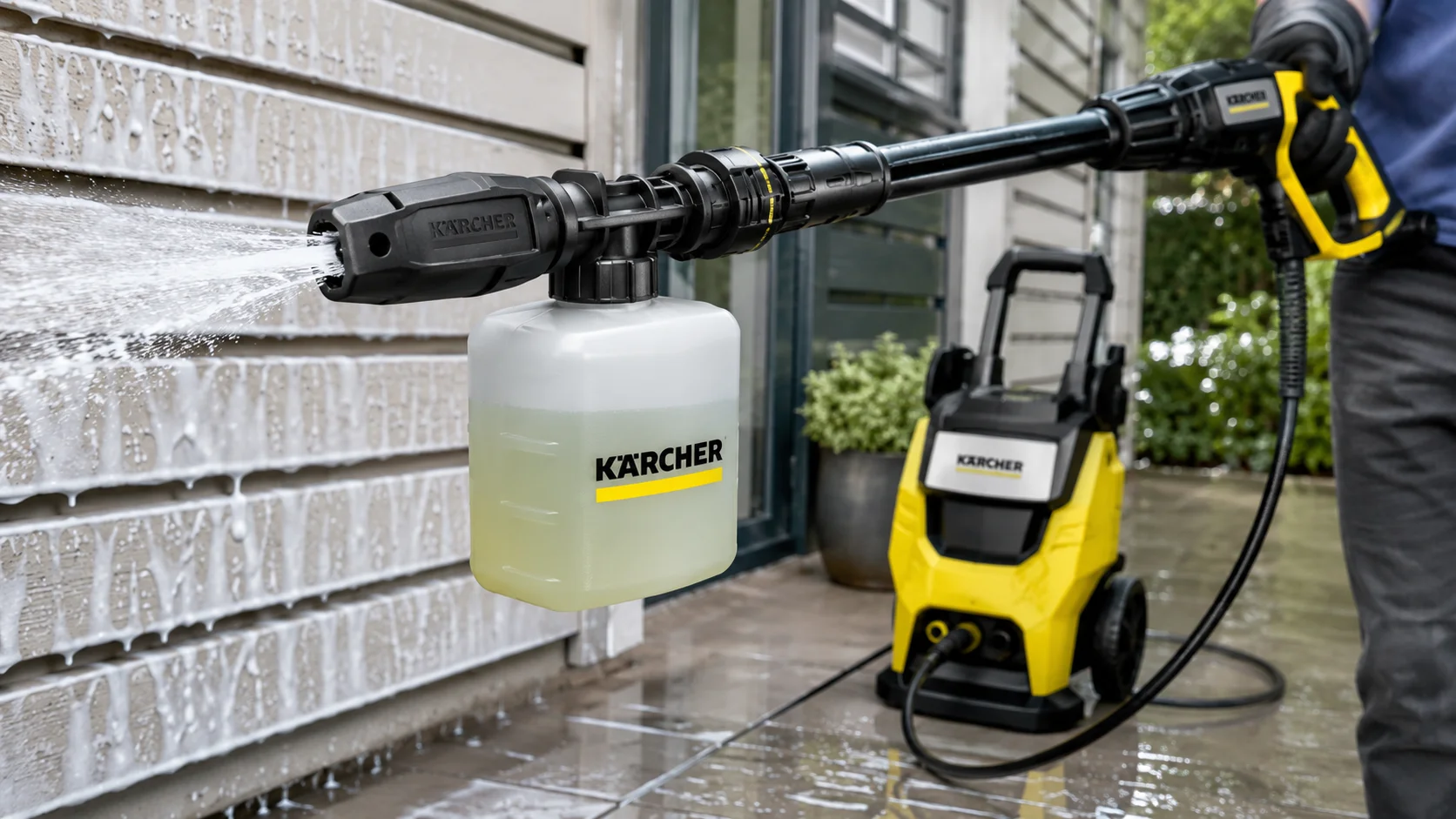
While water is passed through the pressure washer using high pressure, detergent does not go through the washer in the same way. Instead, a majority of the pressure washers have a soap injector that works to form a vacuum when water moves through it. The vacuum created then draws the detergent into the system.
To ensure that the system works effectively, all the components need to function effectively. There should be no blockage in the detergent hose; the soap injection must have no blockages. and the machine must run on low pressure. In case there is failure in the system, the pressure washer will dispense water, but the detergent will still be in the tank.
Signs Your Pressure Washer Isn’t Dispensing Soap Properly
Recognizing the early signs of a soap-dispensing problem can make troubleshooting easier. These symptoms often point to an issue with the detergent system or its components.
Detergent Level Doesn’t Drop
Some problems are very apparent right from the beginning, but some take time to develop. The most frequent symptom is that the levels of detergent do not decrease despite prolonged use.
Water Sprays Without Soap
However, you can also realize that although the water pressure seems to be okay, the soap does not blend with the spray. Normally, this shows that the detergent is not entering the system.
Weak or Inconsistent Soap Flow
Some people have observed that there is an irregular discharge of soap from the pressure washer machine. Other people observe that some days the soap works while on other days it stops working all of a sudden.
What These Symptoms Indicate
These symptoms usually indicate that something is preventing detergent from reaching the spray wand. Identifying the cause is the first step toward restoring proper soap flow.
7 Common Reasons Your Pressure Washer Is Not Pulling Soap
If you’re wondering, “Why is my pressure washer soap dispenser not working?” One of these common issues is likely responsible.
You’re Using the Wrong Spray Nozzle
Most pressure washers spray detergent only when the low-pressure soap nozzle is used. With the use of high-pressure nozzles, the injector is unable to create sufficient suction to suck in soap through the water jet. Before examining the internal parts, replace the high-pressure nozzle with the black soap nozzle or the one recommended by the manufacturer.
The Soap Injector Is Clogged
A clogged injector is one of the most common reasons a pressure washer soap injector is not working. Over time, dried detergent, mineral deposits, or debris can partially block the injector. When this happens, the vacuum needed to draw soap disappears.
Cleaning the injector according to your manufacturer’s instructions often restores normal operation. If the blockage is severe or the injector has become damaged, replacement may be necessary.
The Soap Hose Is Blocked or Damaged
Though the washing machine’s detergent hose seems fine from the outside, it could hinder the proper supply of soap. There may be minor cracks through which air could pass and reduce suction. Also, the dirty hose could restrict the flow of soap. The hose should be removed and checked for any dirt build-up or cracks. Any sign of a clog should be dealt with by washing the hose in warm water.
The soap filter needs cleaning
Most of the detergent intake hoses have a filter, which helps prevent dirt or other particles from getting into the soap injector. This filter can get clogged due to dried detergent or other substances, thus blocking or limiting the flow of the detergent. You need to remove the filter and clean it periodically for effective soap dispensation.
You’re Using the Wrong Type of Detergent
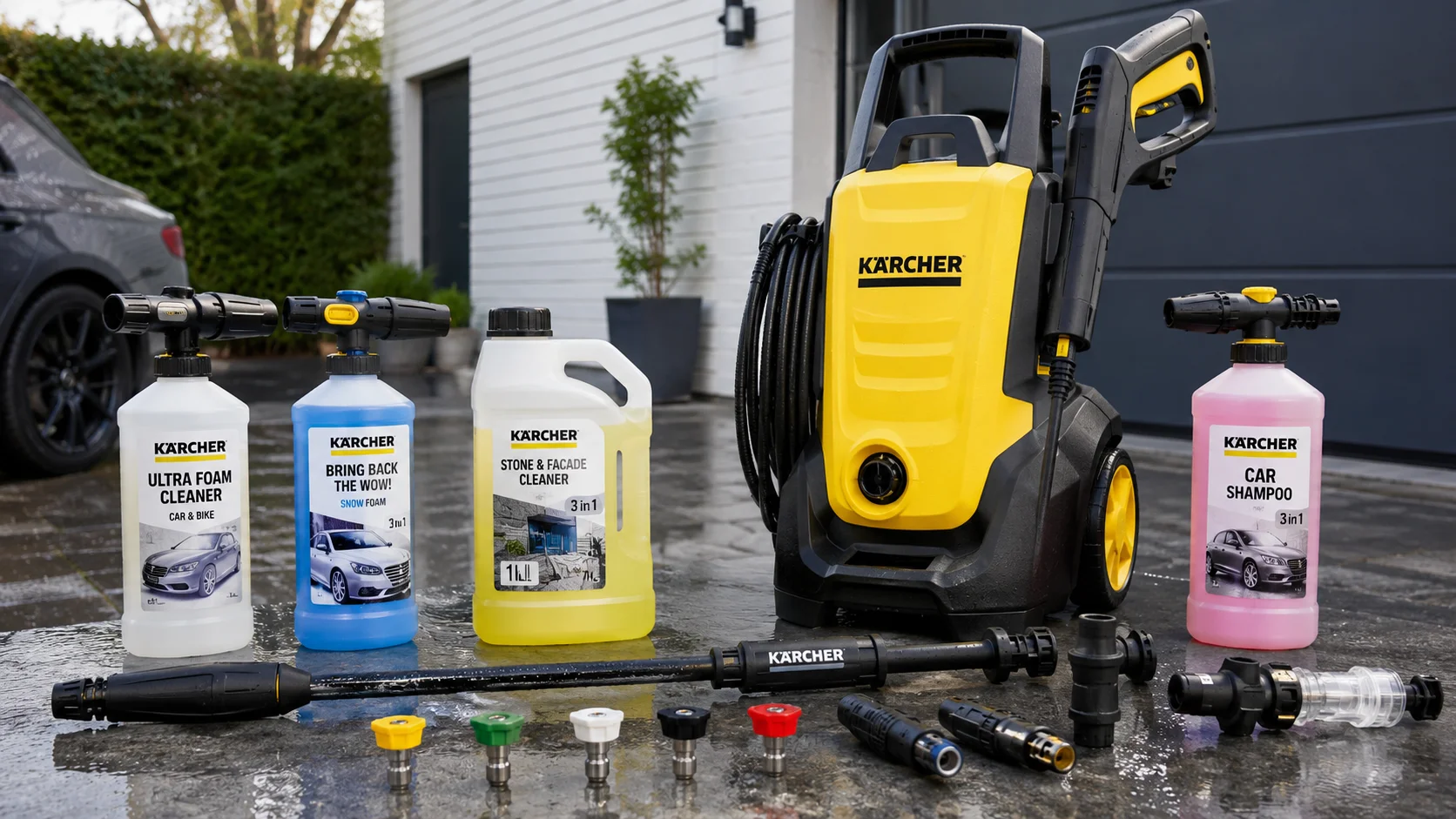
Not all cleaning materials work well in pressure washing machines. Some soaps and degreasers are simply too dense to be sucked by the pump. There are also products that produce an excessive amount of foam and thus impair the efficiency of your pressure washer.
Always use detergents specifically formulated for pressure washers. Choosing the right pressure washer detergents helps improve cleaning results while reducing the risk of clogged injectors and excessive foam buildup.
Water Supply Problems
The correct water flow is needed for the soap injector to function. In case the garden hose is twisted, clogged, or does not give adequate water, there might be inadequate suction to create enough suction to draw the detergent. Ensure that the water supply is on and the water supply from the garden hose is adequate before turning on the pressure washer.
The soap injector has worn out
Like all mechanical parts, soap injectors will eventually break down. Over many years of use, seals, springs, or passages inside the injector can cease functioning properly. Having washed the injector, checked the hose, verified that the nozzle is working, and ensured water flow, it may be time to replace the injector.
Fortunately, soap injectors are relatively inexpensive and are available for many pressure washer models.
Step-by-Step Troubleshooting Guide
Follow these simple checks in order to identify the cause of the problem. A systematic approach can help restore proper soap flow without unnecessary repairs or part replacements.
Step 1: Use the Correct Soap Nozzle
Start by confirming that you’re using the recommended low-pressure soap nozzle, as high-pressure tips will not dispense detergent.
Step 2: Inspect the Detergent Hose and Filter
Check the detergent hose for cracks, kinks, or blockages. Remove and clean the filter at the end of the hose to restore proper detergent flow.
Step 3: Clean the soap injector.
Examine the soap injector for dirt or dried detergent buildup. Clean it thoroughly if you notice any blockage that could restrict suction.
Step 4: Refill and Test the System
Add more pressure washer soap into the detergent reservoir, diluting the soap if needed by the manufacturer. Reattach the components and test the device to ensure that the soap is being dispensed.
Common Mistakes That Stop Soap From Coming Out
Simple user errors can prevent a pressure washer from dispensing detergent. Identifying these common mistakes can help restore proper soap flow quickly.
Using a high-pressure nozzle:
Most pressure washers dispense detergent only with a low-pressure soap nozzle. If your spray tips or other components are worn, replacing them with quality pressure washer accessories can help restore proper performance.
Not activating detergent mode:
Some models require you to switch to a dedicated detergent or low-pressure mode before soap will flow.
Using the wrong detergent:
Household dish soap and other non-pressure-washer cleaners may be too thick or create excessive foam, reducing detergent flow.
Leaving detergent in the system:
Allowing soap to dry inside the hose after use can cause clogs that block detergent the next time you use the machine.
Skipping routine maintenance:
Regular cleaning and proper care help prevent these common issues and keep the detergent system working efficiently.
Do Different Pressure Washer Brands Dispense Soap Differently?
Most pressure washers work using the same basic mechanism; however, the detergent system used in these pressure washers can differ depending on the brand. Brands like Simpson, DeWalt, Greenworks, Ryobi, Kärcher, and so on can use different mechanisms for injecting the soap, including soap tanks built into the machine.
Despite this, the method for troubleshooting is usually quite similar. Inspection of the soap nozzle, detergent hose, filter, injector, and the kind of detergent used would solve most soap dispensing issues, irrespective of the manufacturer of the pressure washer.
When Should You Replace the Soap Injector?
Cleaning must always be your first choice. But in case of the injector becoming clogged even after a proper cleaning process or if there is any sign of corrosion, cracking, or physical damage to the injector, then it is always advisable that you replace the injector. This will ensure that the detergent flow is right and also save you trouble in the future.
How to Prevent Soap Injector Problems
Preventive maintenance takes only a few minutes but can significantly extend the life of your pressure washer. After each cleaning session, flush the detergent system with clean water to remove any remaining soap. This prevents detergent from drying inside the hose or injector.
Use only pressure washer-approved detergents and mix them according to the manufacturer’s recommendations. Scheduling routine pressure washer maintenance also helps prevent injector clogs and keeps your equipment operating efficiently throughout the year.
Store the machine in a clean, dry location, especially during colder months, and inspect the hose and filter regularly for signs of wear or blockage. These simple habits reduce the chances of future detergent problems and help keep your pressure washer performing efficiently.
Final Thoughts
A pressure washer soap dispenser not working doesn’t always mean your machine needs expensive repairs. In many cases, the issue is caused by a clogged injector, dirty filter, blocked hose, incorrect detergent, or the use of the wrong spray nozzle. Understanding how the detergent system works and following a step-by-step troubleshooting process can often restore normal operation in just a few minutes.
If your pressure washer is still not dispensing soap after completing these checks, replacing the soap injector or consulting a qualified service technician may be the next step. For expert advice, replacement parts, professional repairs, or even pressure washer rental solutions while your equipment is being serviced, Pressure King can help keep your cleaning projects on schedule. Regular maintenance and proper detergent use will also help prevent future issues and ensure reliable cleaning performance.
FAQ’s
Why is my pressure washer not pulling soap?
The most common causes include using the wrong spray nozzle, a clogged soap injector, a blocked detergent hose, a dirty filter, or using detergent that is too thick for the machine.
Why is soap not coming out of my pressure washer?
If soap is not coming out of your pressure washer, first check that you’re using the low-pressure soap nozzle. Then inspect the injector, detergent hose, and filter for any blockages or damage.
Can I use regular dish soap in my pressure washer?
No. Household dish soap can create excessive foam and may clog the detergent system. Always use detergents specifically formulated for pressure washers.
How do I clean a pressure washer soap injector?
Most soap injectors can be cleaned by removing them and flushing away dried detergent or debris with clean water or an appropriate cleaning solution. Follow the manufacturer’s instructions for your specific model.
How often should I flush the soap system?
It’s a good practice to flush the detergent system with clean water after every use. Doing so helps prevent soap residue from drying inside the injector and reduces the risk of future blockages.

Michael Adeniran is the CEO of Pressure King Inc. He has been dealing in commercial cleaning equipment for many years. He is one of the leading specialists and experts in commercial cleaning products.