Pressure Washer Is Surging/Pulsing: An In-Depth Comprehensive Guide
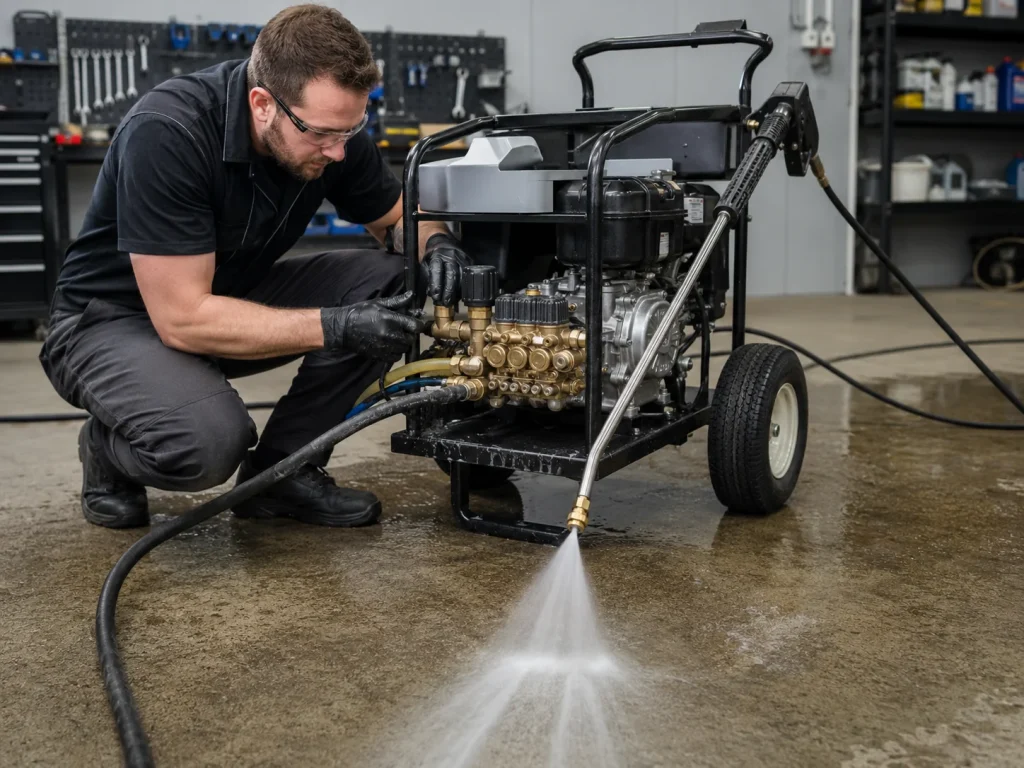
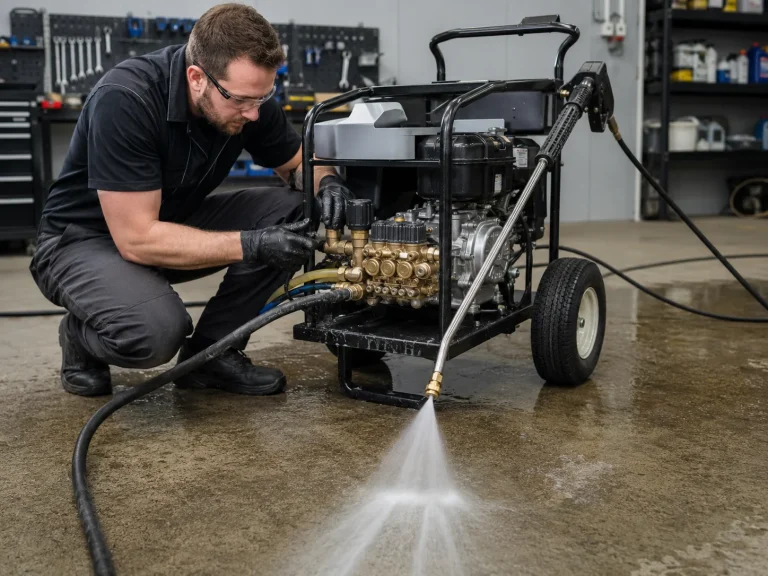
A pressure washer surging or pulsing during operation can make cleaning frustrating and may indicate an issue with the water supply, nozzle, hose, pump, unloader valve, or another component. Instead of producing a steady stream of water, the machine repeatedly increases and decreases pressure. Identifying the cause early can help restore consistent performance and prevent unnecessary wear on the equipment.
This problem can occur with both electric and gas-powered machines. A power washer surges when the pump struggles to maintain consistent water flow or pressure. The issue may occur when the machine is running at idle or when the spray-gun trigger is pulled. Understanding the symptoms can make troubleshooting faster and help determine whether the problem requires professional service.
For businesses that depend on reliable equipment for daily cleaning, choosing the right commercial pressure washers can also help match PSI, GPM, power source, and operating demands to the application.
Understand What Pressure Washer Surging/Pulsing Means
Pressure washer pulsing occurs when water pressure repeatedly rises and falls during operation. Instead of delivering a steady spray, the machine produces a stronger stream followed by a weaker one. You may also notice changes in the sound or operating pattern of the pressure washer. These fluctuations can make cleaning less efficient and may indicate a restriction or malfunction within the system.
A pressure washer is pulsing because the pump is not receiving or moving water consistently or because a component responsible for regulating pressure is malfunctioning. Some machines experience pressure washer surging at idle, while others begin surging only when the trigger is pulled. Recognizing when the pulsing starts can help narrow down the potential cause and determine which components should be checked first.
Common Causes of Pressure Washer Surging/Pulsing
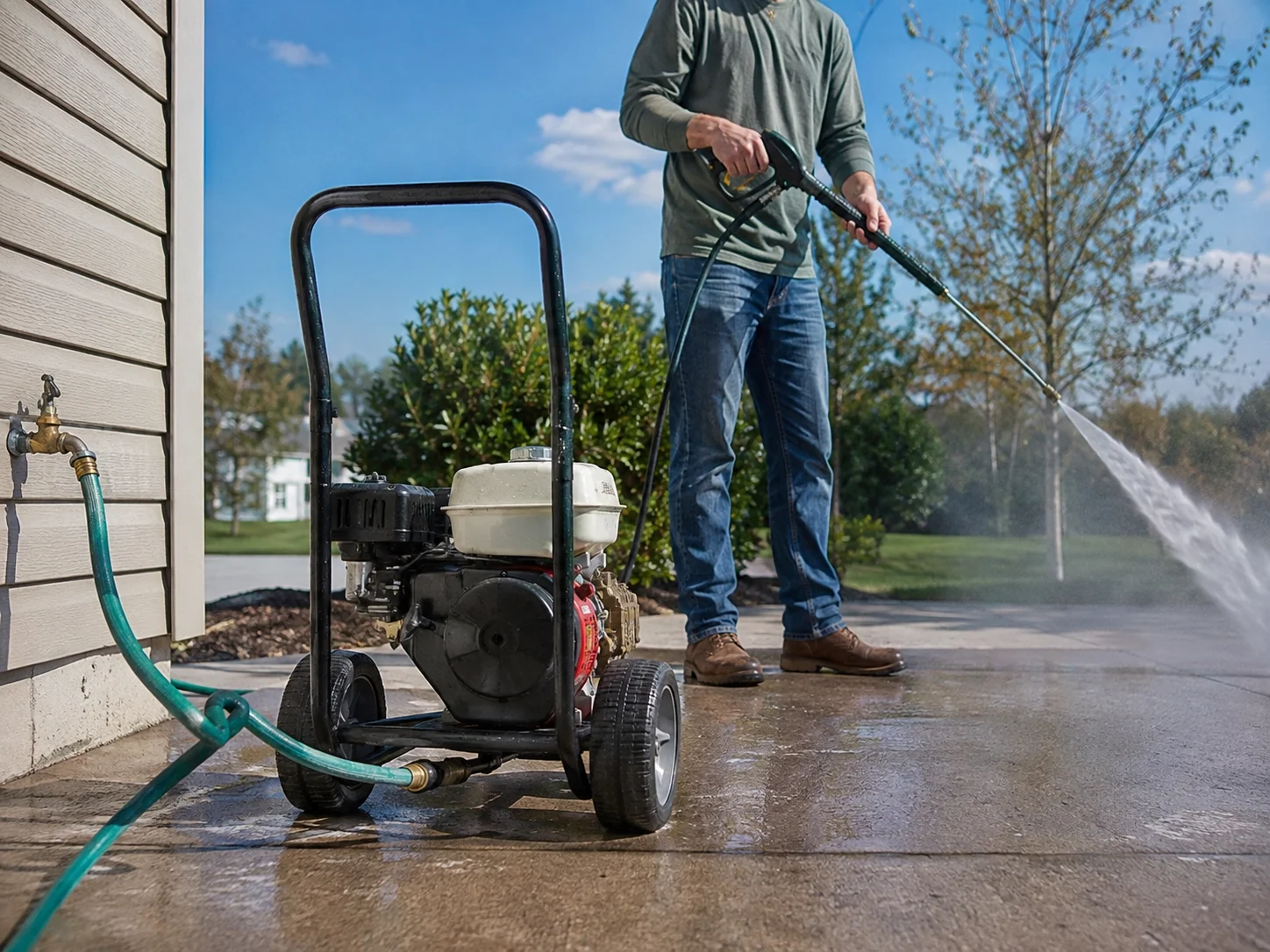
Several problems can cause pulsating pressure during pressure washer operation. Common causes include a partially blocked nozzle, restricted water flow, a clogged inlet filter, a damaged hose, an insufficient water supply, trapped air, a faulty unloader valve, or worn pump valves. Starting with these common issues can help identify the problem before more complicated repairs are considered.
Electric machines can develop Electric Pressure Washer Surging because of restricted water flow, nozzle problems, or pump-related issues. Gas machines may experience Gas pressure washer surging because of similar water-side problems, although engine-related issues can also affect operation. A Karcher pressure washer surging pulsing problem should likewise be checked systematically, beginning with the nozzle, water supply, hose, filter, and pump system.
Why Is My Pressure Washer Surging at Idle?
A pressure washer that surges at idle may have an issue with the engine, pump, unloader valve, or water circulation system. Gas-powered machines can experience fluctuating engine speed when fuel delivery, air intake, or engine controls are not operating correctly. On the pump side, an improperly functioning unloader valve can also affect how the machine behaves when the trigger is released.
Water flow should also be checked because restrictions can affect pump operation even when the machine is not actively spraying. Inspect the inlet filter, supply hose, connections, and nozzle before assuming there is an engine problem. If the pressure washer continues surging at idle after these checks, professional inspection may be necessary.
Why Is My Pressure Washer Surging When the Trigger Is Pulled?
Pressure washer surging when trigger is pulled can indicate that the pump is struggling to maintain consistent water flow under operating conditions. A blocked nozzle, restricted inlet, insufficient water supply, air entering the pump, or a malfunctioning unloader valve can all cause pressure to rise and fall.
Restricted Water Flow
A restricted water supply prevents the pump from receiving enough water to maintain consistent pressure. Check the supply hose, inlet filter, faucet, and connections for restrictions, kinks, or debris.
Nozzle and Pressure Problems
A partially blocked or incorrectly sized nozzle can disrupt water flow and create pressure fluctuations. Clean the nozzle and verify that it matches the pressure washer manufacturer’s specifications.
Unloader Valve Problems
The unloader valve regulates pressure within the system and can cause fluctuations when it is dirty, worn, stuck, or improperly adjusted. Follow the manufacturer’s specifications when inspecting or servicing the valve.
Electric vs. Gas Pressure Washer Surging
Both electric and gas pressure washers can experience surging, but the troubleshooting process may differ. Electric Pressure Washer Surging is often associated with water-flow restrictions, nozzle problems, pump issues, or pressure-regulation components. Gas pressure washer surging can involve the same water-side problems but may also involve engine speed, fuel delivery, air intake, or other engine-related components.
Electric Pressure Washer Surging
Electric machines should first be checked for adequate water flow, a clean nozzle, a clear inlet filter, and proper hose connections. If these components are working correctly, the pump or pressure-control system may need inspection. Businesses comparing commercial electric equipment can review commercial electric pressure washers based on their cleaning requirements.
Gas Pressure Washer Surging
Gas machines should be checked for water-flow problems before investigating engine components. If the water system is functioning correctly but the engine continues to fluctuate, the fuel, air, and engine-control systems may require inspection.
How to Troubleshoot Each Type
Start with common checks such as the nozzle, water supply, hose, filter, and pump. Gas models may require additional engine troubleshooting, while electric models may need closer inspection of their electrical and pump systems.
Solutions and Fixes for Surging/Pulsing in Pressure Washers
Troubleshooting should start with the nozzle, hose, inlet filter, and water supply before moving to internal components. Switch off the machine, disconnect the power source where applicable, and release pressure before inspection. If basic checks do not solve the problem, the unloader valve or pump may require professional servicing. For commercial users, Pressure King provides pressure washer equipment, parts, repairs, rentals, and technical support to help reduce downtime.
Check the Nozzle
The nozzle is one of the first components to inspect when troubleshooting a pressure washer surging fix. Dirt or debris can restrict water flow and cause the pump to cycle irregularly. Remove and clean the nozzle according to the manufacturer’s instructions, and replace it if it is damaged or worn.
Check the Unloader Valve
The unloader valve regulates pressure by redirecting water when the spray gun is not being used. If it becomes dirty, stuck, worn, or incorrectly adjusted, it can contribute to pressure fluctuations. Follow the manufacturer’s specifications for inspection or adjustment, or have a qualified technician service the component.
Check the Hose and Filter
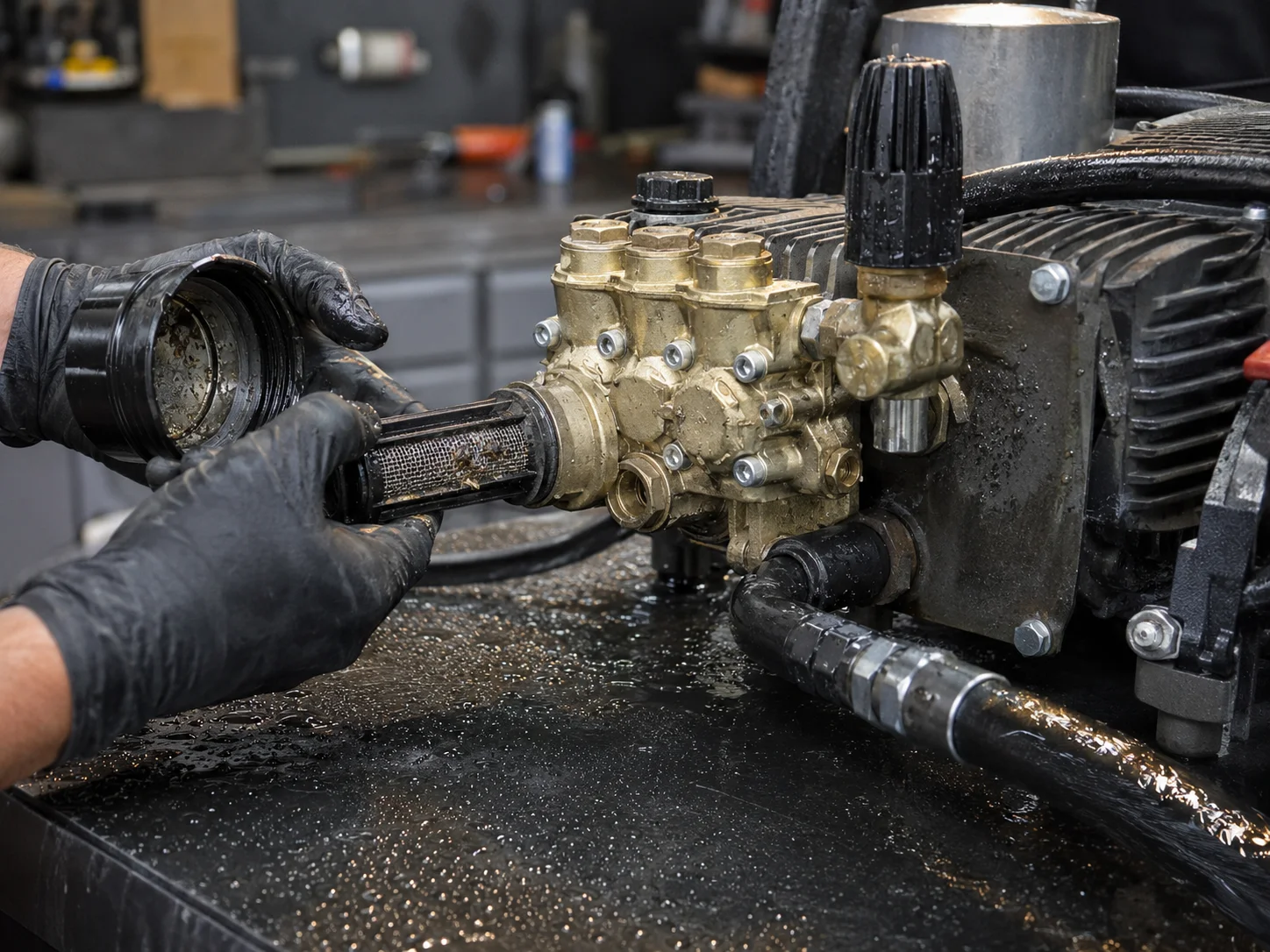
Inspect the garden hose and high-pressure hose for kinks, crushing, leaks, or other restrictions. A damaged inlet hose can prevent the pump from receiving enough water and may cause inconsistent pressure. Also check the inlet filter or screen for dirt and debris that could contribute to pressure washer surging and losing pressure. For worn or damaged hoses and other components, compatible pressure washer parts and accessories can help keep commercial equipment properly equipped.
Test the Water Supply
A pressure washer requires an adequate water supply to operate correctly. Turn the water on fully and check whether the flow is sufficient for your particular machine and the manufacturer’s requirements. If the supply is weak, inspect the faucet, hose, plumbing, and connections before assuming that the pressure washer itself is defective.
Check the Pressure Washer Valves
Pump valves control the movement of water through the pump and are essential for consistent pressure. Dirt, corrosion, wear, or damaged valve components can interfere with normal water flow and cause the machine to pulse. If external checks do not solve the problem, the valves may require inspection according to the manufacturer’s service instructions.
Look for Air in the Pump
Air trapped inside the pump can interrupt consistent water flow and cause pressure washer pulsing. This can occur after connecting the machine to the water supply or when an inlet connection has been opened. Follow the manufacturer’s startup procedure to purge trapped air, and inspect inlet fittings and connections if air continues entering the system.
Pressure Washer Surging and Losing Pressure
A pressure washer that is surging and losing pressure may have a restriction between the water source and pump. A clogged nozzle or inlet filter can reduce water flow, while a damaged hose or inadequate water supply can prevent the pump from operating properly. Check these components first before assuming the pump has failed.
If water flow is adequate, inspect the unloader valve and pump valves for wear or damage. Persistent pressure loss and pulsing may indicate an internal problem that requires professional service. Addressing the issue early can prevent further damage and help keep commercial cleaning equipment operating efficiently.
Can a Bad Unloader Valve Cause Pressure Washer Surging?
Yes, a malfunctioning unloader valve can contribute to pressure fluctuations and surging. The valve controls how pressure is regulated when the spray gun is operating or released. If it sticks, becomes contaminated, wears out, or is incorrectly adjusted, the pressure washer may struggle to maintain consistent pressure.
Symptoms can vary depending on the machine and valve design. Fluctuating pressure, unusual cycling, inconsistent spray performance, and pressure changes when the trigger is operated can all justify an inspection. The valve should be adjusted or replaced according to the manufacturer’s specifications.
When to Repair or Replace a Pressure Washer
Not every pressure washer problem requires replacement. Simple issues with nozzles, hoses, filters, or valves can often be repaired, while major pump or engine damage may make replacement more practical. Commercial users should also consider repair costs, downtime, maintenance history, equipment capacity, and cleaning demands.
Signs Your Pressure Washer Needs Repair
Persistent surging after basic troubleshooting, significant pressure loss, unusual mechanical sounds, leaks, or repeated component failures can indicate that professional repair is needed. If troubleshooting does not resolve the issue, pressure washer repair and maintenance from an experienced commercial equipment provider can help identify pump, valve, or other mechanical problems.
When Replacement Makes More Financial Sense
Replacement may be reasonable when major components are severely damaged or repair costs are consistently high. For commercial operators, the decision should also consider reliability, downtime, available replacement parts, and the machine’s suitability for current cleaning requirements.
Consider the Machine’s Age
Older pressure washers may require frequent repairs as pumps, hoses, valves, and engine components wear out. Compare ongoing maintenance costs with the machine’s remaining useful life.
Compare Repair Costs
Get an estimate for parts and labor before deciding. If repair costs are close to the price of a reliable replacement, replacing the machine may be more practical.
Evaluate Cleaning Requirements
Consider your required PSI, GPM, operating frequency, and cleaning applications. A replacement may be worthwhile if your current pressure washer no longer meets your commercial cleaning needs.
Pressure Washer Surging During Commercial Cleaning Jobs
Surging can become particularly problematic during commercial cleaning because inconsistent pressure affects cleaning speed and results. Operators may need to make repeated passes over the same surface when the machine cannot maintain a steady spray. Frequent cycling can also make equipment more difficult to operate throughout a long cleaning job.
Regular maintenance, appropriate equipment selection, and access to replacement parts and technical support can help reduce these interruptions. For businesses using commercial pressure washers in demanding applications, Pressure King can provide access to equipment, parts, repair services, rentals, and technical support to help keep cleaning operations running.
When equipment is needed only for a short-term project, seasonal demand, or temporary increase in workload, pressure washer rentals can provide access to commercial equipment without requiring a permanent purchase.
Preventative Measures to Avoid Pressure Washer Surging/Pulsing
Regular maintenance helps prevent power washer surges and pressure problems. Keep nozzles and filters clean, check water flow and hoses, and follow the manufacturer’s maintenance schedule. Address unusual pressure changes or sounds early to prevent costly repairs and downtime.
Before Using
Inspect the water supply, hoses, inlet filter, and nozzle before starting. Check connections for leaks or damage. Make sure the correct nozzle is installed and follow the manufacturer’s startup instructions.
After Using
Shut down the machine according to the manufacturer’s instructions and release pressure safely. Clean the nozzle and inspect the filter after use. Store hoses properly to prevent kinks, damage, and premature wear.
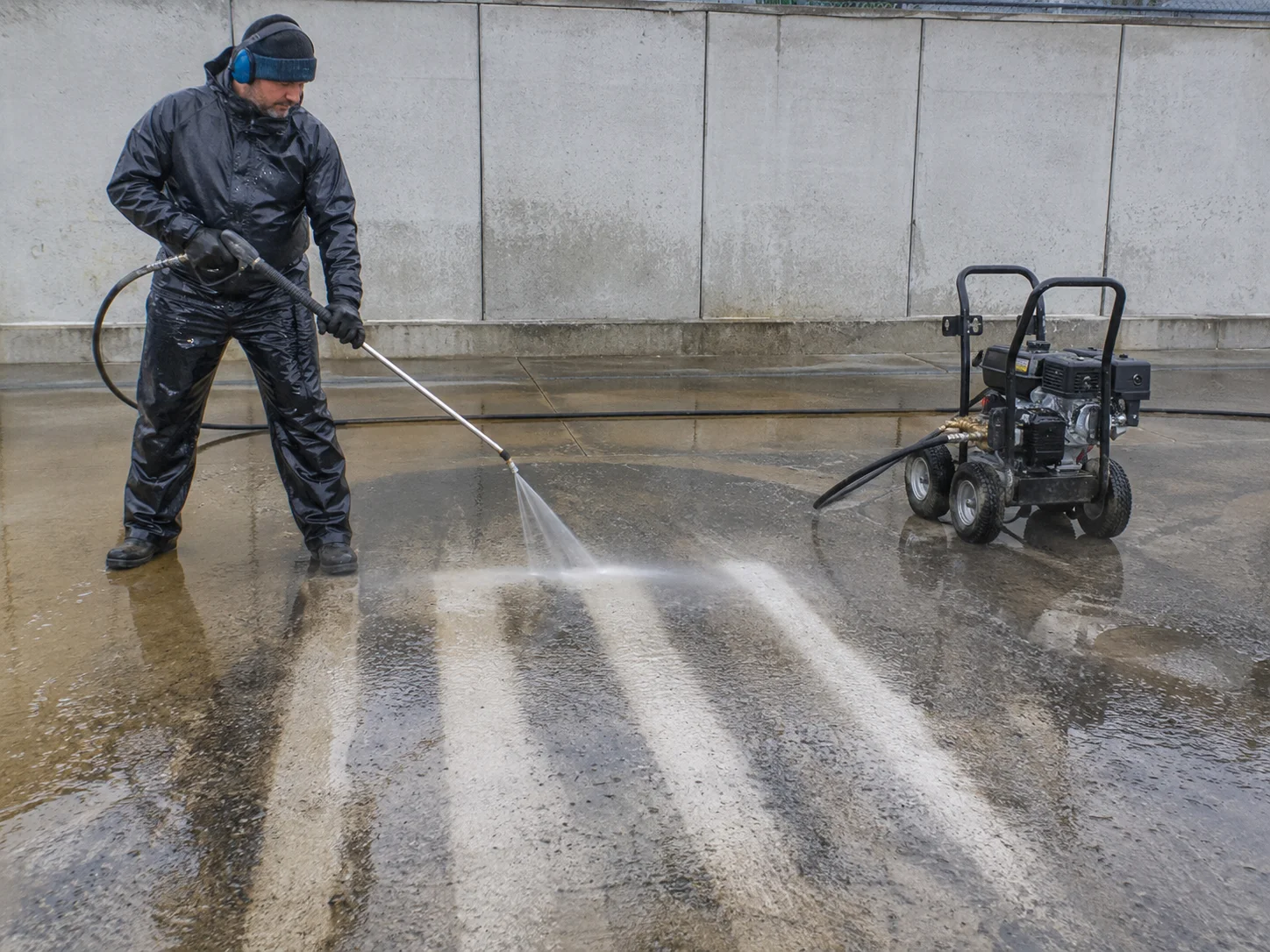
Check Water Flow
Ensure the water supply provides sufficient flow for the machine. Inspect the faucet, inlet hose, and filter for restrictions before starting.
Inspect Pressure Washer Parts
Check the nozzle, hoses, connections, and unloader valve for visible damage or wear. Replace damaged components according to the manufacturer’s recommendations.
Schedule Regular Maintenance
Follow the manufacturer’s maintenance schedule for filters, pumps, valves, and engine components. Regular servicing helps prevent unexpected shutdowns and costly repairs.
Conclusion
Pressure washer surging is usually a sign that something is preventing the machine from maintaining consistent water flow or pressure. A blocked nozzle, restricted hose, clogged filter, inadequate water supply, air in the pump, faulty unloader valve, or worn pump valves can all contribute to the problem. Finding the cause early can help restore cleaning performance and prevent unnecessary equipment wear.
Start with the simplest checks, such as the nozzle, hose, filter, and water supply. If the problem continues, inspect the unloader and pump components according to the manufacturer’s recommendations. For commercial pressure washer users who need equipment, replacement parts, repairs, rentals, or technical support, Pressure King provides solutions to help keep cleaning equipment operating reliably.
Frequently Asked Questions
Why is my pressure washer pulsing?
A pressure washer may pulse because of a blocked nozzle, restricted water supply, clogged inlet filter, air in the pump, faulty unloader valve, or worn pump valves. Start by checking the nozzle, hose, filter, and water supply before moving to internal components.
Why would my pressure washer be surging?
A pressure washer surging problem can result from inconsistent water flow or a pressure-regulation problem. A dirty nozzle, inadequate water supply, air entering the pump, or a malfunctioning unloader valve are common causes.
How to fix a pulsating pressure washer?
Start by cleaning or replacing the nozzle, checking the water supply, inspecting the inlet filter and hoses, and removing trapped air from the pump. If the machine continues pulsing, the unloader valve or pump valves may require professional inspection.
What are the symptoms of a bad unloader valve on a pressure washer?
Common symptoms include fluctuating pressure, pressure that drops or rises unexpectedly, unusual cycling, and inconsistent spray performance. A faulty unloader can also contribute to pressure washer surging when trigger is pulled. If inspection confirms a problem, the valve may need cleaning, adjustment, or replacement.
Why does my pressure washer surge when I release the trigger?
Surging after releasing the trigger can be related to the unloader system because the valve manages pressure when water is no longer being discharged through the spray gun. A dirty, stuck, worn, or incorrectly adjusted valve can cause irregular cycling.
Why does my pressure washer surge only under load?
Surging under load may occur when the pump cannot maintain consistent water flow or pressure during active spraying. Check the nozzle, water supply, inlet filter, hose, unloader valve, and pump components to identify the cause.
Can a clogged filter cause a pressure washer to pulse?
Yes. A clogged inlet filter can restrict the amount of water reaching the pump, resulting in inconsistent flow and pulsating pressure. Cleaning or replacing the filter according to the manufacturer’s instructions may restore normal operation.
Can low water pressure make a pressure washer surge?
Low water flow can prevent the pump from receiving enough water to operate consistently. Check the supply hose, faucet, connections, and inlet filter to ensure the machine receives the amount of water specified by the manufacturer.
Can air in the pump cause pressure washer pulsing?
Yes. Air entering or trapped inside the pump can interrupt normal water flow and cause pulsing. Purge the system according to the manufacturer’s startup instructions and check inlet connections for leaks if the problem returns.
How do I know if my pressure washer pump is bad?
Persistent surging, significant pressure loss, unusual pump noises, leaks, or poor performance after checking the nozzle and water supply can indicate a pump problem. A qualified technician can determine whether the pump needs repair or replacement.
Why is my Kärcher pressure washer surging?
A Karcher pressure washer surging/pulsing issue can have several causes, including a blocked nozzle, restricted water supply, clogged filter, air in the pump, or a pressure-regulation problem. Check the model-specific manufacturer’s instructions before servicing internal components.
How often should a commercial pressure washer be serviced?
Service intervals depend on the machine, operating frequency, application, and manufacturer’s recommendations. Businesses using pressure washers frequently should follow the manufacturer’s maintenance schedule and inspect critical components regularly to identify wear before it causes downtime.

Michael Adeniran is the CEO of Pressure King Inc. He has been dealing in commercial cleaning equipment for many years. He is one of the leading specialists and experts in commercial cleaning products.