

Pressure Washer vs Hose: Which Is Better for Your Commercial Cleaning Needs?
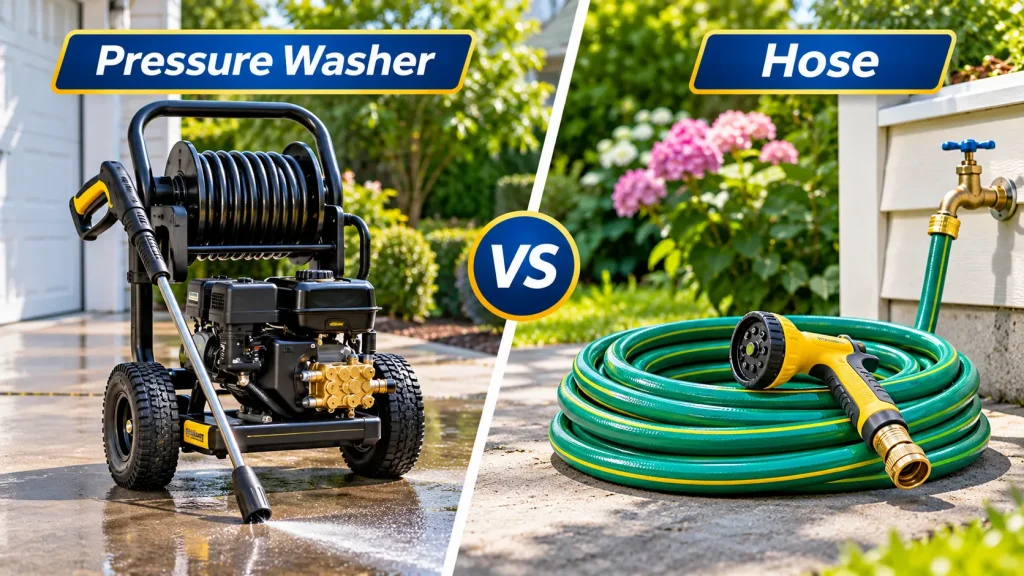
Choosing the right cleaning equipment is important for businesses that maintain vehicles, buildings, outdoor surfaces, and industrial spaces. The tools you use can affect cleaning time, water consumption, labor costs, and overall results. For businesses in New Jersey, selecting suitable equipment can make regular cleaning tasks easier and more efficient.
The pressure washer vs hose comparison is common among business owners and maintenance teams. Both tools use water to remove dirt, but they work differently. A garden hose provides regular water flow for light rinsing, while a pressure washer uses a powered pump to deliver water at much higher pressure.
These differences can help businesses avoid unnecessary expenses and choose the right equipment for each job. This guide compares cleaning performance, water usage, operating costs, safety, and common commercial applications to help you make an informed decision.
Pressure Washer vs Hose: What Is the Main Difference?
The main difference between a pressure washer and a garden hose is how they deliver water. A regular garden hose uses the pressure available from the water supply, while a pressure washer uses a pump to increase pressure and create a stronger cleaning stream.
A garden hose works well for everyday rinsing, watering, and removing loose dirt. However, it may struggle with stubborn stains, grease, and heavy buildup on commercial surfaces.
A pressure washer provides greater cleaning force, making it useful for demanding jobs. Depending on the model and cleaning requirements, it can remove dirt from concrete, commercial vehicles, equipment, and other suitable surfaces.
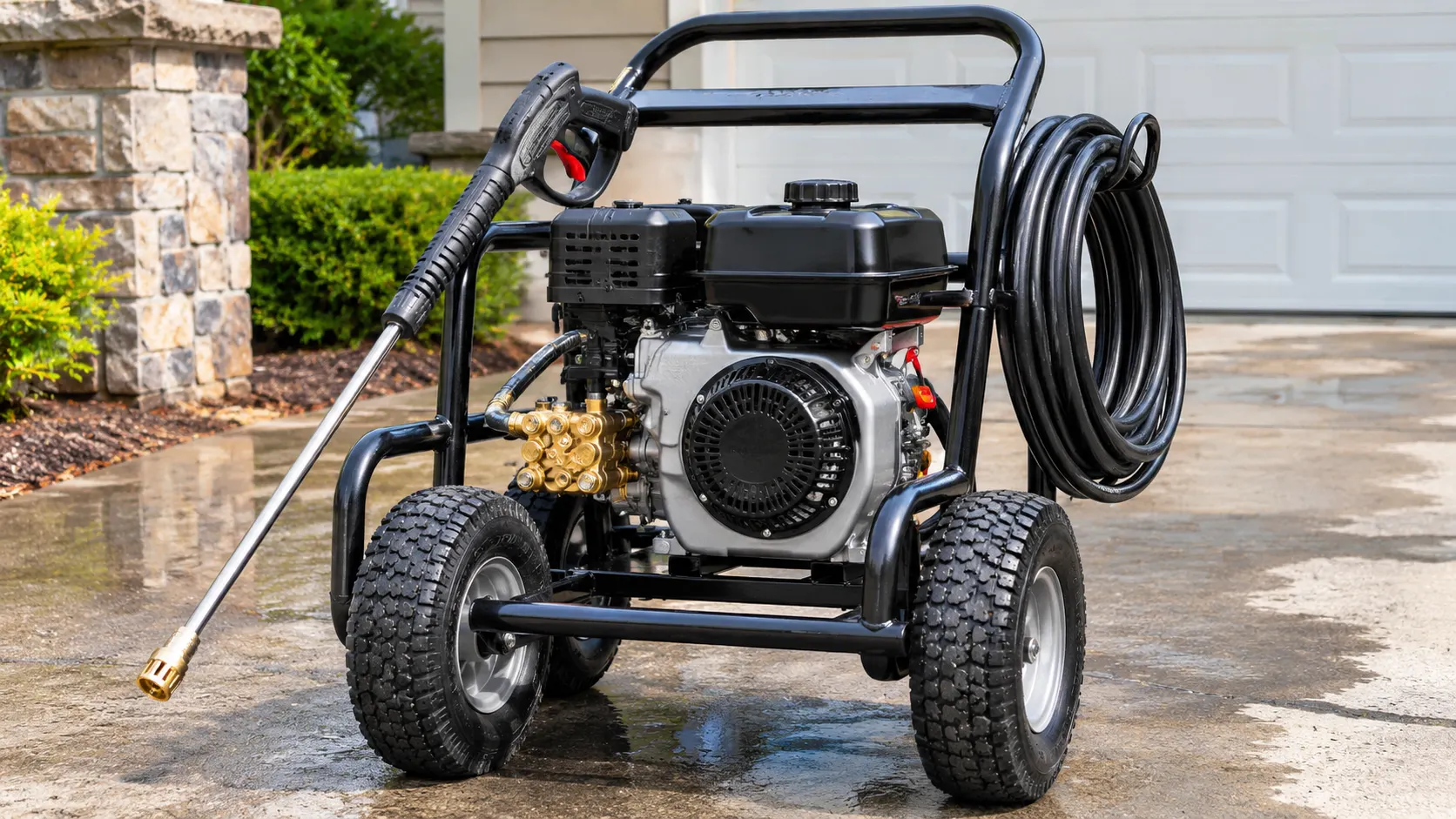
Pressure Washer vs Regular Hose: A Quick Comparison
Pressure washers and regular hoses differ in cleaning power, water pressure, efficiency, and suitable uses. The comparison below highlights their key differences to help you choose the right option for your cleaning needs.
| Feature | Pressure Washer | Garden Hose |
| Water pressure | High, pump-generated pressure | Standard supply pressure |
| Cleaning power | Suitable for heavy buildup | Best for light dirt |
| Water flow | Depends on GPM rating | Depends on supply and nozzle |
| Equipment cost | Generally higher | Usually lower |
| Setup time | Requires more preparation | Quick and simple |
| Maintenance | Regular equipment maintenance | Basic hose maintenance |
| Best use | Commercial and heavy-duty cleaning | Light rinsing and watering |
Neither option is suitable for every cleaning task. The best choice depends on the surface, type of dirt, and amount of cleaning required.
How Does Water Pressure Affect Cleaning Performance?
Water pressure plays an important role in cleaning because it helps loosen dirt from surfaces. However, pressure alone does not determine how quickly or effectively a cleaning job can be completed.
Two important measurements are PSI and GPM.
Understanding PSI in Pressure Washing
PSI (pounds per square inch) measures water pressure. Higher PSI helps remove stubborn dirt and mud, but excessive pressure can damage delicate surfaces. Always choose the right pressure based on the material and its condition.
Why GPM Matters for Commercial Cleaning
GPM (gallons per minute) measures water flow. While PSI loosens dirt, GPM helps wash it away. Higher water flow can improve cleaning speed, so businesses should consider both PSI and GPM when choosing equipment.
Why Regular Garden Hoses Have Cleaning Limits
A garden hose depends on the available water supply pressure. Although spray nozzles can change the water pattern, they do not provide the same cleaning force as a powered pressure washer.
Garden hoses work well for loose dirt and light rinsing. However, they may require additional brushing or cleaning products to remove stubborn buildup.
Which Cleans Faster: A Pressure Washer or a Regular Hose?
A pressure washer generally cleans heavily soiled surfaces faster because its powerful water stream helps loosen stubborn dirt.
For example, removing mud from construction equipment or cleaning a large concrete area may take more time with a regular hose. A suitable pressure washer can make these tasks easier by combining cleaning force with controlled water flow.
However, garden hoses can be more convenient for simple rinsing jobs. They require less setup and are often sufficient when surfaces have only light dirt.
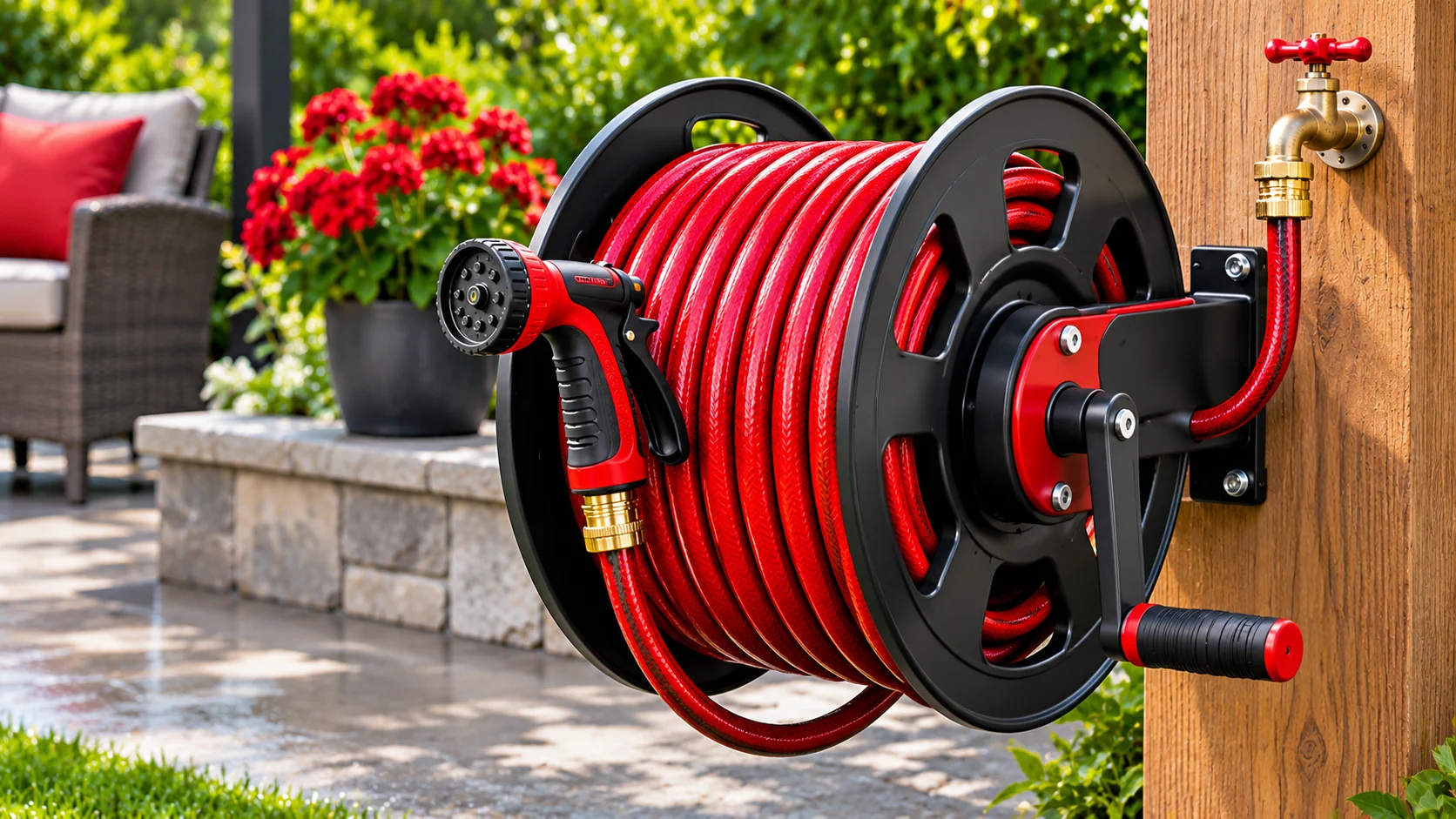
Cleaning Performance by Task
| Commercial Cleaning Task | Generally Better Choice |
| Light vehicle rinsing | Garden hose |
| Heavy equipment washing | Pressure washer |
| Concrete walkway cleaning | Pressure washer |
| Watering commercial landscaping | Garden hose |
| Removing stubborn exterior dirt | Pressure washer |
| Rinsing delicate surfaces | Garden hose |
| Cleaning loading docks | Pressure washer |
| Light outdoor furniture cleaning | Garden hose |
Pressure washer cleaning efficiency depends on selecting the correct machine, pressure, nozzle, and water flow for the job.
Does a Pressure Washer Use Less Water Than a Garden Hose?
Water consumption is another important consideration when comparing a pressure washer with a regular hose.
Many pressure washers use less water per minute than an unrestricted garden hose. However, this is not always the case, especially with high-flow commercial machines.
Actual water usage depends on the equipment’s GPM rating and how long the cleaning task takes.
Pressure Washer vs Hose Water Usage
Consider the following example:
| Equipment | Example Flow Rate | Water Used in 20 Minutes |
| Garden hose | 6 GPM | 120 gallons |
| Pressure washer | 3 GPM | 60 gallons |
These are illustrative flow rates, not universal specifications. Actual water consumption depends on the equipment, nozzle, water supply, and cleaning duration.
However, a commercial pressure washer operating at 5 GPM would use 100 gallons in 20 minutes.
How Water Usage Affects Commercial Cleaning
Businesses that clean large areas regularly should consider total water consumption across each job.
A properly selected pressure washer may reduce cleaning time and water waste when removing stubborn dirt. However, simple rinsing tasks may not require high-pressure equipment.
The best approach is to compare actual GPM ratings and the time needed to complete each cleaning task.
Pressure Washer vs Hose: Which Costs More to Operate?
A garden hose costs less to buy and maintain because it uses regular water pressure without electricity or fuel. Pressure washers cost more due to their pumps, engines, and other cleaning components.
Operating costs also vary. Garden hoses mainly use water, while pressure washers require electricity or fuel and regular maintenance. Hot-water models may also have additional heating costs.
However, pressure washers can save time and labor on demanding cleaning jobs. Their stronger cleaning power helps remove stubborn dirt and grease faster, making them a practical choice for commercial cleaning.
When Should Businesses Use a Commercial Pressure Washer?
A commercial pressure washer is often suitable for demanding cleaning tasks that require greater water pressure and consistent performance.
Businesses may benefit from professional equipment when cleaning large outdoor areas, vehicles, or heavy machinery.
Cleaning Commercial Concrete and Walkways
Commercial walkways, driveways, and loading areas collect dirt, mud, and stains. A suitable pressure washer can remove buildup effectively, while the correct nozzle and cleaning method help prevent surface damage.
Washing Trucks and Commercial Vehicles
Fleet vehicles collect dirt, mud, and grease during daily use. Pressure washers help clean trucks and trailers efficiently, but operators should use suitable pressure settings to avoid damaging sensitive components.
Maintaining Warehouses and Industrial Areas
Pressure washing helps clean warehouse floors, entrances, and loading areas when proper drainage and safety measures are in place. Avoid using it near electrical equipment or water-sensitive materials.
Removing Grease and Heavy Dirt From Equipment
Pressure washers help remove grease, oil, and stubborn dirt from industrial equipment when approved by the manufacturer. Hot-water models with suitable detergents can be more effective for heavy, oily buildup.
When Is a Regular Garden Hose the Better Choice?
Although pressure washers provide greater cleaning force, garden hoses remain useful for many commercial maintenance tasks.
A regular hose is often the better option when high pressure is unnecessary or could damage the surface.
Common applications include:
- Lightly rinsing vehicles and outdoor furniture.
- Watering gardens, lawns, and commercial landscaping.
- Removing loose dirt from suitable surfaces.
- Washing delicate items that cannot tolerate high pressure.
- Completing small cleaning jobs that require minimal setup.
- Supplying water to a compatible pressure washer.
Garden hoses are also easy to transport, store, and maintain. They do not require a separate power source for ordinary water supply tasks.
What Are the Safety Differences Between Pressure Washers and Garden Hoses?
Pressure washers require additional care because their high-pressure spray can damage materials and cause serious injuries. Garden hoses generally present lower pressure-related risks, but users should still handle equipment carefully and avoid creating slipping hazards.
Risk of Surface Damage
High-pressure water can damage paint, wood, seals, and delicate materials when used incorrectly.
Start with a suitable wide-angle nozzle, maintain a safe distance, and test a small area before cleaning the entire surface.
Personal Safety and Protective Equipment
High-pressure water can cause serious injuries, so always wear protective gear, keep hands away from the spray, and never point the wand at anyone. Seek immediate medical attention for any pressure washer injury, even if it looks minor.
Electrical and Equipment Safety
Keep water away from electrical outlets, connections, and sensitive equipment. Follow manufacturer safety guidelines, and never operate gas-powered pressure washers indoors or in enclosed spaces due to harmful exhaust gases.
Choosing the Right Pressure for Each Surface
Different surfaces need suitable cleaning methods, as excessive pressure can cause damage. Always choose the right nozzle, water temperature, pressure setting, and detergent for safe and effective cleaning.
How to Choose the Right Cleaning Method for Your Business
The best cleaning method depends on the type of surface, amount of dirt, and frequency of cleaning. A garden hose may be enough for light rinsing, while heavy grease, mud, and stubborn buildup often require more cleaning force.
Before purchasing equipment, compare PSI, GPM, power source, operating costs, and maintenance requirements. Businesses should also consider available water supply, cleaning area, operator experience, and how often the equipment will be used.
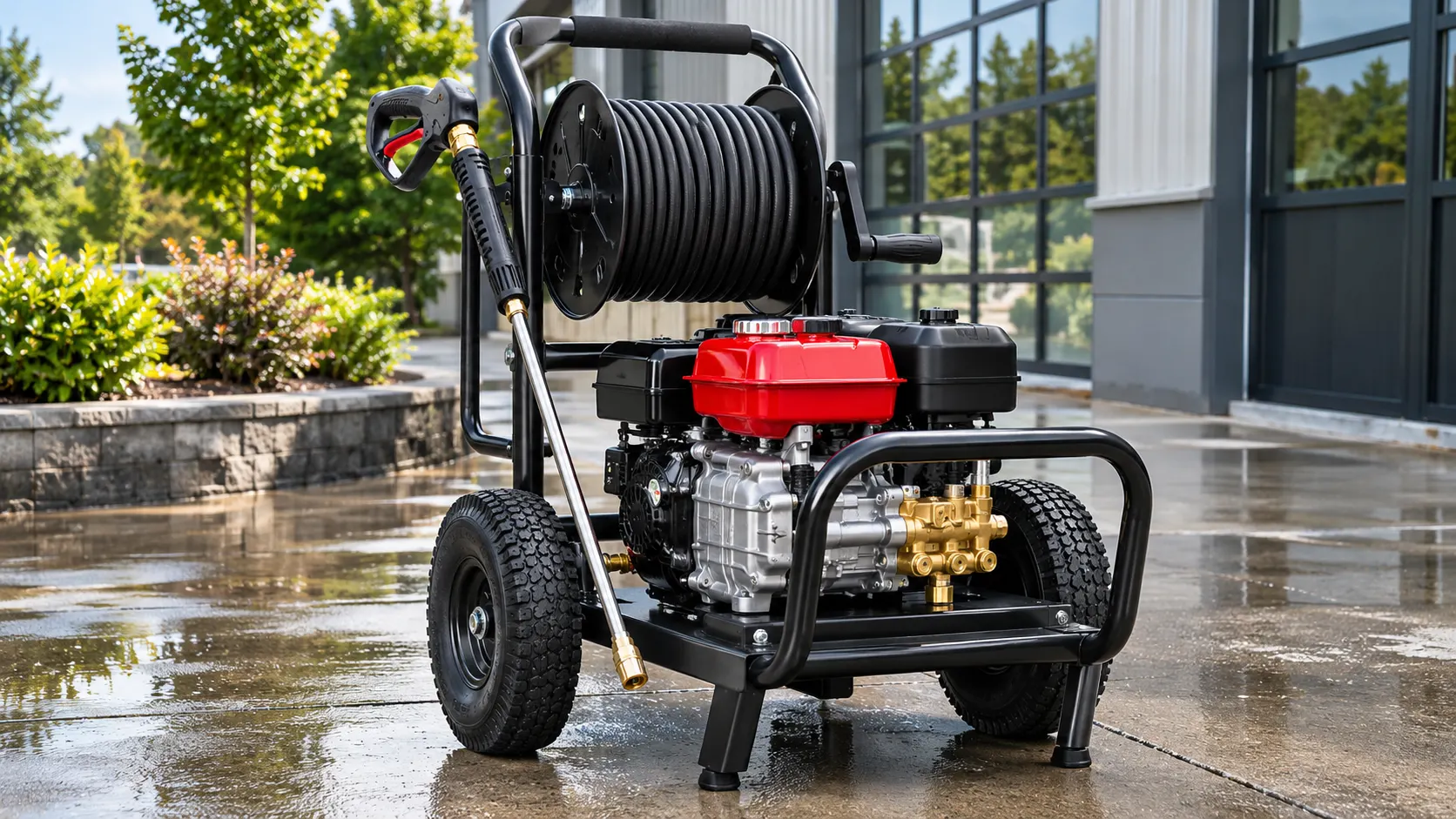
For demanding cleaning tasks, exploring commercial pressure washers can help businesses compare different machine types and specifications. Choosing equipment based on actual cleaning requirements helps avoid unnecessary costs and supports better long-term performance.
Final Thoughts
The pressure washer vs hose comparison comes down to cleaning power, water usage, operating costs, and the type of work involved. Garden hoses are affordable, easy to use, and suitable for light rinsing. Pressure washers provide greater cleaning force for stubborn dirt, large surfaces, and demanding commercial applications.
For businesses, the right choice depends on how frequently cleaning is performed and the level of performance required. A pressure washer can improve cleaning efficiency for tough jobs, while a garden hose remains useful for everyday maintenance.
If your business needs commercial cleaning equipment in New Jersey, Pressure King Inc. offers pressure washing solutions for different applications.
Frequently Asked Questions
Is a Pressure Washer Better Than a Garden Hose for Commercial Cleaning?
A pressure washer is generally better for removing stubborn dirt, grease, and heavy buildup. However, garden hoses remain suitable for light rinsing, delicate surfaces, and cleaning tasks that do not require high pressure.
Does a Pressure Washer Use Less Water Than a Regular Hose?
Some pressure washers use less water per minute than regular hoses, but savings depend on GPM and cleaning time. High-flow commercial models may use more water, depending on the task.
Can a Garden Hose Replace a Pressure Washer for Heavy-Duty Cleaning?
A garden hose may remove loose dirt, but it usually cannot match the cleaning force of a pressure washer. Heavy grease, stubborn stains, and industrial buildup often require stronger cleaning methods.
Is a Pressure Washer Worth Buying Instead of Using a Garden Hose?
A pressure washer is worth considering for businesses that regularly clean large areas or remove stubborn dirt. A garden hose is usually enough for light rinsing and occasional cleaning tasks.
Can a Pressure Washer Clean Large Commercial Areas Faster Than a Hose?
Yes, pressure washers can clean heavily soiled commercial surfaces faster than regular hoses. Their stronger water pressure helps remove dirt and buildup, reducing cleaning time and labor for demanding jobs.

Michael Adeniran is the CEO of Pressure King Inc. He has been dealing in commercial cleaning equipment for many years. He is one of the leading specialists and experts in commercial cleaning products.


