The Safe Way to Pressure Wash Your Brick House
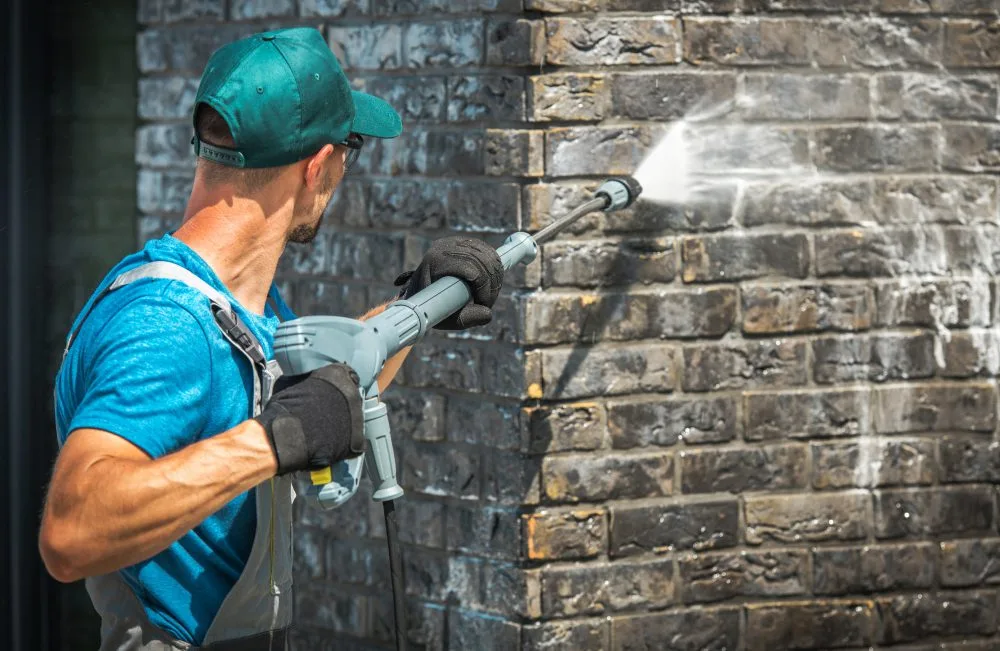
Bricks could be resistant to weather conditions to a certain level, but water and storms can still cause damage in the long run. Soot, dirt, mold, and mildew easily accumulate which can make your only blue-sky wall look weather-beaten. Apart from the aesthetics, there is an economic benefit if you keep your brick exterior clean. The extra protection offered will enable the building materials to last much longer. A good cleaning pressure washer removes harmful buildup that can weaken the mortar and compromise the integrity of your brickwork.
A suitable pressure washer can remove stubborn exterior buildup more efficiently than manual cleaning. However, excessive pressure can damage brick faces, loosen mortar joints, and force moisture behind the exterior wall. Safe pressure washing brick house requires careful inspection, suitable equipment, a masonry-safe detergent, and controlled water pressure.
In this guide, we will take you through each step for pressure washing brick house starting with equipment preparation to finally reach that outstanding clean surface without endangering your safety and your beloved brick house.
Key Takeaways
- Inspect the brick and mortar for cracks, gaps, and deterioration before cleaning.
- Use a wide-angle nozzle and begin with the lowest effective pressure.
- Apply a cleaning solution formulated for brick and masonry.
- Avoid directing pressurized water into mortar joints, vents, windows, and openings.
- Rinse the brick thoroughly and allow it to dry before applying a breathable sealer.
- Consider soft washing or professional service for old, painted, or damaged brick.
Can You Pressure Wash a Brick House Safely?
Yes, pressure washing brick house can be safe when the brick and mortar are in good condition and the operator uses the correct method. Modern, structurally sound brickwork can generally tolerate controlled pressure, but aging bricks, loose mortar, painted masonry, and previously repaired areas may require a gentler approach.
The safest method is to start with low pressure, use a 25- or 40-degree nozzle, and maintain a suitable distance from the wall. Test a small, hidden area before cleaning the complete exterior. If the test causes mortar loss, surface flaking, discoloration, or water penetration, stop and use soft washing or manual cleaning instead.
Pressure Washing vs. Soft Washing Brick
Pressure washing primarily uses water force to remove dirt and stains. Soft washing uses low-pressure water combined with a suitable cleaning solution to break down mold, mildew, algae, and organic contamination.
Soft washing brick may be the better choice for older masonry, painted brick, delicate mortar, or walls affected by widespread biological growth. Because the detergent performs most of the cleaning, less water pressure is required.
Traditional pressure washing may be suitable for durable brick in good condition, particularly when removing surface dirt, cobwebs, dust, and light staining. Always use the least aggressive method capable of producing an effective result.
Step I: Preparing for Perfection
A little bit of planning ahead can ensure a smooth and successful clean. So, before you start working, think of a few preparations and follow them. Here’s what you need to pressure washing brick house ready:
Patch Up the Cracks: Stop water from seeping behind the bricks by sealing the cracks with mortar at least a week before pressure washing.
Protect Your Material: To avoid collateral damage, cover nearby plants, furniture, or other items with plastic sheeting to shield them from overspray.
Seal the Items: Cover the windows, doors, and electrical outlets with waterproof tape and plastic sheeting.
Soak Your Bricks: Before real cleaning starts, get the brick well soaked by watering with a usual garden hose.
Step II: Application of Detergent
When everything is prepared, pick your detergent wisely. look for the cleaners specifically formulated for brick house cleaning. These cleaners are soft on the surface while effectively removing dirt and rime. Once you finalized the detergent, follow the following steps:
- To pressure washing brick house, use a detergent specifically made for brick surfaces.
- Apply the solution all over the surface, using a low pressure sprayer.
- Once you apply the detergent, leave it on the surface for a few minutes, usually 5-10 minutes.
- Be sure to follow the manufacturer’s instructions.
Step III: Brushing Tough Stains
Even the most dedicated pre-cleaning might leave a few stubborn stains behind. Fear not, brushing your stains helps you achieve the desired results.
Choosing Your Brush Wisely
Opt for a brush with soft nylon bristles. The stiff bristles or for instance the metal brushes spoil the surface of your brick by scratching it. Rotary electric brushes can be an amazing efficient tool for cleaning big areas with hard-to-remove dirt.
Gentle Scrubbing
Utilize a small amount of the brick cleaning detergent and show it directly to the stain. Scrub it out with the rotary brush attachment or hand brush in a rotation motion. The cleaning solution performs most of the work, leaving your surface clean effortlessly. Choose the smaller areas first as it helps you to keep dirt from spreading further and gives you a great job done.
Step IV: Rinsing the Surface
After all of the cleaning, now is the time to wash away and witness the cleanliness. When pressure washing brick home, use a wide nozzle to distribute water evenly. Here’s how you can rinse the surface:
- Rinse the brick surface by using a wide fan spray nozzle on your pressure washer.
- Begin rinsing From the top and finish at the bottom so that there is no detergent residue left.
- Make sure you give a good rinse to your brick house.
Step V: Sealing to Shield
Once you are done with the pressure wash brick house, having a complete seal is crucial for achieving long-lasting cleaning results.
Defense Against the Elements: Sealant works as a shield, defending against water, grime and molds. This prevents future staining and allows professional cleanings to be further apart in time.
Enhanced Longevity: A good sealant will be able to extend the life of your brickwork by shielding it from harsh weather conditions and UV rays.
Beauty that Lasts: Sealer protects the natural color and texture of your brick, so it looks beautiful for an extended period of time.
How to Remove Common Stains From Brick
Different brick stains require different treatments. Identifying the source before cleaning can reduce unnecessary pressure and help you select an effective masonry cleaner.
Mold, Mildew, and Algae
Apply a brick-safe mold and mildew cleaner using low pressure. Allow the solution to dwell as directed without letting it dry, gently agitate persistent areas, and rinse thoroughly. Heavy organic growth may require a second detergent application. Increasing water pressure is not always the safest or most effective solution.
Soot and Pollution
Soot and airborne pollution may respond to a masonry detergent formulated for carbon-based stains. Apply the cleaner evenly, scrub gently, and rinse from the top downward. Avoid spreading dark residue across clean sections. Working in small areas makes it easier to control runoff and achieve a consistent finish.
Efflorescence
Efflorescence appears as a white, powdery deposit caused by salts moving through masonry. Dry brushing may remove light surface deposits, but recurring efflorescence can indicate an underlying moisture problem. Pressure washing alone may not correct the cause. Persistent deposits should be assessed before applying strong acids or specialty masonry cleaners.
Rust and Mineral Stains
Rust and hard-water marks often require a specialty masonry stain remover. Test the product first because acidic cleaners may change the brick’s color or affect the mortar. Use only products approved for the particular brick and follow all safety instructions. Professional treatment may be appropriate for widespread or deeply embedded stains.
Best PSI for Pressure Washing a Brick House
The best PSI for cleaning brick depends on the brick’s age, strength, finish, and mortar condition. There is no single pressure setting that is safe for every brick exterior.
Begin with the lowest effective pressure and test an inconspicuous area. A wide nozzle held at a safe distance reduces the impact on brick faces and mortar joints.
| Brick Condition | Suggested Cleaning Method | Starting Pressure |
| Painted or delicate brick | Soft washing or gentle rinsing | 500–800 PSI |
| Older brick with aging mortar | Low-pressure cleaning | 500–1,000 PSI |
| Sound residential brick | Controlled pressure washing | 800–1,500 PSI |
| Durable modern masonry | Test before increasing pressure | Up to 1,500–2,000 PSI |
| Cracked or deteriorated masonry | Repair or seek professional help | Avoid pressure washing |
These ranges are general starting points rather than universal recommendations. Nozzle angle, working distance, water flow, brick type, and operator technique affect the actual force reaching the wall.
Choosing the Right Pressure Washer Nozzle
A pressure washer nozzle controls the spray angle and concentration of water. A narrow stream directs more force onto a small area, increasing the risk of surface damage.
A 25-degree nozzle may be suitable for controlled cleaning on durable brick. A 40-degree nozzle provides a wider, gentler spray and is often safer for rinsing and cleaning more delicate areas.
Avoid zero-degree nozzles because their concentrated stream can chip brick, erode mortar, and leave permanent cleaning marks. Turbo nozzles can also be too aggressive for many brick exteriors.
Common Mistakes to Avoid When Pressure Washing Brick
Improper pressure washing can damage bricks even when the machine is operating below its maximum PSI. Avoid these common mistakes:
- Using a zero-degree or highly concentrated nozzle
- Holding the pressure washer wand too close to the wall
- Directing water into cracks or deteriorated mortar
- Concentrating the spray on one location
- Cleaning damaged brick before completing repairs
- Spraying upward beneath flashing, siding, or trim
- Allowing detergent to dry on the surface
- Applying harsh chemicals without testing
- Using a metal or highly abrasive brush
- Pressure washing painted or historic brick without inspection
- Ignoring windows, vents, outlets, and utility connections
- Applying sealer before the brick has dried completely
A test area can reveal whether the pressure, detergent, and nozzle are suitable before you clean a visible section of the house.
How Often Should You Pressure Wash a Brick House?
Many brick exteriors do not require pressure washing every year. A full cleaning every two or three years may be enough for properties with moderate exposure to dirt and moisture.
Homes located near busy roads, trees, shaded areas, high humidity, or frequent rainfall may develop mold, mildew, algae, and pollution stains more quickly. These properties may require more frequent inspection and targeted cleaning.
Avoid pressure washing simply because a certain amount of time has passed. Clean the exterior when visible buildup appears, and use gentle spot treatments between major cleaning projects.
When Should You Hire a Professional Brick Cleaner?
Professional brick exterior cleaning may be the better choice when the building has multiple stories, extensive staining, aging mortar, historic masonry, painted brick, or difficult access.
A trained technician can determine whether pressure washing, soft washing, chemical treatment, or manual cleaning is appropriate. Professionals can also select a suitable PSI, nozzle, detergent, and working distance for the condition of the masonry.
Consider professional service when:
- Mortar is cracked, missing, or deteriorated
- Brick surfaces are flaking or crumbling
- Mold and algae cover a large area
- Efflorescence continues to return
- The building has several stories
- Windows and architectural details require additional protection
- Wastewater and chemical runoff must be controlled
- You are unsure about the brick’s age or condition
Conclusion
From pre-washing prep to the finishing touches, pressure washing brick house requires a lot of focus. It takes time and concentration. You need to fill the cracks with the appropriate sealing compound, select the correct detergent while scrubbing it correctly, and finally rinse thoroughly is equally important throughout the process.
Many people pressure wash brick house exteriors annually for optimal curb appeal. For the people who want to have more, the best thing to do is apply a sealant for long-lasting protection and add great looks to their homes.
Give your brick house a perfect pressure wash with Pressure King in Simpsonville, KY. Visit our pressure washer store or contact us now for further details.
FAQs For Pressure Washing Brick House
Why are pressure washers required for brick house cleaning?
While scrubbing by hand can remove loose dirt, a pressure washer is much more effective for tackling deeper grime, mold, mildew, and stubborn stains.
What PSI setting should I use on my pressure washer?
For brick cleaning, a low-pressure setting is key. Generally, you don’t want to exceed 1,000 PSI, and ideally, stay below 800 PSI.
What type of nozzle should I use on the pressure washer?
A fan nozzle is the best choice for brick cleaning. It provides a wider spray pattern that helps distribute the water pressure evenly and reduces the risk of damaging the brick surface.
How to pressure wash a brick house?
When pressure washing a brick house ensure that you use the low pressure (1,500-2,000 PSI), use a brick-safe detergent and ensure that you do not spray directly on the mortar.
How to clean brick house without a pressure washer?
Prepare a solution with some water, a small portion of washing detergent, vinegar or bleach added to the mixture. Clean the brick surface with a stiff bristle brush, and wash down with a hose, then allow the brick to air dry.
Is soft washing better than pressure washing for brick?
Soft washing is often better for aging, painted, repaired, or delicate brick. It uses a cleaning solution and low-pressure water to remove organic buildup while reducing the risk of mortar erosion and water intrusion.
Should you seal brick after pressure washing?
Sealing is optional and depends on the wall’s condition. If sealing is appropriate, wait until the brick is completely dry and use a breathable masonry sealer that will not trap moisture inside the wall.

Michael Adeniran is the CEO of Pressure King Inc. He has been dealing in commercial cleaning equipment for many years. He is one of the leading specialists and experts in commercial cleaning products.