


What Pressure Washer Size Do I Need? A Complete Guide to Choosing the Right PSI
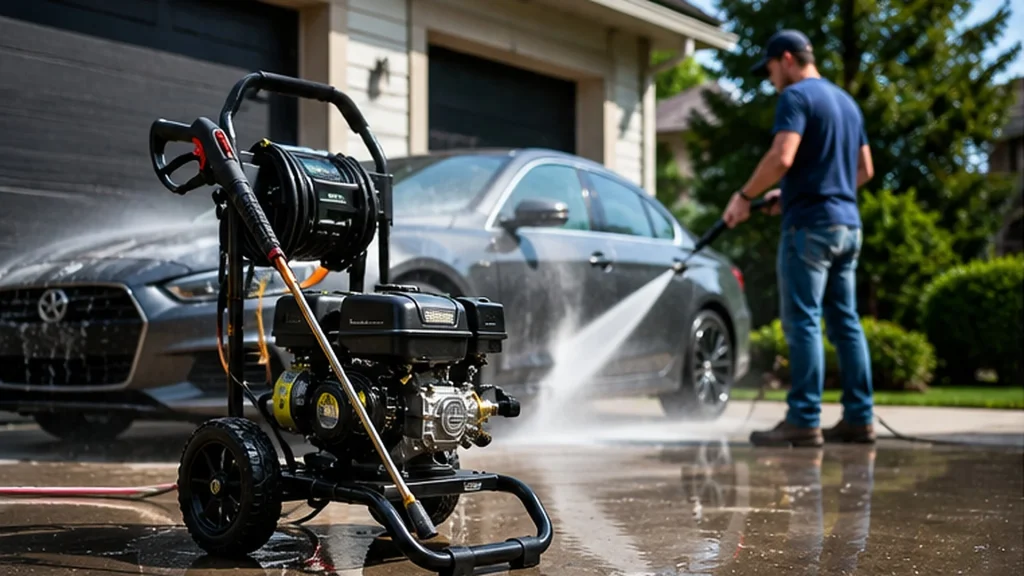
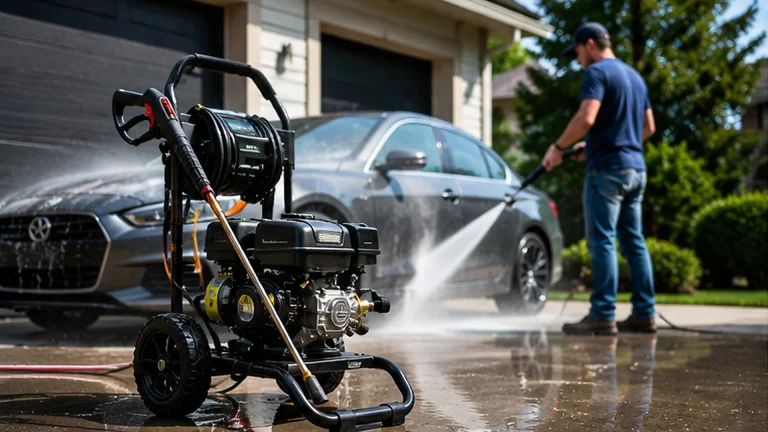
If you’re shopping for a pressure washer, one of the first questions you’ll probably ask is, “What pressure washer size do I need?” It’s an important question because choosing the wrong machine can lead to disappointing results or even damage the surfaces you’re trying to clean.
The truth is, the right pressure washer isn’t determined by the physical size of the machine. Instead, it depends on what you’re cleaning, how dirty the surface is, and how often you’ll use the equipment. A homeowner in NJ cleaning a family car, patio, or deck will need far less cleaning power than a business owner removing years of grime from a commercial driveway, warehouse floor, or construction equipment. Businesses handling these demanding applications often benefit from commercial pressure washers designed for extended daily use.
In this guide, we’ll explain how pressure washer sizing works, what PSI and GPM really mean, and how to choose the right machine for your cleaning needs without paying for more power than you’ll actually use.
Pressure Washer Size Isn’t About Physical Dimensions
When people ask, “What pressure washer size do I need?” They’re rarely talking about the machine’s height or weight. They’re referring to its cleaning power.
Three measurements help determine how powerful a pressure washer is:
PSI (Pounds per Square Inch) measures the force of the water. Higher PSI helps loosen stubborn dirt, grease, mold, and stains from hard surfaces.
GPM (Gallons Per Minute) measures how much water flows through the machine. Higher water flow helps wash dirt away more quickly and allows you to clean large areas in less time.
Cleaning Units (CU) combine both PSI and GPM to give a better picture of overall cleaning performance. A machine with balanced PSI and GPM often cleans more efficiently than one with extremely high pressure but low water flow.
Quick Pressure Washer Size Chart
This chart provides a general guideline. Always consider the condition of the surface and follow the pressure washer manufacturer’s recommendations before cleaning.
| Cleaning Task | Recommended PSI | Recommended GPM |
|---|---|---|
| Cars | 1,500–2,000 | 1.4–1.8 |
| Patio Furniture | 1,500–2,000 | 1.4–1.8 |
| Wooden Deck | 2,000–2,500 | Around 2.0 |
| Driveway | 3,000–3,500 | 2.5–3.0 |
| Concrete | 3,000–4,000 | 3.0–4.0 |
| Commercial Equipment | 4,000+ | 4.0+ |
Start by Asking Yourself These Three Questions
Before comparing pressure washer specifications, think about how you’ll actually use the machine.
What are you cleaning most often?
The frequency and nature of your cleaning duties will determine the best choice for you. For example, if you clean cars, patio furniture, bicycles, and BBQs regularly, you won’t require the same strength as one who removes oil spills from concrete or cleans farm equipment. Choosing a pressure washer according to your routine cleaning duties is more effective than buying the strongest one.
How frequently will you use the pressure washer?
A person who cleans his or her patio a couple of times a year has completely different requirements than a professional contractor who uses a pressure washer on a daily basis. It is much easier for an occasional user to choose the compact models of equipment made for household use; meanwhile, for professionals, it is better to use heavy-duty devices.
Are you buying for home or business use?
Residential pressure washers are intended for regular home cleaning purposes. They are best suited for car washing, deck washing, fence cleaning, patio washing, and sidewalk washing. In the case of commercial cleaning applications, there is a need for cleaning equipment that can handle large warehouses, heavy machinery, construction equipment, commercial buildings, and fleet vehicles.
Choosing the Right PSI for Every Cleaning Job
Every surface responds differently to water pressure. Using too little pressure may leave dirt behind, while too much pressure can damage delicate materials.
Cars, Motorcycles, and Outdoor Furniture
If you’re wondering, “How many PSI pressure washer do I need?” for washing vehicles or outdoor furniture, moderate pressure is usually the safest option. Cars, motorcycles, painted surfaces, grills, and patio furniture do not require extremely high pressure. A machine delivering 1,500 to 2,000 PSI with moderate water flow is generally enough to remove dust, mud, pollen, and light road grime.
Using the correct spray nozzle and maintaining a safe distance from the surface are just as important as choosing the right PSI. These practices help prevent damage to paint, trim, plastic components, and delicate outdoor materials while still providing effective cleaning results.
Decks, Fences, and Patios
Wooden decks, composite decking, fences, and patios collect algae, mildew, dirt, and weather stains over time. For these surfaces, a pressure washer in the 2,000 to 2,500 PSI range usually provides enough cleaning power while reducing the risk of splintering wood or stripping protective finishes.
Cleaning solutions designed for outdoor surfaces can often improve results without requiring additional pressure. Using the right pressure washer detergents can help remove mildew, algae, and stubborn stains while protecting delicate surfaces.
Driveways and Sidewalks
Driveways and sidewalks receive heavy foot traffic, vehicle traffic, and constant exposure to the weather. If you’re asking, “What PSI pressure washer should I get?” for these surfaces, a machine producing around 3,000 to 3,500 PSI with adequate water flow is often the best choice.
This level of pressure removes embedded dirt, mildew, tire marks, and many surface stains more efficiently than lower-powered residential units.
Concrete Cleaning
Many buyers specifically ask, “What pressure washer size do I need to clean concrete?”
Concrete is one of the strongest surfaces around your property, so it generally tolerates higher pressure than wood, painted siding, or vehicles. For residential concrete such as driveways, patios, garage floors, and sidewalks, a pressure washer producing 3,000 to 4,000 PSI and 3.0 to 4.0 GPM usually provides excellent results.
Commercial concrete cleaning often involves parking garages, warehouses, loading docks, and industrial facilities. These larger areas benefit from commercial-grade pressure washers that deliver higher water flow, allowing operators to clean faster and more efficiently during extended use.
Commercial Buildings and Heavy Equipment
Industrial machines and farm equipment, large commercial complexes, and construction equipment create a completely different cleaning requirement from that needed by residential surfaces. Grease, mud, oil, and other debris demand more water pressure, flow rate, and operational capacity of the equipment.
The pressure washers designed for commercial use have high-duty components such as strong pumps and frames to handle the work done on them frequently.
PSI vs. GPM: Which One Actually Matters More?
Many consumers look at PSI alone because it is highly promoted. However, flow rate is just as critical. Consider two machines that have identical PSI but different flow rates. The machine that can produce more water per minute will be able to clean bigger areas faster because it can rinse away the loosened dirt more effectively.
This is why people tend to consider PSI and GPM as a whole in comparison to pressure. It is necessary to note that the maximum cleaning efficiency can be achieved through the balance between pressure and water flow.
The Biggest Mistake People Make When Buying a Pressure Washer
Perhaps one of the most common errors made by many people is thinking that the higher the PSI, the better the pressure washer is. However, too much pressure can harm painted finishes, wooden, vinyl, and even concrete surfaces.
Another mistake is ignoring GPM. Two machines may advertise similar pressure, but the one with greater water flow often completes jobs more quickly.
Some customers buy equipment depending on price only, ignoring the factors of durability and cleaning maintenance. Some others opt for commercial equipment when the need is residential. They pay for features that they will never use.
On the other hand, underestimating the amount of cleaning that will be necessary in the future may cause you to purchase an inadequate machine after just a few months. Selecting the right machine according to your needs is usually the most economical choice.
Electric or Gas—Which Size Pressure Washer Makes Sense?
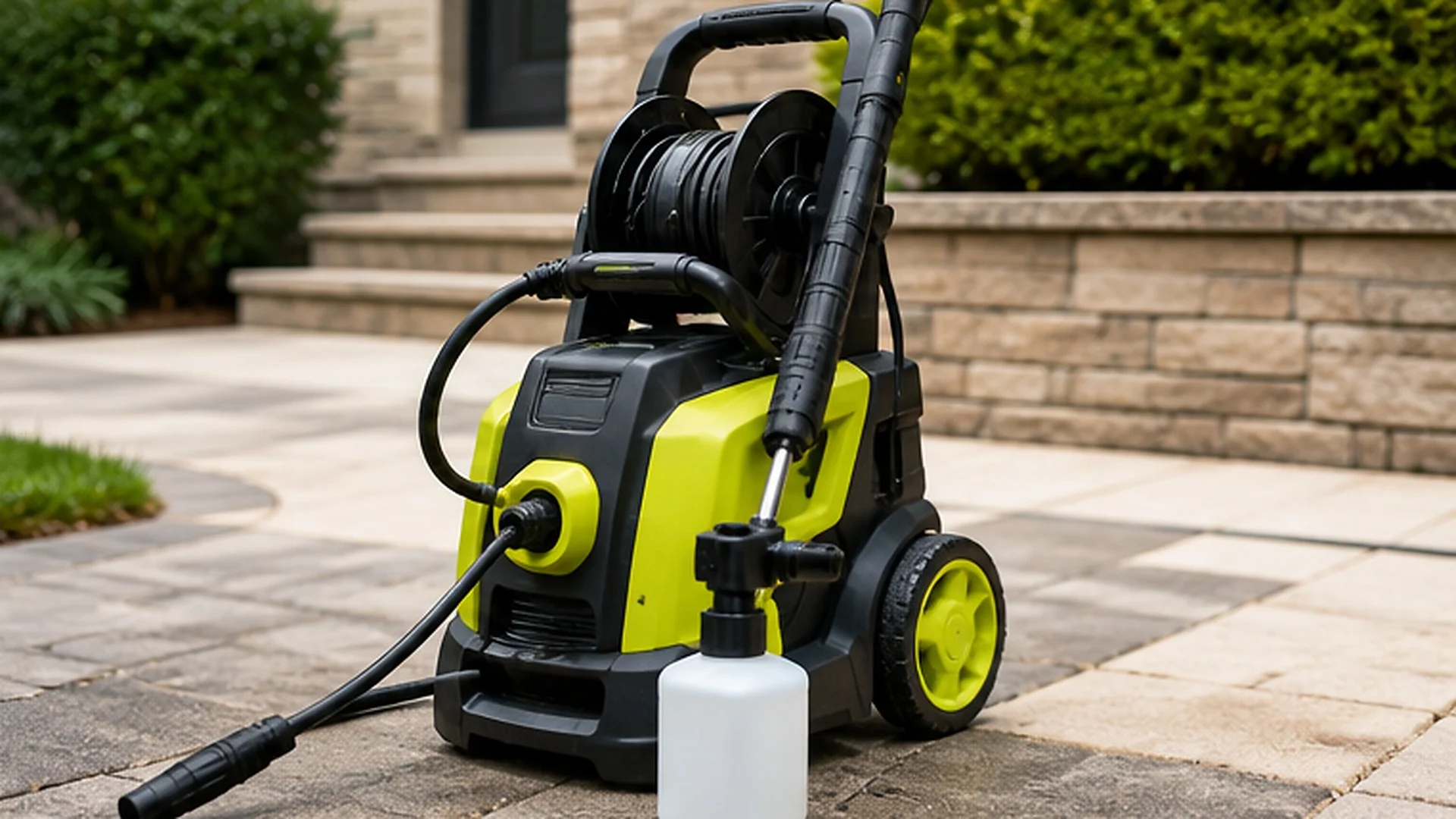
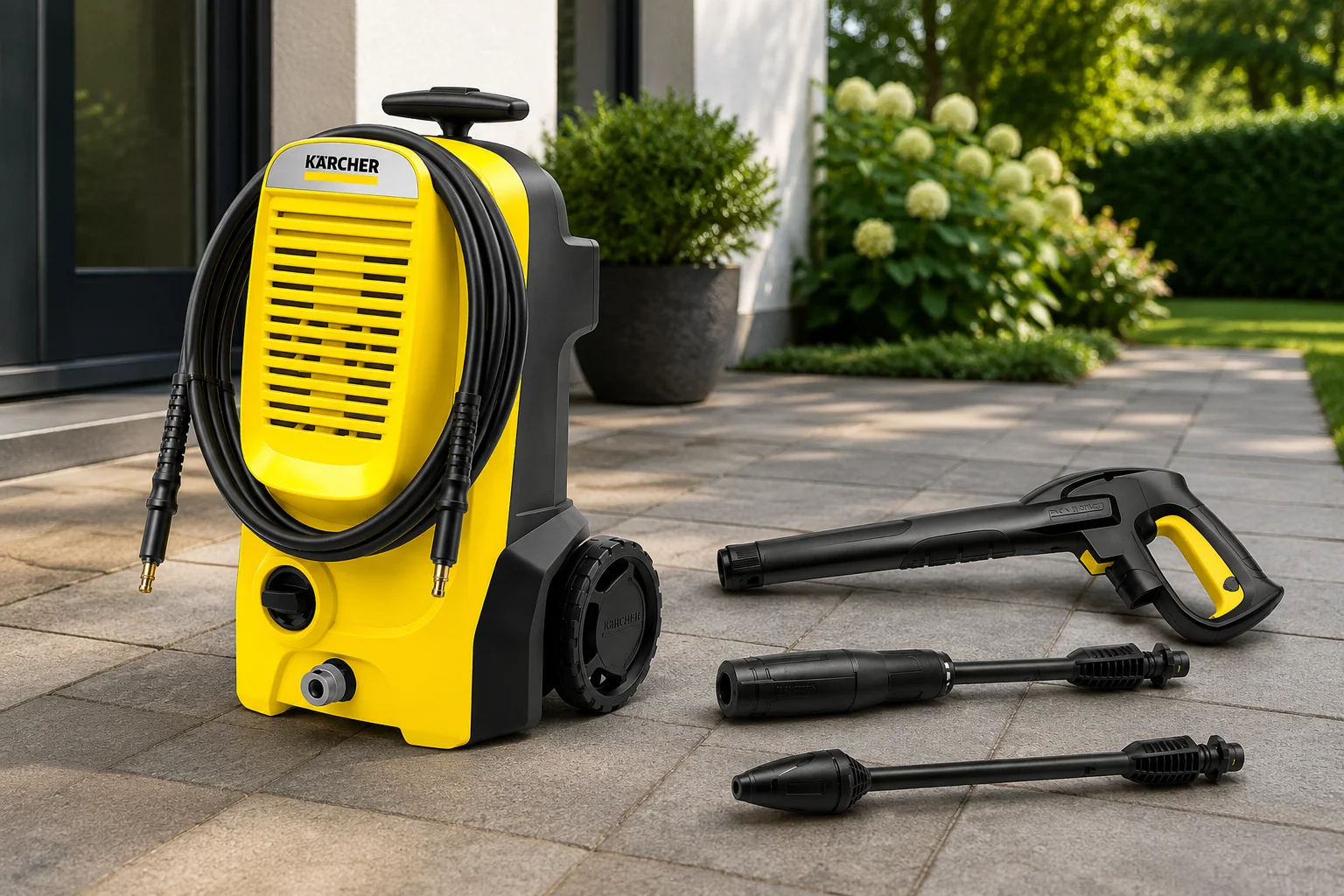
Electric power washing machines produce minimal noise, weigh less, and need little maintenance. They are effective for home owners who regularly clean cars, decks, fences, outdoor furniture, patios, and sidewalks.
Gas-powered pressure washers provide superior cleaning performance and are more appropriate for tough jobs. If you only need one for a short-term project, pressure washer rental options can be a cost-effective alternative to purchasing new equipment.
When Should You Upgrade to a Commercial Pressure Washer?
Home-use pressure washers are ideal for normal maintenance at home, although they cannot be used on a consistent basis every day. When you need to clean your warehouse, construction machinery, vehicles, apartments, parking lots, or any other industrial facility, then going for commercial equipment will be more efficient.
Pressure washers for commercial use usually have more powerful pumps, greater water flow, longevity, and durability. Keeping these machines operating efficiently also requires access to reliable pressure washer repair services when maintenance or unexpected issues arise.
Final Recommendation
The best pressure washer isn’t necessarily the most powerful; it’s the one that matches your cleaning needs. If you’re an occasional homeowner, a compact electric pressure washer is usually enough for vehicles, patios, and outdoor furniture. If you’re a DIY enthusiast who frequently tackles home improvement projects, a mid-range unit with a balance of PSI and GPM offers greater versatility for decks, fences, driveways, and siding. For a large property owner, a higher-powered residential or light commercial pressure washer can help clean larger outdoor spaces more efficiently. If you’re a contractor or maintenance professional, investing in a gas-powered or commercial-grade machine provides the durability and cleaning performance needed for demanding jobs.
For commercial cleaning companies, industrial facilities, or businesses managing fleets and heavy equipment, commercial pressure washers from suppliers like Pressure King can provide the higher PSI, increased GPM, and heavy-duty components needed for consistent daily performance.
FAQ’s
What pressure washer size do I need?
The right size depends on what you plan to clean. Light household tasks require less pressure than concrete cleaning or commercial maintenance.
What PSI pressure washer should I get for home use?
For most homeowners, a pressure washer in the 1,500 to 3,000 PSI range is suitable for vehicles, patios, decks, fences, and general outdoor cleaning.
What pressure washer size do I need to clean concrete?
Residential concrete cleaning typically requires 3,000 to 4,000 PSI with sufficient water flow for effective results.
How many PSI do I need for a pressure washer?
The ideal PSI depends on the surface. Delicate materials need lower pressure, while harder surfaces such as concrete and masonry benefit from higher PSI.
Is 2,000 PSI enough for a driveway?
It can remove light dirt and surface debris, but heavily stained driveways usually clean more effectively with higher pressure and greater water flow.
Can too much PSI damage concrete?
Yes. While concrete is durable, excessive pressure or using the wrong nozzle too close to the surface can cause etching or damage, particularly on older or weakened concrete.
Is GPM more important than PSI?
Neither is more important on its own. PSI loosens dirt, while GPM rinses it away. A balanced combination of both provides the most efficient cleaning performance.
Should I choose an electric or gas pressure washer?
Electric pressure washers are ideal for most household cleaning tasks because they’re quieter and require less maintenance. Gas-powered models are better suited for frequent, heavy-duty, or commercial cleaning applications.

Michael Adeniran is the CEO of Pressure King Inc. He has been dealing in commercial cleaning equipment for many years. He is one of the leading specialists and experts in commercial cleaning products.


