

Pressure Washer Wand Buying Guide: How to Choose the Right Wand for Better Cleaning
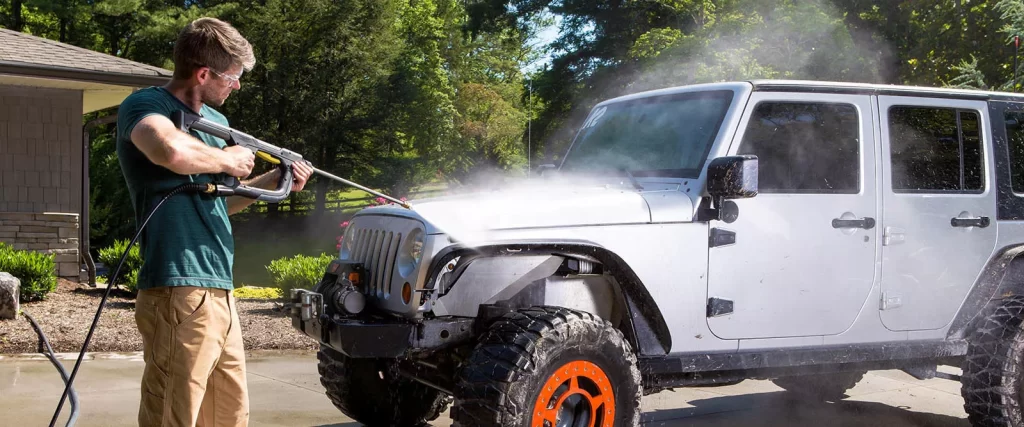
A pressure washer wand is an essential accessory that controls how effectively, safely, and comfortably you can clean. The right wand helps improve reach, spray control, and cleaning efficiency, while the wrong one can reduce performance, create compatibility issues, or make cleaning more difficult.
When choosing a pressure washer wand, you should consider more than just length or price. Factors such as PSI rating, GPM compatibility, material quality, nozzle connection, hot water compatibility, and the type of cleaning work all affect performance.
Whether you are cleaning vehicles, buildings, sidewalks, equipment, or commercial properties, selecting the right wand can help you get better results from your pressure washer.
In this guide, we explain different pressure washer wand types, how to choose the correct size, compatibility requirements, materials, accessories, and what to consider before purchasing.
What Is a Pressure Washer Wand?
A pressure washer wand, also called a lance, is the tube-shaped attachment that connects to the pressure washer gun. It helps direct the high-pressure water stream toward the surface you want to clean. The wand gives you better control, better reach, and safer distance from the spray.
The wand works with your pressure washer gun, hose, nozzle, and machine. Each part must match the pressure and flow rating of your washer. A good wand helps you clean more evenly, while a poor or mismatched wand can cause leaks, weak spray, poor control, or unsafe operation.
What Should You Look for Before Buying a Pressure Washer Wand?
Choosing the right pressure washer wand requires matching the accessory with both your machine and your cleaning needs. A wand that works well for one application may not perform properly for another.
Check Your Pressure Washer Specifications
Before buying a wand, check your machine’s:
- PSI rating
- GPM rating
- Water temperature capability
- Connection type
- Pressure washer gun compatibility
A wand must handle the pressure and water flow produced by your machine. Using a wand with a lower rating can reduce performance and create safety concerns.
Consider Your Cleaning Application
The best wand depends on what you clean most often.
- Vehicle cleaning requires better control and gentler spray options.
- Building and roof cleaning may require extra reach.
- Industrial equipment cleaning requires durable materials and higher pressure ratings.
- Large flat surfaces may benefit from a surface cleaner attachment.
Think About Comfort and Working Time
For longer cleaning jobs, wand weight and handle design matter. A comfortable wand reduces fatigue and gives better control during extended use.
Why the Right Pressure Washer Wand Matters
The right pressure washer wand helps you clean with less effort. It allows you to reach high, low, narrow, or awkward areas without bending too much or standing too close to the surface. It also helps you use the correct nozzle angle for the job.
A wrong wand can slow you down. It may not handle your machine’s PSI, may not fit your pressure washer gun, or may feel uncomfortable during longer cleaning work. For commercial users, this can affect productivity, safety, and the final cleaning result.
When people search “how to choose a pressure washer,” they often focus on the machine first. That is a good starting point, but the wand, gun, hose, and nozzle also matter. These accessories decide how well the pressure washer performs in real use.
Main Types of Pressure Washer Wands
There are several types of pressure washer wands, and each one is made for a different type of cleaning job. Some are short and simple for everyday use, while others are long, adjustable, or designed for special tasks. Choosing the right type depends on the surface, height, pressure level, and cleaning purpose.
Standard Pressure Washer Wand
A standard wand is the common wand that comes with many pressure washers. It is usually good for basic cleaning tasks such as washing sidewalks, vehicles, small equipment, outdoor surfaces, and general property areas.
Most standard wands are easy to handle and simple to connect. They are a good choice when you do not need extra reach or special spray control. For many light to medium jobs, a standard wand is enough.
Telescoping Pressure Washer Extension Wand
A telescoping pressure washer extension wand is made for high or hard-to-reach areas. It can extend to help you clean building siding, tall trucks, second-story areas, roofs, gutters, and large commercial surfaces without using a ladder in many cases.
This type of wand is useful when reach is the main problem. However, longer wands can be harder to control, especially with high pressure. For commercial use, choose a strong telescoping wand with the right PSI rating and comfortable grip.
Adjustable Pressure Washer Wand
An adjustable wand lets you change the spray angle or position. This helps when you need to clean under vehicles, around equipment, inside corners, or across surfaces that are not easy to reach with a straight wand.
This type is useful for detail cleaning. It gives better control when cleaning areas where a fixed wand feels limited. Adjustable wands are often helpful for maintenance teams, auto detailers, contractors, and commercial cleaning crews.
Surface Cleaner Wand
A pressure washer surface cleaner is not the same as a normal wand, but it connects to your pressure washer and helps clean flat surfaces more evenly. It usually uses spinning nozzles inside a round housing to clean driveways, sidewalks, warehouse floors, patios, and large paved areas.
A surface cleaner is a good upgrade when you clean wide flat areas often. It helps reduce streaks and can save time compared to using only a regular wand and nozzle.
Specialty Pressure Washer Wands
Specialty wands are made for specific jobs. Examples include undercarriage wands, gutter cleaning wands, foam cannon wands, car wash wands, and angled wands for tight areas.
These are useful when one standard wand cannot handle every task. For example, a car wash wand may be better for vehicle cleaning, while an undercarriage wand is better for trucks, fleets, and equipment.
How Do I Choose the Right Pressure Washer Wand Size?
Choosing the right pressure washer wand size depends on what you clean most often. A short wand gives better control for close work, while a longer wand gives better reach for high or wide areas. The best size is the one that lets you clean safely without losing control.
For basic cleaning, many users prefer a standard wand size because it is easy to manage. For tall walls, trucks, gutters, and commercial buildings, a pressure washer extension wand or telescoping wand may be a better choice.
Short Wands for Close Cleaning
Short wands are good for controlled cleaning. They work well for vehicles, machines, small parts, outdoor furniture, and areas where you need a steady hand. A shorter wand is easier to move and less tiring during detail work. It also gives better control when you need to avoid delicate surfaces, painted areas, glass, or nearby objects.
Medium Wands for General Cleaning
Medium-length wands are the most common choice for everyday pressure washing. They offer a balance of reach and control, making them useful for sidewalks, driveways, walls, equipment, and general commercial cleaning. If you are not sure which wand size to choose, a medium wand is often a safe starting point. It works well for many jobs without feeling too heavy or too short.
Long Wands for Extra Reach
Long wands and extension wands are useful when you need to clean higher or farther areas. They help you avoid overreaching, bending, or standing too close to the spray area.
A long wand can help with building exteriors, large vehicles, trailers, roofs, and high equipment surfaces. Just make sure the wand can handle your pressure washer’s PSI and GPM.
Are Pressure Washer Wands Universal?
Pressure washer wands are not always universal. Some wands may fit many machines, but the connection type, pressure rating, flow rating, gun fitting, and nozzle fitting must match your pressure washer system. Assuming every wand will fit every washer can lead to leaks or poor performance.
Before buying a wand, check the fitting style, thread size, quick-connect size, PSI rating, and GPM rating. You should also make sure the wand works with your pressure washer gun and nozzle tips. If one part does not match, the setup may not seal properly.
Check the Connection Type
Some pressure washer wands use quick-connect fittings, while others use threaded fittings. Quick-connect fittings are common because they make it easy to change wands and nozzles. If your gun and wand use different fitting types, you may need an adapter. However, adapters should still match the pressure rating of your machine.
Check the PSI and GPM Rating
The wand must be rated for your pressure washer’s PSI and GPM. PSI shows pressure strength, while GPM shows water flow. Both matter. If the wand is rated too low, it may wear out faster or become unsafe. For commercial pressure washer wand use, always choose heavy-duty parts made for higher pressure and longer working hours.
Match the Nozzle System
Most pressure washer wands work with different nozzle tips, but the nozzle connection must fit the wand. Many systems use quick-connect nozzles, but you should still check the size and rating.
The nozzle also changes spray pattern and cleaning power. A wand may fit your gun, but the wrong nozzle can still damage surfaces or reduce cleaning results.
Pressure Washer Wand Materials: Which One Is Best?
The material of the wand affects weight, durability, comfort, and long-term performance. Some materials are better for commercial use, while others are made for light-duty cleaning. The best pressure washer wand is usually strong enough for your machine but still comfortable enough to use.
Stainless Steel Wands
Stainless steel wands are strong and durable. They are a good choice for commercial and industrial cleaning because they can handle tough conditions better than cheaper materials. They may feel heavier than aluminum or plastic, but they usually last longer. If you use a pressure washer often, stainless steel is often worth considering.
Aluminum Wands
Aluminum wands are lighter than stainless steel and easier to handle for longer cleaning jobs. They also resist corrosion better than some low-quality metals. The main downside is that aluminum may not be as strong as stainless steel for heavy commercial use. It can still be a good option for many medium-duty jobs.
Plastic or Composite Wands
Plastic or composite wands are usually lightweight and affordable. They may work for light residential cleaning or low-pressure jobs. For commercial pressure washers, plastic wands are usually not the best choice. They may not handle high pressure, hot water, or daily use as well as metal wands.
Pressure Rating: Match the Wand to Your Machine
A pressure washer wand must match the power of your machine. If your washer produces high PSI and strong water flow, your wand, gun, hose, and nozzle must all be rated to handle that pressure. This is especially important for commercial and hot water systems.
Do not choose a wand only by length or price. Always check the technical rating. A wand that works on a small electric pressure washer may not be safe or effective on a gas, diesel, or industrial hot water pressure washer.
PSI Rating
PSI stands for pounds per square inch. It tells you how much pressure the washer produces. A wand with a lower PSI rating than your machine should not be used. If your pressure washer is rated at 3000 PSI, the wand should meet or exceed that rating. For heavy-duty work, choosing a wand with a higher safety margin is better.
GPM Rating
GPM stands for gallons per minute. It tells you how much water moves through the system. A wand that cannot support the right GPM can reduce performance. Commercial pressure washers often use higher GPM than small residential washers. That is why commercial users should check both PSI and GPM before buying a wand.
Hot Water Compatibility
If you use a hot water pressure washer, make sure the wand is made for hot water use. Heat can affect seals, fittings, and certain materials. A wand that works with cold water may not always be right for hot water cleaning. This matters for restaurants, fleet washing, industrial cleaning, and grease-heavy jobs.
What Types of Nozzles Come with Pressure Washer Wand Kits?
Many pressure washer wand kits include different nozzle tips for different cleaning jobs. These nozzles control the spray angle and cleaning force. The most common tips include 0-degree, 15-degree, 25-degree, 40-degree, soap nozzle, and sometimes a turbo nozzle.
A nozzle can change how aggressive the water feels. The wand gives reach and control, but the nozzle controls the spray pattern. That is why the wand and nozzle should be chosen together.
0-Degree Nozzle
A 0-degree nozzle creates a very narrow and strong stream. It can remove tough buildup, but it can also damage surfaces if used incorrectly.
This nozzle should be used carefully and only when needed. It is not the best choice for painted surfaces, wood, vehicles, or delicate materials.
15-Degree Nozzle
A 15-degree nozzle gives a strong, angled spray. It is often used for heavy dirt, grime, concrete, equipment, and stronger cleaning tasks.
It is less concentrated than a 0-degree nozzle but still powerful. Always test it first on a small area.
25-Degree Nozzle
A 25-degree nozzle is one of the most useful options for general cleaning. It works well for many surfaces, including sidewalks, siding, outdoor areas, and equipment.
This is often a good everyday nozzle because it gives a balance between cleaning strength and surface safety.
40-Degree Nozzle
A 40-degree nozzle creates a wider and softer spray. It is useful for rinsing, vehicle cleaning, light dirt, and more delicate surfaces.
If you are cleaning cars, painted surfaces, or areas that need a gentler touch, this nozzle is often safer than narrow spray tips.
Soap Nozzle
A soap nozzle is made for applying detergent or cleaning chemicals. It usually works at lower pressure so detergent can be applied evenly.
This is useful for fleet washing, commercial cleaning, building washing, and grease removal before rinsing with higher pressure.
Pressure Washer Turbo Nozzle
A pressure washer turbo nozzle creates a rotating spray pattern. It combines strong cleaning power with a wider cleaning area than a straight 0-degree stream.
A turbo power washer nozzle can be useful for concrete, stone, equipment, and tough grime. However, it should not be used on delicate surfaces because it can be too aggressive.
Can I Replace or Upgrade the Wand on My Pressure Washer?
Yes, you can replace or upgrade the wand on many pressure washers, but the new wand must match your pressure washer gun, hose, nozzle connection, PSI rating, and GPM rating. Upgrading can improve reach, comfort, control, and cleaning speed when done correctly.
Many people replace their original wand when they need a longer reach, a more durable material, a better grip, or a wand that works with different pressure washer accessories. For commercial users, upgrading to a stronger wand can make daily work easier.
When an Upgrade Makes Sense
An upgrade makes sense if your current wand is too short, uncomfortable, leaking, bent, cracked, or not strong enough for your cleaning work. It also makes sense if your cleaning tasks have changed.
For example, if you started cleaning taller trucks, buildings, or large commercial areas, a pressure washer extension wand or surface cleaner may be more useful than your original wand.
When Replacement Is Better Than Repair
If the wand is cracked, badly bent, leaking at the body, or no longer holds fittings tightly, replacement is usually the better option. A damaged wand can reduce spray power and create safety issues. Small fitting issues may sometimes be fixed with the right connector or seal, but structural damage should not be ignored.
How Can I Tell If My Pressure Washer Wand Needs Replacing?
You may need to replace your pressure washer wand if it leaks, loses pressure, feels loose, has visible cracks, has damaged fittings, or no longer connects properly to your gun or nozzle. Poor spray control is another sign that the wand may be worn out.
A worn wand can make the whole pressure washer feel weak even if the machine is working fine. Before replacing the machine, check the wand, gun, hose, and nozzle. Sometimes the problem is in the accessory, not the washer.
Common Signs of a Bad Wand
Look for leaks around the fittings, cracks in the body, corrosion, bent metal, loose connections, or spray that does not stay steady. Also check if nozzles are hard to attach or keep falling out.
If the wand feels unsafe or unstable, stop using it. A damaged high-pressure part should not be ignored.
Pressure Loss During Cleaning
If your pressure suddenly drops, the wand may not always be the cause. It could also be the nozzle, hose, pump, water supply, or unloader valve.
Still, the wand should be checked early because damaged seals or poor connections can cause pressure loss and leaks.
Poor Spray Pattern
A poor spray pattern may come from a clogged nozzle, worn nozzle tip, or damaged wand connection. Clean or replace the nozzle first if needed.
If the spray still looks uneven after checking the nozzle, inspect the wand and fittings.
Best Pressure Washer Wand for Different Jobs
The best pressure washer wand depends on the job, not just the product name. A wand that works well for car detailing may not be the best choice for commercial building washing. The right choice should match the surface, machine power, cleaning distance, and user comfort.
Best Wand for Car Detailing
For car detailing, choose a wand that gives good control and works with gentle nozzles or foam accessories. A shorter wand is often easier to manage around vehicles. The best pressure washer gun for car detailing should also feel comfortable and allow easy nozzle changes. Avoid using aggressive nozzles too close to paint.
Best Wand for Commercial Cleaning
A commercial pressure washer wand should be strong, durable, and rated for higher PSI and GPM. Stainless steel or heavy-duty metal construction is usually better for daily use. Commercial users may also need multiple wand types, including standard wands, extension wands, surface cleaners, and specialty wands.
Best Wand for High Areas
For high areas, a telescoping pressure washer extension wand is often the better choice. It helps you reach siding, tall vehicles, gutters, and overhead surfaces. Make sure the wand is stable and not too difficult to control. Longer wands can create more kickback and fatigue, especially with high pressure.
Best Wand for Flat Surfaces
For driveways, sidewalks, warehouse floors, and patios, a pressure washer surface cleaner is often better than a regular wand alone. It gives a more even cleaning pattern and can reduce streaking. This is one of the best pressure washer accessories for users who clean large flat areas often.
Pressure Washer Wand Safety Tips
Pressure washer wands are simple to use, but they still handle high-pressure water. That water can damage surfaces and cause injury if used carelessly. Safety matters more when using long wands, hot water systems, turbo nozzles, or commercial pressure washers. Always read the equipment rating, start with a safer nozzle, and test the spray on a small area first. Keep your hands, feet, people, pets, and delicate surfaces away from the spray path.
Use the Correct Nozzle First
Do not start with the strongest nozzle unless you truly need it. A wider spray nozzle is safer for testing. You can increase cleaning power step by step if the surface can handle it.
Keep Control of the Wand
Hold the wand firmly with both hands when needed. Longer wands and turbo nozzles can create more kickback. Good control helps prevent uneven cleaning, surface damage, and unsafe movement.
Avoid Ladders When Possible
A telescoping wand can reduce the need for ladders, but it still needs careful handling. Long wands can become harder to control at full extension. If the job is too high, too risky, or too unstable, professional equipment or help may be safer.
Common Mistakes to Avoid When Buying a Pressure Washer Wand
Many wand problems happen because the buyer chooses by price or length only. A wand may look correct online, but if it does not match your machine, gun, nozzle, pressure rating, or cleaning job, it can cause frustration. Before buying, think about your real cleaning tasks. Do you need reach, control, hot water compatibility, commercial durability, or faster flat-surface cleaning? The answer will help you choose better.
Buying Without Checking Compatibility
Do not assume pressure washer wands are universal. Always check fittings, PSI, GPM, and nozzle connection. A small mismatch can cause leaks or poor spray performance.
Choosing Too Much Length
A long wand is useful, but longer is not always better. Extra length can make the wand heavier and harder to control. Choose a size that solves your reach problem without making the job unsafe or uncomfortable.
Ignoring the Gun and Hose
The wand is only one part of the system. Your pressure washer gun, hose, nozzle, and fittings must also match. If you upgrade the wand, check the full setup so everything works together.
Using the Wrong Nozzle
The wrong nozzle can damage surfaces or make cleaning too slow. Use the spray angle that matches the surface and dirt level. For delicate surfaces, start with a wider spray and more distance.
Best Pressure Washer Accessories to Use with a Wand
A pressure washer wand works better when paired with the right accessories. These accessories can help improve reach, cleaning speed, detergent application, surface protection, and comfort during long jobs. Useful pressure washer tools include nozzle kits, turbo nozzles, surface cleaners, foam cannons, quick-connect fittings, hoses, pressure washer guns, and extension poles. Commercial users may need stronger versions of these accessories for daily work.
Nozzle Kits
A nozzle kit gives you different spray angles for different cleaning jobs. This makes the wand more versatile.
Choose nozzles that match your pressure washer’s PSI and GPM rating.
Pressure Washer Guns
The gun controls the spray trigger and connects the hose to the wand. A better gun can improve comfort and control.
If your gun leaks, sticks, or feels uncomfortable, replacing it may improve the whole setup.
Extension Wand for Pressure Washer
An extension wand for pressure washer use is helpful when you need more reach without moving the machine constantly.
It can be useful for tall trucks, siding, fences, and overhead cleaning.
Surface Cleaner
A surface cleaner helps with large flat areas. It can clean more evenly than a single spray nozzle.
This is a strong choice for commercial cleaning, sidewalks, driveways, and floor-like outdoor surfaces.
Commercial Pressure Washer Wand Selection for Businesses
Commercial users often need more durable accessories because pressure washing equipment operates for longer periods and handles more demanding cleaning conditions.
A commercial pressure washer wand should provide:
- Strong construction
- Higher PSI and GPM compatibility
- Comfortable handling
- Reliable connections
- Compatibility with professional accessories
Industries such as fleet washing, construction, manufacturing, property maintenance, and facility cleaning may require different wand types depending on the job.
For example, an extension wand may be useful for cleaning tall buildings and large vehicles, while a stainless steel wand may be better for frequent heavy-duty use.
Choosing the right commercial wand improves productivity, reduces equipment strain, and helps businesses complete cleaning tasks more efficiently.
DIY Buying vs Expert Help
You can choose a pressure washer wand yourself if you know your machine’s PSI, GPM, connection type, and cleaning needs. For basic use, this may be simple. For commercial pressure washers, hot water machines, or specialty cleaning, expert help can save time and prevent wrong purchases.
If you are not sure which wand, nozzle, gun, or hose fits your machine, it is better to ask before buying. Pressure King can help businesses and contractors in New Jersey and New York choose pressure washer wands and accessories that match their cleaning equipment.
Upgrade Your Pressure Washer With the Right Accessories
A pressure washer performs best when every component works together. The wand, gun, hose, nozzle, and accessories all influence cleaning results.
Upgrading your wand can improve reach, spray control, durability, and compatibility with different cleaning applications. A better wand also helps commercial users achieve more efficient and reliable cleaning results.
Pressure King helps businesses and professionals choose compatible pressure washer accessories based on their equipment requirements. Whether you need a replacement wand, extension wand, nozzle kit, gun, hose, or surface cleaner, selecting the correct accessory can improve efficiency and reduce cleaning challenges.
Conclusion
A pressure washer wand may be a small component, but it has a major impact on cleaning performance. The right wand improves reach, control, safety, and overall efficiency while helping you get the best results from your pressure washer.
Before purchasing, always consider compatibility, PSI, GPM, material quality, length, nozzle options, and the type of cleaning work you perform. A residential user may need a simple standard wand, while commercial operators may require durable equipment designed for frequent use.
Whether you need a pressure washer extension wand, a commercial pressure washer wand, a replacement accessory, or a complete cleaning setup, choosing the right equipment helps save time and improves long-term performance.
Pressure King provides reliable pressure washer accessories and equipment solutions to help customers find the right tools for their cleaning needs.
Frequently Asked Questions About Pressure Washer Wands
How do I choose the right pressure washer wand size?
Choose the wand size based on your cleaning distance and control needs. Short wands are better for close work, medium wands are good for general cleaning, and long or telescoping wands are best for high or hard-to-reach areas.
Are pressure washer wands universal?
No, pressure washer wands are not always universal. You must check the fitting type, PSI rating, GPM rating, gun connection, and nozzle connection before buying.
Can I replace or upgrade the wand on my pressure washer?
Yes, many pressure washer wands can be replaced or upgraded. Just make sure the new wand matches your pressure washer gun, hose, nozzle system, PSI, and GPM.
How can I tell if my pressure washer wand needs replacing?
Replace your wand if it leaks, cracks, bends, loses pressure, has damaged fittings, or no longer holds nozzles properly. A worn wand can reduce performance and create safety problems.
What is a telescoping pressure washer extension wand used for?
A telescoping pressure washer extension wand is used for high or hard-to-reach areas such as siding, gutters, tall trucks, buildings, and overhead surfaces.
What types of nozzles come with pressure washer wand kits?
Many kits include 0-degree, 15-degree, 25-degree, 40-degree, soap, and sometimes turbo nozzles. Each nozzle gives a different spray angle and cleaning strength.
Is a pressure washer turbo nozzle good for every surface?
No, a pressure washer turbo nozzle is powerful and can damage delicate surfaces. It is better for tough surfaces like concrete, stone, and heavy equipment.
What is the best pressure washer wand for commercial use?
The best commercial pressure washer wand is durable, comfortable, and rated for the PSI and GPM of your machine. Stainless steel or heavy-duty metal wands are often better for frequent use.
Do I need a surface cleaner or just a wand?
A regular wand works for many jobs, but a pressure washer surface cleaner is better for large flat areas like sidewalks, driveways, patios, and commercial pavement.
Can I use a car wash wand for other cleaning jobs?
Yes, but only if it matches your pressure washer rating and fittings. Car wash wands are usually better for controlled vehicle cleaning, not heavy industrial cleaning.
What length pressure washer wand should I buy?
The best wand length depends on your cleaning application. Short wands provide better control for vehicles and detailed cleaning, while longer extension wands are better for buildings, trucks, gutters, and hard-to-reach areas.
Can a pressure washer wand increase cleaning performance?
Yes, the right wand can improve cleaning performance by providing better reach, spray control, and compatibility with the correct nozzle. However, it should always match your pressure washer’s PSI and GPM ratings.
Are stainless steel pressure washer wands better?
Stainless steel wands are often preferred for commercial and heavy-duty use because they provide durability and resistance to demanding working conditions. Lightweight materials may be suitable for smaller cleaning tasks.

Michael Adeniran is the CEO of Pressure King Inc. He has been dealing in commercial cleaning equipment for many years. He is one of the leading specialists and experts in commercial cleaning products.


