


Pressure Washer For Commercial And Industrial Uses: A Complete Guide

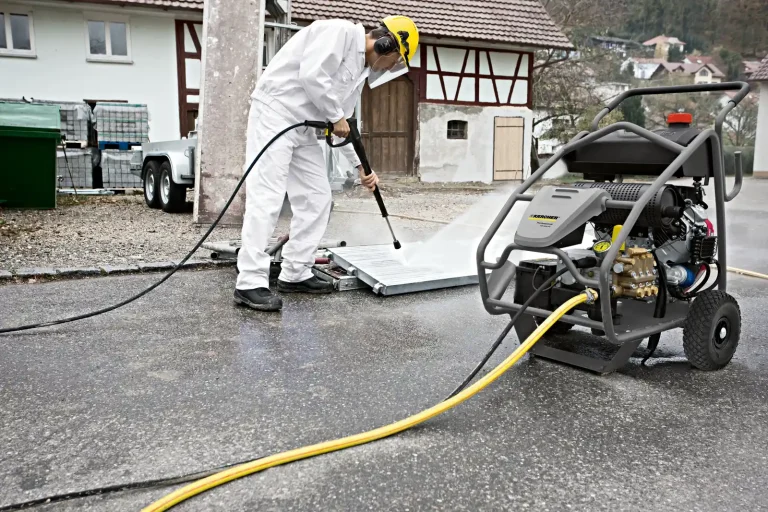
Pressure washers are an important tool in ensuring cleanliness, safety and efficiency in commercial and industrial practice. In contrast to the light-duty residential models, commercial and industrial pressure washers are designed to perform a strenuous workload, hard-to-clean surface, and extensive surface area on a day-to-day basis.
These machines can be found across manufacturing plants and warehouses through farms, construction sites, and transportation centers providing a consistent high-pressure cleaning which minimizes manual workload, enhances cleanliness and prolongs the service life of equipment and infrastructure. Knowing the difference between commercial and industrial pressure washers and the selection of the appropriate system is critical to the attainment of reliable and cost-effective cleaning outcomes.
Difference Between Residential, Commercial, and Industrial Pressure Washers
Pressure washers are not universal products. Although they might seem similar on the surface, residential, commercial and industrial pressure washers are designed to work very differently, under very different conditions and at very different performance levels. It is important to understand these differences in order to select the equipment that will provide reliable results and will not overwork, have high downtime, and unjustified cost.
Below is a detailed breakdown of how each category differs in terms of power, durability, usage, and real-world applications.
Residential Pressure Washers
Residential pressure washers are designed for light, occasional cleaning tasks around the home. These machines prioritize affordability, ease of use, and compact design over raw power and long-term durability.
Key Characteristics:
- PSI range typically between 1,300–2,500
- Lower water flow (1.2–2.5 GPM)
- Electric motors or small gas engines
- Lightweight axial pumps
- Short duty cycles
Common Uses:
- Cleaning patios, decks and sidewalks
- Washing vehicles, outdoor furniture, and fences
- Light driveway and siding cleaning
Residential units are not designed for extended runtimes or daily use. Continuous operation can cause pump overheating, pressure loss, and early mechanical failure. They are not suitable for grease, heavy soil, or industrial contaminants.
Commercial Pressure Washers
Commercial pressure washers fall between domestic units and heavy industrial pressure washing units. They are designed to be used more often, under pressure and have better durability and can be used by professional contractors cleaners and by commercial facilities.
Key Characteristics:
- PSI range typically between 2,500 PSI to 4,000 PSI
- Moderate to high flow rates (2.5–5 GPM)
- Electric, gas, or diesel power options
- Triplex plunger pumps for longer life
- Designed for repeated daily use
Common Uses:
- Restaurant and kitchen area cleaning
- Storefronts and retail spaces
- Parking garages and sidewalks
- Fleet washing and property maintenance
- Construction site cleanup
Business units provide high balance of power, portability and cost efficiency. They can deal with more difficult stains and more work without the infrastructure and investment of industrial systems.
Industrial Pressure Washers
Pressure washers used in industries are designed to run continuously in hard, and heavy usage in the most demanding conditions. To provide long-lasting performance during long run times, these machines are constructed using high output components as well as industrial grade materials.
Key Characteristics:
- PSI ranges from 3,000 PSI to 5,000 PSI
- High water flow (4–10+ GPM)
- Gas, diesel, or electric power
- Heavy-duty triplex or belt-drive pumps
- Skid-mounted or trailer-mounted configurations
- Designed for 8–12 hour daily operation
Common Uses:
- Manufacturing and production facilities
- Heavy equipment and machinery cleaning
- Oil, grease, and chemical removal
- Food processing sanitation
- Mining, agriculture, and oil & gas operations
Innovative pressure washers used in industries provide better cleaning speed, efficiency and reliability. High GPM systems work over a vast area and accomplishment of hot water and steam selections are able to enhance the outcomes of the results when it comes to the process of cleaning and sanitation significantly.
Types of Pressure Washers
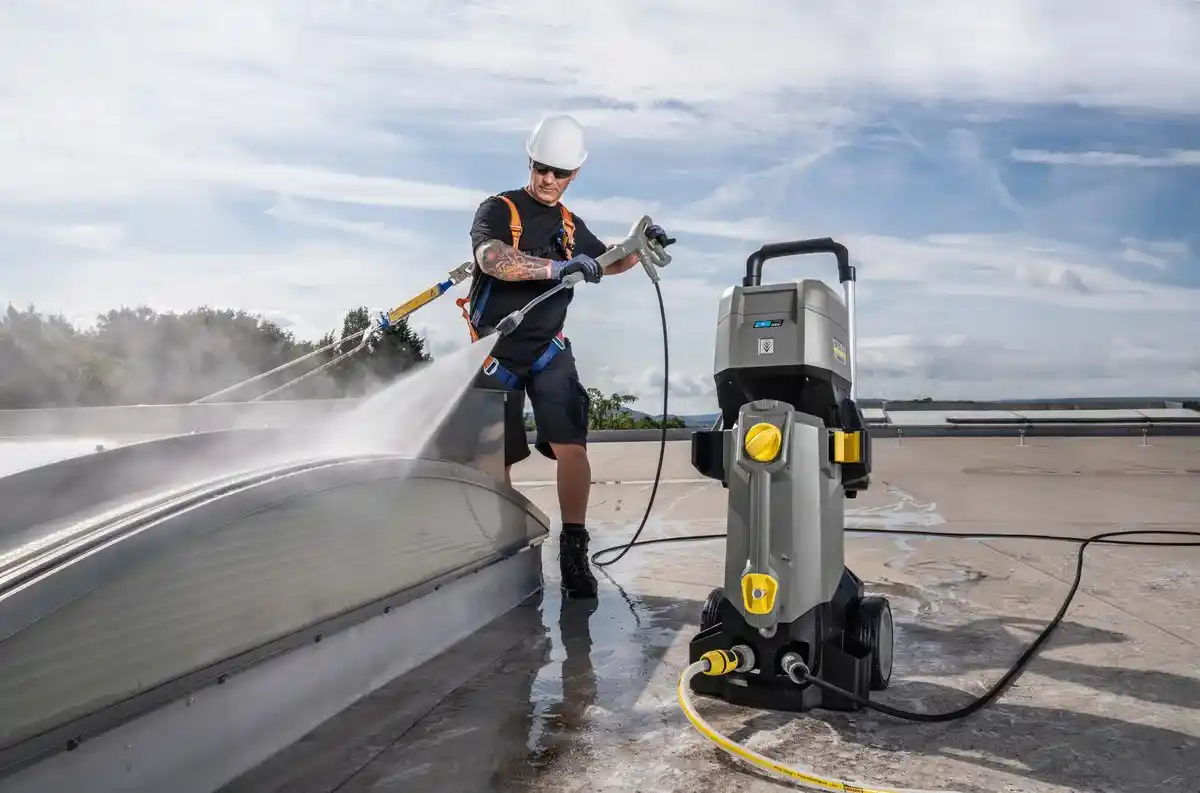
Commercial and industrial pressure washers are available in multiple configurations to suit a wide range of cleaning requirements. The primary distinction between these systems lies in water temperature, which directly affects cleaning efficiency, chemical usage, and application suitability. Selecting the right type of pressure washer ensures faster results, better surface protection, and lower operational costs.
Cold Water Pressure Washers
The most popular and economically viable system of pressure washing in industries is cold water pressure washers. They do not use heat to remove contaminants on surfaces but use high pressure flow of water.
Consequently, pressure washers of cold-water are common in cleaning up construction sites, cleaning agricultural equipment and in the maintenance of warehouses and overall facilities in which grease and oil have not been the main focus.
- Most common and cost-effective
- Ideal for removing dirt, mud, dust, and debris
- Used in construction, agriculture, and general maintenance
Hot Water Pressure Washers
The pressure washers that are of hot water inject heat into the cleaning process and their capacity to dissolve the stubborn contaminants is greatly enhanced. These machines are able to dissolve grease, oil and heavy grime by heating water to elevated temperatures compared to cold water systems.
This renders the use of hot water pressure washers an important tool in an industrial setting whereby machinery, engines, and equipment are prone to oily deposits. Heated water also lowers the use of severe chemicals and decreases the time taken in the cleaning process thereby enhancing productivity. Hot water pressure washers are utilized in industries that require deep cleaning and sanitation like manufacturing, automotive services, food processing, and fleet maintenance industries.
- Heated water dissolves grease, oil, and grime
- Essential for industrial equipment cleaning
- Reduces cleaning time and detergent use
Steam Pressure Washers
The use of steam pressure washers is the most developed type of specialized industrial cleaning agent. These systems are used at very high temperatures but with less amount of water and regulated pressure.
Steam pressure washers are specifically useful in the setting where hygiene levels are high or water consumption is limited, like food and beverage manufacturing plants, pharmaceutical manufacturing plants, health care settings and industrial kitchens. They are highly useful in cleaning up precision cleaning operations because of their capacity to sanitize and de-grease effectively and thus cleanliness and safety are paramount in such operations.
- High temperature with lower water volume
- Used for sanitation and degreasing
- Common in food processing and healthcare facilities
Key Specifications: PSI, GPM, and Cleaning Units
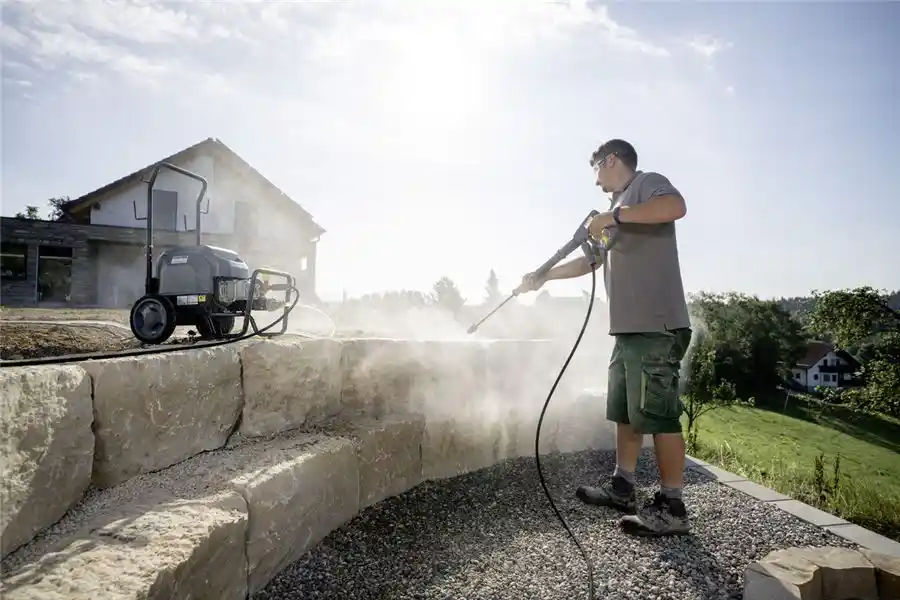
When choosing a commercial or industrial pressure washer, it is important to understand the major performance specifications to be able to select the equipment that fits the cleaning needs. PSI, GPM and Cleaning Units are the three most significant specifications to consider. Collectively, these measures define the degree to which a pressure washer will be powerful, efficient and productive in the actual practice.
PSI (Pounds per Square Inch)
- Determines cleaning force
- Higher PSI removes tougher contaminants
- Industrial units often exceed 4,000 PSI
GPM (Gallons Per Minute)
- Controls rinsing speed and coverage
- Higher GPM cleans larger areas faster
- Industrial washers typically range from 4–10+ GPM
Cleaning Units (CU)
- PSI × GPM = Cleaning Units
- Provides a balanced measure of performance
- Higher CU equals faster and more effective cleaning
For industrial applications, GPM often matters more than PSI for productivity.
Motor, Engine, and Pump Types
The performance, reliability, and lifespan of a commercial or industrial pressure washer depend heavily on the type of motor, engine, and pump it uses. These core components determine how much power the machine can produce, how long it can run continuously, and how well it withstands demanding operating conditions.
Electric Motors
Electric-driven pressure washers are ideal for facilities with access to reliable power and where exhaust fumes are a concern, such as warehouses, food processing plants, and healthcare facilities. They also require less maintenance than engine-powered units, making them a cost-effective option for routine cleaning tasks.
- Quiet operation
- Low emissions
- Ideal for indoor use
- Requires reliable power supply
Gas and Diesel Engines
Gasoline and diesel engines are preferred for high-power and outdoor pressure washing applications. These engines deliver greater output than electric motors and allow machines to operate independently of electrical power sources. Diesel engines, in particular, are known for durability, fuel efficiency, and long run times, making them suitable for industrial and heavy-duty commercial use.
- Higher power output
- Portable and independent of electricity
- Suitable for remote or outdoor locations
Pump Types
The pump is the heart of a pressure washer, responsible for pressurizing water and delivering consistent flow. Commercial and industrial pressure washers typically use triplex plunger pumps, which are designed for high efficiency, smooth operation, and long service life. These pumps can handle continuous use and high pressures without overheating.
- Axial Pumps: Entry-level commercial use
- Triplex Plunger Pumps: Industrial-grade durability and efficiency
- Belt-Drive Pumps: Lower heat and extended pump life
Pump quality directly affects lifespan and maintenance frequency.
Portable, Skid-Mounted, and Trailer-Mounted Units
Commercial and industrial pressure washers come in various configurations to meet different operational needs, mobility requirements, and site conditions. Selecting the right unit depends on factors such as the size of the area to be cleaned, the frequency of use, accessibility, and whether the cleaning task is mobile or fixed. The three most common configurations are portable, skid-mounted, and trailer-mounted units.
Portable Units
Portable pressure washers are compact, lightweight, and easy to maneuver, making them ideal for smaller commercial operations or contractors who need flexibility. These units can be carried by hand or transported on small carts, allowing operators to move quickly between different areas of a facility or job site.
- Compact and maneuverable
- Ideal for contractors and facility maintenance
- Easy storage and transport
Skid-Mounted Systems
Skid-mounted pressure washers are designed for semi-permanent installation. The unit is mounted on a durable frame, often integrated with water tanks, fuel systems, or heating elements. These machines are typically used in industrial facilities, warehouses, or manufacturing plants where cleaning tasks are frequent and require consistent power.
- Designed for permanent installation
- Integrated with water tanks and heating systems
- Used in factories and processing plants
Trailer-Mounted Pressure Washers
Trailer-mounted pressure washers are built for mobility and high-capacity cleaning over large areas. These units are mounted on trailers for easy transport and are commonly used in construction sites, municipal projects, transportation yards, and large industrial facilities. Trailer-mounted systems can accommodate large water tanks, hot water or steam capabilities, and high-flow pumps, allowing operators to clean extensive surfaces quickly and efficiently.
- High-output mobile cleaning
- Ideal for large sites and fleet washing
- Often used in municipal and industrial operations
Selecting the right mounting configuration ensures efficiency and ease of use.
Industrial Pressure Washer Applications
Industrial pressure washers are essential tools in environments where heavy contamination, large surface areas, and strict cleanliness standards are part of daily operations. Pressure washing technology is adaptable across nearly every industry, including:
Industrial pressure washers are used across a wide range of demanding environments:
Industrial Pressure Washer Applications
- Manufacturing and Production Facilities:
Industrial pressure washers are used to clean production floors, machinery, molds, and workstations by removing oil, dust, metal shavings, and chemical residue. Regular high-pressure cleaning supports equipment efficiency, workplace safety, and consistent production quality. - Heavy Equipment and Machinery Cleaning:
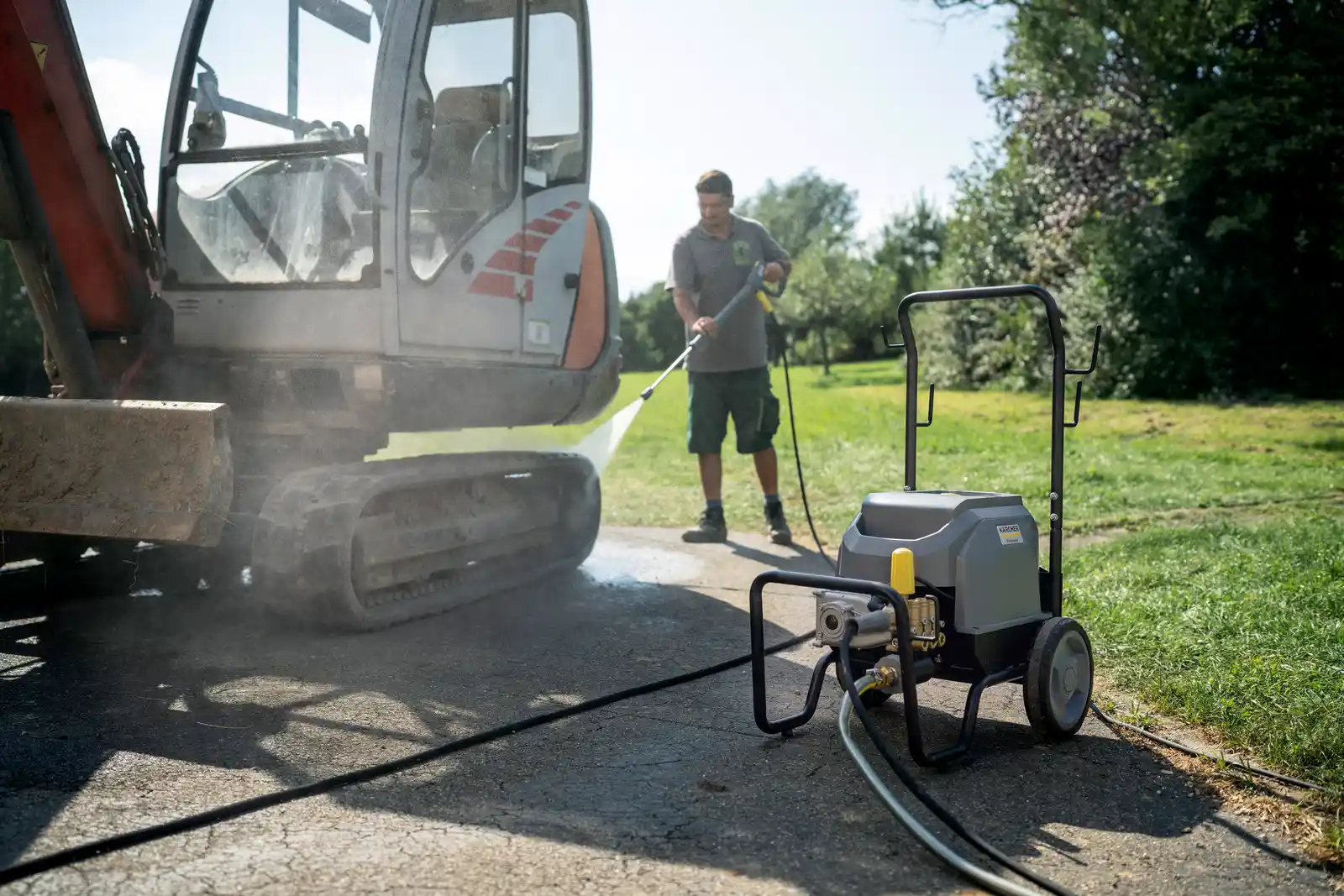
These systems effectively remove grease, hydraulic oil, and compacted dirt from heavy machinery such as excavators, loaders, conveyors, and processing equipment. Routine pressure washing extends equipment lifespan and simplifies maintenance and inspections. - Construction, Mining, and Industrial Sites:
On active job sites, industrial pressure washers are used to clean tools, vehicles, and structural surfaces by removing concrete splatter, mud, and debris. Their rugged design allows reliable operation in harsh outdoor environments. - Food Processing and Sanitation:
Industrial pressure washers, particularly hot water and steam systems, play a critical role in cleaning production lines, floors, drains, and equipment. They help eliminate grease, food residue, and bacteria while supporting compliance with strict hygiene and safety regulations. - Transportation and Fleet Maintenance:
Fleet operators and logistics facilities use industrial pressure washers to clean trucks, trailers, buses, railcars, and service vehicles. High-flow systems enable faster washing, while hot water removes road grime, oil, and fuel residue efficiently. - Agriculture and Farming Operations:
In agricultural settings, pressure washers are used to clean tractors, harvesters, barns, pens, and processing areas. Removing soil, organic waste, and residue helps prevent corrosion and supports biosecurity and sanitation practices. - Oil, Gas, and Energy Sector:
Industrial pressure washers are essential for cleaning drilling equipment, pipelines, tanks, and processing areas exposed to grease, chemicals, and hazardous materials. Regular cleaning improves safety and operational efficiency in high-risk environments. - Warehouses and Distribution Centers:
These machines support large-scale floor cleaning, loading dock maintenance, and equipment sanitation. High-GPM pressure washers reduce downtime by cleaning expansive areas quickly and effectively. - Municipal and Public Infrastructure:
Municipal agencies use industrial pressure washers for maintaining roads, sidewalks, bridges, public spaces, and infrastructure. Applications include graffiti removal, surface preparation, and routine maintenance to keep public areas clean and safe.
Conclusion
Choosing the right pressure washer for commercial and industrial uses is a strategic decision that impacts productivity, safety, and operational costs. By understanding machine types, specifications, applications, and maintenance requirements, businesses can invest confidently in equipment that delivers long-term value.
If you’re looking to upgrade your cleaning operation, select the right industrial pressure washer, or design a custom cleaning solution, consult with experienced professionals who understand your industry’s demands.
Get expert guidance from Pressure King, request a customized system, or explore high-performance pressure washers built for your toughest jobs today.

Michael Adeniran is the CEO of Pressure King Inc. He has been dealing in commercial cleaning equipment for many years. He is one of the leading specialists and experts in commercial cleaning products.


