


Michael Adeniran is the CEO of Pressure King Inc. He has been dealing in commercial cleaning equipment for many years. He is one of the leading specialists and experts in commercial cleaning products.


Maintaining a clean house is not only a task, but it is a necessity for a comfortable and healthy home. However, with all these choices of vacuums in the market, it is easy to become confused when it comes to choosing between a canister vacuum and an upright vacuum. Canister VS Upright Vacuum is not only a question of style but also a question of functionality, efficiency, and the ability to select the appropriate tool to suit your particular home needs.
It can be plush carpets or hardwood floors or awkward staircases, but no matter which type of floors you are working with, being aware of the differences between upright vs canister vacuum will help you make the right decision. This manual explores the design, performance, maneuverability, and other important considerations to enable you to make a decision on which type of vacuum cleaner, an upright or canister one, fits your cleaning schedule.
By the end of this blog, you will not only be aware of their advantages and disadvantages, but you will also learn which one will help you clean faster, easier, and more effectively.
Understanding the Basics: Canister vs Upright Vacuum
Before diving into the comparison, it’s important to understand what sets these two types of vacuums apart.
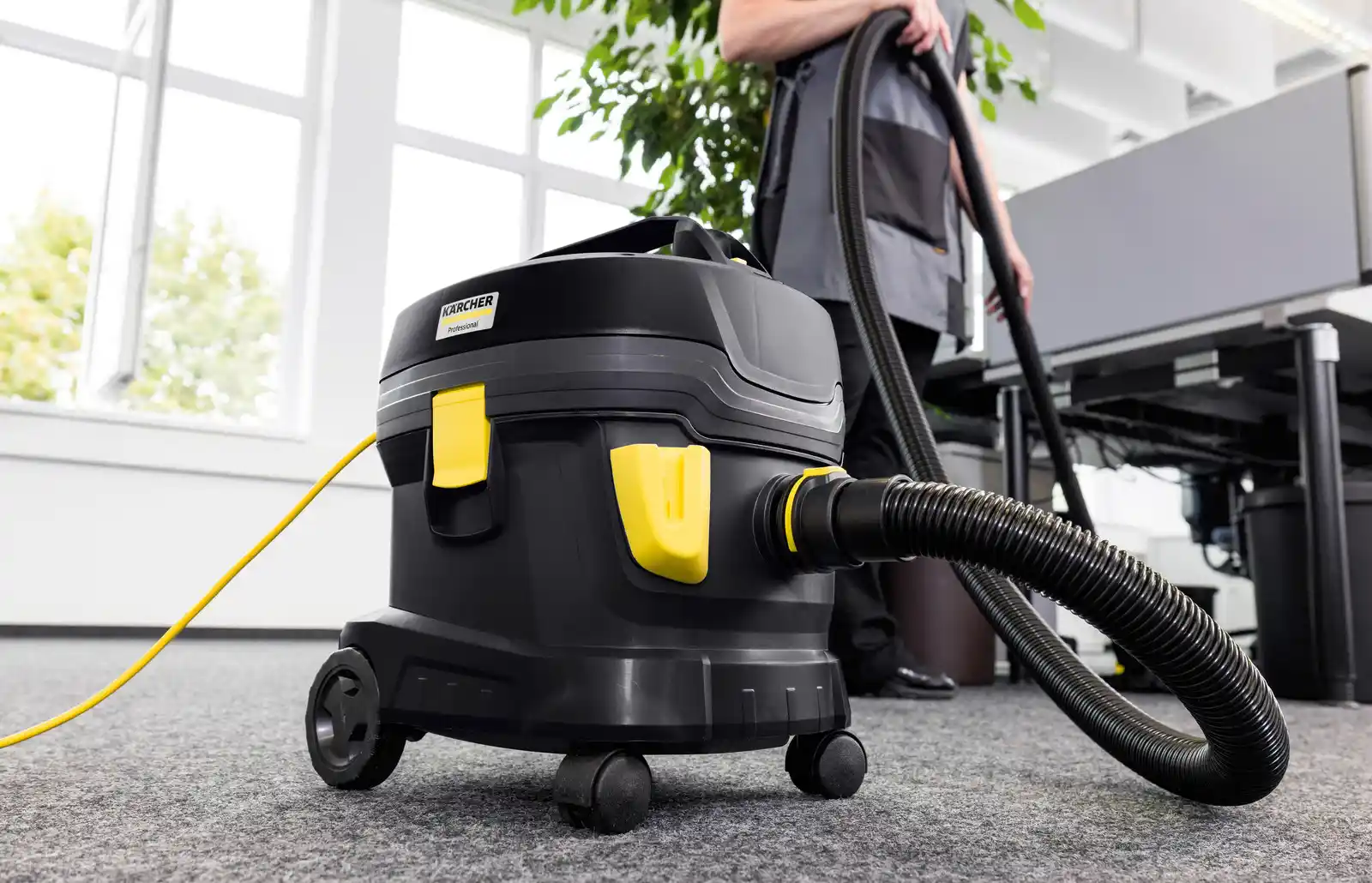
Canister vacuums are composed of a separate motor and dust collection chamber (the canister) connected to a suction hose and wand. They are usually light, bendable and can be maneuvered easily, especially around furniture, stairways, and tight areas.
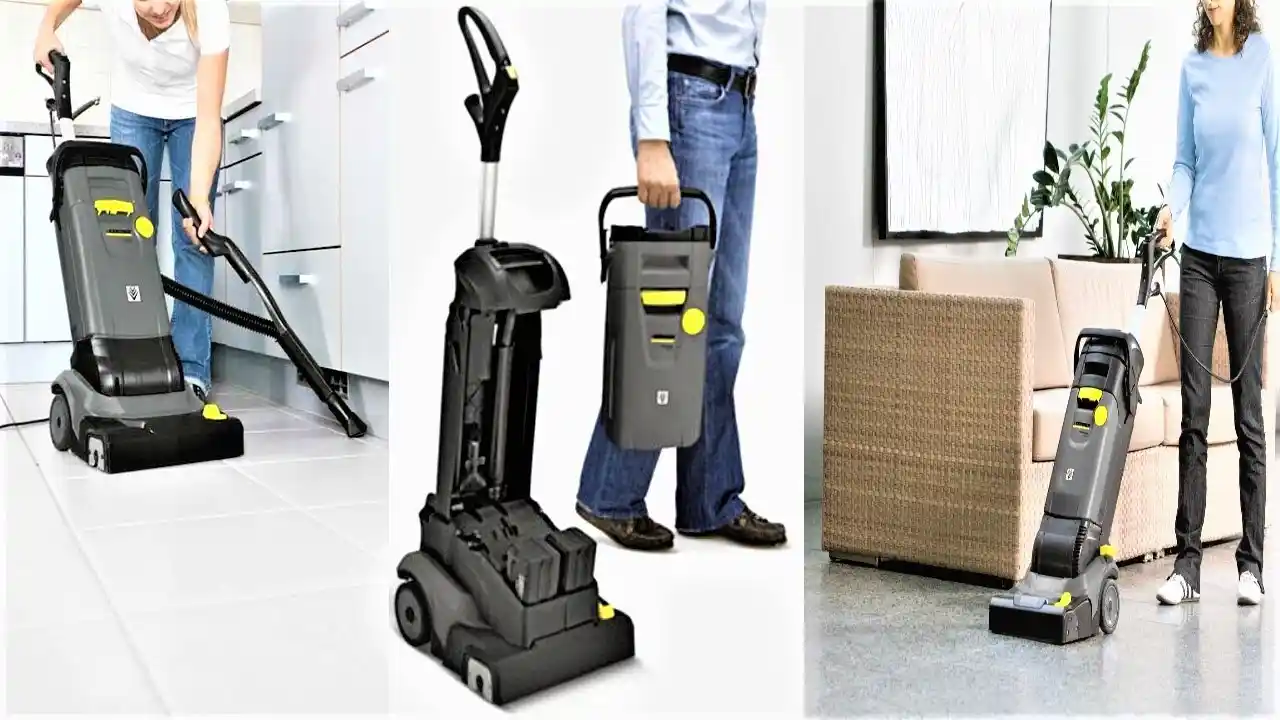
Upright vacuums, on the other hand ,put the motor, roller, and dust collection unit into a single unit. They weigh more and are normally designed to cover big areas on the floor at a fast rate, hence suitable on a large carpeted floor.
Upgrade your cleaning routine with the right vacuum cleaner for your home. Explore powerful, efficient vacuum options designed for carpets, hardwood floors, and everyday messes—clean smarter, faster, and with confidence.
Design Differences: Canister VS Upright Vacuum
1. Canister Vacuum Design Features
The hallmark of a canister vacuum is its separate motor and dust container. This design offers:
- Flexible hose and wand: Easily reaches under furniture, around tight corners, and up stairs.
- Lightweight wand: Minimizes strain on your arms and wrists, making long cleaning sessions more comfortable.
- Compact storage: The canister itself is often small enough to fit into closets or under cabinets.
- Attachment versatility: Comes with a variety of heads for carpet, hard floors, upholstery, and more.
These features make canister vacuums highly adaptable, ideal for multi-surface homes, and a top choice for choosing between the best floor cleaning machines from Pressure King.
2. Upright Vacuum Design Features
Upright vacuums integrate the motor, brush roll, and dust container into one unit. Key design aspects include:
- Integrated floor head: The brush roll is built-in, which makes carpet cleaning more effective.
- Heavier frame: Provides stability and strong suction but can be cumbersome on stairs or multi-level homes.
- Large cleaning path: Covers more ground with each pass, reducing overall cleaning time.
- Self-propelled options: Many models reduce manual effort by moving forward with motor assistance.
These characteristics make upright vacuums ideal for homes with extensive carpeting or for those who prefer a single, ready-to-use unit. When deciding canister vacuum vs upright vacuum, design often plays a crucial role in user comfort and cleaning efficiency.
Cleaning Performance: Carpet vs Hard Floors
Cleaning performance is one of the significant elements in Canister VS Upright Vacuum. It might happen that one of the two types of vacuum is more appropriate than the other depending on the surfaces in your house.
A. Carpet Cleaning
In the case of carpets, the upright vacuum cleaners are usually better than the canister ones. The in-built brush roll spins carpet fibers and lifts dirt, pet hair, and dirt better. Dense or plush carpets have the advantage of the deep-cleaning capability of upright vacuum over canister models.
Nevertheless, canister vacuums cannot be fully defeated. Most of them are equipped with motorized or rotating brush heads that are capable of dealing with carpets of medium pile. However, in most houses that are mostly carpeted, the choice of vacuum is more inclined to the upright type because of its steady suction and its integrated design.
B. Hard Floor Cleaning
On rough flooring, the benefits go to canister vacuums. Their light-weight wand and variable suction mean that they work well on hardwood, tile, and laminate or other sensitive surfaces. In contrast to the uprights that may scratch or leave streaks on delicate floors, canister vacuums move without difficulties and provide the ability to clean the floors accurately.
Besides, canister vacuum is easy to clean around furniture and dark corners since they are flexible, and this is where upright vacuums fail. Flooring type is the determining factor when it comes to canister vacuum vs upright vacuum.
C. Versatility and Attachments
Another aspect to consider is versatility. Canister vacuums typically come with a variety of attachments, such as:
- Crevice tools for corners and edges
- Upholstery brushes for sofas and curtains
- Dusting heads for shelves and delicate surfaces
The upright types of vacuums are less versatile in terms of attachments but usually come with other features such as motorized brush rolls and broad cleaning paths. In case of houses of mixed flooring, the dilemma of upright versus canister vacuum usually reduces to the choice of attachment and being multi-surface-adaptive.
Maneuverability and Ease of Use
Ease of use is a key consideration in the canister vs upright vacuum pros and cons discussion. How easy a vacuum is to move, lift, and handle can drastically affect your cleaning experience.
A. Canister Vacuum Maneuverability
- Lightweight wand: Reduces strain on arms and wrists, making extended cleaning easier.
- Flexible hose: Allows access to tight spaces, corners, and stairs.
- Compact canister: Can be pulled along behind you while you clean, minimizing effort.
These features make canister vacuums ideal for multi-level homes, apartments, and areas with furniture or other obstacles. Users often report that using a canister is less tiring, especially for detailed or prolonged cleaning sessions.
B. Upright Vacuum Maneuverability
- Integrated design: Push and pull across floors with minimal setup.
- Self-propelled options: Many models reduce the physical effort required.
- Swivel steering: Modern uprights can navigate around furniture more easily than older models.
However, the heavier weight and rigid design of uprights can make them cumbersome on stairs or when moving from room to room. Therefore, when choosing upright or canister vacuum, consider how much maneuverability matters in your home layout.
Storage and Portability
Storage and portability are crucial in the canister vs upright vacuum pros and cons debate, especially for those with limited closet space or multi-level homes.
A. Canister Vacuum Storage
- Smaller footprint: Detachable components allow the canister to fit into tight spaces.
- Separate hose and wand: Can be stored alongside the canister for compact storage.
- Lightweight and portable: Easy to lift and carry up and down stairs.
For those living in apartments or homes with limited storage, a canister vacuum is often the preferred option. The ability to store the canister and wand separately makes it much easier to keep your home organized.
B. Upright Vacuum Storage
- Larger vertical footprint: Requires more closet or corner space.
- All-in-one design: No setup required before use, which is convenient for quick cleaning.
- Heavier weight: Can be difficult to carry between floors or store in tight spaces.
Despite the larger size, many upright vacuums offer upright storage modes and compact designs that can fit into a closet or utility room. When evaluating upright vs canister vacuum, storage requirements and portability can be a deciding factor for households with limited space.
Maintenance and Durability
Maintenance is a crucial aspect to consider when comparing canister vacuum vs upright vacuums. A vacuum that requires constant repairs or difficult upkeep can become more of a burden than a cleaning tool.
A. Canister Vacuum Maintenance
- Dust bin or bag: Canister vacuums often use removable dust bags or bins, which are simple to empty and clean.
- Hose care: Flexible hoses occasionally clog and need clearing, but proper usage minimizes issues.
- Brush and attachment care: Most attachments are easy to detach and clean.
- Longevity: Canister vacuums tend to have durable motors and fewer moving parts, increasing their lifespan.
B. Upright Vacuum Maintenance
- Brush roll maintenance: Motorized brush rolls accumulate hair and fibers, requiring regular cleaning.
- Dust container: Bagless uprights need frequent emptying to maintain suction.
- Belt and motor upkeep: Belts may wear over time, especially in models with high suction power.
- Durability: Upright vacuums are sturdy, but heavy use on stairs or uneven surfaces can affect longevity.
Considering canister vs upright vacuum pros and cons, canister models often require slightly more setup but are easier to maintain in the long run. Uprights are convenient but demand more frequent brush and belt checks.
Cost Difference Between Canister and Upright Vacuums
When deciding between canister vacuum vs upright vacuum, cost is often a major factor. While both types cover a wide range of prices, understanding the cost difference can help you make a smarter investment.
A. Canister Vacuum Costs
- Entry-level models: Typically range from $100–$200. These are basic models suitable for small apartments or homes with hard floors.
- Mid-range models: Between $200–$400, often featuring HEPA filters, adjustable suction, and multiple attachments. Ideal for multi-surface cleaning and households with pets.
- Premium models: $400 and above. High-end canister vacuums offer advanced filtration, powerful motors, specialized brushes, and longer warranties.
Canister vacuums often come with additional accessories, which may increase upfront costs but enhance versatility and long-term value.
B. Upright Vacuum Costs
- Entry-level models: $80–$200, ideal for small carpeted spaces or budget-conscious buyers.
- Mid-range models: $200–$400, typically including motorized brush rolls, bagless designs, and self-propelled options.
- Premium models: $400+, featuring smart sensors, LED lighting, multiple floor settings, and advanced suction technology.
Upright vacuums tend to be slightly cheaper than canister models at the entry-level but may require replacement parts, such as belts or brush rolls, over time.

Conclusion
The comparison of canister vs. upright vacuums highlights that both vacuum types have unique advantages. Canister vacuums excel in maneuverability, multi-surface cleaning, and quieter operation, making them ideal for homes with stairs, furniture, and delicate flooring. Upright vacuums provide strong suction, efficient carpet cleaning, and large area coverage, making them perfect for open, carpeted spaces. Ultimately, understanding your flooring, layout, and cleaning needs is the key to making the best choice. Whether you select an upright vacuum vs canister or a canister vacuum vs upright vacuum, the right tool from Pressure King will ensure a cleaner, healthier, and more comfortable living environment for years to come.
Frequently Asked Questions
Why canister vacuum vs upright?
A canister vacuum vs upright vacuum offers different advantages. Canisters are lightweight, versatile, and ideal for stairs, hard floors, and tight spaces, while uprights provide powerful suction and fast carpet cleaning. The choice depends on your flooring, home layout, and cleaning needs.
What is better, a canister vacuum or an upright vacuum?
Choosing between a canister vacuum or an upright vacuum depends on your home. Canisters excel on hard floors, stairs, and detailed cleaning, while uprights are stronger on carpets and large areas. Assess your floors, mobility needs, and storage space to determine the best fit.
What are the disadvantages of an upright vacuum?
Upright vacuum disadvantages include heavier weight, limited maneuverability around furniture or stairs, higher noise levels, and frequent brush roll maintenance. While powerful for carpets, they can be cumbersome for multi-floor homes and may scratch delicate flooring surfaces.
Are canister vacuums better for hardwood floors?
Yes, canister vacuums are generally better for hardwood floors. Their lightweight wand, adjustable suction, and soft brush heads allow gentle cleaning without scratching or damaging delicate surfaces, making them ideal for hard floors, tiles, and laminate.
What type of vacuum has the best suction?
Upright vacuums typically offer the best suction, especially for carpets, due to integrated motorized brush rolls and heavier design. High-end canisters can match this, but for deep carpet cleaning and debris removal, uprights generally provide stronger suction.
Are canister vacuums more powerful?
Canister vacuums can be very powerful, particularly on hard floors and multi-surface cleaning. While they may have less suction on deep carpets compared to upright vacuums, they offer versatility, adjustable power, and efficient performance for stairs, upholstery, and delicate flooring.