


Michael Adeniran is the CEO of Pressure King Inc. He has been dealing in commercial cleaning equipment for many years. He is one of the leading specialists and experts in commercial cleaning products.


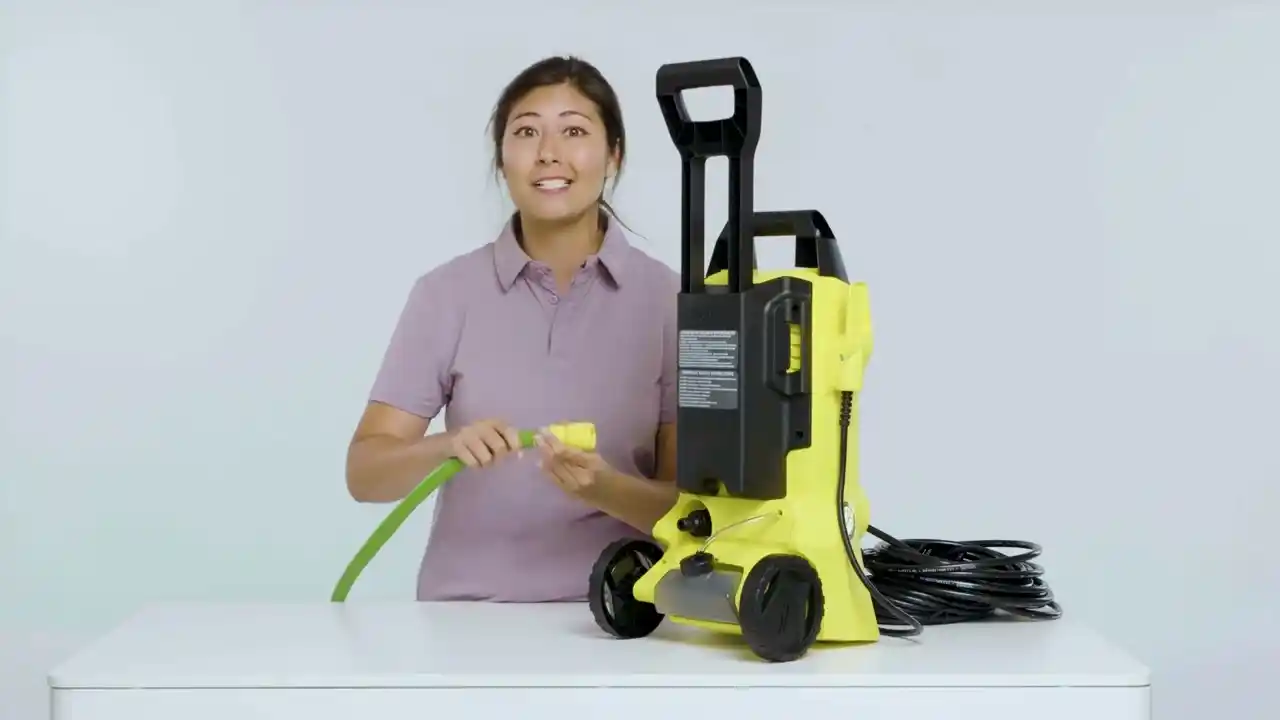
Attaching a hose to your pressure washer correctly is one of the most important steps for safe, effective, and long-lasting operation. Whether you are cleaning your driveway, patio, sidewalks, or commercial surfaces, doing it the right way ensures optimal water flow, consistent pressure, and protection for your washer’s pump. Improper hose attachment can lead to leaks, low pressure, damage to the equipment, or even personal injury. At Pressure King Inc, we provide high-quality industrial and commercial pressure washers, hoses, surface cleaners, and accessories designed to make these tasks safe and efficient.
This guide will explain how to attach hose to pressure washer, different hose types, fitting options, troubleshooting common issues, safety tips, maintenance advice, and even advanced tips for commercial cleaning. Keywords like attaching hose to pressure washer, pressure washer to attach to hose, how to hook up power washer, and water hose power wash attachment are naturally incorporated throughout to help you find this guide easily.
Why Proper Hose Attachment Matters
Connecting a hose incorrectly can lead to serious problems. Leaks reduce cleaning efficiency, kinks restrict water flow, and poor fittings can cause damage to the pump or spray gun. Using a pressure washer to attach to hose correctly ensures consistent pressure and safe operation. High-pressure washers can be dangerous if a hose disconnects under pressure, potentially causing injury or damaging surrounding surfaces. A properly connected hose guarantees smoother water flow, protects the equipment, and allows your pressure washer to deliver its full cleaning potential.
Proper hose attachment also enables the safe use of surface cleaners, extension hoses, and other accessories. Without a secure connection, these tools may not function correctly, reducing cleaning performance and efficiency.
Understanding the Basics: What It Means to Attach a Hose
Attaching a hose to a pressure washer involves connecting your water supply to the washer’s inlet and linking the high-pressure hose to the spray gun or wand. It sounds simple, but the process includes several critical factors:
- Fitting compatibility: Threaded, quick-connect, or adapter fittings must match both the washer and hose.
- Pressure ratings: Hoses must withstand the PSI and GPM of the washer.
- Water flow: A proper connection ensures adequate flow to avoid pump damage.
- Accessory readiness: A correctly attached hose allows the use of surface cleaners, nozzles, and extension hoses without compromising performance.
At Pressure King Inc, we emphasize matching hoses and fittings with the correct washer type to prevent premature wear and improve cleaning efficiency for both industrial and commercial applications.
Types of Hoses Used with Pressure Washers
Choosing the right hose is critical for safe and efficient cleaning. There are several types of hoses designed for different tasks and pressure ranges:
Standard High-Pressure Hose
This hose type handles residential and light commercial PSI ratings. They usually come with quick-connect fittings and are suitable for general cleaning tasks like driveways, patios, vehicles, and decks. Standard hoses are flexible, easy to manage, and ideal for homeowners or casual users.
Commercial and Industrial Hoses
Commercial hoses are built for heavy-duty cleaning and frequent use. They are rated for higher PSI and GPM, often reinforced with braided steel or durable rubber. Industrial hoses are ideal for contractors, property managers, and cleaning businesses. Pressure King Inc offers commercial hoses designed to withstand repeated use while maintaining optimal flow and safety.
Extension Hoses
Extension hoses allow you to reach distant areas without moving the washer. They must match the PSI and GPM rating of your main hose to maintain pressure. They are particularly useful for large commercial areas, driveways, or areas with landscaping that makes moving the washer difficult.
Signs You’re Not Attaching the Hose Correctly
Even if your hose is connected, certain issues indicate improper attachment:
- Water leaks at the connection – usually caused by missing washers or improperly seated fittings.
- Low or inconsistent pressure – often caused by kinks, incompatible hose, or trapped air.
- Twisted or kinked hose – restricts water flow and can damage the hose.
- Difficulty bleeding air from the system – indicates a loose or poorly sealed connection.
- Loose fittings – can cause leaks, reduced cleaning performance, or sudden disconnection during use.
Recognizing these issues early prevents damage, improves cleaning efficiency, and keeps the pressure washer safe.
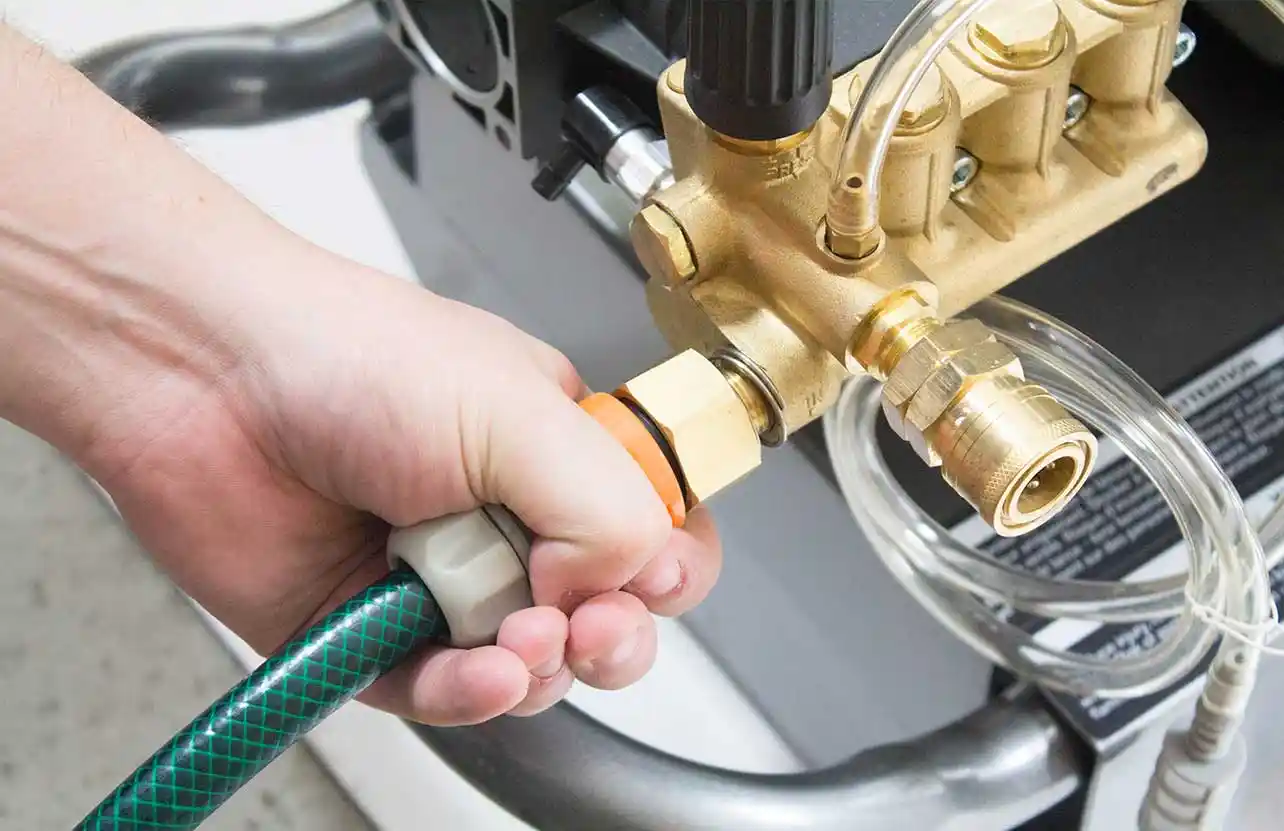
Tools and Materials Needed
Before connecting a hose to your pressure washer, gather the following:
- Pressure washer with compatible inlet and spray gun
- Garden hose or water source connection
- Washers or gaskets for threaded fittings
- High-pressure hose and spray gun
- Quick-connect or threaded adapters (if needed)
- Optional: hose reel, extension hose, surface cleaner, turbo or adjustable nozzles
Having all materials ready ensures a secure connection and reduces the risk of mistakes.
Safety and Preparation Tips
Safety is essential when working with high-pressure water. Follow these preparation tips before attaching a hose:
- Always turn off and depressurize the washer before making connections.
- Inspect hoses and fittings for damage, wear, or cracks.
- Ensure washers or gaskets are installed to prevent leaks.
- Avoid kinking or twisting the hose; use a hose reel if needed.
- Verify that the water source provides adequate flow to prevent pump damage.
- For hot water washers, ensure proper heat protection for yourself and the hose.
Following these steps prevents accidents, equipment damage, and reduces the chance of leaks or burst hoses.
Step-by-Step Guide to Attaching a Hose to a Pressure Washer
Attaching a hose correctly to your pressure washer is essential for safety, performance, and equipment longevity. Whether you are using a industrial washer or a commercial unit from Pressure King Inc, following these steps ensures proper water flow, consistent pressure, and prevents leaks or pump damage.
Step 1: Turn Off and Depressurize the Washer
Always make sure the pressure washer is completely turned off and depressurized before attaching any hoses. This prevents sudden water surges that can damage the pump or fittings. Even for commercial pressure washers, skipping this step can lead to costly repairs or personal injury.
Step 2: Inspect the Hose and Fittings
Examine your high-pressure hose for any signs of cracks, bulges, or wear. Check that all fittings are compatible with your washer’s inlet and rated for the correct PSI and GPM. Using a hose that does not meet your washer’s specifications can result in leaks or reduced cleaning efficiency.
Step 3: Connect to the Water Source
Attach your garden hose to a clean faucet, ensuring washers or gaskets are properly installed to prevent leaks. Open the faucet fully to provide steady water flow. For larger commercial setups, consider using a dedicated water line or a high-capacity hose to maintain consistent supply.
Step 4: Attach the Hose to the Pressure Washer
For quick-connect fittings, insert the male end into the washer’s inlet and pull back the locking collar to secure it. For threaded connections, align the threads carefully and twist clockwise until snug, but avoid over-tightening to prevent damage to the fittings. Proper connection is crucial for maintaining pressure and preventing leaks during operation.
Step 5: Turn on the Water Supply
Slowly open the water supply to allow the pressure washer to fill completely. Starting the washer before the system is full can cause cavitation and damage the pump, especially for hot water or commercial-grade machines.
Step 6: Bleed Air from the Hose
Before powering the washer, pull the trigger on the spray gun briefly to release any trapped air. Bleeding the system ensures smooth water flow, eliminates sputtering, and maintains consistent pressure for efficient cleaning. This is particularly important for high-pressure or commercial washers that require maximum performance.
Step 7: Test the System
Before tackling a full cleaning job, test the washer on a small area. Confirm that the hose is secure, water flow is steady, and pressure is consistent. This final check helps identify any leaks, kinks, or loose fittings before you begin cleaning, protecting both your equipment and surfaces.
By following these steps, you can safely and efficiently attach a hose to any pressure washer. Whether using a industrial unit or a commercial pressure washer from Pressure King Inc, proper setup ensures optimal performance, prevents damage, and extends the life of your washer and hoses. Using the right water hose power wash attachment and ensuring correct connections are crucial for both industrial and professional cleaning applications.
Common Mistakes When Attaching a Hose
- Skipping washers or gaskets, causing leaks
- Over-tightening threaded connections
- Ignoring PSI or GPM compatibility
- Starting the washer before filling with water
- Kinking or twisting the hose during use
Avoiding these mistakes protects both the operator and the equipment.
Troubleshooting Hose Connection Issues and Maintaining Your Pressure Washer
Even with proper setup, issues with hoses can occur. Knowing how to troubleshoot and maintain your pressure washer ensures safety, prevents damage, and extends the life of your equipment.
Water Leaks: If you notice leaks at the connection, first check that washers or gaskets are properly installed. Tighten all connections carefully, and inspect hoses and fittings for cracks or wear. Leaks are often caused by worn parts or loose attachments.
Low Pressure: Low water pressure can be caused by hoses not rated for your washer’s PSI, kinks in the hose, or trapped air. Straighten any twists, verify the hose rating matches your washer, and bleed air by briefly pulling the trigger on the spray gun to restore proper flow.
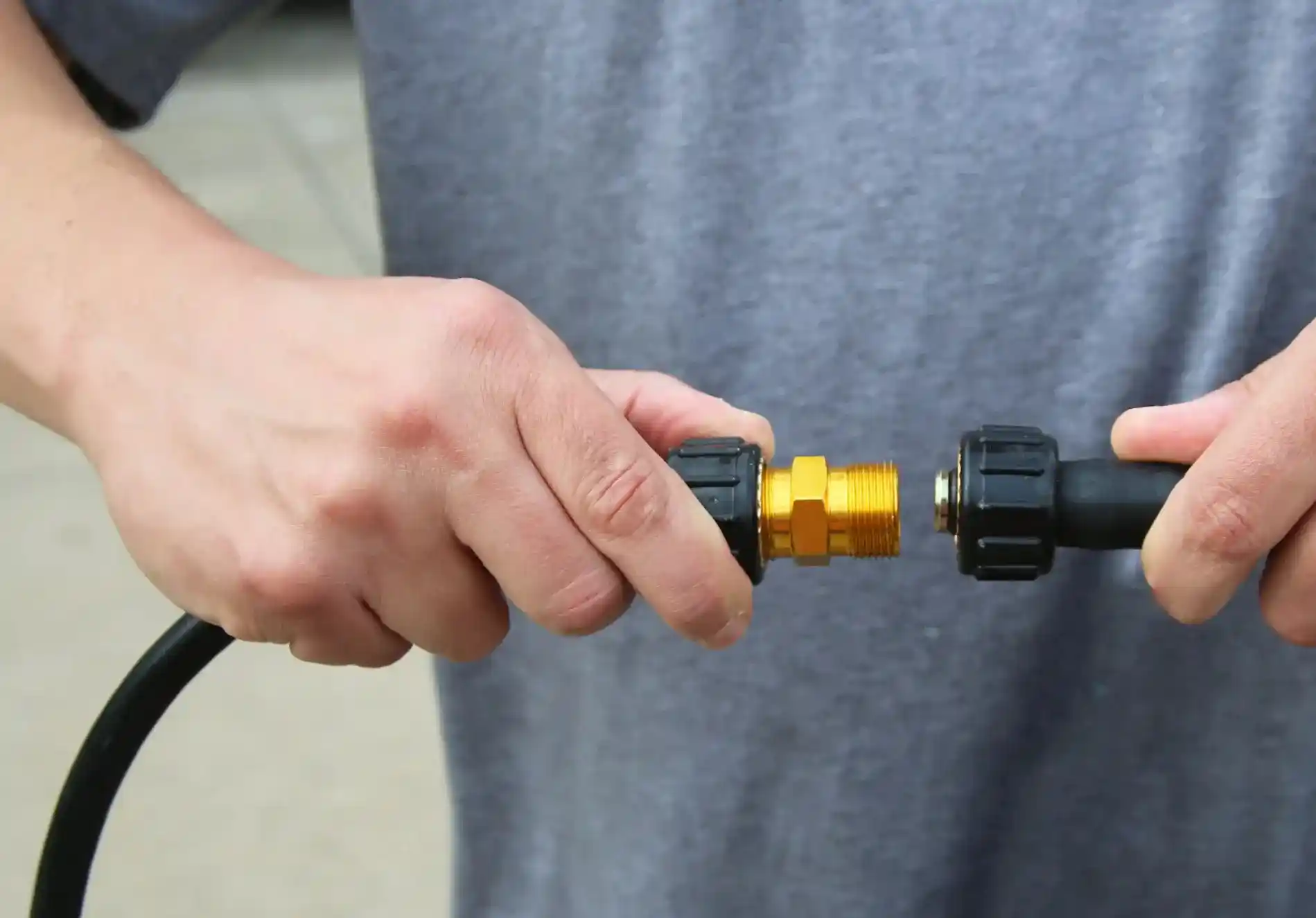
Hose Doesn’t Fit: If the hose won’t connect, confirm the fitting type (NPT, BSP, garden hose, or quick-connect), and use adapters if necessary. Always check that the hose matches the washer’s PSI and GPM specifications to prevent leaks or equipment damage.
By following these troubleshooting steps, you can quickly identify and fix most hose-related problems and maintain efficient cleaning performance. Regular checks before each use can prevent costly repairs and downtime.
Maintenance Tips for Hoses and Pressure Washers
Proper maintenance of hoses and washers not only prevents breakdowns but also ensures maximum performance for both industrial and commercial applications.
- Rinse and Drain Hoses: After each use, flush out debris and water to prevent buildup and damage.
- Inspect for Damage: Check hoses for cracks, bulges, or leaks before use. Damaged hoses should be replaced immediately.
- Proper Storage: Store hoses in a cool, dry area away from sunlight and extreme temperatures. Use a hose reel if possible to prevent kinks.
- Clean Fittings: Periodically clean quick-connect and threaded fittings to maintain a secure seal and prevent leaks.
- Replace Worn Components: Keep washers, gaskets, and fittings in good condition; worn components can cause leaks or low pressure.
For businesses and professionals using commercial equipment, Pressure King Inc also offers maintenance services for pressure washers and related accessories. Their service team can inspect, repair, or replace pumps, hoses, guns, and nozzles to keep your equipment running efficiently and safely, saving time and preventing downtime.
Proper maintenance combined with correct troubleshooting ensures that your pressure washer performs at peak efficiency, whether you are cleaning industrial driveways, patios, or large commercial surfaces.
How to Hook Up a Power Washer
Hooking up a power washer correctly is essential for safe operation and effective cleaning. Start by connecting your water supply hose to the pressure washer inlet, making sure the washers or gaskets are in place to prevent leaks. Next, attach the high-pressure hose to the spray gun or wand securely. Turn on the water supply gradually, allowing the washer to fill completely. Pull the trigger briefly to release any trapped air before starting the motor.
Using proper water hose power wash attachments, such as extension hoses or hose reels, can improve reach and make cleaning large areas more efficient. Following these steps ensures your pressure washer maintains consistent pressure, prevents pump damage, and delivers reliable, safe cleaning performance. This method works for both industrial and commercial setups, including hot or cold water washers supplied by Pressure King Inc.
Water Hose Power Wash Attachment Options
Several attachments make connecting and extending water hoses easier:
- Quick-Connect Adapters – secure, easy to use
- Threaded Fittings – durable traditional option
- Extension Hoses – reach far without moving the washer
- Hose Reels – keep hoses organized and untangled
Choosing the right attachment improves convenience, efficiency, and safety, especially for commercial cleaning jobs. Pressure King Inc offers a variety of compatible accessories for both industrial and commercial pressure washers.
DIY vs Professional Help
Attaching a hose is straightforward, but some situations may require professional assistance:
- High-pressure commercial washers (3,000+ PSI)
- Hot water or steam washers
- Large-scale or industrial cleaning tasks
- Complex attachments like surface cleaners or rotating nozzles
If unsure about compatibility, PSI, or GPM ratings, a professional can ensure safe setup and avoid damage to the equipment.
Conclusion
Properly attaching a hose to a pressure washer is essential for safety, efficiency, and long-term performance. Following the step-by-step instructions, using compatible hoses and fittings, and performing regular maintenance ensures smooth water flow, consistent pressure, and effective cleaning.
Whether you are a homeowner or professional, understanding how to hook up a power washer and using the correct water hose power wash attachment guarantees a safe and efficient cleaning experience every time. Regular inspection, careful connection, and proper maintenance make your pressure washer reliable and long-lasting. For commercial-grade hoses, surface cleaners, or accessories, Pressure King Inc provides high-quality products for both industrial and commercial users in New Jersey and New York.
Frequently Asked Questions About Attaching a Hose to a Pressure Washer
How do you attach a hose to a pressure washer?
To attach a hose to a pressure washer, insert the hose into the quick-connect or threaded fitting on the washer’s inlet. Turn on the water supply, pull the trigger briefly to release any trapped air, and ensure the connection is secure before turning on the machine. Proper attachment prevents leaks and ensures consistent water pressure during cleaning.
How to attach a pressure washer hose?
Attaching a pressure washer hose starts with inspecting the hose and fittings for damage or wear. Connect the hose to the water source, then attach it to the washer’s inlet. Finally, bleed the air by briefly pressing the spray gun trigger. Following these steps ensures safe operation and optimal performance.
How to attach a garden hose to a pressure washer?
Connect your garden hose to the washer’s water inlet using washers or gaskets to prevent leaks. Open the faucet fully, then attach the high-pressure hose to the spray gun. Make sure all connections are tight before starting the washer for efficient cleaning.
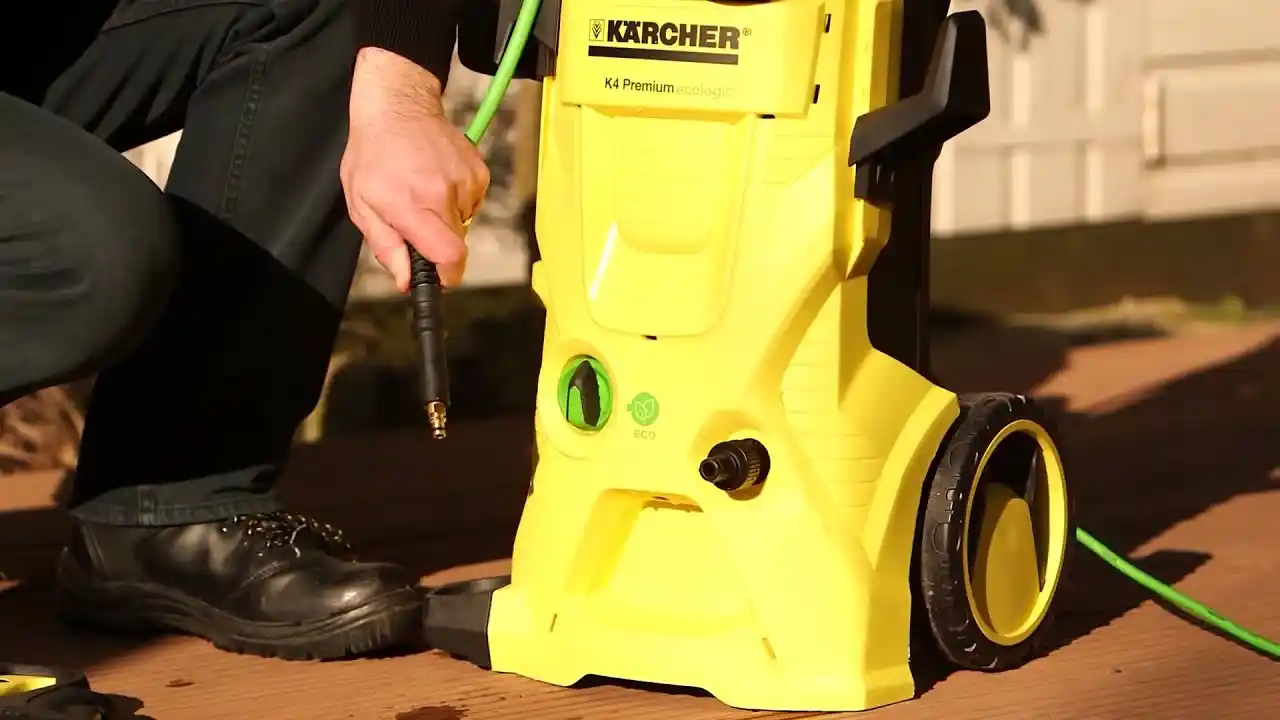
How to attach a hose to a Karcher pressure washer?
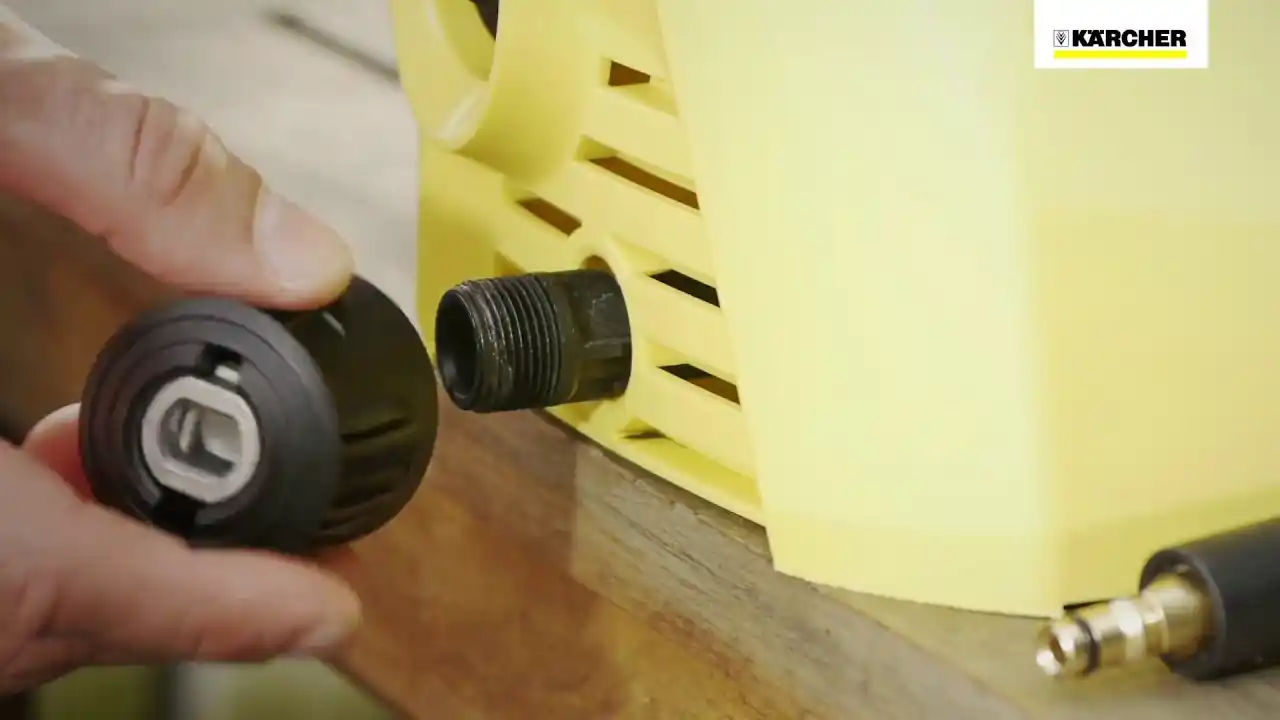
Most Karcher pressure washers use quick-connect fittings. Push the male end of the hose into the inlet, pull back the locking collar, and verify the hose is securely attached. This method ensures proper water flow and prevents leaks during operation.
Can I use an extension hose with my pressure washer?
Yes, you can use an extension hose, but it must match your washer’s PSI and GPM ratings. Using an incompatible extension can reduce water pressure, create leaks, or damage the pump. Always check the specifications before connecting.
What should I do if my pressure washer hose is leaking?
If your hose is leaking, first check that washers or gaskets are in place. Tighten all connections, inspect for cracks or damage, and replace any worn hoses promptly. Regular inspection and proper maintenance help maintain performance and prevent further issues.