


Commercial Pool Deck Cleaning for Hotels, Schools, and Municipal Facilities

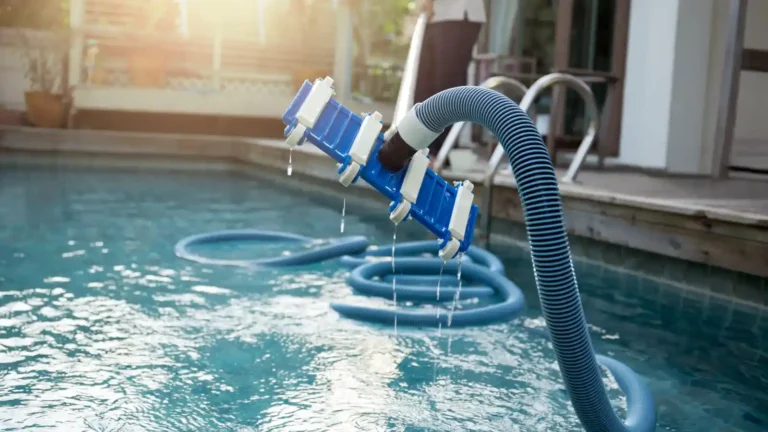
A guest’s first impression of a hotel pool area, a school’s aquatics center, or a municipal community pool often starts before anyone gets in the water. Slick algae stains, grime-streaked concrete, and dingy pavers signal neglect fast, and in pool environments, a dirty deck isn’t just a look, it’s a slip hazard and a compliance issue. Commercial pool deck cleaning keeps these high-traffic areas safe, presentable, and ready for inspection, without the wear and tear that comes from using the wrong equipment or chemicals.
This guide walks through what commercial pool deck cleaning actually involves, the different deck surfaces you’re likely working with, the equipment and process facilities rely on to do it right, the mistakes that cause the most damage, and how often the job needs to happen to keep guests, students, and residents safe.
What Commercial Pool Deck Cleaning Involves and Why It Matters
Commercial pool deck cleaning covers everything from routine surface sweeping to deep pressure washing and stain removal on the concrete, pavers, or stone surrounding a public or semi-public pool. Unlike a backyard pool, commercial decks see constant foot traffic from people moving between water, sun, and indoor areas, which accelerates wear and buildup far faster than a residential setting.
For hotels, this directly affects guest satisfaction, online reviews, and repeat bookings, a dirty pool deck is one of the fastest ways to lose a five-star rating. For schools and municipalities, it’s tied to liability, ADA compliance, and public health inspections, where a documented cleaning schedule can be the difference between passing and failing a review.
Why Regular Pool Deck Maintenance Matters for Hospitality and Municipal Facilities
Beyond appearance, a well-maintained pool deck protects the facility’s investment in the surface itself. Left untreated, algae and mineral buildup etch into concrete and pavers over time, leading to costly resurfacing or full replacement years earlier than expected.
Regular commercial pressure washing keeps pool decks and other high-traffic hospitality areas looking their best while extending the life of the surface underneath. There’s also a safety dimension that matters just as much as the cosmetic one: a slip-and-fall incident on a neglected pool deck can result in liability claims that far outweigh the cost of routine maintenance.
- Guest and public perception — a clean deck signals a well-run, trustworthy facility.
- Surface longevity — routine cleaning prevents the kind of deep staining that eventually requires resurfacing.
- Liability reduction — algae and grime buildup are among the most common causes of slip-and-fall claims at public pools.
- Inspection readiness — schools and municipalities are often subject to scheduled health and safety inspections that include deck condition.
Types of Pool Deck Surfaces and How They Affect Your Cleaning Approach
Not every pool deck is built the same way, and the surface material determines how much pressure, what nozzle, and which detergent are safe to use. Using the wrong approach for the surface is one of the fastest ways to cause visible, permanent damage.
Broom-Finished or Stamped Concrete
Broom-finished and stamped concrete are the most common commercial pool deck surfaces because they’re slip-resistant and budget-friendly. Stamped concrete in particular has a textured pattern that can be damaged by excessive PSI at close range, so a wide fan nozzle and moderate pressure work best.
Pavers and Interlocking Stone
Pavers are popular around hotel and resort pools for their upscale look, but the joints between them collect sand, algae, and organic debris that require slightly longer detergent dwell time. Excessive pressure can also dislodge joint sand, so technique matters as much as power here.
Natural Stone and Travertine
Natural stone surfaces like travertine are common at higher-end hospitality properties and require gentler cleaning approaches, since acidic or highly alkaline detergents can etch or discolor the stone. A pH-balanced, surface-safe cleaner is typically the safer choice.
Pool Coping and Tile
The coping — the edge material bordering the pool itself — and any surrounding tile need particular attention since this is where calcium and mineral deposits build up fastest from splash-out and evaporation. These areas often need targeted spot treatment rather than a single full-deck pass.
Common Problems With Neglected Pool Decks
Pool decks develop a specific set of problems that generic outdoor cleaning doesn’t always address. Recognizing these early makes it easier to build the right maintenance schedule instead of reacting to complaints or safety incidents.
- Algae and slime buildup on shaded or poorly drained sections, creating slip hazards.
- Efflorescence and mineral staining from chlorinated water evaporating on concrete and pavers.
- Sunscreen and body oil residue that builds a slick film over time, especially near pool entry points.
- Mold in grout lines and joints, which spreads quickly in humid, low-airflow areas.
- Calcium scaling around coping and tile lines, which can dull the surface and eventually require acid-based treatment.
Equipment Needed for Commercial Pool Deck Cleaning
Pool decks need equipment that can handle constant moisture exposure without damaging pavers, stamped concrete, or non-slip coatings. Facilities that maintain their own pool areas typically rely on a combination of pressure washing and wet extraction tools rather than a single machine.
- Commercial pressure washers — cut through algae, grime, and mineral deposits on concrete, pavers, and stone without damaging the surface when the right PSI and nozzle are used.
- Electric pressure washers — a quieter, fume-free option well suited to indoor pool areas or early-morning cleaning before guests arrive.
- Surface cleaners — an attachment that delivers even, streak-free coverage across large flat deck areas without the swirl marks a wand can leave behind.
- Wet/dry vacuums — pull standing water and rinse runoff off the deck quickly, reducing slip risk and speeding up dry time.
- Commercial vacuum cleaners — useful for adjacent indoor pool lobbies, locker rooms, and carpeted areas that see splash-off traffic.
How to Prepare a Pool Deck Before Cleaning
Preparation determines how effective the actual cleaning pass will be, and skipping it is one of the most common reasons results don’t last. A few minutes of setup prevents wasted time and uneven results later.
- Clear the area completely. Remove furniture, umbrellas, mats, and any loose items so the full surface is accessible.
- Sweep or blow off loose debris. Leaves, sand, and dirt should be cleared before any detergent or water touches the surface.
- Check the weather. Cleaning on a hot, direct-sun day can cause detergent to dry too fast, reducing its effectiveness — early morning or overcast conditions work best.
- Identify problem areas in advance. Walk the deck and flag algae patches, staining, and mold-prone joints so they get proper pre-treatment instead of a single generic pass.
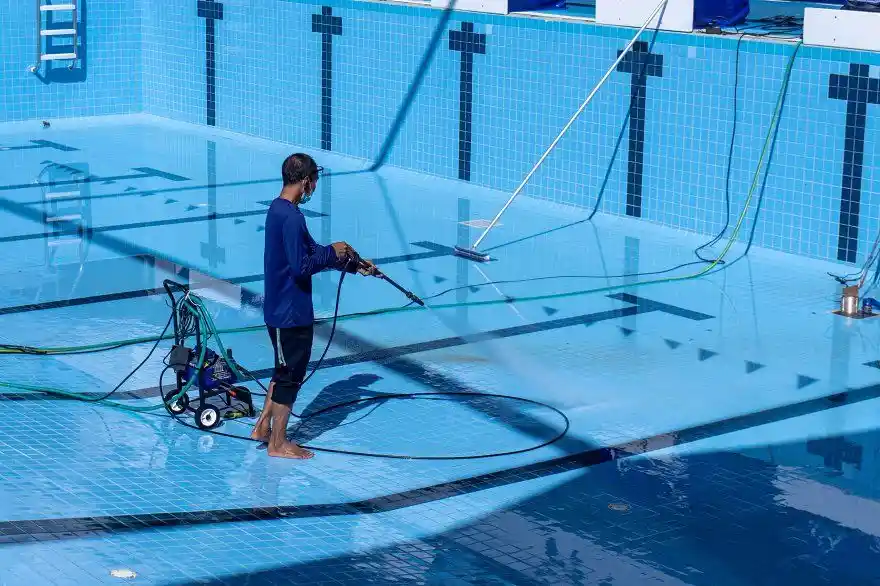
Step-by-Step: How to Clean a Commercial Pool Deck
Cleaning a commercial pool deck properly follows a consistent process, regardless of whether the surface is concrete, pavers, or stamped decking. Skipping steps — especially pre-treatment — is the most common reason results don’t last.
- Clear the deck. Remove furniture, mats, and loose debris so the full surface is accessible.
- Pre-treat stained areas. Apply a surface-safe cleaner to algae, mold, or mineral staining and let it dwell for 5–10 minutes before rinsing.
- Pressure wash the full surface. Work in overlapping passes using a fan nozzle or surface cleaner attachment to avoid etching pavers or stamped concrete.
- Rinse thoroughly. Clear all detergent residue, since leftover cleaner can make the surface slicker, not safer.
- Extract standing water. Use a wet/dry vacuum on low spots and drainage-poor areas to speed up drying and reduce slip risk.
- Inspect grout lines and joints. Spot-treat any remaining mold or mildew in seams before reopening the area.
Troubleshooting Common Pool Deck Cleaning Problems
Even with the right equipment, certain issues come up repeatedly on commercial pool decks. Knowing the likely cause saves time compared to repeating the full cleaning process from scratch.
- Deck still feels slippery after cleaning — usually leftover detergent residue; do a second plain-water rinse pass before concluding the deck is unsafe.
- Stains won’t lift after one pass — mineral and algae staining sometimes need a longer detergent dwell time or a second treatment rather than more pressure.
- Streaking after pressure washing — often caused by uneven pass overlap; using a surface cleaner attachment instead of a wand gives more consistent coverage.
- Algae returns within days — usually a drainage or shading issue rather than a cleaning issue; poorly draining sections may need a longer-term fix beyond routine cleaning.
Mistakes to Avoid When Cleaning a Commercial Pool Deck
A few recurring mistakes account for most of the surface damage and repeat-cleaning complaints facilities run into. Avoiding these upfront saves both money and labor hours over time.
- Using too high a PSI on pavers or stamped concrete, which can etch the surface or dislodge joint sand.
- Skipping the pre-rinse and debris removal step, which causes the pressure washer to grind loose grit into the surface instead of lifting it away.
- Using acidic cleaners on natural stone or travertine without testing first, which can permanently discolor the surface.
- Cleaning in direct, hot sunlight, which dries detergent too fast and reduces its effectiveness.
- Ignoring joints, coping, and tile lines in favor of only cleaning the open deck area, leaving the most mold-prone spots untreated.
Choosing the Right Detergent for Pool Deck Surfaces
Not every cleaning chemical is safe near a pool. Detergents used on pool decks need to be effective against algae and mineral buildup while being safe for pool-adjacent runoff, since chemical drainage near a pool is closely regulated in most facilities.
Products like PaverPro PrimeWash are built specifically for pavers, concrete, and exterior flatwork, lifting organic staining and tire or foot-traffic marks without leaving heavy residue behind. For facilities that need to stay within runoff regulations, biodegradable options from our full detergents and chemicals lineup are worth checking against local pool-area chemical guidelines before use.
How Often Should Commercial Pool Decks Be Cleaned?
Cleaning frequency depends heavily on facility type and traffic volume. A hotel pool deck used daily by guests needs a different schedule than a seasonal municipal pool that closes for the winter.
- Daily — sweeping and spot-treating high-traffic entry points and areas prone to standing water.
- Weekly — full pressure washing during peak season for hotels, gyms, and high-use community pools.
- Monthly — deep cleaning of grout lines, joints, and shaded low-traffic zones where algae builds up slower but steadier.
- Seasonally — a full deck restoration clean before reopening for schools and municipal pools with seasonal closures.
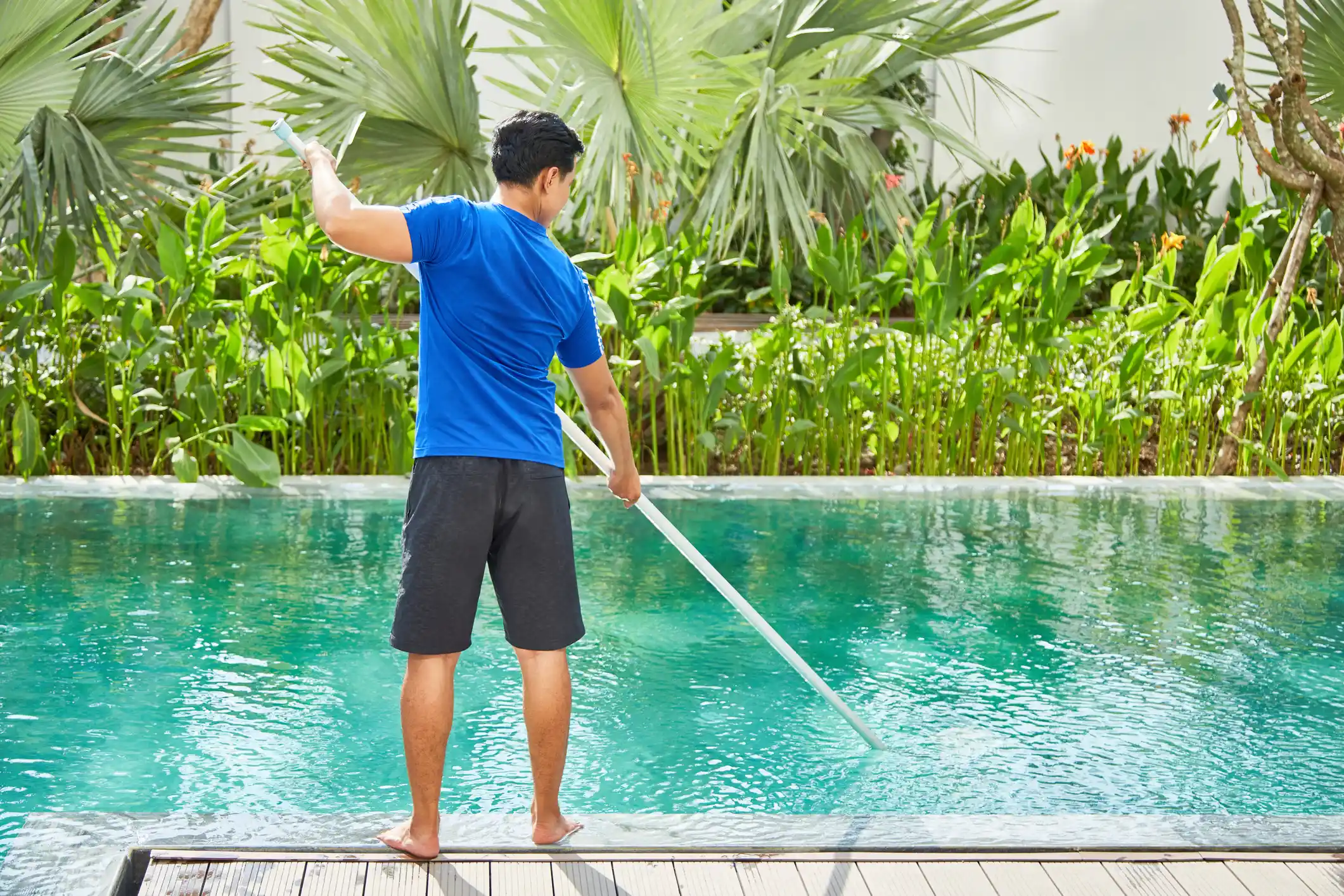
DIY Pool Deck Cleaning vs Hiring a Professional Service
Some facilities handle pool deck cleaning in-house with their existing maintenance staff and equipment, while others outsource it entirely. The right choice usually comes down to deck size, staff availability, and how much liability risk the facility is comfortable managing internally.
In-house cleaning makes sense for smaller properties with routine, predictable maintenance needs and staff already trained on pressure washing equipment. Larger facilities, seasonal deep cleans, or properties without dedicated maintenance staff often get better, more consistent results from a professional service — especially before a health inspection, a peak-season opening, or after storm debris has built up.
Why Facilities Choose Pressure King for Pool Deck Cleaning Equipment
Pressure King supplies the pressure washers, wet/dry vacuums, and detergents that hotels, schools, and municipal facilities across New Jersey, New York, and Connecticut rely on to keep pool areas safe and presentable. Our team already works with the hotel and hospitality, schools, colleges, and universities, and municipalities and government facilities sectors on the broader cleaning demands these properties face beyond the pool deck itself.
Whether you’re managing a single hotel pool or a district-wide set of school and municipal facilities, our team can help match the right pressure washer, extraction equipment, and detergent to your surface type and compliance needs. If you’d rather hand the job off entirely, our commercial pressure washing service covers pool deck cleaning as part of a broader facility maintenance visit. Reach out for a facility-specific recommendation.
Conclusion
Commercial pool deck cleaning is about more than appearance — it’s a safety and compliance responsibility for any hotel, school, or municipal facility operating a public pool. With the right equipment, surface-appropriate technique, and a consistent cleaning schedule, facilities can keep pool decks safe, clean, and inspection-ready all season long.
Pressure King supplies the pressure washers, wet/dry vacuums, and detergents that hospitality and municipal facilities depend on for pool deck maintenance, whether you’re handling it in-house or looking for a professional service to take it off your plate. Reach out to our team to find the right equipment or service for your property.
Frequently Asked Questions About Commercial Pool Deck Cleaning
How often should a commercial pool deck be pressure washed?
Most high-traffic hotel and municipal pool decks benefit from a full pressure washing weekly during peak season, with daily spot-treatment of entry points and areas prone to standing water.
What PSI is safe for cleaning pavers and stamped concrete around a pool?
Lower to mid-range PSI (1500–3000) with a wide fan nozzle is generally safest for pavers and stamped concrete, since higher pressure at close range can etch or damage the surface.
Can regular pressure washer detergent be used near a pool?
Not always. Detergents used near pool decks need to be safe for runoff into pool drainage systems, so facilities should use biodegradable, surface-safe formulas rather than general-purpose degreasers.
What’s the biggest safety risk with a dirty pool deck?
Algae and mineral film buildup create slip hazards, which is one of the most common liability concerns for hotels, schools, and municipalities operating public pools.
Is it safe to pressure wash natural stone or travertine pool decks?
Yes, but at lower pressure and with a pH-balanced, surface-safe cleaner, since acidic or highly alkaline detergents can etch or discolor natural stone over time.
Should schools and municipalities hire a professional for seasonal pool deck cleaning?
It depends on deck size and staff resources, but a full seasonal deep clean before reopening is often best handled by a professional service to meet inspection timelines and avoid liability gaps.

Michael Adeniran is the CEO of Pressure King Inc. He has been dealing in commercial cleaning equipment for many years. He is one of the leading specialists and experts in commercial cleaning products.


