

Eco-Friendly Commercial Pressure Washing: Sustainable Solutions for a Cleaner Space

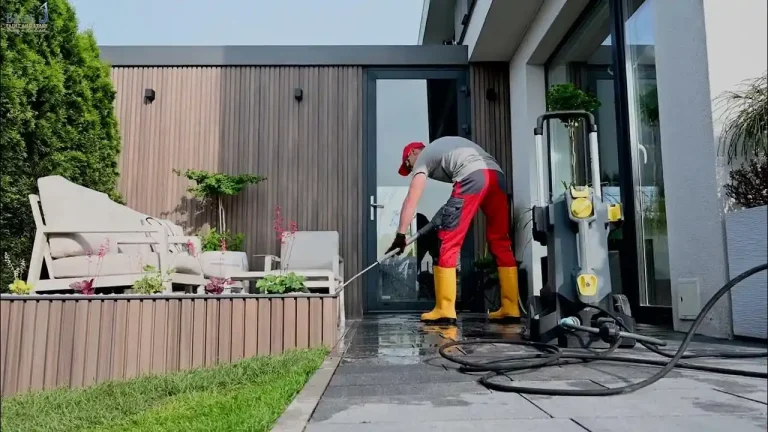
Key Takeaways
- Use eco-friendly detergents to reduce chemical pollution.
- Choose the right PSI, GPM, and nozzle for efficient cleaning.
- Reduce water waste by avoiding unnecessary passes.
- Manage runoff to protect waterways and soil.
- Maintain equipment regularly for better efficiency.
- Train operators to reduce water, chemical, and energy waste.
Keeping your space, driveway, and outdoor surfaces spotless is essential for curb appeal and hygiene. However, conventional pressure washing usually depends on the use of harsh chemicals, which can damage the atmosphere. This is the reason why eco-friendly Commercial pressure cleaning is becoming the trend. Going greener and employing less harmful cleaning agents and conscious methods, you will be able to keep your place tidy and preserve the waterways, soil, and the local ecosystems.
For commercial properties in NJ, sustainable pressure washing can be especially useful when large outdoor areas require frequent cleaning. Choosing efficient equipment and responsible cleaning methods can help businesses maintain sidewalks, parking areas, building exteriors, and other hard surfaces while limiting unnecessary water and chemical use.
This is a complete guide on everything you need to know about the eco-friendly pressure washing solutions, commercial cleaning equipment, detergents, best practices, and advantages of going green.
Understanding Eco-Friendly Pressure Washing
Eco-friendly commercial pressure washing is the cleaning methods and products that cause the least harm to the environment. In contrast to the traditional power washing, which tends to involve the application of harsh chemical detergents as well as excessive consumption of water, the environmentally-friendly approaches tend to focus on the use of biodegradable soaps, low-phosphate detergents, and water-saving practices.
Homeowners and companies can readily clean their surfaces by changing to environmentally friendly commercial pressure washing solutions, which will control pollution and save natural resources.
This strategy is also in line with the increasing environmental awareness and regulatory imperatives in most urban areas that restrict chemical discharge into storm drains and other local waterways.
Key Sustainability Practices for Commercial Pressure Washing
These are some practices sustaining commercial pressure washing.
Reducing Water Consumption
Water use is an important consideration for facilities with large floor areas. Machines with controlled water dispensing and efficient recovery systems can help reduce unnecessary water consumption while maintaining consistent cleaning performance. Using only the amount of solution required for a particular cleaning task can also reduce wastewater generation.
For commercial pressure washing, operators can reduce water waste by selecting appropriate flow rates, using efficient nozzles, and avoiding repeated passes over areas that have already been cleaned. These practices can support effective cleaning while keeping water consumption under better control.
Lowering Chemical Consumption
Reducing dependence on cleaning chemicals can help facilities control supply costs and minimize chemical residues. Some pressure washing applications can operate with reduced chemical use depending on the surface type, soil level, and machine configuration. Businesses should always select cleaning methods that meet the requirements of their specific cleaning task.
Using the right detergent and allowing sufficient dwell time can also improve cleaning efficiency. When dirt and grime are properly loosened before pressure washing, operators may not need repeated passes or excessive amounts of cleaning solution.
Improving Commercial Cleaning Conditions
Sustainable cleaning equipment can also support better working conditions by reducing unnecessary noise, chemical exposure, and water use. This can be particularly valuable in occupied commercial environments where cleaning may need to take place while employees, customers, or visitors are present.
Choosing equipment and cleaning methods according to the environment can help businesses balance cleaning performance with operational requirements. Indoor and outdoor applications may require different equipment, power sources, ventilation considerations, and runoff management practices.
Why Choose Eco-Friendly Pressure Washing?
There are multiple reasons to choose eco friendly pressure washing over traditional methods:
- Protect the Environment: Using biodegradable and non-toxic detergents reduces chemical runoff into rivers, lakes, and soil.
- Healthier for Families and Pets: Harsh chemicals in traditional cleaning products can irritate skin, eyes, and respiratory systems. Eco-friendly alternatives are safer for children and animals.
- Sustainable Property Maintenance: Eco-friendly methods conserve water and reduce energy consumption while keeping surfaces clean.
- Regulatory Compliance: Some municipalities require the use of environmentally safe pressure washer detergent to prevent waterway contamination.
Switching to eco green pressure washer systems and biodegradable soaps ensures you maintain your property responsibly.
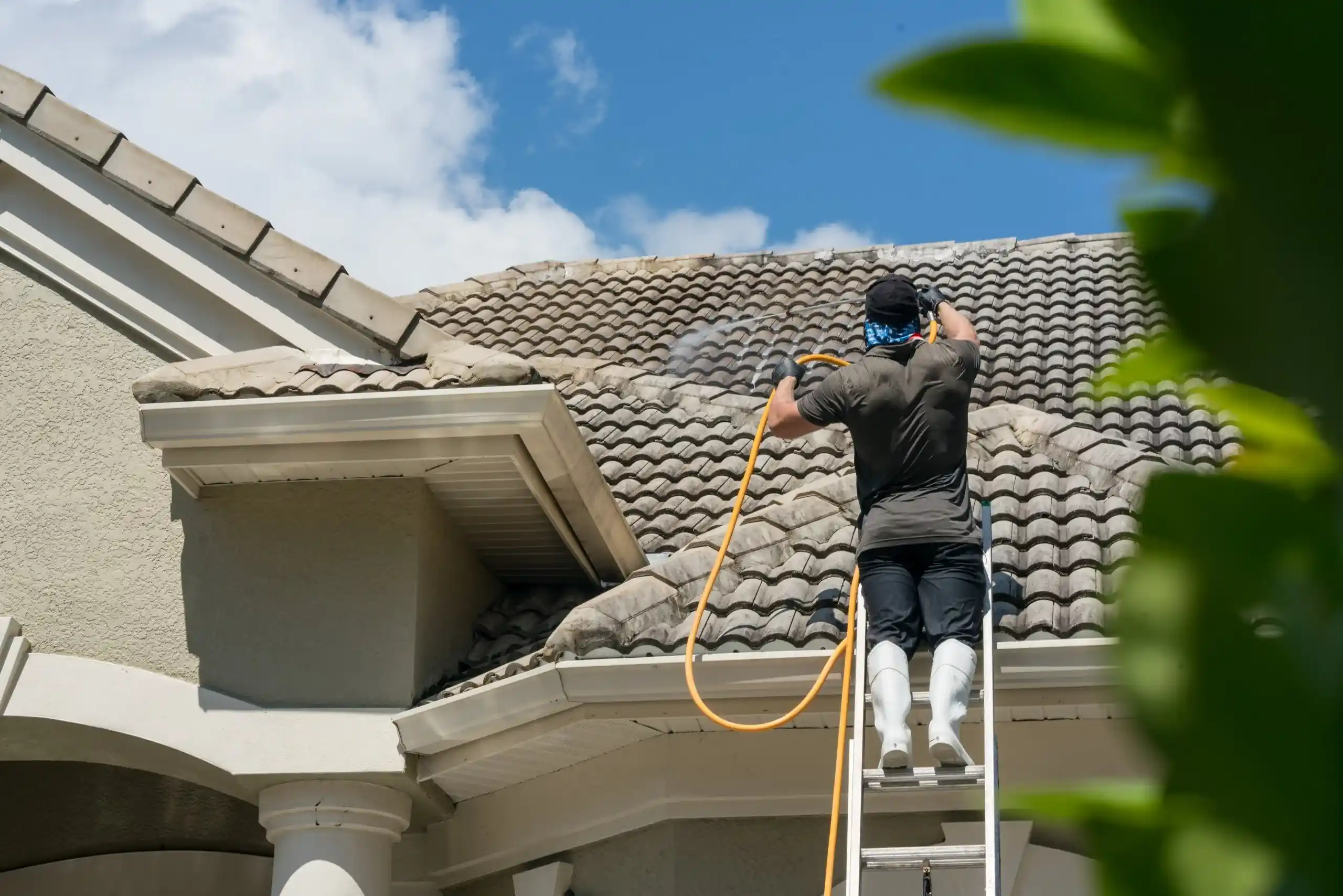
How Eco-Friendly Pressure Washing Supports Sustainable Maintenance
An environmentally responsible pressure washing program depends on more than choosing a biodegradable detergent. Businesses should consider water consumption, chemical use, equipment efficiency, surface requirements, and wastewater management as part of the overall cleaning process.
When these factors are considered together, commercial facilities can reduce unnecessary resource consumption while maintaining the cleaning standards required for their properties. The goal is to use the right amount of water, pressure, energy, and cleaning solution for each application rather than relying on excessive cleaning power.
Eco-Friendly Pressure Washing Solutions: Key Components
Designing a successful pressure washing solution to be environmentally friendly needs a pressure washer and the most suitable equipment, detergents, and cleaning procedures that consider environmental safety. Biodegradable soaps, water saving eco green pressure washer systems, knowing these are the main ingredients is the key to having a strong and eco green pressure washer cleaning.
1. Eco-Friendly Pressure Washer Detergents
The foundation of eco-friendly pressure washing solutions is the detergent. Look for products labeled as environmentally safe pressure washer detergent or eco friendly power washing soap. These detergents are:
- Biodegradable and non-toxic
- Free from phosphates, chlorine, and harmful solvents
- Safe for plants, soil, and wildlife
Using eco friendly pressure washer detergent ensures that even runoff water won’t harm your lawn, garden, or nearby water sources. Popular eco-friendly detergents are available for decks, driveways, siding, and vehicles.
2. Eco Green Pressure Washer Equipment
Modern eco green commercial pressure washer systems are designed to reduce water usage and energy consumption. Features to look for include:
- Adjustable PSI (pressure) for efficient cleaning with minimal water
- Low-flow nozzles to conserve water
- Electric or hybrid power sources instead of gas engines
- Compatibility with biodegradable detergents
These systems allow homeowners and businesses to perform eco-friendly pressure washing effectively while minimizing environmental impact.
3. Eco-Friendly Cleaning Practices
Even with the right equipment and detergents, the way you pressure wash matters. Tips for environmentally friendly pressure washing solutions include:
- Use minimal water: Adjust pressure and nozzle settings to reduce unnecessary water waste.
- Collect runoff water: Whenever possible, direct water into gardens or drainage systems that prevent it from reaching storm drains.
- Pre-soak surfaces: Loosen dirt with a broom or sponge before pressure washing to reduce detergent and water use.
- Spot test detergents: Test eco friendly power washing soap on a small area to ensure it’s effective without causing damage.
These practices help maximize cleaning efficiency while minimizing ecological impact.
Choosing the Right Eco-Friendly Pressure Washer for Commercial Use
Selecting an eco-friendly pressure washer for commercial work requires more than choosing a machine with the highest pressure rating. The equipment should match the surface, cleaning conditions, frequency of use, and required cleaning performance. Choosing the right combination of pressure, water flow, power source, and accessories can help businesses avoid unnecessary resource consumption.
Match PSI and GPM to the Cleaning Task
PSI and GPM should be considered together when selecting pressure washing equipment. Higher pressure is not always necessary for better cleaning. The right combination depends on the surface, soil level, and cleaning method. Using more pressure than required can increase the risk of surface damage and unnecessary water use.
Consider the cleaning environment
Commercial cleaning conditions can vary considerably. Indoor or enclosed areas may require equipment with different ventilation and power considerations, while large outdoor spaces may benefit from machines designed for mobility and longer operating periods. Evaluate where and how frequently the equipment will be used before making a purchase.
Evaluate Long-Term Operating Costs
The purchase price is only one part of the overall cost of a pressure washing system. Water consumption, detergent use, energy requirements, maintenance, replacement parts, and equipment downtime can all affect the long-term value of a machine. A more efficient system may provide greater value when it is used frequently.
Benefits of Eco-Friendly Pressure Washing
Switching to eco-friendly commercial pressure washing offers more than just a clean surface, it provides significant environmental, health, and practical advantages. These are:
1. Reduces Environmental Pollution
Traditional pressure washing can release toxic chemicals into soil and water. By using eco friendly pressure washer detergent, you protect the surrounding ecosystem and ensure that cleaning runoff is safe for plants, animals, and waterways.
2. Safer for People and Pets
Many conventional pressure washer chemicals contain harsh ingredients that may irritate skin or cause respiratory issues. Environmentally safe pressure washer detergent is designed to be non-toxic, making it safer for families, pets, and neighbors.
3. Cost-Effective in the Long Run
Eco-friendly detergents and eco green pressure washer systems may have a higher upfront cost, but they reduce water usage, energy consumption, and the need for costly surface repairs caused by harsh chemicals.
4. Versatility and Efficiency
Modern eco-friendly pressure washing solutions can be used on a variety of surfaces, including:
- Concrete driveways and walkways
- Decks, patios, and wood fences cleaning
- Exterior siding and windows
- Vehicles and outdoor furniture
This makes eco-friendly pressure washing a sustainable, multi-purpose cleaning solution.
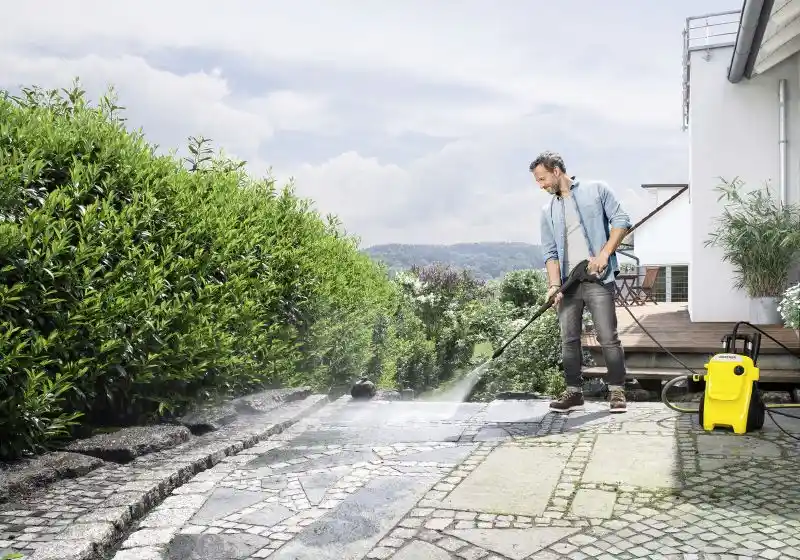
Managing Water and Runoff During Commercial Pressure Washing
Water management is an important part of responsible commercial pressure washing. Cleaning wastewater can contain dirt, grease, detergents, and other contaminants removed from the surface. Businesses should plan how runoff will be controlled before beginning a large cleaning project.
Operators can use controlled water flow and appropriate cleaning techniques to limit unnecessary runoff. Where required, runoff should also be managed according to applicable local requirements rather than allowing contaminated water to enter storm drains or sensitive areas.
Control Water Flow During Cleaning
Using the lowest practical flow rate that still provides effective cleaning can help reduce water consumption. Operators should also avoid leaving the pressure washer running when they are not actively cleaning a surface.
Plan for Wastewater Management
Before cleaning large commercial areas, identify where wastewater will collect and how it can be handled. Proper planning can help prevent contaminated runoff from spreading to landscaping, public areas, or stormwater systems.
Maintain Equipment for Efficient Operation
Regular inspection and maintenance can help pressure washing equipment operate as intended. Worn nozzles, leaking connections, damaged hoses, or other equipment problems can affect water use and cleaning performance. Keeping the machine properly maintained supports both efficiency and consistent results.
Choosing the Right Eco-Friendly Pressure Washer
Selecting the ideal eco-friendly pressure washer involves more than just picking a machine, it’s about matching power, efficiency, and sustainability to your cleaning needs. From eco green pressure washer systems to compatible eco friendly pressure washer detergent, understanding key features ensures you achieve effective cleaning while protecting the environment.
When investing in an eco-friendly pressure washing setup, consider these factors:
- Pressure (PSI and GPM): Adjustability is key. Too much pressure can damage surfaces, while too little reduces effectiveness.
- Power Source: Electric eco green pressure washer models are quieter, energy-efficient, and produce zero emissions compared to gas-powered units.
- Detergent Compatibility: Ensure your washer can handle eco friendly power washing soap or other biodegradable cleaning solutions.
- Portability and Storage: Lightweight and compact models are ideal for residential use, while larger units are better for commercial cleaning.
By selecting a system that aligns with your cleaning tasks and sustainability goals, you can make eco-friendly pressure washing more effective and enjoyable.
Best Practices for More Sustainable Commercial Pressure Washing
Prepare the surface: Remove loose debris before pressure washing to improve cleaning efficiency.
Select the correct nozzle and pressure: Match equipment settings to the cleaning task and avoid unnecessary pressure.
Avoid unnecessary passes: Use controlled cleaning passes to reduce water, chemical, and energy consumption.
Train operators: Teach staff proper water management, detergent application, equipment settings, and runoff control.
Improve consistency: Well-trained operators can use the equipment more efficiently and reduce avoidable resource consumption.
How to Perform Eco-Friendly Pressure Washing
Performing eco-friendly pressure washing effectively requires more than just turning on a machine. By combining the right techniques, equipment, and eco friendly pressure washer detergent, you can clean surfaces efficiently while protecting the environment. Follow these steps to ensure a safe, sustainable, and powerful cleaning experience:
1. Prepare the Area
Before starting, remove loose debris like leaves, dirt, and small rocks from the cleaning area. Cover nearby plants, electrical outlets, or delicate surfaces if needed. Proper preparation helps minimize runoff contamination and prevents accidental damage during eco-friendly pressure washing.
2. Choose the Right Detergent
Select a detergent specifically labeled as environmentally safe pressure washer detergent or eco friendly power washing soap. These biodegradable and non-toxic solutions are safe for soil, waterways, and vegetation. Make sure the detergent is suitable for the surface you’re cleaning, whether it’s concrete, wood, siding, or vehicles.
3. Set Up Your Eco Green Pressure Washer
- Connect your eco green pressure washer to a safe water source.
- Adjust the PSI and nozzle settings according to the surface type. Lower pressure is ideal for delicate surfaces, while slightly higher pressure works for stubborn dirt or grime.
- Ensure the detergent reservoir is filled with the chosen eco friendly pressure washer detergent.
Using the correct settings maximizes cleaning efficiency while minimizing water use.
4. Apply the Detergent
- Start by applying the eco friendly power washing soap at low pressure.
- Work from top to bottom on vertical surfaces to prevent streaking and ensure even coverage.
- Allow the detergent to sit for a few minutes to loosen dirt and grime, but avoid letting it dry on surfaces.
This step ensures that your eco-friendly pressure washing solutions penetrate dirt effectively without requiring excessive water or harsh chemicals.
5. Pressure Wash the Surface
- Begin washing with consistent, overlapping strokes to avoid streaks.
- Maintain a safe distance to prevent surface damage. For wood decks, patios, or siding, keep the nozzle at least 12–18 inches away.
- Move systematically, focusing on one area at a time for thorough cleaning.
Using proper techniques ensures maximum dirt removal while conserving water, a key part of eco friendly pressure washing.
6. Rinse Thoroughly
- After detergent application, rinse surfaces thoroughly with clean water.
- Minimize water usage by using controlled, sweeping motions.
- Make sure all detergent residues are removed to prevent environmental impact and residue buildup on plants or nearby soil.
This final step ensures your surfaces are clean and safe, aligning with the principles of environmentally friendly pressure washing solutions.
Maintaining Eco-Friendly Pressure Washing Equipment
Equipment maintenance is another part of sustainable commercial cleaning. A pressure washer that is properly maintained can operate more consistently and help operators avoid unnecessary downtime or inefficient cleaning.
Inspect hoses, connections, nozzles, pumps, and detergent systems regularly. Clean or replace worn components according to the manufacturer’s recommendations. Keeping nozzles and other components in proper condition can also help maintain the intended pressure and flow during cleaning.
Regular maintenance can extend equipment life and reduce the need for premature replacement. For businesses that use pressure washers frequently, this can contribute to more predictable operating costs and a more efficient cleaning program.
Conclusion
Eco-friendly pressure washing is the future of sustainable property maintenance. With environmentally friendly pressure washing solutions, eco green pressure washer systems, and eco-friendly pressure washer detergent, you will be able to clean your space, driveway, or business property, and at the same time conserve the environment.
Using environmentally friendly power washing soap and practicing conscious cleaning will make sure that you keep the curb looking good, and you will not damage any vegetation, soil, or water sources. Eco-friendly pressure washing is an efficient, safe, and sustainable solution, whether used in residential or commercial settings.
Frequently Asked Questions
What is eco-friendly commercial pressure washing?
Eco-friendly commercial pressure washing uses water-efficient equipment, environmentally safer detergents, and responsible cleaning practices to reduce unnecessary water, chemical, and energy use while maintaining effective cleaning results.
How can commercial pressure washing reduce water waste?
Businesses can reduce water waste by using efficient nozzles, appropriate flow rates, adjustable pressure settings, and controlled cleaning passes. Matching water use to the cleaning task helps avoid unnecessary consumption.
Does eco-friendly pressure washing require cleaning chemicals?
Not always. Using the correct detergent can help loosen dirt and reduce the need for repeated washing passes. When detergents are used, businesses should choose products appropriate for the surface and follow the manufacturer’s instructions.
How do PSI and GPM affect pressure washing efficiency?
PSI determines the water pressure, while GPM measures water flow. Both should be matched to the surface and cleaning requirements. Using excessive pressure or flow can increase water consumption and may damage certain surfaces.
How can businesses make pressure washing more sustainable?
Businesses can prepare surfaces before washing, select the correct nozzle and pressure, control detergent application, minimize unnecessary cleaning passes, and train operators in water and runoff management.
What should businesses consider when choosing an eco-friendly pressure washer?
Consider PSI and GPM, the cleaning environment, operating frequency, water and detergent consumption, energy requirements, maintenance needs, replacement parts, and potential equipment downtime.
Why is operator training important for sustainable pressure washing?
Proper training helps operators use the correct equipment settings, manage water and detergent efficiently, control runoff, and avoid unnecessary cleaning passes. This can improve cleaning consistency while reducing resource waste.

Michael Adeniran is the CEO of Pressure King Inc. He has been dealing in commercial cleaning equipment for many years. He is one of the leading specialists and experts in commercial cleaning products.


