


How Much Does it Cost to Rent a Pressure Washer?

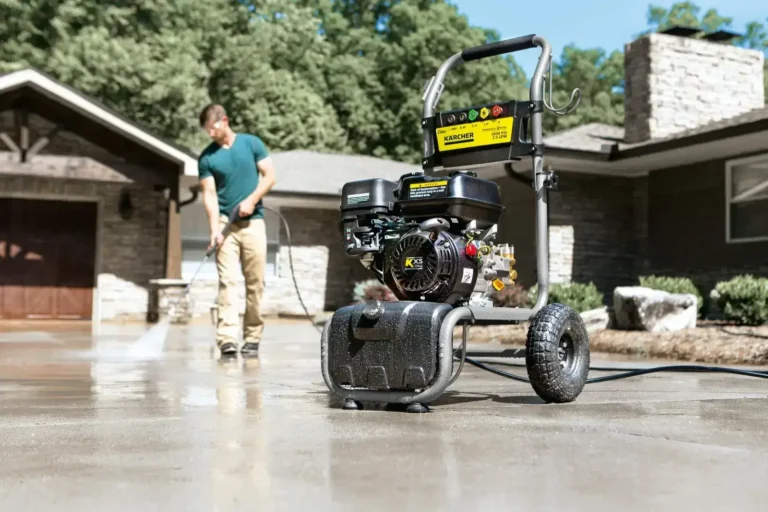
For those who don’t need a pressure washer daily, renting can be a cost-effective solution. Renting eliminates the need for a significant upfront investment, especially for short-term projects. Additionally, when you rent, you don’t have to worry about ongoing maintenance, storage, or repairs that come with owning one.
This blog will provide a comprehensive look at the costs involved in renting a pressure washer, highlighting the various factors that influence the price. By the end, you’ll have a clear understanding of when renting is the best option for your needs and how to get the most value from your rental experience.
Factors That Affect the Cost of Renting a Pressure Washer
If you’re wondering where can I rent a pressure washer, you have several convenient options. When it comes to renting a pressure washer, several factors can influence the final cost. Understanding these factors will help you make an informed decision about your rental needs and ensure you’re getting the best value for your money. Let’s dive into the key elements that play a role in determining the price of renting a pressure washer.
Type of Pressure Washer: The type of pressure washer you choose significantly impacts the rental cost.
-
-
Request a Rental Quote -
-
Request a Rental Quote -
-
Request a Rental Quote -
-
2000 psi pressure washer View Product This product has multiple variants. The options may be chosen on the product page


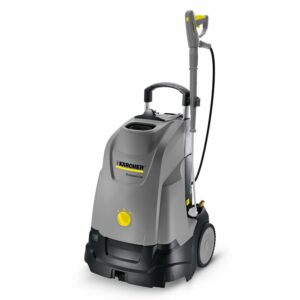



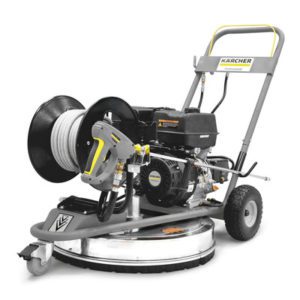
- Electric vs. gas powered pressure washers: Electric models are typically more affordable to rent and are ideal for lighter tasks. Gas-powered machines offer more power and are better suited for tougher, commercial-grade cleaning
- Industrial vs. residential models: Industrial-grade pressure washers designed for heavy-duty tasks will usually cost more than residential models.
- Rental Duration: The length of time you need the pressure washer is another important factor that will impact the rental cost. Most rental services offer flexible rental periods, which can affect the overall price.
- Rental Location: Where you rent the pressure washer can also affect how much you’ll pay. The local market and proximity to rental services play a role in determining rental prices.
Delivery and Pickup Fees: Some rental services offer delivery and pickup options, which can add to the overall cost. Choosing to rent a pressure washer is a popular option for homeowners tackling short-term cleaning tasks. It offers both electric and gas-powered pressure washers, depending on availability and store location.
If you’re considering renting a pressure washer, it’s important to factor in these potential fees:
Average Costs for Renting a Pressure Washer
Many homeowners ask, how much does it cost to rent a pressure washer? Renting a pressure washer can be a cost-effective way to handle cleaning tasks without the commitment of purchasing a unit. However, understanding the average rental prices will help you plan your budget and determine the best rental option for your needs.
The overall pressure washer cost depends on whether you plan to rent or purchase. Buying a residential pressure washer can cost anywhere from $30 to $400, while heavy-duty commercial models may exceed $1,000.
Let’s explore the typical costs associated with renting different types of pressure washers.
| Rental Duration | Electric Pressure Washer | Gas-powered Pressure Washer | Heavy-duty/Commercial Pressure Washer |
| Daily Rental | $30 – $50 | $50 – $100 | $100 – $150 |
| Weekly Rental | $150 – $200 | $200 – $250 | $250 – $300+ |
| Monthly Rental | $250 – $300 | $300 – $350 | $350 – $450+ |
Understanding the Full Pressure Washer Rental Cost
The advertised rental rate is only one part of the amount a customer may pay. When asking how much does it cost to rent a pressure washer, consider the base rate, rental duration, taxes, equipment deposit, accessories, cleaning products, fuel, delivery, and possible damage protection. These additional expenses can make the final cost different from the initial advertised price.
Rental companies may also define a rental day differently. One provider might allow customers to keep the machine for 24 hours, while another may offer a four-hour, eight-hour, or same-day rental period. Keeping the equipment beyond the agreed return time may result in an additional charge. Therefore, customers should confirm the exact pickup and return times before signing the agreement.
The size of the project also affects the final cost. A small electric machine may have a lower rate, but it could take much longer to clean a large driveway or commercial property. In that situation, a more powerful gas or commercial unit may help complete the work within a shorter rental period. Paying more for suitable equipment can sometimes reduce the overall project cost.
Daily, Weekly, and Monthly Rental Options
Most rental providers offer different rates depending on how long customers need the equipment. A daily pressure washer rental usually works well for a small or clearly defined project. Examples include washing a patio, cleaning outdoor furniture, removing dirt from a short walkway, or preparing a deck for refinishing.
A weekly rental may provide better value when the customer has several surfaces to clean or cannot complete the work in one day. This option can be useful for property managers, contractors, and business owners who need to clean multiple areas. It also gives the operator more time to work carefully without rushing to return the equipment.
Monthly rentals are generally intended for ongoing commercial, construction, property maintenance, or industrial work. Before choosing a longer rental, compare its total cost with the price of purchasing equipment. Buying may make more financial sense if the pressure washer will be used regularly after the current project.
Customers should also consider weather and jobsite access before selecting a rental period. Rain, freezing conditions, unavailable water connections, or delays at the property may prevent the equipment from being used as planned. Checking these factors beforehand can help avoid paying for unused rental time.
Electric Pressure Washer Rental for Light Cleaning
An electric pressure washer rental can be a practical choice for light residential jobs and certain commercial environments. Electric machines usually create less operating noise than gas-powered units. They also do not produce engine exhaust, which can make them suitable for some enclosed or noise-sensitive areas when proper water drainage and electrical safety measures are available.
An electric pressure washer may be used for patio furniture, small decks, walkways, fences, equipment, and lightly soiled exterior surfaces. However, customers should not select a machine based only on its lower rental price. Its PSI, GPM, hose length, electrical requirements, and cleaning capacity must match the project.
Before renting an electric unit, confirm the required voltage and outlet type. Some commercial electric pressure washers have different power requirements from common residential equipment. The operator should use a properly grounded outlet and follow the manufacturer’s directions regarding electrical connections.
Extension cords require special attention because an unsuitable cord can cause voltage loss, overheating, or equipment problems. Water must also be kept away from electrical plugs and connections. When the electrical setup is uncertain, the customer should discuss the worksite conditions with the rental provider before choosing a machine.
Gas-Powered Rentals for Demanding Outdoor Projects
Gas-powered pressure washers are often selected for larger outdoor areas and difficult cleaning jobs. They typically provide greater mobility because they do not need to remain connected to an electrical outlet. Depending on the model, they may also provide more cleaning power than a small residential electric machine.
These units can be useful for driveways, parking areas, construction equipment, exterior walls, large decks, and commercial properties. However, gas-powered pressure washers produce exhaust and should never be operated in an enclosed or poorly ventilated area. Carbon monoxide can accumulate without warning and create a serious safety risk.
Fuel is another cost to consider. Ask whether the machine comes with a full tank and whether it must be returned with the same fuel level. The customer should also determine which fuel type the equipment requires and follow the provider’s refueling instructions. A gas-powered rental may cost more than an entry-level electric unit, but it can help complete demanding work faster. Comparing cleaning capacity and expected operating time is more useful than comparing rental rates alone.
Hot-Water and Cold-Water Pressure Washer Rentals
Cold-water machines are suitable for many general cleaning jobs involving mud, dust, loose dirt, and surface buildup. They are widely used for sidewalks, building exteriors, decks, fences, and outdoor equipment. In many situations, the combination of suitable pressure, flow rate, detergent, and nozzle selection provides effective cleaning.
Hot-water pressure washers add heat to the cleaning process. Heated water can be helpful when dealing with grease, oil, and certain types of industrial residue. Businesses involved in vehicle maintenance, food-related operations, equipment cleaning, and other demanding applications may benefit from hot-water equipment.
However, hot-water machines often have a higher rental cost and may require additional operating knowledge. Before choosing one, customers should explain the type of contamination and the surface being cleaned. This allows the rental provider to recommend whether hot water is necessary or whether a cold-water machine can complete the job.
Which Pressure Washer Should You Rent?
Customers should begin by identifying the surface they plan to clean. Concrete, brick, wood, vinyl siding, vehicles, machinery, and painted surfaces all have different cleaning requirements. The wrong machine or nozzle can damage the material even when the pressure washer is working correctly.
The next consideration is the type of dirt. Loose soil and mud may require different equipment from oil, grease, algae, mildew, or deeply embedded buildup. Detergent compatibility should also be checked because not every cleaning product is appropriate for every surface or machine.
Project size matters as well. A compact unit can be manageable for a small residential job, while a high-flow commercial machine may be more efficient for a parking area, industrial facility, fleet, or large property. Customers should estimate the total surface area before reserving equipment.
Water and power availability must also be considered. The water supply needs to provide enough flow for the selected machine. Electric equipment requires a compatible outlet, while gas-powered equipment must be used outdoors or in an appropriately ventilated environment.
What is Included in a Pressure Washer Rental?
The total rent pressure washer cost typically includes the base rental fee, taxes, optional accessories, and sometimes a refundable deposit. Electric pressure washers are generally more affordable, while gas-powered models with higher PSI ratings cost more per day.
When you rent a pressure washer, it’s essential to know what comes with the pressure washer rental and what extras might be available. Here’s a breakdown of the typical inclusions and additional options:
Basic Equipment Included in the Rental
- Pressure Washer Unit: The primary machine needed for your cleaning tasks, whether gas-powered or electric.
- Standard Hoses and Nozzles: Typically provided with the unit, offering a basic hose length (25-50 feet) and adjustable nozzles to accommodate different cleaning needs.
Optional Add-Ons
- Extended Hoses: For larger areas or harder-to-reach spots, you can add extra length to your hose rental.
- Surface Cleaners, Detergent Tanks, or Other Accessories: Available for specialized cleaning tasks such as driveway cleaning, applying detergents, or specific nozzle attachments for different surfaces.
Terms and Conditions
- Insurance Coverage and Damage Liability: Optional insurance may be offered to cover repair or replacement costs in case of damage.
- Deposit Requirements and Rental Agreements: Many rental services require a deposit for security, which may be refunded upon the safe return of the equipment.
How Much Is a Pressure Washer to Buy?
If you’re asking how much is a pressure washer, purchase prices vary widely. Entry-level electric models suitable for light cleaning jobs start around $150. Mid-range gas-powered units typically cost between $300 and $600.
Professional-grade pressure washers designed for heavy-duty tasks can exceed $1,000. Consider your cleaning frequency and project types before deciding whether to buy or rent.
How Much to Rent a Pressure Washer for a Day?
Homeowners often wonder how much to rent a pressure washer for a single project. Daily rental rates typically fall between $40 and $90, depending on the machine’s power output.
Some rental centers also offer half-day options, which can be ideal for smaller jobs like cleaning decks, sidewalks, or patio furniture.If you’re comparing options, you may ask, how much does it cost to rent a power washer? The pricing is similar to pressure washer rentals, generally ranging from $30 to $100 per day.
When Should You Rent a Pressure Washer?
Renting a pressure washer can be a practical choice in various situations, especially when the need is temporary or specific. Here are some scenarios where renting makes the most sense:
Occasional Use
Renting a pressure washer is ideal for one-time or seasonal projects, such as cleaning your driveway, patio, or deck. If you only need to use a pressure washer for occasional tasks, renting avoids the cost of purchasing and maintaining a unit you won’t use frequently.
Special Events or Projects
Renting a pressure washer is perfect for home renovations, vehicle cleaning, or other large cleaning jobs that require powerful equipment. If you have a special event or a short-term project, renting provides the necessary tools without a long-term commitment.
Testing Before Buying
If you’re considering buying a pressure washer but are unsure which model suits your needs, renting can be a great way to test different electric or gas-powered models. It allows you to evaluate the performance and features of various machines before making a purchase decision.
The total pressure washer rental cost depends on several factors, including location, machine type, rental duration, and demand. Urban areas may have slightly higher rates, while local equipment rental businesses may offer competitive pricing.
Preparing the Work Area Before the Rental Begins
Inspect the area and identify delicate or damaged surfaces before pressure washing. Loose paint, cracked siding, weak mortar, damaged wood, and unsealed electrical fixtures may require special care. Cover or protect anything that could be harmed by water or cleaning solution. Keep children, customers, employees, and pets away from the work zone. Pressure washer spray can cause serious injury, and debris may be thrown from the cleaning surface. The operator should wear suitable footwear, eye protection, and other protective equipment recommended for the machine and project.
Read the operating instructions before starting the pressure washer. Make sure the water supply is connected and running before operating equipment that requires it. Starting a machine without adequate water flow could damage its pump. Test the pressure washer on a small, less visible area. Begin with a wider-angle nozzle and maintain a safe distance from the surface. The operator can gradually adjust the distance or cleaning method after confirming that the material is not being damaged.
Inspecting the Machine Before Leaving the Rental Location
Before taking possession of the equipment, inspect the pressure washer with a rental representative. Note any existing damage and check the hoses, connectors, trigger gun, nozzles, wheels, cords, and other included components. Ask the representative to explain how to start, operate, and shut down the machine. The customer should also know how to release stored pressure, change nozzles safely, add detergent, and respond if the machine stops working.
Confirm which accessories are listed on the rental agreement. Counting the hoses, nozzles, attachments, and other parts before leaving can prevent disputes when the equipment is returned. The customer should also obtain the provider’s contact details in case assistance is needed during the rental. If the machine develops a problem, stop using it and contact the provider instead of attempting unauthorized repairs.
Returning a Rented Pressure Washer Correctly
Allow the machine to cool before preparing it for transport. Release stored pressure according to the operating instructions and disconnect the water supply. Drain hoses when appropriate and secure all accessories. Remove excessive dirt and residue without disassembling parts that the provider has not instructed you to remove. Return every hose, nozzle, attachment, and accessory supplied with the machine.
For gas-powered equipment, follow the provider’s fuel-return policy. Electric machines should be returned with cords properly arranged and free from water. Report any operating issue or accidental damage honestly so that the equipment can be inspected before its next rental. Return the pressure washer within the agreed period. Keeping it even slightly beyond the stated return time may trigger another charge, depending on the rental agreement.
Pros and Cons of Renting a Pressure Washer
Renting a pressure washer has both advantages and drawbacks. It’s important to weigh these pros and cons to determine if renting is the right choice for your needs.
Pros
- Cost-effective for short-term use
- No need for maintenance or storage
- Access to high-end, heavy-duty models without the investment
Cons
- Rental costs can add up for longer use
- Limited availability or specific model restrictions
- Potential fees for damage or late returns
Conclusion
Renting a pressure washer can be a cost-effective and convenient option for those with short-term cleaning needs, special projects, or when testing out different models. With no maintenance or storage concerns, it allows you to access high-end equipment without the upfront investment. However, for longer-term use, the rental costs can add up, and limited availability of models or potential extra fees for damage or late returns should be considered.
When determining how much does it cost to rent a pressure washer, do not focus only on the advertised daily rate. Consider the cleaning capacity of the equipment and the time required to complete the work. An affordable but underpowered machine may eventually cost more if you need an additional rental day.
An electric pressure washer rental may be suitable for lighter or noise-sensitive work, while a gas or hot-water machine may be a better choice for demanding outdoor or commercial cleaning. Customers researching a Home Depot power washer rental should also compare specialized local providers based on equipment, support, included accessories, and complete rental terms.
Pressure King offers pressure washer rental options for customers in New York and New Jersey. Discussing your surface, project size, contamination, and jobsite conditions with the team can help you choose equipment that is suitable for the work.
Frequently Asked Questions
how much does it cost to rent a pressure washer for one day
Renting a pressure washer for one day typically costs between $50 and $250, with most homeowners paying around $80–$100 per day depending on the machine type and power level. Light-duty electric models are usually cheaper, while gas-powered or commercial-grade units cost more. Prices can also vary based on location, rental provider, and whether accessories like surface cleaners or extension hoses are included.
how much does it cost to rent a hot water pressure washer
Renting a hot water pressure washer for one day usually costs more than a regular cold-water model, because the hot water feature gives extra cleaning power and is more professional-grade. In many equipment rental shops, hot water pressure washer rentals are typically around $180 – $200 per day or more, compared with the $50–$250 range for standard pressure washers.
how much does it cost to rent a high pressure washer
Renting a high-pressure washer for one day generally costs a bit more than standard models because it delivers stronger cleaning power. On average, daily rentals for high-pressure washers run about $90 – $150 per day, depending on the unit’s PSI (pressure rating), power source (gas vs. electric), and the rental provider. Higher-end or commercial-grade high-pressure units can cost $150 + per day.
how much does it cost to rent a gas pressure washer
Renting a gas pressure washer typically costs around $70–$100 per day, depending on the PSI level, engine power, and included accessories. Gas models are more powerful than electric units, making them ideal for cleaning driveways, patios, siding, and other tough outdoor surfaces. At Pressure King Inc., we provide reliable, high-performance gas pressure washer rentals at competitive rates, giving homeowners and contractors a cost-effective solution for heavy-duty cleaning projects.
how much does it cost to rent a commercial pressure washer
Renting a commercial pressure washer usually costs around $100–$200 per day depending on the machine’s power, PSI/flow rate, fuel type, and accessories included. Commercial models are built for heavy, frequent use and tougher jobs like construction sites, fleet cleaning, and industrial surfaces. At Pressure King Inc., we offer durable commercial pressure washer rentals at competitive daily rates, providing businesses and professionals with reliable equipment for big-scale cleaning tasks.

Michael Adeniran is the CEO of Pressure King Inc. He has been dealing in commercial cleaning equipment for many years. He is one of the leading specialists and experts in commercial cleaning products.


