


Michael Adeniran is the CEO of Pressure King Inc. He has been dealing in commercial cleaning equipment for many years. He is one of the leading specialists and experts in commercial cleaning products.


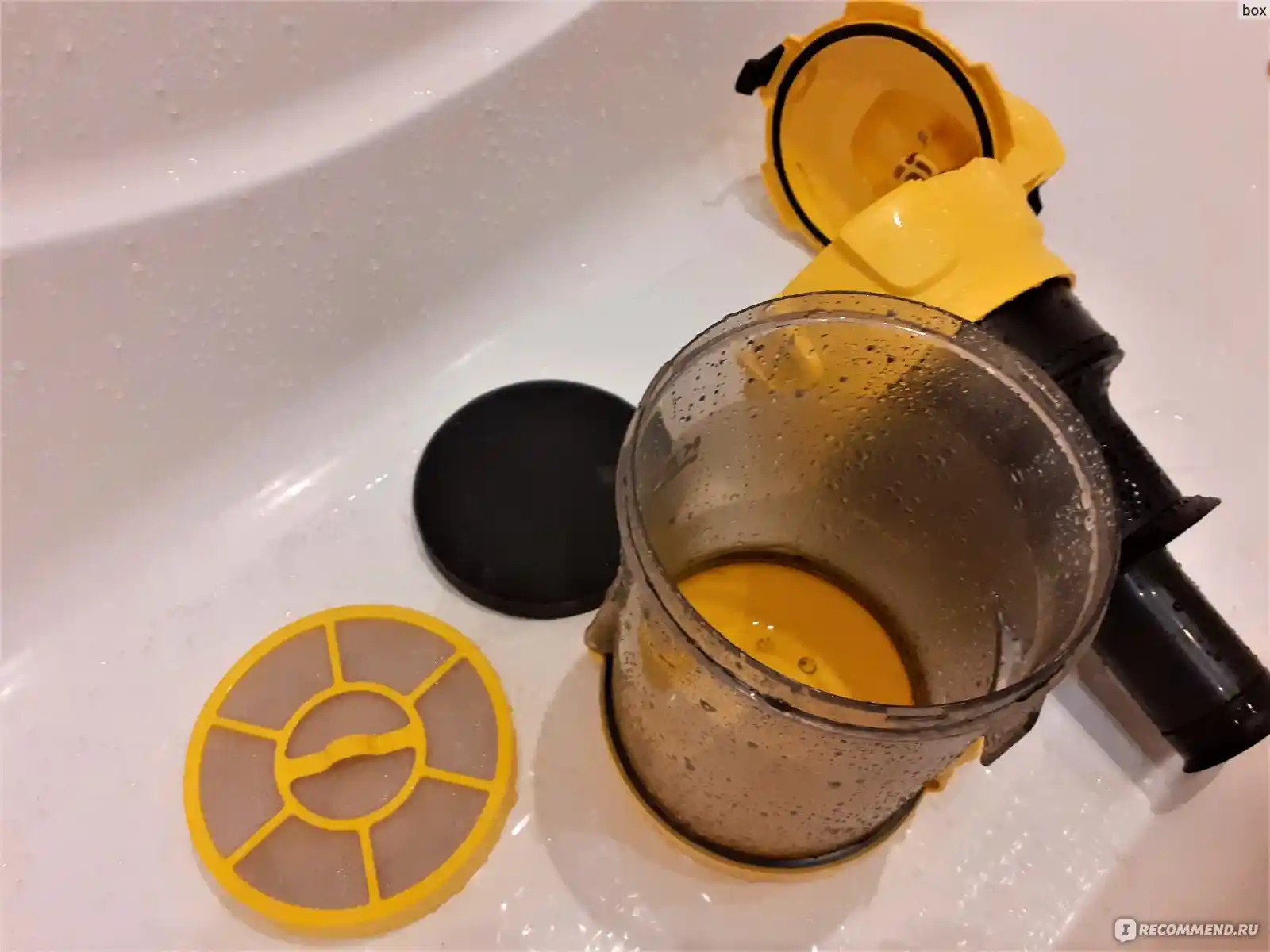
Keeping your vacuum cleaner in peak condition is essential, whether you use it at home, in an office, in a warehouse, or on industrial sites. One of the most overlooked yet critical tasks for maintaining strong suction, air quality, and machine longevity is cleaning the vacuum cleaner filter correctly.
At Pressure King Inc., New Jersey’s leading provider of premium commercial cleaning equipment, we know that a clean filter isn’t just good maintenance, it’s vital for equipment performance and overall indoor cleanliness. In this comprehensive guide, we’ll walk you through everything you need to know, from why filter care matters to step‑by‑step cleaning instructions, when to clean, and how to prevent damage.
Why is Cleaning Your Vacuum Cleaner Filter Important?
Your vacuum cleaner is one of the most essential tools for maintaining a clean, healthy environment. However, without regular maintenance, it can quickly lose efficiency. The filter plays a critical role in capturing dust, allergens, and other particles, preventing them from being released back into your indoor air. Over time, as dirt and debris accumulate in the filter, it becomes clogged, restricting airflow and decreasing suction power.
A dirty filter can put unnecessary strain on the vacuum motor, leading to overheating and reducing the overall lifespan of the machine. This is why keeping your vacuum filter clean is essential, especially in commercial and industrial settings where performance and cleanliness are crucial.
Different Types of Vacuum Cleaner Filters
Before jumping into the cleaning process, it’s important to understand the different types of filters your vacuum might have. Cleaning techniques can vary depending on the filter type, so knowing which one you’re dealing with is the first step.
1. Foam Filters
Foam filters are commonly found in canister and wet/dry vacuums. They capture larger debris and dust particles before they reach the main filter. Foam filters are typically washable, making them easy to maintain. However, if not cleaned regularly, they can become clogged, reducing their effectiveness.
2. HEPA Filters
HEPA (High-Efficiency Particulate Air) filters are designed to trap fine particles, including dust mites, pollen, pet dander, and other allergens. They’re commonly used in homes and businesses that require high air quality, such as healthcare facilities or homes with pets. Some HEPA filters are washable, while others need to be replaced after a certain period or usage level. HEPA filters can be a bit more delicate, so it’s crucial to follow manufacturer instructions carefully.
3. Paper or Pleated Filters
Pleated filters are designed to capture smaller particles and are often disposable. Unlike foam or HEPA filters, paper filters cannot be washed and must be replaced once they become too clogged or dirty. These filters are ideal for capturing finer dust, but they do need to be replaced periodically.
4. Charcoal Filters
Charcoal filters are commonly used in vacuums designed to reduce odors. They absorb and neutralize bad smells, leaving the air fresh and clean. These filters are usually not washable and need to be replaced when they lose their effectiveness.
How Often Should You Clean Your Vacuum Filter?
How often you clean your vacuum filter depends on the frequency of use and the environment in which it’s used. For commercial and industrial vacuums, where they’re used heavily, weekly cleaning is recommended to keep everything running smoothly. For home use, cleaning every 1-2 months should be sufficient.
If you notice reduced suction power, unusual smells, or dust escaping from the vacuum, it’s time to clean the filter, regardless of when you last did it.
Step-by-Step Guide to Cleaning Your Vacuum Filter
Now that you understand the importance of keeping your vacuum filter clean, let’s dive into the step-by-step process for cleaning your vacuum filter properly.
1. Turn Off and Unplug the Vacuum
Always unplug the vacuum before attempting to clean any part of it. This is essential for safety and prevents any accidental injuries while handling the vacuum components.
2. Remove the Filter
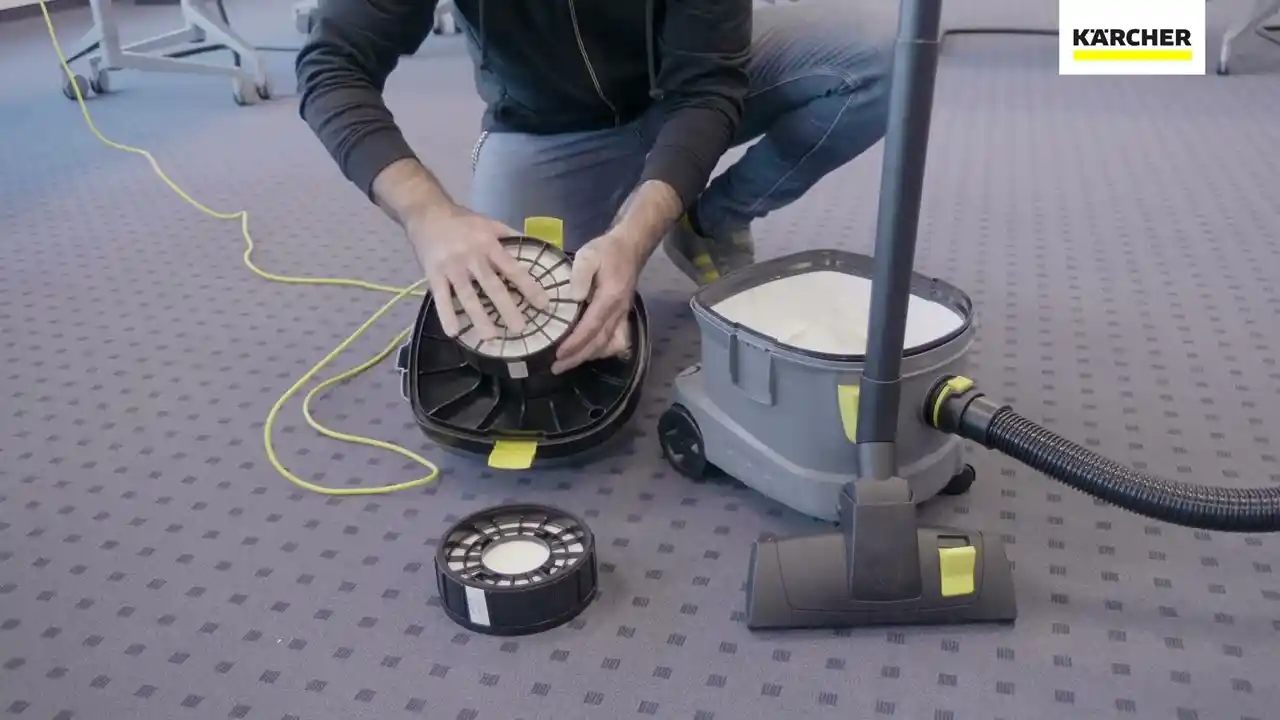
The next step is to locate and remove the filter. Filters are typically located in the dust canister, near the motor, or behind the vacuum bag. Check your vacuum’s user manual for precise instructions on how to access and remove the filter.
3. Tap the Filter to Remove Loose Debris
Once the filter is removed, gently tap it against a trash can or outside on a hard surface. This helps shake loose dirt and debris out of the filter without causing damage. Make sure to do this gently, as excessive force can harm the filter.
4. Wash the Filter (If Washable)
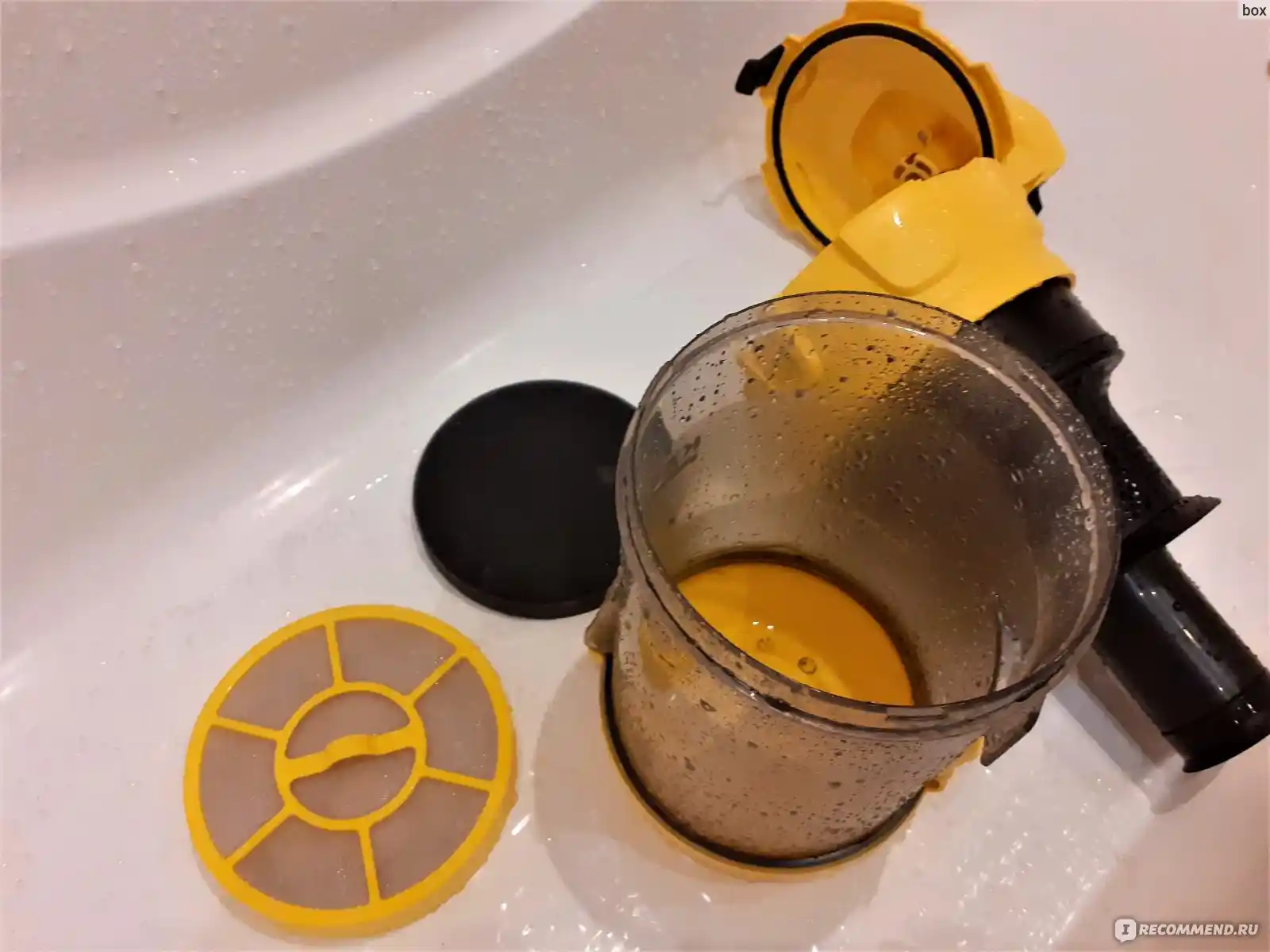
If you have a washable filter, rinse it under cold or lukewarm running water. Avoid using hot water, as this can damage the filter material. If the filter is foam, you can also use mild dish soap mixed with water.
For HEPA filters, check the manufacturer’s instructions to ensure that they are washable. Some HEPA filters should only be shaken or tapped to remove debris, while others can be rinsed.
5. Dry the Filter Thoroughly
After washing the filter, it’s crucial to let it dry completely. Air-drying the filter is the best method. Place it in a warm, dry area away from direct sunlight or heat sources, which could cause the filter to warp or lose its integrity. Depending on the material, drying may take several hours or even a full day.
6. Reinstall the Filter
Once the filter is completely dry, reinstall it back into the vacuum. Make sure the filter fits securely in place and that the vacuum is properly reassembled before use.
How to Maintain Your Vacuum Filter for Longevity
Regularly cleaning your vacuum filter is essential, but there are other maintenance tips that can extend the lifespan of your filter and vacuum.
1. Empty the Dustbin Regularly
Before cleaning the filter, ensure that the dustbin or vacuum bag is emptied. A full dustbin will restrict airflow and make the filter work harder, which could reduce its effectiveness.
2. Clean Other Parts of the Vacuum
While you’re cleaning the filter, take the opportunity to clean other parts of the vacuum as well. For example, the brush roll, hoses, and attachments should be checked for blockages and cleaned regularly to ensure maximum performance.
3. Replace Filters When Needed
Over time, filters will degrade and lose their ability to trap dust and allergens. If the filter appears cracked, torn, or permanently clogged, it’s time for a replacement. Be sure to replace the filter as recommended by the manufacturer to maintain the vacuum’s efficiency.
Vacuum Filter Maintenance in Commercial Settings
For businesses that rely on heavy-duty vacuuming, such as in hotels, warehouses, or cleaning services, proper filter maintenance is even more critical. At Pressure King Inc., we understand the importance of maintaining your cleaning equipment. That’s why we offer high-performance commercial vacuum cleaners, replacement filters, and maintenance services designed to keep your machines running smoothly in any environment.
Conclusion
Cleaning your vacuum cleaner filter is one of the easiest and most effective ways to maintain your vacuum’s performance. Whether you use your vacuum regularly at home or in a commercial setting, keeping the filter clean will enhance suction power, prolong the machine’s lifespan, and improve indoor air quality.
At Pressure King Inc., we provide top-quality cleaning equipment for businesses across New Jersey. If you’re in need of replacement filters or expert advice on maintaining your vacuum or other cleaning equipment, we’re here to help. Contact us today to learn more about our products and services.
Frequently Asked Questions
What is the best way to clean a vacuum filter?
The best way to clean a vacuum filter depends on the type of filter you have. For foam filters, rinse them under cold water to remove dust and debris. HEPA filters should be gently shaken to remove loose particles, and some can be washed with cold water (check the manufacturer’s instructions). Avoid using hot water, as it can damage the filter. After cleaning, air-dry the filter completely before reinstalling it into the vacuum to ensure optimal performance.
Can you wash and dry vacuum filters?
Yes, many vacuum filters are washable, including foam and some HEPA filters. To wash them, rinse under cold water until the water runs clear. Avoid using hot water or harsh chemicals. Once washed, air-dry the filter completely in a warm, dry place, do not use direct heat or sunlight, as this could cause damage. Ensure the filter is thoroughly dry before reinstalling to prevent mold growth and vacuum damage.
Can I put vinegar in my filter to clean it?
It’s not recommended to use vinegar directly on your vacuum filter, especially on HEPA filters. Vinegar could damage the filter material. Instead, wash your filter with cold water or mild soap for foam filters. If the filter has heavy dirt buildup, consider gently tapping it or brushing off debris before washing. Always check the manufacturer’s guidelines for proper cleaning instructions.
Can I use Dawn dish soap to clean my air filter?
Yes, you can use Dawn dish soap to clean foam filters. Mix a small amount of dish soap with warm water, then soak and gently scrub the filter to remove dirt and debris. Rinse thoroughly with cold water to remove any soap residue. Avoid using dish soap on HEPA filters, as it could damage them. Always follow the manufacturer’s instructions for the best cleaning practices.