


Michael Adeniran is the CEO of Pressure King Inc. He has been dealing in commercial cleaning equipment for many years. He is one of the leading specialists and experts in commercial cleaning products.


A tile floor is a popular type of flooring used in business and industry because of its durability, resistance to water, and business-like appearance. Nevertheless, clean tile floors, particularly the grout lines, cannot be maintained by regular mopping. Gradually, dirt, grease, bacteria, and contaminants will set in the deep grout pores, which will render the floors look dirty and unhygienic.
This exhaustive manual is given on how to clean the grout of tile floors by commercial steam cleaners, with special consideration of industrial tile and grout cleaning. You will know the effective techniques, best practices, equipment suggestions, and professional tips to get deep and chemical-free sanitation.
Why Tile and Grout Get So Dirty (Especially in Commercial and Industrial Spaces)
Tile may be easy to clean, but grout is a different story. Grout is porous, which means it absorbs liquids, oils, dirt, and bacteria quickly. In commercial and industrial settings, this problem is amplified due to constant foot traffic and operational activities.
Warehouses, factories, commercial kitchens, hospitals, and retail spaces experience frequent exposure to grease, chemicals, dust, and moisture. Without deep cleaning, grout darkens, harbors bacteria, and creates slip hazards. Understanding how to clean floor tile grout properly is essential for maintaining hygiene, safety, and a professional appearance.
Why Steam Cleaning Is the Most Effective Method for Tile and Grout
Old-fashioned mopping and chemicals are not capable of removing stubborn dirt. They, in most instances, fill grout lines instead of clearing them. Steam cleaning, however, involves a method of cleaning that involves a high-temperature vapor to enter the grout pores and dissolve the hard-to-clean deposits.
Use of steam cleaning is accepted as the best and environmentally friendly solution to tile floors. It solves the challenge of how to clean commercial tile floors without damaging surfaces or exposing workers to harsh chemicals.
Key Advantages of Steam Cleaning:
- Penetrates grout pores deeply
- Kills bacteria, mold, and pathogens
- Eliminates grease and oils
- Leaves no chemical residue
- Safe for industrial environments
This makes steam cleaning ideal for both daily maintenance and periodic deep cleaning.
Understanding Commercial Steam Cleaners
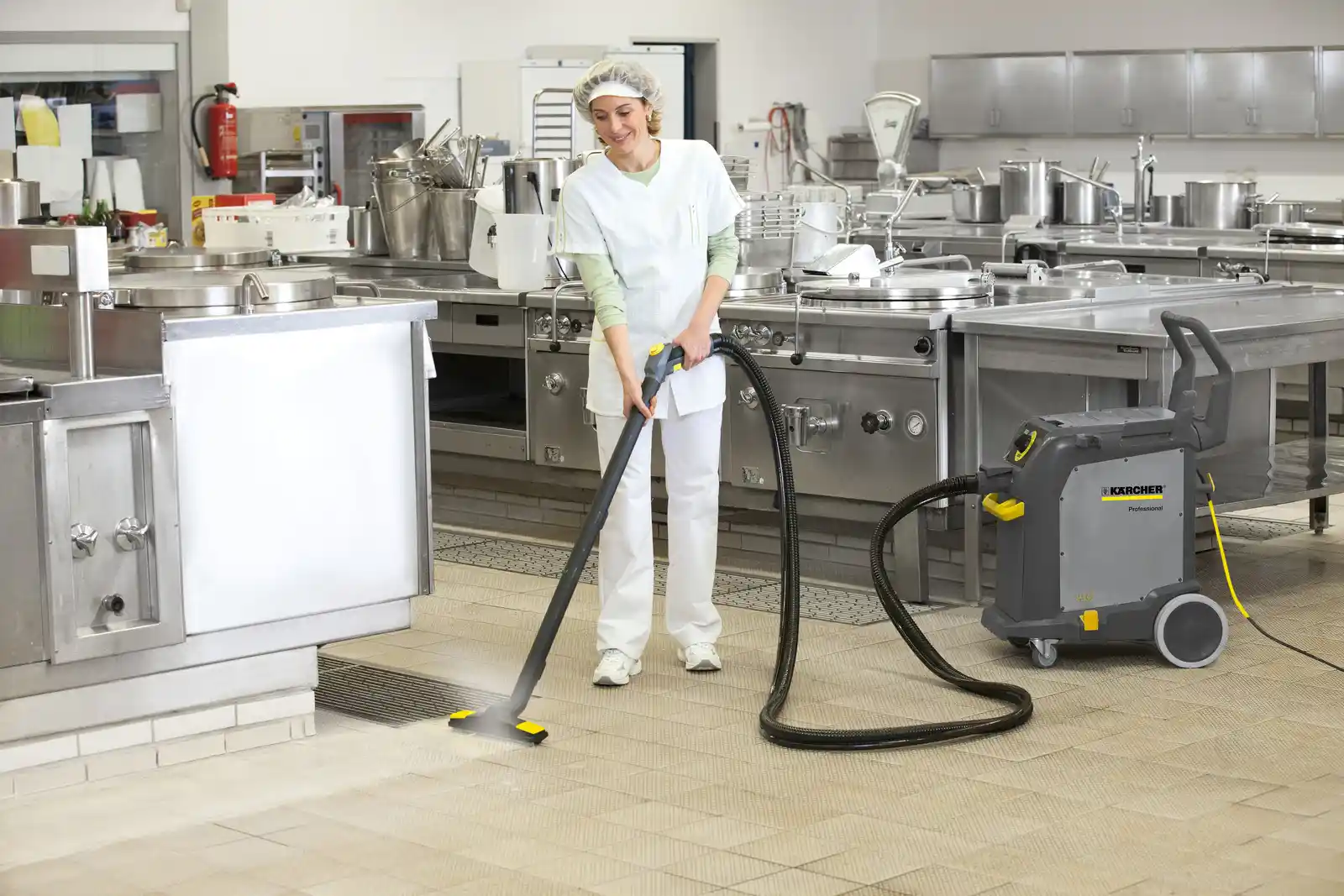
Before learning how to Steam Clean Grout, it’s important to understand the equipment involved. Residential steam cleaners are not designed for continuous operation or heavy contamination. Commercial steam cleaners are built for demanding workloads and large surface areas.
These machines generate higher steam temperatures and pressure, allowing them to sanitize tile and grout effectively in industrial settings. They are essential tools for professional cleaners who need consistent results across large facilities.
What Makes Commercial Steam Cleaners Different:
- Industrial-grade boilers
- Higher steam pressure
- Continuous refill capability
- Long operational cycles
- Multiple specialized attachments
Choosing the best SGV 8/5 CLASSIC Steam Cleaner for tile and grout ensures efficiency, safety, and long-term performance.
How to Clean Grout on Industrial Tile Floors Using Steam Cleaners (Step-by-Step)
The industrial tile floors are subjected to very high standards, which include high traffic of heavy machines, oil deposits, spillage of chemicals, accumulation of greases, and foot traffic. With time, lines of grout take in these contaminants and grow as breeding places of bacteria and safety risks. Steam cleaning is the most suitable, chemical-free process of restoring the cleanliness of grouts in the industrial setting and complying with the standards of hygiene and compliance.
Step 1: Conduct a Site Assessment and Safety Preparation
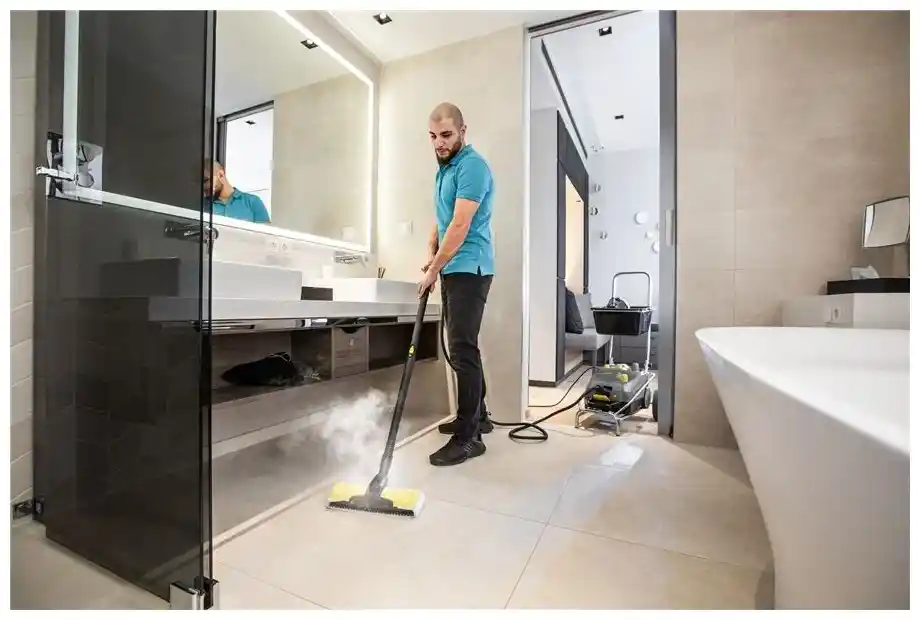
To prepare an area before cleaning, conduct an examination of the floor space to identify areas with high soil, grease, and chemical leftovers and damaged grout. Get the space guarded with safety signs and keep the foot traffic minimal. The safety of workers is also a priority in the industrial facilities where proper PPE, including gloves, slip-resistant footwear, and eye protection, should be put in place during the cleaning process.
Step 2: Remove Loose Debris and Industrial Contaminants
Industrial floors accumulate heavy dust, metal shavings, sand, and solid debris. Sweep or use an industrial vacuum to remove loose particles before steam cleaning. This step prevents abrasive materials from spreading when steam is applied and allows the steam to penetrate directly into the grout pores.
Step 3: Use a High-Capacity Commercial Steam Cleaner
Select the best commercial steam cleaner for tile and grout with high-temperature output, continuous refill, and enough pressure to be used in industries. These machines produce dry vapor steam, which gets deep into grout lines, loosening grease, oils, bacteria, and dirt without adding unwanted moisture.
Step 4: Attach Precision Grout Cleaning Tools
The cleaning of the grouts in industries demands focused steam injection. Apply thin nozzles, detail lances, or rigid grout brush attachments, which are made to do tough cleaning. A floor cleaner that uses steam helps in cleaning tile grout without destroying other tiles and coatings on the surface.
Step 5: Apply Steam Methodically Across Grout Lines
Work in controlled sections, slowly directing steam along each grout line. Allow the heat to dwell momentarily on heavily soiled areas. This step demonstrates how to Steam Clean Grout effectively in industrial environments, where contaminants are often deeply embedded and require sustained heat exposure to release.
Step 6: Agitate Stubborn Industrial Buildup
Light agitation can be required in those areas that are subjected to grease, oils, or residues of chemicals. During steaming, use the grout brush attachment in the process of removing stubborn buildup. This combination move is particularly efficient in food processing plants, loading docks and flooring manufacturing.
Step 7: Extract Contaminants Immediately
After loosening, take them off as soon as possible with microfiber mops, industrial squeegees, or wet vacuums. Timely extraction helps to avoid re-soiling and reduce the risk of redistribution of contaminants in clean grout lines, which is a very important measure in keeping hygiene standards in production plants.
Step 8: Rinse with Steam Only (No Chemicals)
For industrial environments, avoid harsh chemicals that can damage grout or violate safety protocols. Perform a final steam pass to rinse grout lines using vapor only. This reinforces sanitation while preserving grout integrity and extending floor lifespan.
Step 9: Accelerate Drying and Ventilation
Dry faster with industrial air movers, exhaust systems, or facility ventilation. Although steam cleaning does not consume a lot of water, there is adequate air circulation, which reduces the risk of slipping, and the floors are ready to reopen and resume operations within a short time.
Step 10: Inspect Results and Schedule Preventive Maintenance
After drying, inspect grout lines for consistent cleanliness and color. For high-use industrial floors, establish a scheduled steam-cleaning maintenance plan to prevent buildup and reduce long-term restoration costs.
How to Clean Commercial Tile Floors Efficiently
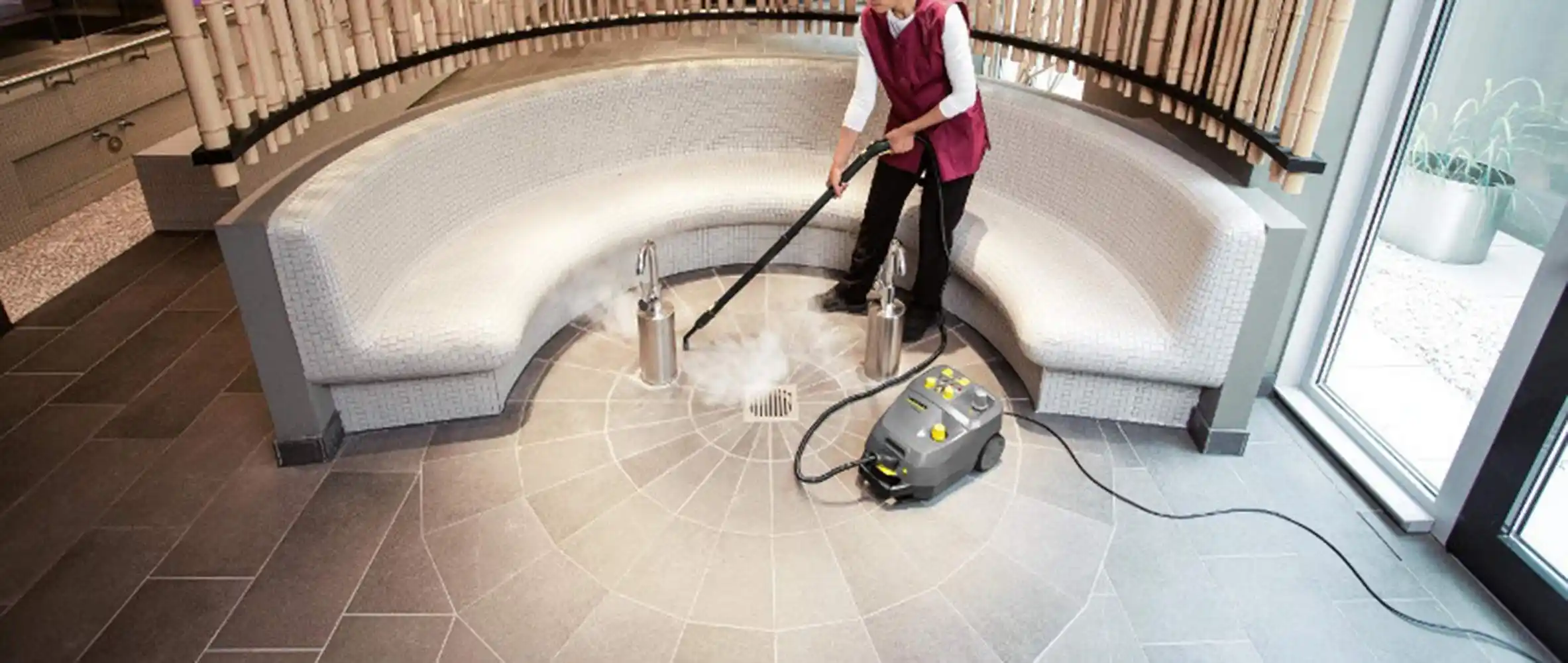
Steam cleaning commercial floors is about efficiency as much as effectiveness. Unlike residential settings, commercial facilities cannot afford downtime or inconsistent results.
When addressing how to clean commercial tile floors, professionals use the San G 4/4 steam cleaner to reduce labor time while increasing cleaning quality. High-pressure steam loosens dirt quickly, allowing large areas to be cleaned in less time.
Steam cleaning also reduces water usage, making it ideal for environmentally conscious operations.
Why Steam Cleaning Is the Gold Standard for Industrial Tile and Grout Cleaning
Industrial facilities require cleaning solutions that meet strict hygiene, safety, and environmental standards. Steam cleaning excels in all three areas.
Steam:
- Sanitizes without chemicals
- Reduces water consumption
- Improves indoor air quality
- Handles heavy contamination
- Meets regulatory requirements
For industrial tile floors, steam cleaning is not optional, but it’s essential.
Final Thoughts
To understand how to clean the grout on tile floors effectively, one needs to have the right equipment, technique, and a desire to clean it thoroughly. Steam cleaning provides unparalleled performance for both industrial and commercial applications.
Using tips on how to clean floor tile grout, how to Steam Clean Grout, and the best commercial steam cleaner for tile and grout, businesses can have safer and more lasting floors.
Steam cleaning is not just a cleaning technique, but a professional requirement of contemporary facilities.
Frequently Asked Questions
Will a steam cleaner clean floor tile grout?
Yes, a steam cleaner is an effective tool in cleaning the tile grout on the floor because it works with high-temperature vapour, which loosens dirt, grease, and bacteria that are embedded on the floor. Commercial steam cleaners are used to enter porous grout lines to get rid of them without using chemicals, and restore grout color and enhance hygiene.
What is the best way to clean commercial tile floors?
Commercial tile floors should be cleaned by a commercial steam cleaner or floor scrubber. Steam cleaning in-depth cleans grout, kills bacteria, and minimizes the use of chemicals, hence ideal in high-traffic needs such as warehouses, hospitals, and commercial kitchens.
What are the downsides of steam cleaning?
The steam cleaning process might not be applicable in case of broken grout, tiles that are sensitive to heat, or poorly sealed surfaces. Inappropriate technique may introduce moisture in cracks. Professional-grade equipment with appropriate attachments will reduce risks and provide effective and controlled cleaning outcomes.
Do you have to reseal grout after steam cleaning?
Resealing grout after steam cleaning is recommended, especially in commercial or industrial spaces. Steam removes contaminants and old seal residue, leaving grout exposed. Applying a quality grout sealer helps prevent future staining, moisture absorption, and long-term surface deterioration.