

How To Siphon Gas Safely
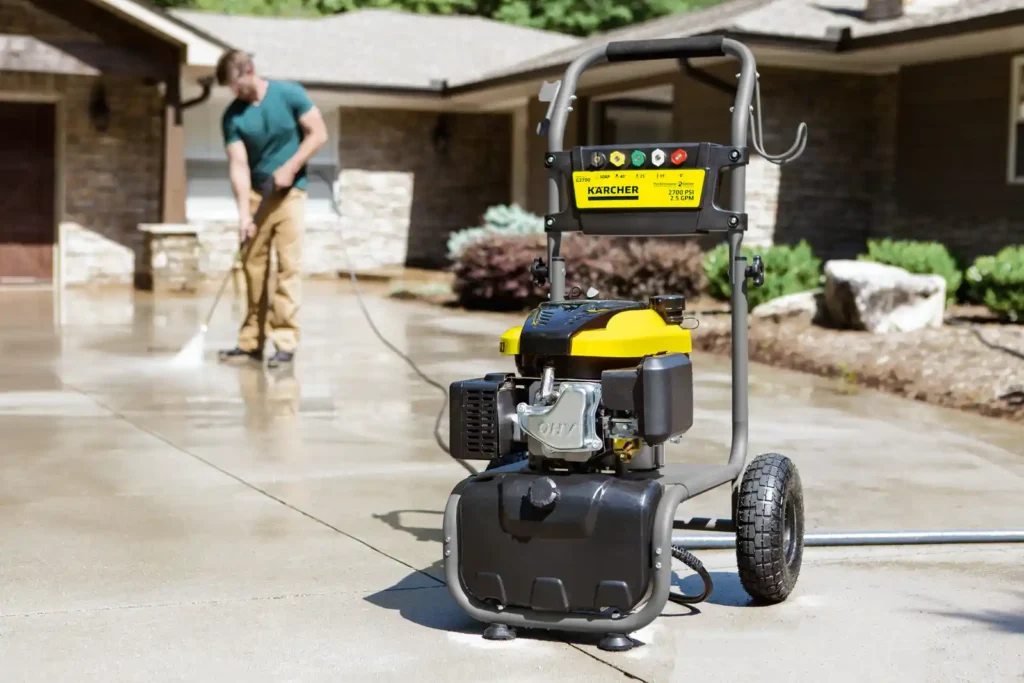
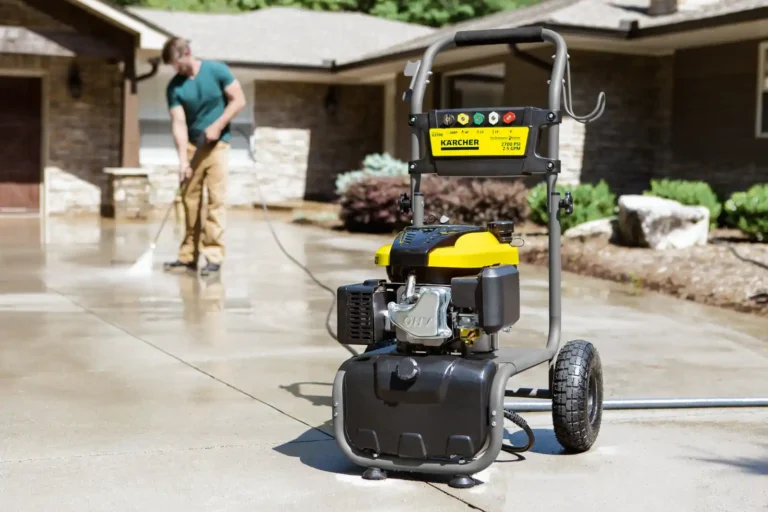
Although you may not do it every day, understanding how to siphon gas safely and securely is essential when the situation requires it. Learning the technique of siphoning will benefit anyone operating gas-powered equipment, from fuel transfers and machine preparation for storage to simple equipment repair. You’re in the right place if you’re ready to maximize the performance of your gas-powered equipment.
For owners of pressure washers, especially, the need to properly control fuel is crucial. Over time, improper fuel handling can damage your machine, increase maintenance expenses, and lead to operational problems. This article not only guides you through the siphoning procedure but also emphasizes techniques to maintain your gas-powered pressure washer, ensuring it runs at maximum performance.
Key Takeaways
- Always let the engine cool before handling gasoline.
- Work outdoors and keep flames, sparks, and cigarettes away.
- Use a gasoline-rated siphon pump instead of mouth suction.
- Transfer fuel into an approved container and monitor it continuously.
- Never use household vacuums or electrical pumps around gasoline.
- Follow the manufacturer’s storage instructions for your pressure washer.
- Dispose of old or spilled gasoline safely according to local regulations.
Essential Gas Siphoning Safety Rules
Before learning how to safely siphon gas, it is important to understand the risks. Gasoline is highly flammable, and its fumes can cause dizziness, breathing difficulties, fire, or explosion.
Follow these precautions before starting:
- Only remove gasoline from equipment or vehicles that you own or are authorized to service.
- Turn off the engine and allow it to cool completely.
- Work outdoors or in a well-ventilated location.
- Keep cigarettes, flames, heaters, electrical switches, and sparks away.
- Wear fuel-resistant gloves and protective eyewear.
- Use a manual siphon pump specifically rated for gasoline.
- Transfer gasoline into an approved fuel container.
- Never start a siphon by using your mouth.
- Keep absorbent material nearby in case of a small spill.
- Follow local regulations when disposing of stale or contaminated gasoline.
These precautions are essential for anyone researching how to siphon gas safely from a pressure washer or another piece of gas-powered equipment.
Syphon Gas: Step-by-Step Guide
Use these guidelines to safely and adequately siphon gas. First, gather your tools so you are fully prepared for the current job.
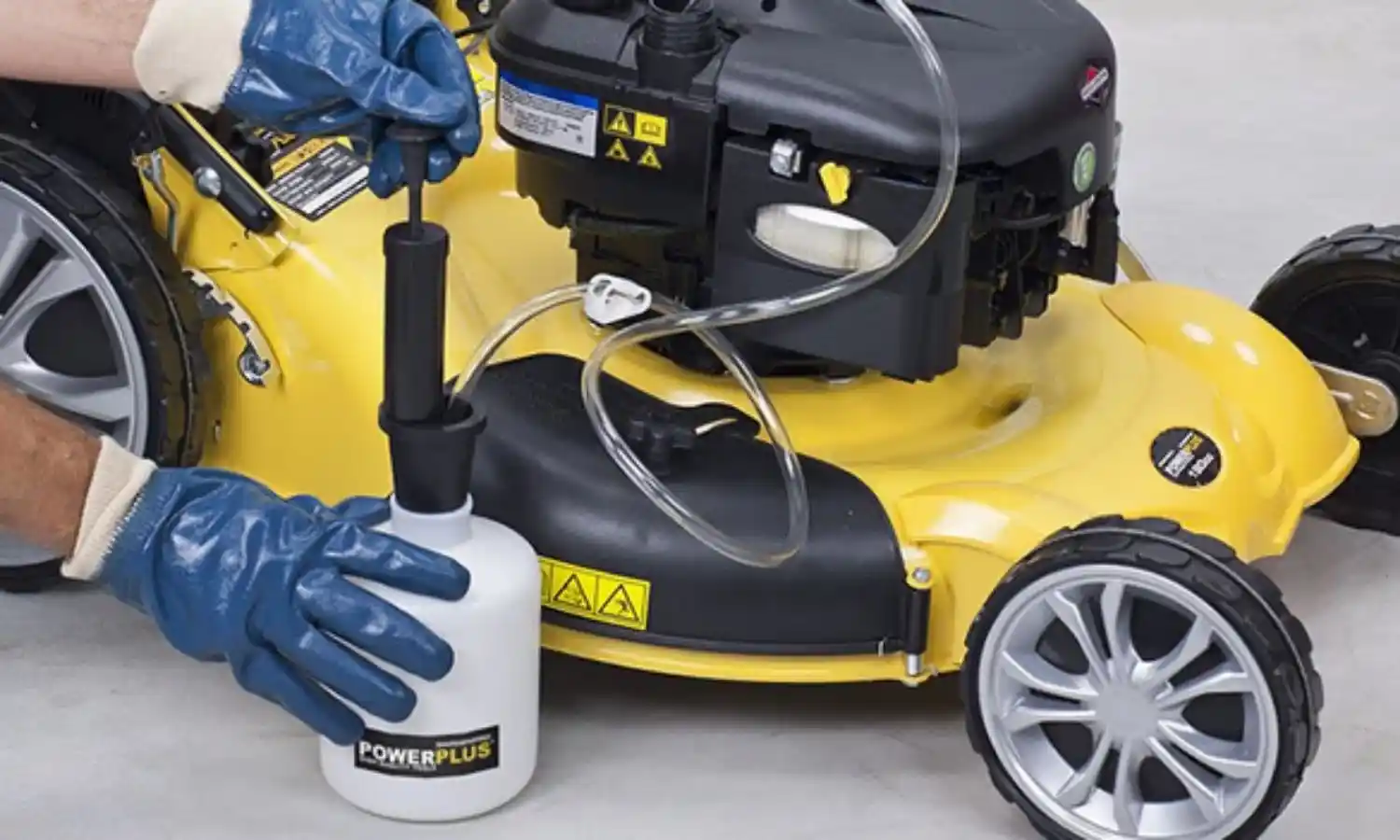
Tools You’ll Need
- Either a clean hose or a siphon pump
- A fuel container (ensure it’s large enough and clean for your purposes).
- Goggles and safety gloves
- A well-ventilated environment
Step 01: Prepare Your Workspace
Set up your tools in a well-ventilated or outdoor space to prevent exposure to potentially hazardous fumes. For simple access, keep your siphoning tools and container nearby.
Step 02: Plug The Hose
Till the hose almost reaches the bottom, insert one end into the gas tank. Your container should hold the opposite end firmly in place. Always ensure your container is fuel storage certified to prevent mishaps.
Step 03: Generate Suction
Begin fuel removal with your siphon pump. If you are using ‘hose’ instead, you will need to create suction manually. Exercise caution, as unintentional intake or exposure to fumes may be dangerous.
Step 04: Stop and Drain
Let the gas run completely or until the container is full. Carefully remove the hose after it is completed to prevent drips or spillage.
Safety Note: Never siphon by mouth in the absence of dependable safety precautions.
This technique is essential for every owner of a pressure washer who handles fuel-related chores, including gasoline transfers or machine maintenance.
Seeking accessories to enhance maintenance? Explore pressure washer accessories
Step 05: Never Generate Suction With Your Mouth
The safe way to generate suction is with a gasoline-rated manual siphon pump. Never place a fuel hose in your mouth. Swallowing gasoline or drawing it into the lungs can cause severe and potentially life-threatening injuries. Do not use an ordinary household vacuum, drill-powered water pump, or electrical pump that is not specifically rated for gasoline. Electrical motors and switches can ignite fuel vapors.
If gasoline is swallowed or inhaled, move away from the fumes and contact emergency services or a poison-control center immediately. Do not induce vomiting unless instructed by a medical professional.
Safe Siphoning Process at a Glance
The following process provides a quick reference for how to safely siphon gas:
| Stage | Recommended action | Important precaution |
| Preparation | Allow the engine to cool | Keep away from flames and sparks |
| Equipment | Use a gasoline-rated siphon pump | Never use mouth suction |
| Container | Use an approved fuel container | Confirm it has enough capacity |
| Positioning | Place the container below the tank | Keep it stable and upright |
| Transfer | Monitor the fuel continuously | Never leave the process unattended |
| Completion | Drain the hose carefully | Prevent gasoline from dripping |
| Storage | Seal the fuel container | Follow local fuel-storage rules |
The pressure washer’s instruction manual should take priority because fuel-system designs and draining procedures can differ between machines.
Why Pressure Washer Owners Might Need This
Although highly efficient, pressure washers run on gasoline that must be carefully managed to run at their optimum. Knowing how to siphon gas can be especially helpful for these machines in several ways.
1- Preparing For Long-Term Storage
Leaving gas in your pressure washer tank when the cleaning season ends can cause buildup, blockages, and potentially damage internal components. The good preparation of your machine for long-term storage depends on efficient gas siphoning. Do you need some storage ideas for your pressure washer? Refer to the pressure washer buy guide to gain a deeper understanding of your equipment options and storage ideas.
2- Job Site Fuel Sharing
Often, job sites have multiple gas-powered tools. You may need to transfer gasoline from one container to another, such as from your pressure washer to your generator. A fast and effective way to ensure continuous operations is siphoning. See our Commercial Pressure Washers Store for fuel-efficient models best for professionals, along with pressure washer wands ideas.
3- Empty Fuel Before Repairing Damage
Has your machine been sent for repairs? Many service centers call for you to empty the gasoline tank. Siphoning gas out helps your equipment be ready for professional servicing without running the risk of damage on the way and dealing with obsolete or damaged components. For better results, consider switching to a soft wash spray gun – 8 gpm flow rate.
How to Safely Siphon Gas From a Car
Anyone researching how to safely siphon gas from a car should understand that many modern vehicles contain anti-siphon screens, rollover valves, narrow filler necks, and complex fuel systems. Only remove gasoline from a car you own or are authorized to service. Check the vehicle’s owner or service manual before inserting any equipment into its fuel-filler opening. Never force a hose through the filler neck or attempt to bypass an anti-siphon device. Doing so may damage the tank, filler assembly, rollover valve, or emissions system.
If the manufacturer permits fuel removal through the filler neck, turn off the vehicle and allow the engine and exhaust to cool. Work outdoors, remove all possible ignition sources, and use automotive fuel-transfer equipment rated for gasoline. Collect the fuel in an approved container. When the tank is inaccessible or protected by an anti-siphon system, contact a qualified automotive technician.
How Can You Siphon Easily?
If you have never done siphoning before, it may seem daunting, but there are tools and techniques designed to simplify the process significantly. One of the simplest approaches is the use of a siphon pump.
Why Install a Siphon Pump?
A siphon pump helps manage fuel flow and replaces the potentially dangerous hand suction needed. To use it, insert the outlet into your container and link the intake hose to the tank. Starting the fuel flow, squeeze or pump the apparatus to produce a vacuum.
A transparent hose can still accomplish the task if you do not have a siphon pump. Although a little less handy, it works well when combined with the correct technique. To maximize gravity, which, once suction is generated, helps the fuel flow naturally, ensuring the container is always lower than the tank.
How to Select a Safe Siphon Pump
The siphon pump and its hoses must be designed specifically for gasoline. A pump intended only for water may soften, leak, or fail after exposure to fuel. Before starting, confirm that the pump is rated for gasoline transfer and that its hoses are made from fuel-compatible material. Inspect the pump, bulb, valves, and connections for cracks, cuts, deterioration, or loose parts. The pump should also have clear intake and outlet markings.
Use a clean, approved gasoline container with enough capacity for the transfer. A manual bulb-style or hand-operated fuel pump is generally more suitable than improvised tools. Always follow the pump manufacturer’s instructions.
Tips For Maintaining Gas-Powered Cleaning Equipment
Ensuring the lifetime of your pressure washer depends on both fuel management and proper maintenance. This professional advice should help you keep your gas-powered pressure washer in optimum condition.


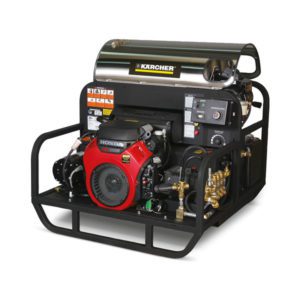


Use Premium Fuel
Older or low-quality fuel can damage your engine and reduce its performance. Choose only premium, pure gas. If you believe contamination exists, clean your storage tank with a heavy equipment detergent. Use this professionally recommended heavy equipment detergent for your gas-powered pressure washer.
Important Fuel-Tank Cleaning Clarification
Never put heavy equipment detergent, alkaline cleaner, water, degreaser, or pressure washer detergent inside a gasoline tank. These products can contaminate the fuel system and damage the engine. Use cleaning chemicals only for compatible external equipment surfaces and according to their labels. If a fuel tank contains dirt, rust, water, or other contamination, ask a qualified small-engine technician to inspect and clean it properly.
Always use the fuel type and octane level recommended in the pressure washer’s engine manual. Premium gasoline is not automatically required or better for every engine.
Empty The Tank For Storage
Completely siphon off the gas from the tank if you intend to keep your machine for extended periods. Leftover fuel can break down and damage internal systems. Searching for equipment cleanup solutions? Many machine components can be kept in good condition with a general purpose alkaline cleaner – concentrate.
Either Replace Or Clean Filters
Check your pressure washer’s fuel filter often. This is a crucial first step in care, as dirt or obstructions may hinder proper performance. See our pressure washer hose buyers guide for a comprehensive overview of pressure washer accessories.
Apply Stabilizer
Particularly in seasonal-use machines, fuel additives or stabilizers help your gas last longer. Stabilizers are a dependable choice to prevent gum accumulation. You should use a stabilizer to protect your gas-powered pressure washer.
Siphoning Alone May Not Empty the Fuel System
Removing gasoline from the main tank may still leave fuel inside the carburetor, filter, and connecting lines. Therefore, siphoning may only be one part of preparing a pressure washer for long-term storage.
Depending on the manufacturer’s directions, you may also need to close the fuel shutoff valve, drain the carburetor bowl, run treated fuel through the system, or operate the engine until it stops. Some manufacturers recommend adding an approved fuel stabilizer instead of completely draining the system. Always follow the pressure washer and engine manuals because the correct storage procedure varies by model.
When Should You Upgrade Your Machine?
Eventually, even the best-maintained and up-to-date gas-powered pressure washers require replacement. Here’s how one determines whether an upgrade is warranted.
Repeated siphoning, caused by fuel line damage or poor performance, may indicate a fundamental issue. Designed for heavy-duty use, machines such as the hot water pressure washer can be an excellent choice if your present equipment is failing.
Older machines may not be compatible with contemporary cleaning techniques or fuel-efficient technologies. Here is where improvements can significantly increase outcomes and convenience. See our top pressure washer brands for further information on excellent machines.
Typical Mistakes to Avoid While Syphoning Gas
Just as important as knowing the siphoning process is knowing what not to do. These are some mistakes you should avoid:
Neglecting Safety Precautions
Failing to wear gloves and goggles or working in a poorly ventilated area can expose you to hazardous fumes or cause skin irritation. Always ensure the necessary measures protect you.
Using Incorrect Containers
Fuel left in non-certified containers may leak or spill. Use premium gasoline cans and other containers meant to handle gas safely.
Not Remembering To Seal The Tank Afterward.
Always ensure the tank is secured correctly once you have siphoned fuel to prevent evaporation or contamination.
Not Using A Heavy-Duty Degreaser
A Heavy-Duty Degreaser will help you maintain everything in peak condition and provide a strong solution for removing pollutants from your pressure washer.
Advantages of Switching to Modern Equipment
Advanced features on modern machines simplify tasks such as cleaning, fuel handling, and maintenance. Here are a few benefits:
Improved Gas Efficiency
Modern pressure washers are designed to run on gas more efficiently, thereby lowering not only expenses but also the frequency of refueling.
Improved Safety Attributes
To stop mishaps or overheating, newer equipment can incorporate built-in safety systems, including automatic shut-offs.
Lower Maintenance Requirement
Modern machinery requires less frequent maintenance due to improved design and engineering, thereby saving you time and effort. For the best maintenance solutions, look through our selection of industrial cleaning chemicals.
How Easily Can One Empty a Gas Tank?
Draining a gas tank is not a difficult task. The size of the tank, your current tools, and the surroundings in which you are operating will determine the easiest way.
Simple and Fast Methods
Making use of the built-in drain valve
Modern gas-powered pressure washers, among other devices, have a particular drain valve for fuel removal. Look for it in the manual of your equipment.
Tools for Syphoning
Fast and simple gasoline removal is accomplished with a siphon pump. Small gas tanks frequently seen in pressure washers benefit greatly from pumps.
Disassemble the tank (if necessary).
You can separate tanks with limited access to drain them. Although it requires more work, this is great for complete cleanouts.
Don’t ignore consistent upkeep! Use our pressure washing deep clean guide to learn more about maintaining the top performance of your pressure washer.
When Professional Fuel Removal Is Safer
Professional assistance is the safer option when the fuel tank is difficult to access, the machine has a persistent leak, or the fuel valve is damaged. You should also contact a technician when gasoline is heavily contaminated or the tank and fuel lines show signs of corrosion. Do not disassemble the fuel tank if you are unfamiliar with the engine or its fuel system. A qualified technician can remove the gasoline and inspect the carburetor, filter, valves, hoses, and tank for damage.
Professional service is also recommended when the manufacturer requires a specific fuel-removal procedure or when you do not have an approved siphon pump and gasoline container.
How Do You Empty Gas From Your Tank?
The level of gasoline left and the removal purpose will determine how safely you remove gas from your pressure washer tank. Here is a detailed approach you could use. Change into gloves and safety eyewear before handling gasoline. Work in a garage with lots of ventilation or an open environment. Ready with your storage container and siphoning tools?
Now insert the hose so that one end rests near the bottom of your fuel tank. Position the container below the fuel tank, allowing gravity to assist in the transfer. Start siphoning by either manually producing suction or using your siphon pump. Change to stop spills and control the flow.
What to Do With Old or Contaminated Gas
Never pour unwanted gasoline onto the ground or into a sink, toilet, household drain, storm drain, trash can, or body of water. Gasoline can contaminate soil and water while creating serious fire and health hazards. Store old fuel temporarily in an approved and clearly labeled gasoline container. Contact a local household hazardous-waste facility, recycling center, fire department, or municipal authority for appropriate disposal instructions.
Avoid reusing gasoline that appears cloudy, has separated into layers, contains water or visible debris, or has been stored for an unknown period. A fuel stabilizer may protect fresh gasoline during storage, but it cannot restore fuel that is already badly degraded or contaminated.
What to Do if Gasoline Spills
Stop the transfer immediately if gasoline begins leaking or spilling. Keep people and animals away and remove every possible ignition source. Do not start the pressure washer or operate nearby electrical equipment. For a small and manageable spill, use petroleum-compatible absorbent material to contain the gasoline. Prevent it from reaching the soil, storm drains, or other waterways. Place the contaminated absorbent in a suitable waste container and follow local disposal regulations.
If the spill is large, the leak cannot be controlled, vapors are building up, or gasoline has entered a drain, move to a safe location and contact the fire department or local emergency authority. Never use a pressure washer to rinse spilled gasoline away.
Final Thoughts
Siphoning gas is not only a clever hack but also a valuable skill to possess. Any owner of a gas-powered pressure washer has to be rather adept. From preparing your gear for storage to basic fuel transfers, these pointers ensure that your machine remains in optimal condition.
Recall that safety should always be the top priority. Use excellent tools, always closely follow processes, and avoid shortcuts. Need a dependable machine free of constant fuel management? Discover our best-rated commercial pressure washers for convenience and long-lasting performance.
Learning basic maintenance techniques will not only safeguard your investment but also ensure the effective and easy handling of cleaning chores. Would you like to change your configuration? We have you covered for anything from a new machine to an attachment to detergent. Discover precisely what suits you by exploring our extensive product range now.
Frequently Asked Questions
How do you safely siphon gasoline?
To siphon gas safely, let the engine cool, work outdoors, remove all ignition sources, and use a manual pump rated for gasoline. Transfer the fuel into an approved container and follow the equipment manufacturer’s instructions.
Can you siphon gasoline by mouth?
No. Mouth siphoning may cause gasoline poisoning, lung injury, and dangerous vapor exposure. Use a gasoline-compatible manual siphon pump instead.
How do you safely siphon gas from a pressure washer?
Turn off the pressure washer and allow it to cool. Place an approved fuel container below the tank, connect a gasoline-rated siphon pump, transfer the fuel carefully, and monitor the process continuously.
How do you safely remove gasoline from a car?
When learning how to safely siphon gas from a car, check the vehicle manual first. Modern vehicles may have anti-siphon systems. Never force a hose past a blockage; contact an automotive technician when the tank is inaccessible.
Can a vacuum cleaner be used to siphon gas?
No. The vacuum cleaner’s electrical motor can ignite gasoline vapors and cause a fire or explosion. Household vacuums should never be used for gasoline transfer or spill cleanup.
Where should old gasoline be disposed of?
Place unwanted gasoline in an approved fuel container and contact a household hazardous-waste facility or local authority. Never pour it onto the ground, into drains, or into household trash.

Michael Adeniran is the CEO of Pressure King Inc. He has been dealing in commercial cleaning equipment for many years. He is one of the leading specialists and experts in commercial cleaning products.


