


Michael Adeniran is the CEO of Pressure King Inc. He has been dealing in commercial cleaning equipment for many years. He is one of the leading specialists and experts in commercial cleaning products.


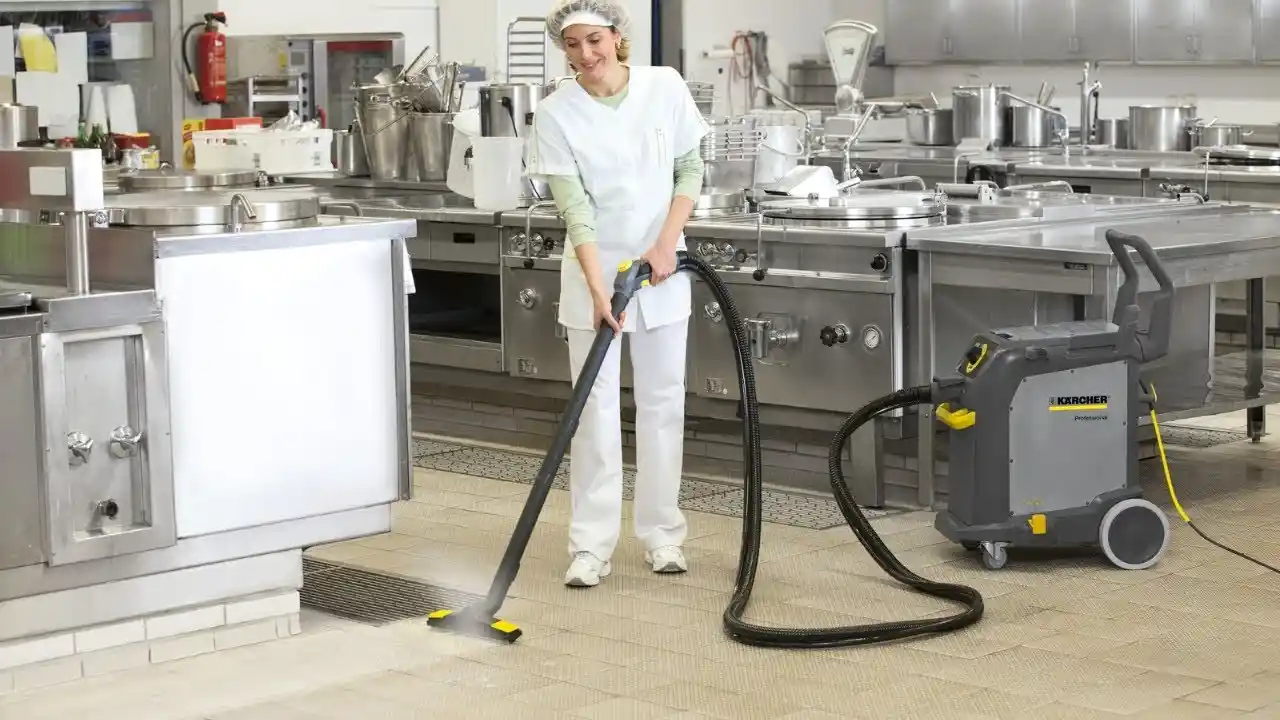
Cleaning your home or workplace does not have to mean using strong chemicals or spending hours scrubbing. A steam cleaner makes the job much easier, faster, and safer. Whether you want to clean your kitchen, bathroom, floors, or furniture, a steam cleaner can do it all with just water and heat.
In this guide, you will learn everything about steam cleaners, how they work, what types are available, and how to use them step by step. This guide is written in simple words so anyone can follow it easily. If you are in Bergen County and looking for the best way to keep your space clean, this guide is for you.
What Is a Steam Cleaner and How Does It Work?
A commercial steam cleaner is a machine that heats water to a very high temperature and turns it into steam. This hot steam is then pushed out through a nozzle or attachment. The heat and pressure of the steam loosen dirt, grease, and stains from surfaces. It also kills germs, bacteria, and dust mites without using any chemicals.
The process is very simple. You fill the water tank, turn on the machine, wait for it to heat up, and then direct the steam at the surface you want to clean. The dirt breaks down quickly, and you can wipe it away with a cloth.
Steam cleaning is a great choice for people who want a clean and healthy space without using harsh cleaning products.
Types of Steam Cleaners
There are several types of steam cleaners available. Each one is designed for a different purpose. Here is a simple breakdown:
Handheld Steam Cleaner
This is a small and lightweight machine. It is easy to carry and perfect for cleaning small areas like kitchen counters, bathroom tiles, and car seats.
Steam Mop
A steam mop looks like a regular mop but uses steam to clean floors. It is one of the most popular floor cleaning machines. It works great on tile, hardwood, and laminate floors.
Canister Steam Cleaner
This type comes with a large water tank and many attachments. It is more powerful than a handheld model and is great for deep cleaning.
Cylinder Steam Cleaner
This is a heavy-duty machine. It is often used in commercial settings. Many businesses in Bergen County use commercial floor steamers and commercial cleaning equipment like this to keep their spaces clean and hygienic.
Garment Steamer
This type is made for clothes and fabric. It removes wrinkles and freshens up garments quickly.
Industrial Steam Cleaner Pressure Washer
This is a powerful machine used for tough cleaning jobs. It combines the power of steam with high pressure to remove heavy dirt, grease, and stains from large surfaces.
Choosing the right type depends on what you need to clean and how often you clean.
Why Should You Use a Steam Cleaner?
There are many good reasons to use a steam cleaner:
- It cleans without harsh chemicals, making it safe for children and pets.
- It kills 99.9% of germs and bacteria using only heat.
- It saves money because you do not need to buy cleaning sprays or solutions.
- It works on many different surfaces.
- It is eco-friendly because it uses only water.
If you run a food business, a Food Grade Steam Cleaner is a perfect choice. It cleans and sanitizes surfaces without leaving any chemical residue, which is very important when working around food.
What Can You Clean With a Steam Cleaner?
Commercial and industrial facilities demand a higher standard of cleanliness than the average home. A professional steam cleaner or industrial steam cleaner pressure washer delivers that standard — tackling the toughest buildup across a wide range of commercial surfaces without chemicals, downtime, or costly outsourcing. Here is where businesses in Bergen County and beyond rely on steam cleaning every day:
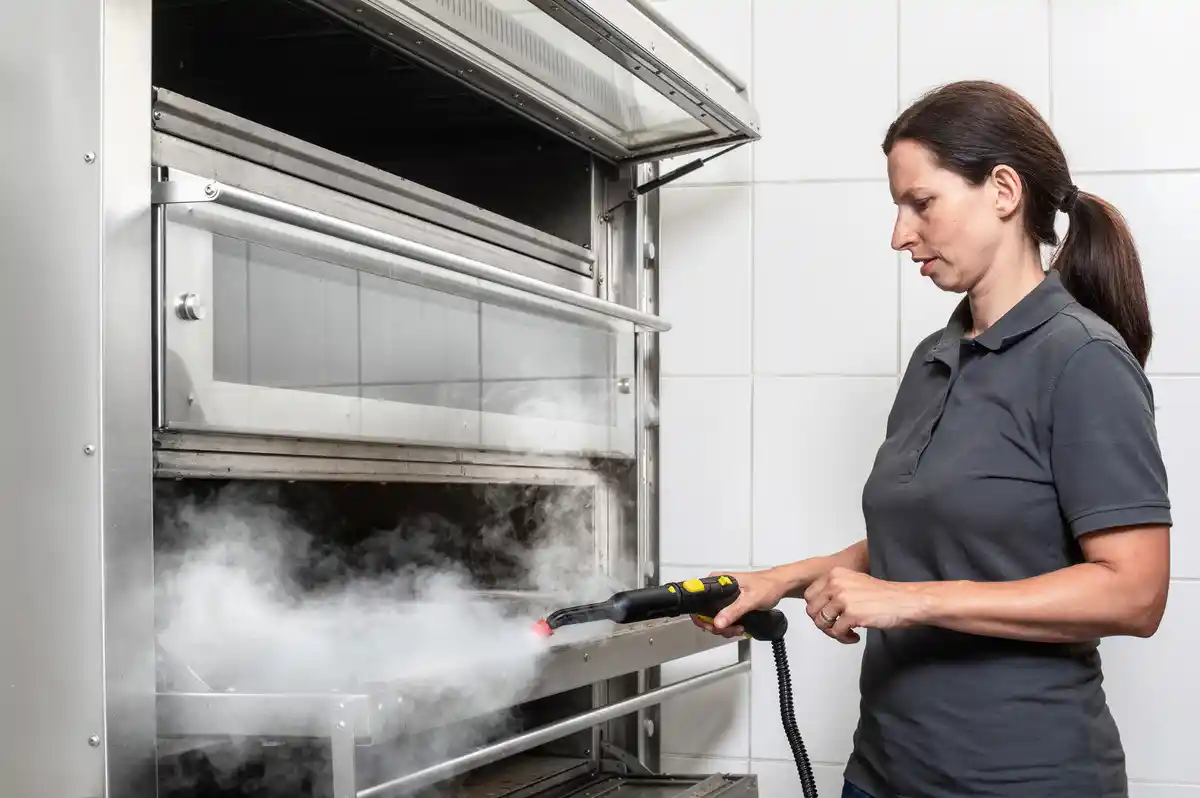
Restaurant Kitchens and Food Service Areas: Grease buildup on commercial ovens, fryers, exhaust hoods, and stovetops is a fire hazard and a health code violation waiting to happen. A Food Grade Steam Cleaner cuts through baked-on grease and carbonized residue quickly, sanitizing surfaces to food-safe standards without leaving any chemical residue. Steam cleaning helps your kitchen pass health inspections and keeps your team working in a safe, compliant environment.
Warehouses and Industrial Floors: Large commercial floor steamers and industrial steam cleaner pressure washers are built for the scale of warehouse environments. Concrete floors, loading dock areas, and machinery platforms accumulate oil, grease, and grime that standard mopping cannot remove. High-pressure steam blasts contaminants away from wide surface areas fast, reducing slip hazards and keeping your facility OSHA compliant.
Hotels, Gyms, and Healthcare Facilities: High-traffic commercial spaces face constant pressure to maintain hygiene standards that protect guests, clients, and staff. Steam cleaning is ideal for bathroom tiles, shower enclosures, locker room surfaces, gym equipment, and upholstered seating. The heat kills 99.9% of bacteria, viruses, and dust mites on contact — a critical advantage for healthcare waiting rooms, hotel rooms, and fitness centers where cross-contamination is a real liability.
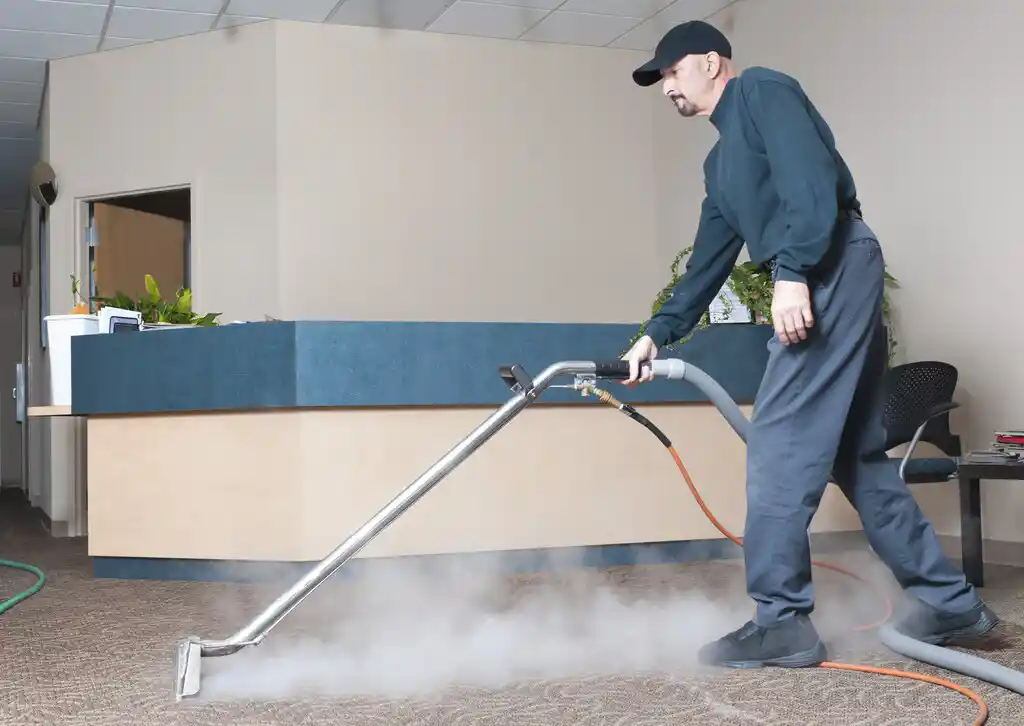
Retail Stores and Office Buildings: Carpeted floors, tile entrances, display cases, and restrooms all benefit from regular commercial steam cleaning. Unlike traditional wet mopping, steam dries quickly and leaves no chemical smell, so your store or office can reopen for business without delay. Commercial cleaning equipment like canister steam cleaners paired with appropriate attachments makes it easy to move through multiple surface types in a single cleaning session.
Automotive Shops and Vehicle Detailing: Auto repair shops and detailing businesses in Bergen County use professional steam cleaners to degrease engines, clean wheel wells, sanitize interiors, and remove stains from upholstery and carpets. Steam reaches tight spaces that pressure washers and chemicals cannot, delivering a showroom-quality finish without damaging sensitive components or trim.
No matter the industry, investing in the right commercial cleaning equipment pays for itself quickly. Businesses that use a professional steam cleaner reduce chemical purchasing costs, cut cleaning labor time, and protect their reputation by maintaining consistently high hygiene standards. If your facility needs a deeper, faster, and more cost-effective clean, a commercial steam cleaner is the smart choice.
What You Need Before You Start
Before you start steam cleaning, here are a few things to prepare:
- Choose the right machine — Think about what surfaces you will clean. For home use, a steam mop or handheld model is enough. For bigger spaces, look into commercial cleaning equipment.
- Use distilled water — Distilled water is better than tap water because it does not leave mineral deposits inside the machine.
- Pick the right attachment — Most steam cleaners come with different attachments for different surfaces. Make sure you use the correct one.
- Wear safety gear — Steam is very hot. Always wear gloves and closed-toe shoes to protect yourself.
Step-by-Step: How to Use a Steam Cleaner
Using a steam cleaner is not complicated at all. If you follow these steps carefully, you will get great results every time. Here is a detailed guide:
Step 1: Fill the Water Tank
The first thing you need to do is fill the water tank. Always use distilled water if possible. Distilled water does not contain minerals, so it will not cause buildup inside the machine over time. If you do not have distilled water, filtered water is the next best option. Do not overfill the tank — fill it only to the marked line. Overfilling can cause leaks and reduce the machine’s performance.
Step 2: Plug In and Heat Up
Once the tank is filled, plug the machine into a power outlet and turn it on. Give it some time to heat the water and build up steam pressure. Most machines take between 1 to 3 minutes to heat up fully. You will know it is ready when you see steam coming out or when the indicator light turns green. Never try to use the machine before it is fully heated, as it will not clean effectively.
Step 3: Choose the Right Attachment
Most steam cleaners come with several attachments. Each one is designed for a specific surface or job. For example, a round brush is great for scrubbing tiles, a flat head is perfect for floors, a nozzle works well for tight corners, and a fabric head is made for sofas and curtains. Always attach the correct tool before you start cleaning. Using the wrong attachment can damage surfaces or give you poor results.
Step 4: Test a Small Area First
Before cleaning the entire surface, always test a small hidden area first. This is very important, especially on carpets, upholstery, or wooden floors. Apply steam to a small spot and wait a few seconds. If the surface looks fine and is not damaged, you can continue with the full area. This simple step can save you from accidentally damaging something.
Step 5: Move Slowly and Steadily
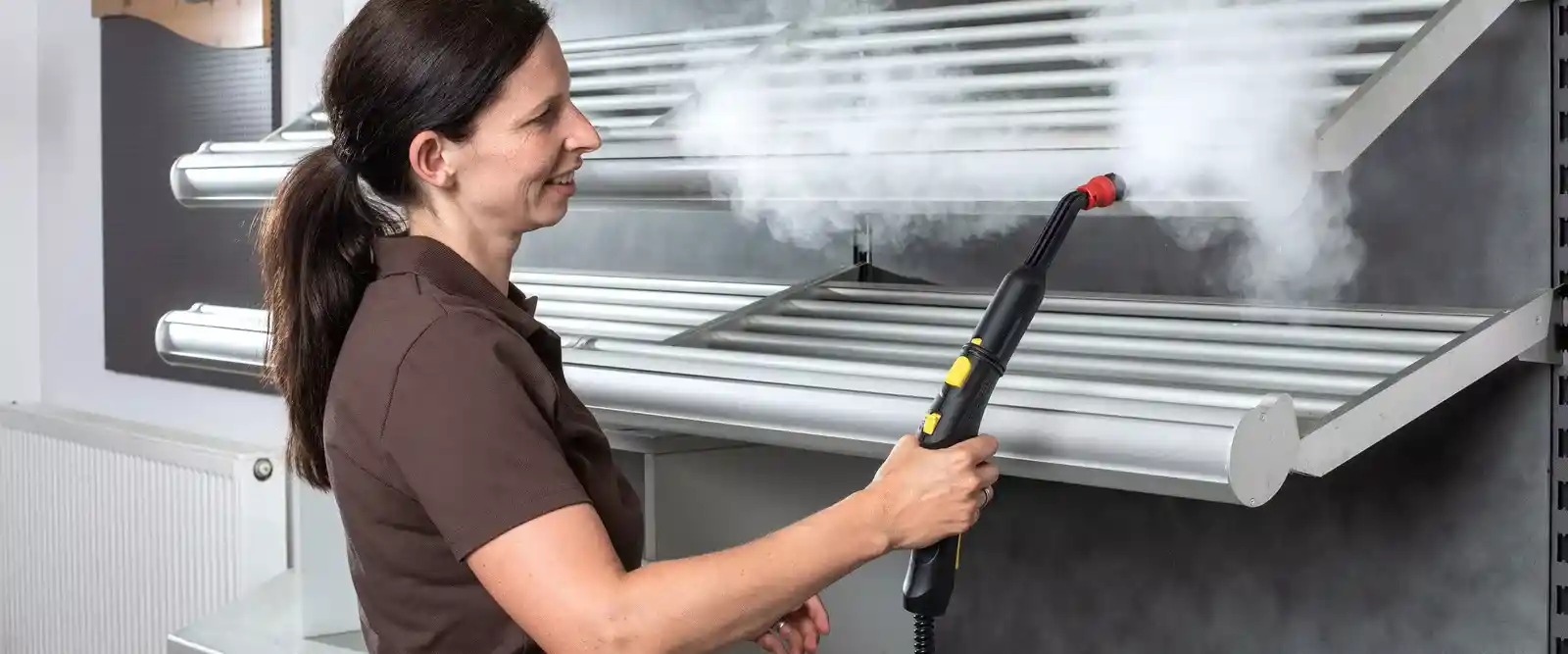
Now you are ready to start cleaning. Hold the steam cleaner at a comfortable distance from the surface and move it slowly and steadily. Do not rush. The slower you move, the more time the steam has to break down dirt, grease, and stains. For very dirty areas, you can go over the same spot two or three times for a deeper clean. Keep the steam cleaner moving at all times to avoid concentrating too much heat on one spot.
Step 6: Wipe Away the Dirt
After steaming a section, use a clean microfiber cloth to wipe away the loosened dirt and excess moisture. Microfiber cloths work best because they absorb moisture quickly and trap dirt effectively. Change the cloth when it gets too dirty so you are not spreading the dirt around. For floors, the steam mop pad will collect the dirt automatically as you move.
Step 7: Let the Surface Dry
After cleaning, allow the surface to air dry completely before using it again. Steam leaves behind a small amount of moisture, and it is important to let this dry naturally. Open windows or turn on a fan to help speed up the drying process. For floors, avoid walking on them until they are fully dry to prevent slipping.
A Karcher Steam Vacuum Cleaner is a great example of a machine that both steams and vacuums at the same time, saving you the extra step of wiping.
Tips for Best Results
- Always vacuum or sweep the floor before using a steam mop.
- Move slowly — the slower you go, the better the clean.
- Use the right attachment for each surface.
- Clean the attachments after every use to keep them in good shape.
- For tough stains, hold the steamer over the area for a few extra seconds.
Common Mistakes to Avoid
Even though steam cleaning is simple, people sometimes make mistakes. Here are a few things to watch out for:
Using it on the wrong surfaces: Not all surfaces can handle steam. Avoid using a steam cleaner on unsealed wood floors, painted surfaces, and delicate fabrics. Always check if the surface is safe before you start.
Not reading the manual: Every steam cleaner is a little different. Reading the manual will help you understand how to use it properly and avoid damaging the machine.
Overfilling the water tank: Adding too much water can cause the machine to malfunction. Always fill it to the recommended level.
Moving too fast: If you move the steam cleaner too quickly, it will not clean properly. Slow and steady strokes give the steam time to work on dirt and stains.
How to Take Care of Your Steam Cleaner
Taking care of your machine helps it last longer:
- Empty the water tank after every use.
- Descale the machine regularly to remove mineral deposits.
- Clean the attachments and store them properly.
- Check the machine for any worn-out parts and replace them when needed.
Many businesses in Bergen County that use a professional steam cleaner on a daily basis make sure to follow a regular maintenance schedule. This keeps the machine working at its best and saves money on repairs.
Conclusion
A steam cleaner is one of the most useful cleaning tools you can have. It is safe, effective, and easy to use. Whether you are cleaning your home or a large commercial space, there is a steam cleaner made for your needs. From simple handheld models to powerful industrial steam cleaner pressure washers, the right machine can make cleaning faster and more effective.
If you are in Bergen County and want to upgrade your cleaning routine, now is the perfect time to invest in a good steam cleaner. Follow the steps and tips in this guide, and you will get great results every time. Clean smarter, not harder!
Frequently Asked Questions
What surfaces can I clean with a steam cleaner?
Steam cleaners are very versatile and work on commercial hard floors, tiles, stone, sealed hardwood, Commercial kitchen and bathrooms, industrial carpets, and upholstery. With the right attachments, they remove dirt, grease, stains, and germs safely, making them suitable for most household and commercial surfaces.
Can you steam clean grout lines?
Yes, steam cleaners are excellent for grout lines. The high-temperature steam loosens dirt, mold, and mildew that accumulate between tiles. Using a small brush attachment can help reach tight spaces, leaving grout cleaner and sanitized without harsh chemicals.
Should I empty the water tank after every use?
Absolutely. Emptying the water tank after each use prevents mineral buildup, reduces the risk of mold, and keeps the steam cleaner functioning efficiently. Regularly emptying and drying the tank extends the machine’s lifespan and ensures consistent cleaning performance.