

How To Vacuum a Pool: Complete Step-by-Step Guide for Crystal-Clear Water

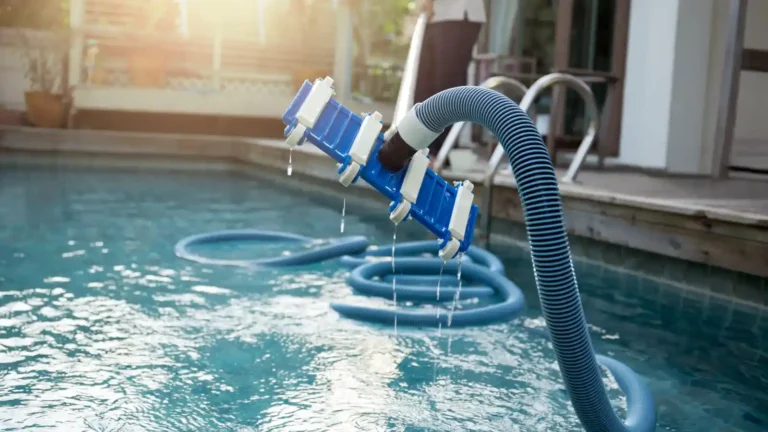
Keeping your swimming pool clean is not just about appearance, it’s about health, safety, and long-term maintenance. Dirt, leaves, and algae buildup can make your pool water cloudy and unhygienic. That’s where a floor cleaning machines like pool vacuum becomes an essential cleaning tool.
Whether you own an above-ground or inground pool, knowing how do I vacuum my swimming pool properly ensures sparkling water and extends the life of your filtration system.
Understanding Different Types of Pool Vacuums
Before diving into the process, let’s look at the main types of pool vacuums available, each designed for specific cleaning needs.
1. Manual Pool Vacuum
A manual pool vacuum connects to your pool’s filtration system and requires you to guide it across the floor and walls. It’s ideal for smaller pools or spot cleaning. While it takes more time and effort, it’s cost-effective and gives you direct control over every area you clean.
2. Electric Vacuum Cleaner for Pool
For pool owners who want efficiency and power, an electric vacuum cleaners for pool offers automated or semi-automated cleaning. These machines use motorized suction to remove debris and sediment quickly, making them perfect for larger or frequently used pools.
3. Best Pool Vacuum for Above Ground Pool
If you have an above-ground pool, lightweight and flexible models are ideal. The best pool vacuum for above ground pool should have easy maneuverability, long hoses, and adaptable suction heads that don’t damage pool liners.
4. Pool Vacuum for Inground Pool
Inground pools require deeper suction and broader coverage. A pool vacuum for inground pool typically includes stronger suction power, longer hoses, and adjustable heads to tackle hard-to-reach corners and slopes.
5. Robotic Pool Vacuum
One of the fastest-growing categories in pool care, a robotic pool vacuum is a fully self-contained unit that cleans independently of your pool’s pump and filter system. It has its own motor, filter, and navigation software to scan and cover the entire pool floor, walls, and sometimes the waterline. Robotic pool vacuums are more expensive upfront than manual or suction-side models, but they save significant time, don’t strain your existing filtration system, and often include app-based scheduling, a popular search term for pool owners comparing the best robotic pool cleaner options.
Tools and Equipment You’ll Need
Before you start, gather these essentials:
- Pool vacuum head (manual or electric)
- Telescopic pole
- Vacuum hose
- Skimmer plate or suction port
- Pool pump or sand filter (depending on your setup)
Step-by-Step: How to Vacuum a Pool
Step 1: Assemble Your Pool Vacuum
Start by attaching the manual pool vacuum head to a telescopic pole. This will allow you to guide the vacuum along the pool floor. Next, connect one end of the hose to the vacuum head and the other end to your suction port or skimmer.
This setup forms a suction pathway that draws debris from the pool floor into your filter system.
Step 2: Prime the Vacuum Hose
Before starting, you must remove air from the hose. Submerge the entire hose in water until all air bubbles stop rising. This ensures consistent suction when you begin vacuuming.
If you’re wondering how to vacuum a pool with a skimmer, this is where it connects—place the hose’s end into the skimmer suction port to begin pulling debris through the filtration system.
Step 3: Set Up Filtration System
The setup varies depending on your pool’s system:
How to Vacuum a Pool with a Pump
When learning how to vacuum a pool with a pump, ensure the filter valve is set to “filter” mode. The pump will circulate water while trapping dirt in the filter, keeping your pool clean and clear.
How to Vacuum a Pool with a Sand Filter
For pools with sand filtration, switch the valve to “filter” mode or “waste” mode (for heavy dirt). Knowing how to vacuum a pool with a sand filter helps prevent clogging and ensures your filter media lasts longer.
Step 4: Begin Vacuuming the Pool Floor
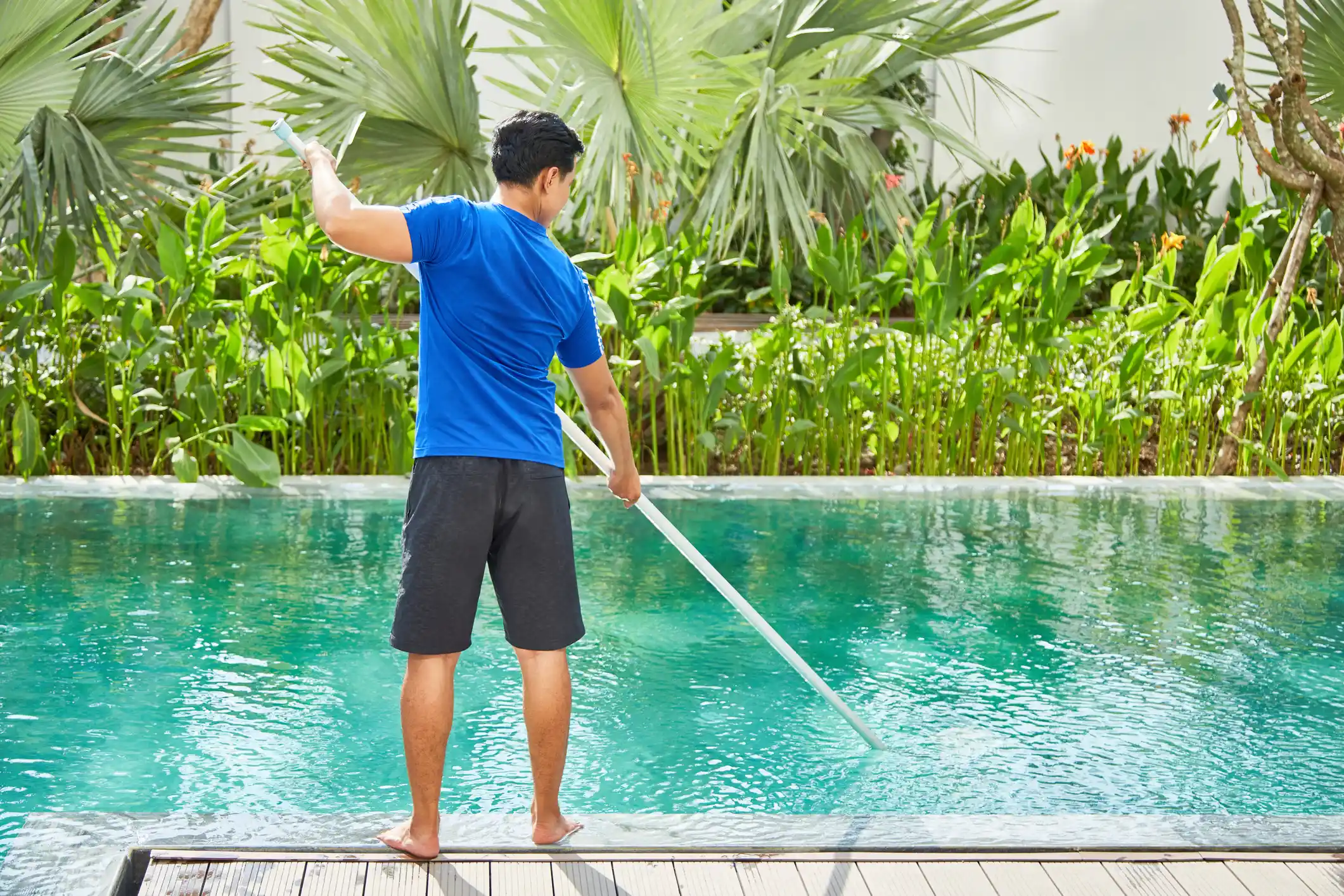
Now the real work begins. Slowly move the vacuum head along the pool floor in overlapping lines, much like mowing a lawn. Moving too fast will stir up debris, making it harder to collect.
For those using an electric vacuum cleaner for pool, simply turn it on and let it do the heavy lifting. These models efficiently handle both fine debris and larger leaves, saving hours of manual effort.
Step 5: Clean the Walls and Corners
Once the floor is clean, focus on the walls and corners. Dirt often sticks to these areas, especially in inground pools. Using your pool vacuum for inground pool, gently brush and vacuum the vertical surfaces to remove hidden buildup.
Step 6: Manage Water Levels and Filtration
Many pool owners worry about losing water while cleaning. Knowing how to vacuum a pool without losing water is simple: keep the filter valve on “filter” mode instead of “waste.” This way, dirty water is filtered and returned to the pool, conserving water and keeping suction steady.
Step 7: Empty and Clean the Filter
After you finish vacuuming, clean your pool’s filter or debris basket. This prevents clogging and keeps the filtration system running smoothly. For manual pool vacuum users, also rinse the hose and head to remove any trapped debris.
How Often to Vacuum a Pool
Wondering how often to vacuum a pool? The answer depends on your environment and usage. In general:
- Weekly: For regular maintenance during swimming season.
- After storms or heavy debris: Immediate cleaning prevents staining and buildup.
- Bi-weekly or monthly (off-season): To maintain hygiene and prevent algae growth.
Frequent vacuuming helps maintain clear water, reduces chemical use, and extends the life of your filtration system.
Robotic vs. Manual vs. Professional Pool Cleaning: Cost Comparison
A common question pool owners search for is how much does it cost to vacuum a pool, whether doing it themselves or hiring it out. Here’s a general breakdown to help you decide:
- Manual pool vacuum: Lowest upfront cost, but requires the most personal time and effort each week. Best for small pools or owners who don’t mind hands-on maintenance.
- Electric or robotic pool vacuum: Higher upfront investment, but dramatically less weekly effort and reduced wear on your main filtration system. Pays off over time for larger pools or busy households.
- Professional pool cleaning service: The highest per-visit cost, but zero time investment and access to professional-grade equipment. Often the right call for commercial properties, rental units, or owners without the time to maintain a regular schedule.
For most residential pools, a mid-range electric or robotic vacuum offers the best balance of cost and convenience. For commercial or high-traffic pools, professional-grade equipment and a maintenance schedule typically deliver the best long-term value.
Commercial & Hospitality Pool Maintenance: What Hotels, Gyms, and Property Managers Need to Know
Commercial pools at hotels, resorts, apartment complexes, gyms, and municipal facilities face far heavier bather loads than residential pools, which means faster debris buildup, higher chemical demand, and stricter health-code cleaning requirements.
Facilities in the hotel and hospitality and municipalities and government facilities sectors typically need the following:
- A consistent daily or weekly vacuuming schedule to meet local health department requirements
- Heavy-duty filtration equipment sized for higher bather loads
- Clean, well-maintained pool deck and surrounding surfaces to prevent slip hazards and algae tracking
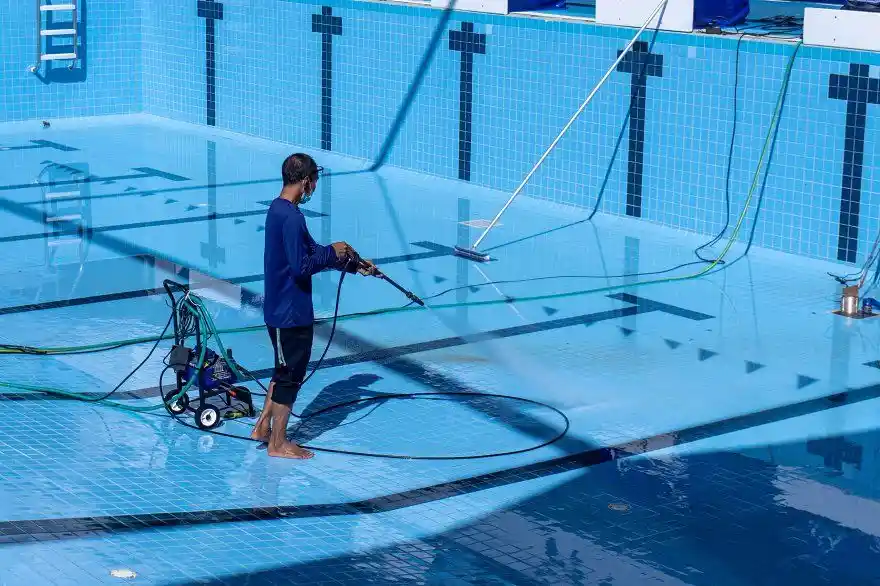
While pool vacuuming keeps the water itself clear, the surrounding deck, tile, and coping also need regular attention. This is where commercial pressure washing becomes an essential companion service — removing algae, grime, and mineral buildup from pool decks, walkways, and tile without damaging the surface.
Don’t Forget the Pool Deck: Keeping Surrounding Areas Clean and Safe
A sparkling pool surrounded by a grimy, algae-stained deck undermines both the appearance and safety of the space. Pool decks accumulate suntan oil, mineral deposits, mold, and algae, all of which make surfaces slippery and unattractive over time.
For homeowners, a seasonal deep clean of the deck with an appropriate pressure washer setting helps restore its appearance. For commercial and hospitality properties, a scheduled professional pressure washing service is the more reliable option, since improperly adjusted pressure or the wrong nozzle can damage stone, pavers, or pool tile. Businesses maintaining their own equipment can also explore pressure washer rentals for seasonal deck cleaning without a large equipment purchase.
Common Pool Vacuuming Mistakes to Avoid
- Moving the vacuum too quickly.
- Forgetting to prime the hose.
- Not cleaning the filter after use.
- Using the wrong vacuum type for your pool.
Avoiding these ensures maximum cleaning efficiency and less equipment strain.
Choosing the Right Pool Vacuum for Your Needs
Selecting the right pool vacuum depends on your pool type, budget, and cleaning frequency.
- For small pools: A manual pool vacuum is affordable and efficient.
- For large or busy pools: The electric vacuum cleaner for pools offers deep, consistent cleaning with minimal effort.
- For hands-off, tech-forward maintenance: A robotic pool vacuum handles floors, walls, and waterlines automatically, ideal for owners who want consistent results without a weekly time commitment.
- For special setups: The best pool vacuum for above-ground pools or pool vacuums for inground pools ensures safe, thorough results without damaging pool surfaces.
- For commercial or hospitality pools: Heavy-duty filtration and a documented cleaning schedule matter more than any single vacuum type. Pair regular vacuuming with routine deck and surround maintenance.
Maintenance Tips for Long-Term Performance
- Rinse hoses and vacuum heads after every use.
- Store in a dry area to prevent cracking or mold.
- Check filters regularly and replace them when worn out.
- Schedule deep cleaning once per month for lasting performance.
- Inspect and clean pool deck surfaces seasonally to prevent algae and mineral buildup from spreading back into the water.
Conclusion
A spotless pool isn’t about hard labor; it’s about the right approach and tools. By following these steps and choosing the correct pool vacuum, you’ll enjoy crystal-clear water all season long.
Whether you rely on a manual pool vacuum for precision or an electric vacuum cleaner for pool for convenience, understanding how to vacuum a pool with a pump, a sand filter, or a skimmer ensures effortless maintenance, and more time to simply enjoy your swim.
Frequently Asked Questions (FAQs)
How to vacuum a swimming pool?
To vacuum a swimming pool, connect your pool vacuum to the skimmer, prime the hose, and slowly move it across the pool floor to remove dirt, debris, and algae, ensuring clean and clear water. Always clean your filter after vacuuming for best results.
How to vacuum an above ground swimming pool?
Attach a manual pool vacuum or electric vacuum cleaner for the pool to your skimmer. Move it slowly along the bottom and sides to remove debris. Clean the filter and check water levels after vacuuming your above-ground pool to maintain water clarity and hygiene.
How do you vacuum a pool for beginners?
Beginners should attach the vacuum head to a telescopic pole, connect the hose, and prime it underwater. Start vacuuming slowly across the pool floor in overlapping lines to remove debris evenly. Always clean the filter after use for efficient performance.
What setting do you put your pool filter on when vacuuming?
Set the filter to “Filter” for regular cleaning or “Waste” if the pool is very dirty. The “Waste” setting bypasses the filter and removes dirty water directly, preventing clogging and ensuring effective removal of heavy debris or algae buildup.
Do you vacuum a pool on backwash or waste?
Use the “Waste” setting, not “Backwash,” when vacuuming a dirty pool. “Waste” directs debris-filled water out of the system, while “Backwash” cleans the filter. This prevents clogging and maintains proper suction during the pool vacuuming process.
Should you run a pool pump while vacuuming?
Yes, always keep the pool pump running while vacuuming. The pump creates suction through the hose, drawing dirt and debris into the filter or waste line, ensuring efficient and thorough cleaning of your pool’s floor and walls.
Are robotic pool vacuums worth the cost?
For pools cleaned more than once a week, or for owners who want to avoid running their main filtration system for every clean, a robotic pool vacuum is usually worth the investment. It reduces wear on your existing pump and filter and typically covers floors, walls, and the waterline in a single automated cycle.
How do commercial pools stay compliant with health codes for cleanliness?
Commercial and hospitality pools typically follow a documented daily or weekly vacuuming and water-testing schedule, paired with regular filter maintenance and periodic deck and surround cleaning, to meet local health department requirements. Facility managers often combine in-house vacuuming with professional pressure washing services for the surrounding pool deck.

Michael Adeniran is the CEO of Pressure King Inc. He has been dealing in commercial cleaning equipment for many years. He is one of the leading specialists and experts in commercial cleaning products.


