


Michael Adeniran is the CEO of Pressure King Inc. He has been dealing in commercial cleaning equipment for many years. He is one of the leading specialists and experts in commercial cleaning products.


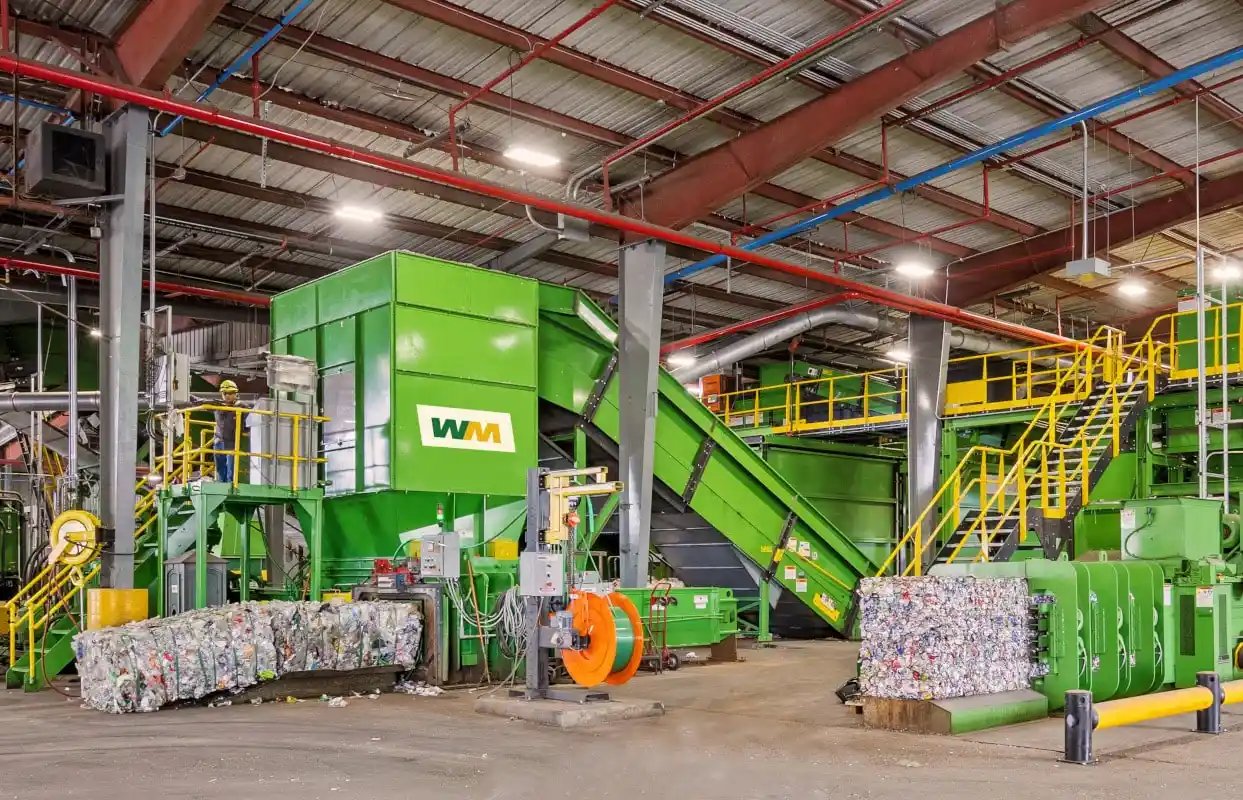
Managing a waste facility comes with unique challenges, and one of the biggest ongoing expenses is cleaning. With high volumes of waste, debris, and potentially hazardous materials, maintaining a clean and safe environment can quickly become costly if handled inefficiently. Many facilities still rely on manual labor or outdated cleaning methods, which not only drives up labor costs but also increases downtime and reduces overall productivity. Fortunately, modern industrial equipment offers practical solutions that streamline cleaning processes, cut expenses, and improve operational efficiency.
Investing in industrial cleaning equipment allows waste facilities to tackle tough cleaning tasks faster and more effectively. From high-powered sweepers and scrubbers to advanced pressure washers and automated systems, these tools minimize labor demands while delivering consistent results. Beyond cost savings, using specialized equipment enhances workplace safety, reduces the risk of contamination, and extends the lifespan of facility surfaces. In this article, we’ll explore how waste facilities can reduce cleaning costs with industrial equipment, highlighting the strategies and tools that make a tangible difference in day-to-day operations.
This guide explains how the right equipment helps lower expenses and increase operational efficiency.
The Hidden Costs of Inefficient Cleaning
At first glance, relying on manual cleaning methods may appear to be a cost-effective solution for waste facilities. Mopping, sweeping, and scrubbing by hand seem inexpensive compared to purchasing industrial equipment. However, the reality is that these traditional methods often result in much higher long-term expenses, especially in high-volume or industrial environments. Labor-intensive cleaning consumes significant staff hours, which could be drastically reduced with the use of automated or industrial-grade machines. What seems like a short-term savings on paper can quickly turn into a substantial financial burden.
Inconsistent or incomplete cleaning is another major issue with manual methods. Dirt, grease, and waste residue can accumulate over time, leading to deterioration of facility surfaces, clogged drains, and even malfunctioning machinery. These maintenance problems can be costly to fix and may require specialized contractors or emergency repairs. Beyond the direct maintenance costs, there are several hidden expenses that often go unnoticed, including:
- Increased downtime: Slow, inefficient cleaning disrupts operations and reduces overall productivity.
- Higher water and chemical usage: Manual cleaning often requires more cleaning solutions and water to achieve the same results that machines can accomplish efficiently.
- Equipment damage: Poor sanitation can accelerate wear and tear on facility machinery and infrastructure, increasing replacement and repair costs.
- Workplace accidents: Slippery floors or improperly cleaned hazardous areas can lead to employee injuries, raising workers’ compensation costs and potentially affecting morale.
Over time, these hidden costs can accumulate, significantly impacting operational budgets and overall efficiency. Investing in industrial cleaning equipment not only reduces labor and material costs but also ensures consistent cleaning standards, safer work environments, and longer-lasting infrastructure, ultimately saving money and protecting productivity in the long run.
How Industrial Cleaning Equipment Reduces Costs
Modern industrial cleaning equipment is engineered to maximize efficiency while minimizing operational expenses. By automating labor-intensive tasks and optimizing cleaning processes, facilities can maintain higher hygiene standards with fewer resources. The right equipment not only speeds up cleaning but also ensures consistent results, reduces maintenance needs, and contributes to long-term cost savings.
Faster Cleaning with Less Labor
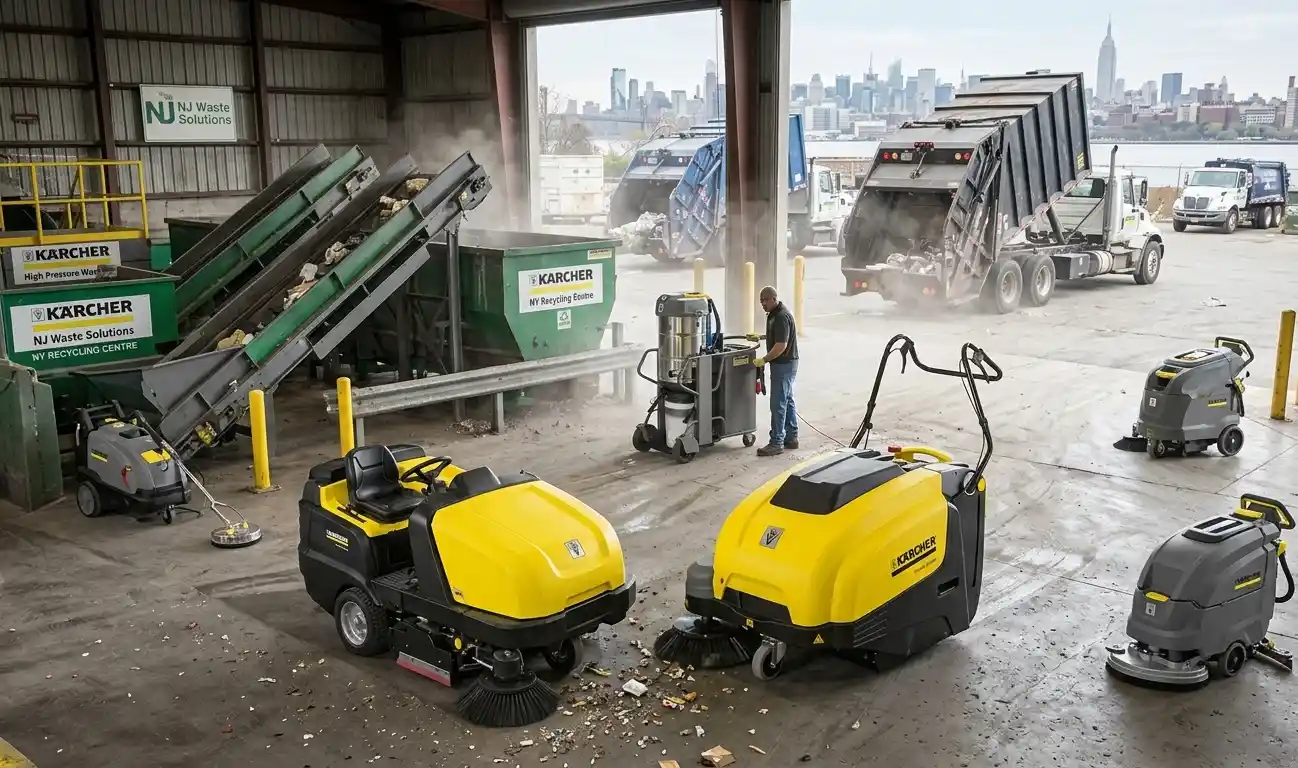
Industrial machines such as floor scrubbers and sweepers can clean vast areas in a fraction of the time required for manual methods. Tasks that might take several hours by hand can be completed in minutes, allowing staff to focus on other essential operations. This efficiency translates directly into lower labor costs and increased overall productivity, particularly in large waste processing or storage areas.
Lower Water and Chemical Usage
Advanced cleaning systems are designed to use water and detergents more effectively. High-pressure washers, floor scrubbers, and steam cleaners deliver superior results while minimizing waste. By reducing unnecessary water and chemical consumption, facilities can cut utility costs and promote more sustainable cleaning practices.
Reduced Equipment Wear and Damage
Accumulation of dirt, grease, and debris can accelerate wear and tear on machinery and facility surfaces. Industrial cleaning equipment ensures regular and thorough cleaning, preventing damage and extending the life of valuable assets. This proactive approach minimizes costly repairs and reduces downtime caused by maintenance issues.
Improved Workplace Safety
A clean facility is a safer facility. Machines that efficiently remove debris and sanitize floors significantly reduce the risk of slips, trips, and other workplace accidents. Fewer incidents mean lower liability costs, enhanced employee morale, and uninterrupted operations.
Key Equipment That Helps Reduce Cleaning Costs
Waste management facilities can maximize cost savings by investing in the right combination of cleaning machines:
- Floor Scrubbers: These machines clean and dry surfaces in a single pass, cutting down both cleaning time and labor requirements. Ideal for indoor areas like tipping floors, processing zones, and storage areas.
- Industrial Sweepers: Sweepers quickly remove dust, dirt, and debris from floors and outdoor yards, preventing buildup and reducing the frequency of deep cleaning.
- Industrial Vacuum Systems: Wet and dry vacuums efficiently handle liquids, sludge, and fine dust, eliminating the need for multiple cleaning tools and reducing manual effort.
- Pressure Washers: Cold and hot water pressure washers remove heavy dirt, grease, and residue from equipment and surfaces, improving cleaning performance and cutting time.
- Steam Cleaners: Steam cleaning systems provide deep sanitation while using minimal chemicals, reducing cleaning costs and enhancing hygiene standards.
By combining these machines strategically, waste facilities can achieve faster, safer, and more cost-effective cleaning, ultimately improving operational efficiency and protecting their bottom line.
Long-Term ROI of Cleaning Equipment
Investing in industrial cleaning equipment may require upfront costs, but the long-term return on investment is significant. Facilities that use professional cleaning machines often experience:
- Lower labor costs
- Reduced maintenance and repair expenses
- Increased equipment lifespan
- Improved operational efficiency
- Better compliance with sanitation standards
Over time, these benefits outweigh the initial investment and contribute to overall cost savings.
Renting vs Buying Cleaning Equipment For Waste Managements Industries
Waste management facilities have the option to either purchase or rent industrial cleaning equipment, depending on their operational needs and budget. Buying equipment is often the best choice for facilities with consistent, long-term cleaning requirements. Ownership provides full control over machine availability, ensures staff can use the equipment whenever needed, and can be a more cost-effective solution over time for high-usage facilities.
On the other hand, renting equipment offers flexibility for facilities with seasonal cleaning demands, short-term projects, or the need to trial new machines before committing to a purchase. Renting reduces upfront costs, eliminates storage concerns, and allows facilities to access specialized equipment only when necessary. By evaluating operational needs and cleaning frequency, waste management managers can make informed decisions that balance efficiency with budget constraints.
Why Waste Management Companies Choose Pressure King
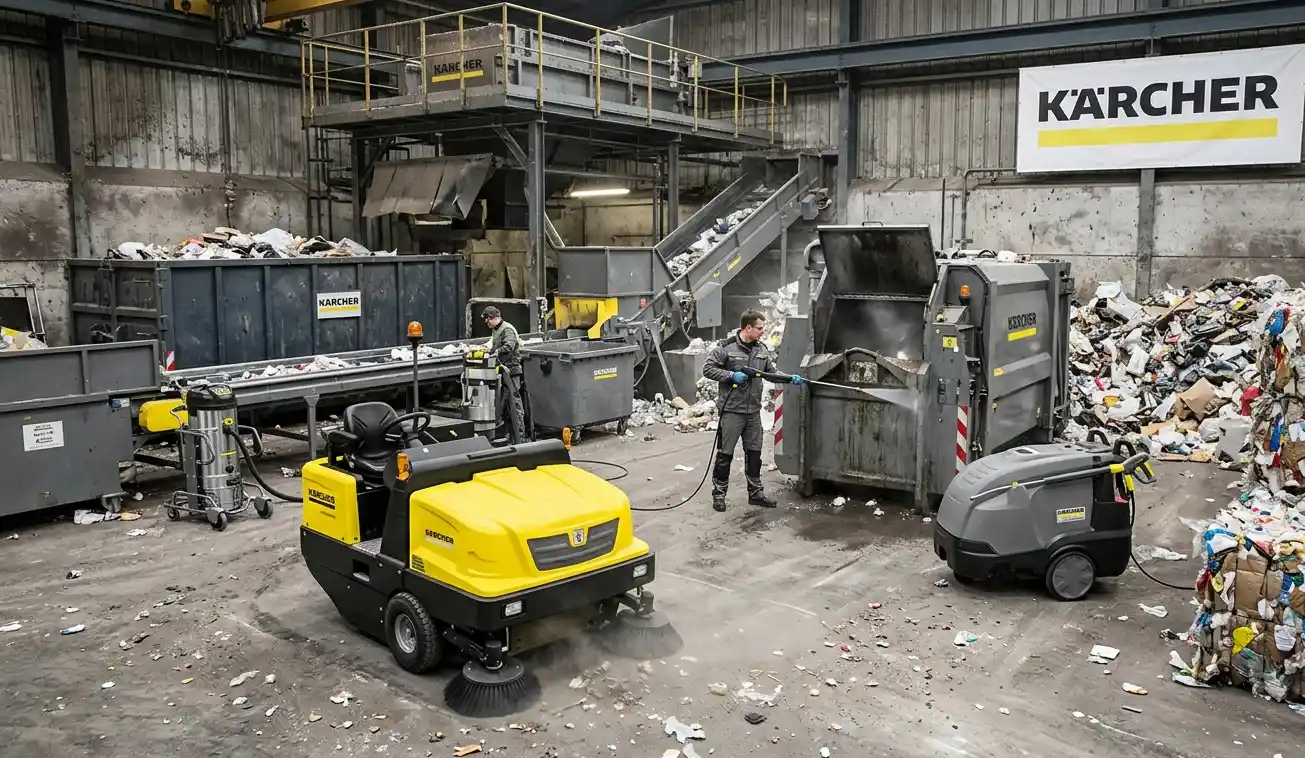
Industrial cleaning requires reliable, high-performance equipment backed by expert support. Pressure King Inc. has earned the trust of waste management professionals by providing solutions tailored to the unique challenges of industrial facilities. Their offerings include:
- Sales of industrial cleaning equipment – high-quality machines designed for heavy-duty operations.
- Flexible rental options – perfect for short-term or seasonal cleaning needs.
- Refurbished machines – budget-friendly alternatives for cost-conscious facilities.
- Maintenance and repair services – ensuring equipment stays in top condition and downtime is minimized.
By offering a complete suite of products and services, Pressure King enables waste facilities to streamline cleaning operations, reduce labor and utility costs, and maintain safer, more efficient workplaces. Partnering with a trusted provider helps companies optimize cleaning processes while keeping operational budgets under control.
Reduce Costs and Improve Efficiency Today
Reducing cleaning costs in waste management facilities starts with choosing the right equipment. Industrial cleaning machines provide faster results, lower resource usage, and better long-term performance compared to manual methods.
To find the most cost-effective solution for your facility, connect with the experts at Pressure King Inc. and discover how modern cleaning equipment can transform your operations.
Frequently Asked Questions
How can industrial cleaning equipment reduce labor costs?
Industrial machines allow one operator to complete tasks that would normally require multiple workers. This reduces the total hours needed for cleaning and improves consistency.
Is it expensive to switch from manual cleaning to equipment?
There is an upfront investment, but most facilities recover the cost through savings in labor, water, and maintenance within a relatively short period.
Do hot water pressure washers really make a difference?
Yes, especially in waste facilities. They break down grease and organic residue faster, which reduces cleaning time and the need for chemicals.
What type of equipment is most important for cost savings?
It depends on the facility, but floor scrubbers and pressure washers typically deliver the fastest return on investment due to their impact on labor and efficiency.
How often should industrial cleaning equipment be maintained?
Regular maintenance is essential to keep equipment running efficiently. Most manufacturers recommend routine checks and servicing based on usage levels.