


Best Pressure Washers for Graffiti Removal: Features That Matter
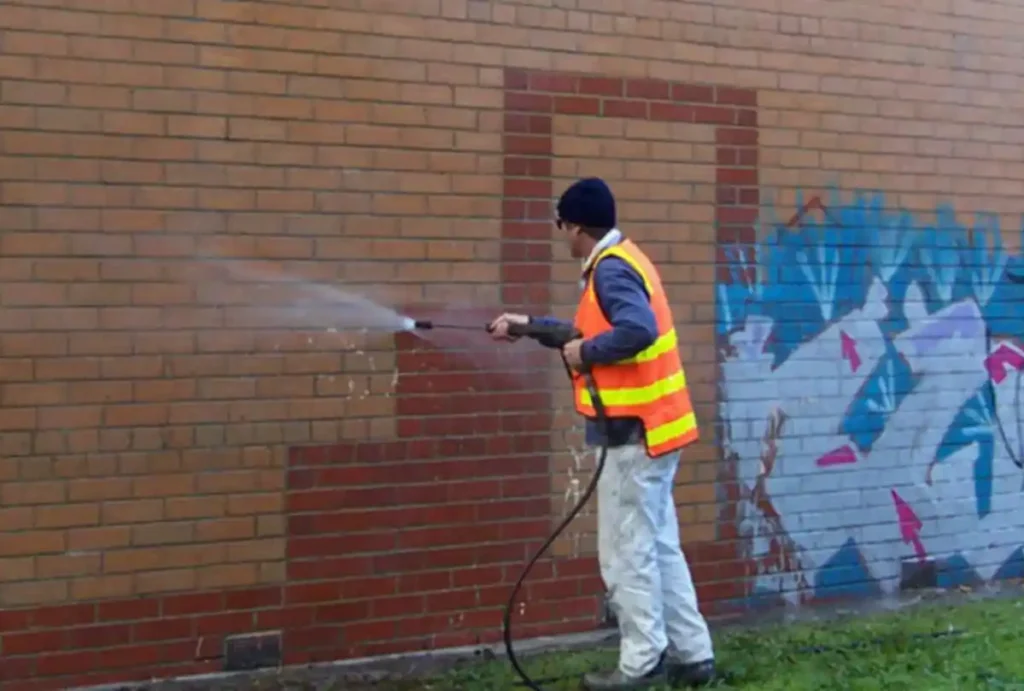
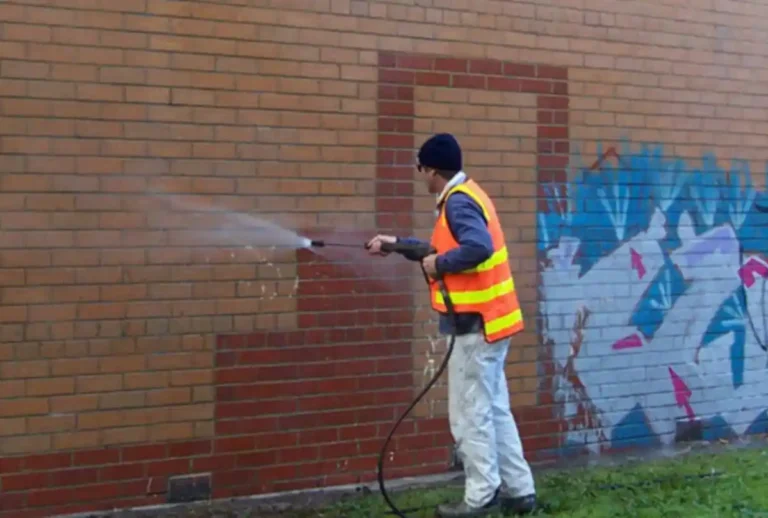
Graffiti can be an art form to some, but to cities, schools, and businesses, it is a persistent problem that needs quick solutions. Choosing the right graffiti removal pressure washer is crucial when cleaning brick walls, metal signs, and concrete sidewalks, among other surfaces. You can restore surfaces without causing damage by using proper equipment, saving time and money.
The best pressure washer for graffiti removal should deliver adjustable pressure, sufficient water flow, reliable hot-water performance, and compatibility with professional cleaning chemicals. Because every surface reacts differently, operators must match the PSI, nozzle, detergent, and water temperature to the material beneath the paint.
This article will explain what features matter when buying a graffiti removal pressure washer, what PSI levels are suitable for different surfaces, the benefits of using hot or cold water, and our recommended attachments.
Key Takeaways
- A commercial pressure washer with adjustable PSI is safer for cleaning multiple surface types.
- Hot water can soften paint and oily residue faster than cold water.
- Higher GPM improves rinsing speed and overall cleaning productivity.
- Graffiti-removal chemicals should be compatible with both the paint and underlying surface.
- Always test the cleaning method in a small, hidden area.
- Wastewater containing paint and chemicals may require collection and controlled disposal.
Why Pressure Washers Are Essential for Graffiti Removal
Removing spray paint manually is a time-consuming process that is usually ineffective. This is why a pressure washer is a better choice when cleaning graffiti. It employs a high-pressure stream of water to wash away dirt, grime, and paint from rough surfaces such as bricks, metal, and concrete.
A commercial pressure washer for graffiti removal system is easier, faster, and more effective than scrubbing with a brush. It allows you to clean more space within a shorter span of time and with less effort.
Most pressure washers also permit the use of liquid cleaners or hot water, so it is easier to eliminate paint that has been difficult to remove without damaging the underlying surface. The best way to clean is to have the appropriate nozzle and pressure settings so that there is no scratch or mark left behind as you clean up.
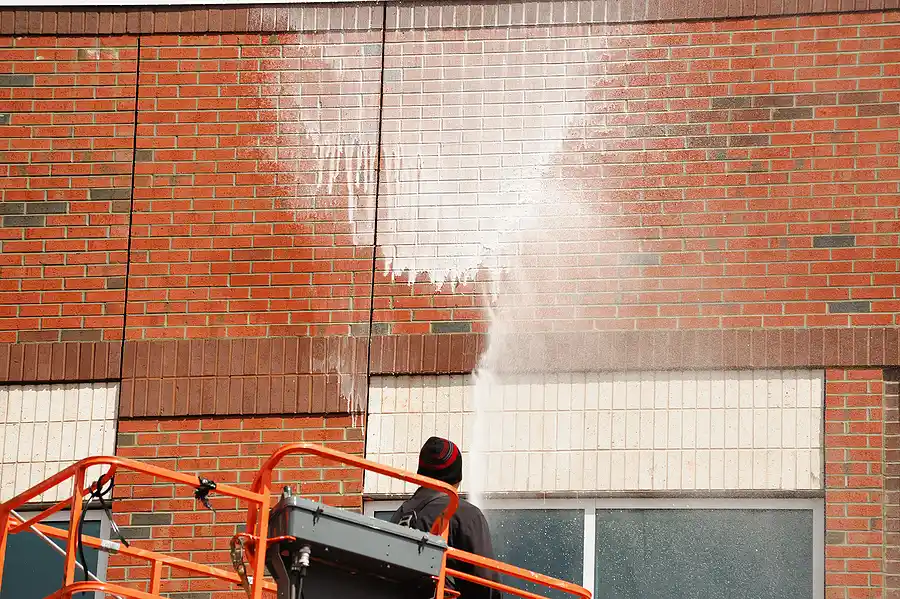
Key Features to Look for in a pressure washer for graffiti removal
You need the right type of pressure washer to remove graffiti effectively, i.e., without damaging the surface underneath. The following are some of the characteristics you should consider:
1. High PSI and GPM Ratings
Pressure is important when you are dealing with harsh spray paint. PSI indicates the strength of the water pressure (pounds per square inch). On tougher surfaces such as concrete and brick, the graffiti removal pressure washer must be at least 3000-4000 PSI.
The washer consumes water measured in GPM (gallons per minute). The higher GPM (approximately 3 to 4 gpm) implies quicker and more effective cleaning.
When you have smoother surfaces, such as metal, the pressure might not be high enough to avoid scratching or denting the surface. A trial patch should always be carried out before proceeding.
2. Hot Water Capability
Hot water is far more effective than cold water in terms of removing oily or sticky spray paint. This is why hot water versus cold water performance counts in graffiti removal.
Hot water facilitates the work of loosening the paint more quickly, which speeds up and completes the cleanup, especially on those greasy or layered graffiti. A hot water pressure washer is a good investment in cities, schools, or businesses that deal with graffiti on a regular basis.
3. Chemical Injection Systems
Some commercial pressure washer graffiti removal systems have chemical injectors built on them. These can be used with special graffiti removers or with non-toxic detergents and pressure of water.
The chemicals are useful in softening and loosening spray paint so that one can wash it away without scrubbing. This also reduces the chances of causing harm to fragile objects such as painted walls or signage.
Find washers that allow you to set the quantity of detergent in the water so that you can adjust them to different surfaces or paint types.
Work smarter, not harder. Our rugged pressure washers for construction sites are designed to clean tools, machinery, and workspaces quickly and efficiently.
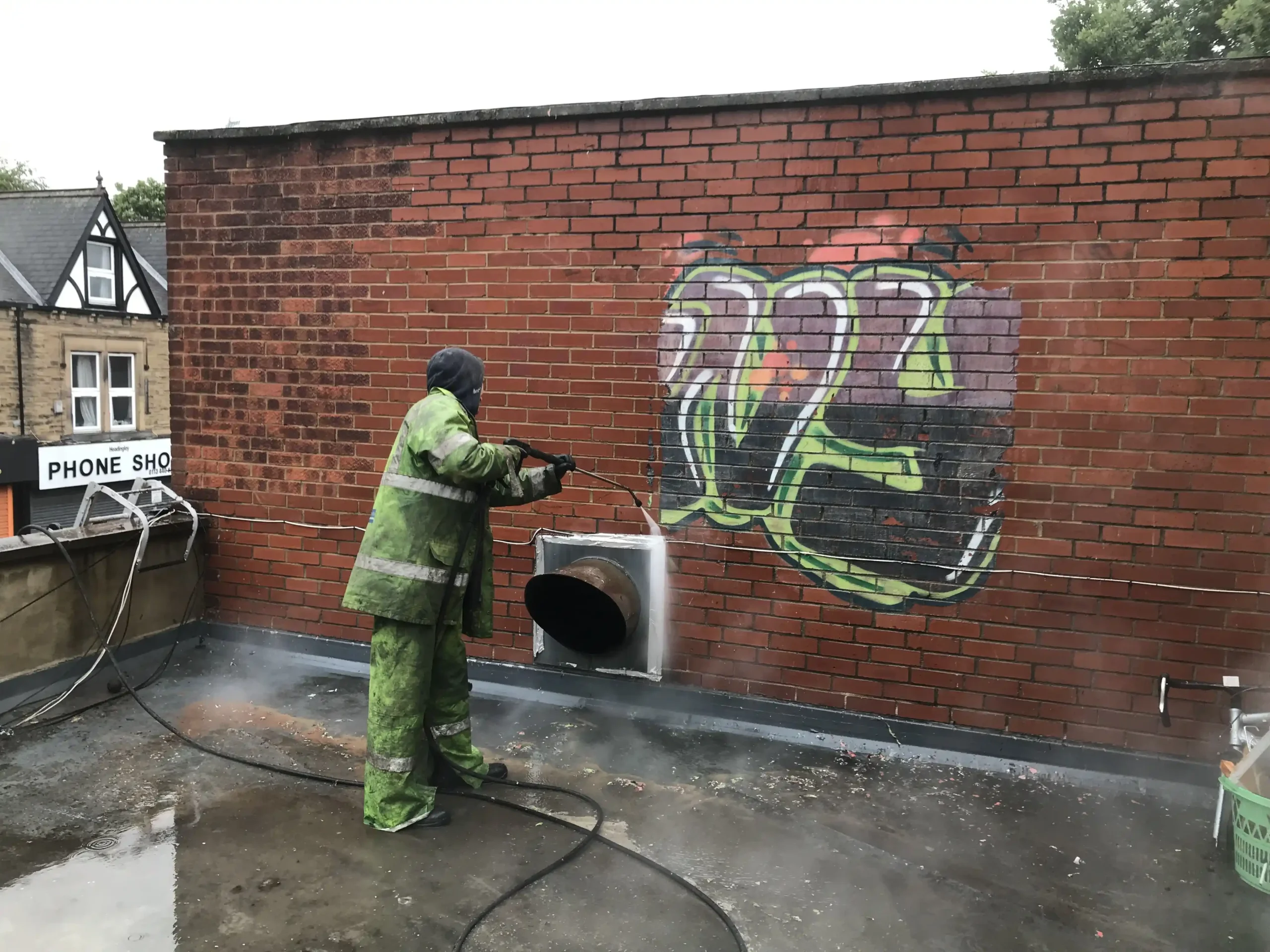
Best PSI for Graffiti Removal by Surface
There is no universal pressure setting for every graffiti-removal project. The safest PSI depends on the surface material, its condition, the type of paint, nozzle angle, water temperature, and distance from the spray tip.
| Surface | Suggested Starting Range | Recommended Approach |
| Painted metal | 500–1,200 PSI | Use a wide fan nozzle and test the finish |
| Unpainted metal | 1,000–2,000 PSI | Avoid concentrating water on thin panels |
| Wood | 500–1,200 PSI | Use low pressure and a suitable chemical remover |
| Painted wall | 500–1,000 PSI | Soft washing may help preserve the coating |
| Older brick | 500–1,200 PSI | Inspect mortar and avoid aggressive nozzles |
| Sound brick | 1,000–2,000 PSI | Use controlled pressure and masonry-safe cleaner |
| Concrete | 2,500–3,500 PSI | Pretreat paint before increasing pressure |
| Durable commercial concrete | Up to 4,000 PSI | Use trained operators and test first |
These are general starting ranges rather than guaranteed settings. A narrow nozzle used close to the surface can cause damage even at moderate PSI. Always begin with a wider spray pattern and maintain a generous working distance.
Graffiti Removal by Surface Type
Different surfaces need different cleaning methods. Here’s how to use your pressure washer for graffiti on common materials:
Brick
Brick is bumpy; it is not smooth, and the graffiti clings to the wall easily, and it is difficult to remove. This should be done using a hot water pressure washer having at least 3000 PSI. The rotary nozzle is effective in cleaning deep in a brick. When wiping and washing, use biodegradable graffiti remover in case the paint is stubborn.
Metal
Surfaces made of metal, such as signs or fences, are smoother, and graffiti can be removed more readily. Do not use a higher pressure setting or fan spray tip, which could scratch or bend the surface.
Concrete
Concrete can withstand greater pressure. Begin by using a graffiti removal pressure washer that is at 3500 PSI or equivalent; a turbo nozzle assists the water in digging deeper and cleaning the surface thoroughly.
Hot Water vs. Cold Water for Graffiti Removal
Both hot- and cold-water pressure washers can remove graffiti, but their performance differs according to the paint and surface.
| Feature | Hot-Water Pressure Washer | Cold-Water Pressure Washer |
| Paint-softening ability | Strong | Moderate |
| Performance on oily residue | Excellent | Limited |
| Chemical efficiency | May require less detergent | May require stronger pretreatment |
| Initial equipment cost | Higher | Lower |
| Maintenance requirements | More complex | Generally simpler |
| Best use | Frequent commercial graffiti removal | Fresh or light graffiti removal |
Hot water can shorten cleaning time and improve the effectiveness of professional graffiti-removal chemicals. This benefit can justify the higher cost for contractors and public works departments handling frequent paint removal.
Cold-water equipment remains practical for occasional projects and newly applied graffiti. Quick action is important because spray paint becomes more difficult to remove as it cures and penetrates porous materials.
Step-by-Step Graffiti Removal Process
A systematic cleaning process improves results and protects the underlying surface. Avoid beginning with maximum pressure because a damaged wall or sign may cost more to repair than the original graffiti.
Inspect the Surface
Identify the surface material, condition, existing finish, and type of graffiti. Look for cracks, loose mortar, peeling paint, damaged sealant, rust, and weak areas before applying water pressure.
Protect the Work Area
Cover landscaping, windows, electrical outlets, vehicles, signs, and nearby property. Use cones, barriers, and warning signs to keep pedestrians away from hoses, chemicals, and slippery surfaces.
Test the Cleaning Method
Apply the selected graffiti remover to a small, hidden area. Confirm that it softens the unwanted paint without discoloring, etching, or stripping the underlying surface.
Apply Graffiti Remover
Follow the manufacturer’s dilution and application instructions. Allow the product to dwell for the recommended period, but do not let it dry on the surface.
Agitate Stubborn Areas
Use a compatible nylon brush when additional agitation is required. Avoid metal brushes and highly abrasive tools that may scratch the material.
Pressure Wash Carefully
Begin with low pressure and a wide spray angle. Hold the nozzle at a safe distance and increase the cleaning force gradually only when necessary. Work in controlled sections using overlapping passes. Keep the nozzle moving to prevent concentrated pressure from leaving permanent lines or marks.
Rinse and Inspect
Rinse the surface thoroughly to remove paint, detergent, and loosened residue. Inspect the area after it dries and repeat the treatment on any remaining graffiti instead of using excessive pressure.
Surface Protection: How to Avoid Damage During Graffiti Removal
Using a pressure washer for graffiti is an excellent way to clean surfaces, but it may damage the surface when used improperly. Too much pressure or an inappropriate technique may cause scratches, discoloration, or even cracks.
Here’s how you can remove graffiti without damaging the underlying surface:
- Select an appropriate nozzle depending on the surface you are cleaning. The 25-degree spray tip gives a broad but controlled spray, and the rotary (turbo) pattern offers even greater cleaning power and circulation—perfect for tough paint but with as little surface damage as possible.
- Maintain a 6-12-inch gap between the nozzle and surface. It may chip or etch surfaces when too close or may be ineffective when too far. The distance should be further, and then you draw yourself to the necessary point to adjust the pressure.
- Only apply eco-friendly graffiti removers when necessary, and at the end of every time, rinse thoroughly. An overdose of cleaner or insufficient rinsing may cause discoloration or weakening of materials.
- Make sure you do not start at maximum PSI. Start at a low setting and then raise it when you feel the need until the graffiti comes off. This prevents overpressurizing the surface.
If you’re looking for a robust solution that balances power and safety, check out Pressure King Inc.’s commercial 4000 PSI pressure washer for graffiti removal, a high-performance model built to remove paint, grime, and stains quickly while preserving surface integrity.
Attachments That Make a Difference
The right accessories enhance your pressure washer for graffiti and improve safety and efficiency:
- Rotary Nozzles: Spin water in a circular motion to concentrate force without harsh abrasion
- Chemical Injectors: Allow detergent mixing for deeper cleaning
- Extension Wands: Reach high or awkward areas without ladders
- Surface Cleaners: Ideal for wide, flat areas like sidewalks or walls
Choosing the Right Graffiti-Removal Chemical
The best chemical depends on the type of paint and the underlying surface. Spray paint, permanent marker, adhesive, ink, and protective coatings may require different products. Choose a cleaner that clearly identifies compatible surfaces. A product formulated for concrete may be too aggressive for painted metal, plastic, wood, or coated masonry.
Consider the following before selecting a chemical:
- Type and age of the graffiti
- Surface material and condition
- Existing paint, sealant, or coating
- Required dwell time
- Recommended water temperature
- Ventilation requirements
- Personal protective equipment
- Environmental and disposal instructions
Never mix cleaning chemicals unless the manufacturer specifically instructs you to do so. Combining incompatible products can create toxic fumes, damage equipment, and harm the surface.
Wastewater Control and Environmental Safety
Graffiti-removal wastewater should not automatically be directed into a storm drain. The runoff may contain paint particles, solvents, detergents, oils, heavy metals, and other contaminants. Before starting a commercial project, determine where the water will travel. Protect drains, use absorbent barriers, and collect wastewater with recovery equipment when required.
Municipalities and commercial contractors should follow applicable local environmental and wastewater-disposal rules. Proper runoff management protects nearby soil, landscaping, waterways, pedestrians, and neighboring properties.
Anti-Graffiti Coatings and Prevention Tips
Although graffiti removal using a pressure washer is quite effective, prevention is even better. Surfaces can be super-coated with an anti-graffiti coating that forms a barrier so that the spray paint can be removed easily. They exist in two major categories:
Sacrificial Coatings:
They are put on the surface and removed when the graffiti is removed. The coating has to be reapplied after that.
Permanent Coatings:
These form a tough, permanent coating, which permits graffiti to be blown or washed away without having to recoat the surface.
Use Cases in Cities and Public Spaces
City and municipal crews commonly use graffiti pressure washers to keep public spaces clean and welcoming. Typical use cases are
- Cleaning up the parks, benches, and bathroom stalls of spray paint
- Wiping graffiti on the walls of schools, street signs, and playgrounds
- Removing unwanted graffiti on sidewalks, bridges, and bus stops
Public works crews use hot water pressure washers with high PSI, eco-friendly cleaning chemicals, and the right nozzles because graffiti in high-traffic areas must be removed quickly and safely. These devices restore surfaces quickly without causing damage or delaying public use.
Eliminate grease buildup, sanitize surfaces, and maintain kitchen hygiene with our hot water pressure washers made specifically for food-service environments.
When to Hire a Professional Graffiti-Removal Service
Professional assistance may be the better choice when graffiti covers a large or elevated area, involves several paint layers, or affects old, damaged, painted, historic, or unidentified surfaces. Experienced technicians can select the appropriate pressure, temperature, detergent, and nozzle while controlling public access and meeting strict restoration requirements.
A professional service is also advisable when strong chemical removers or wastewater recovery are required, or when previous cleaning attempts have caused discoloration. Although professional graffiti removal may cost more initially, it can prevent expensive damage such as etched concrete, weakened mortar, stripped coatings, and discolored masonry.
Conclusion
Graffiti removal doesn’t have to be a struggle. With the right graffiti removal pressure washer, proper PSI, hot water capability, eco-friendly cleaners, and smart attachments, you can clean almost any surface effectively and safely. Whether you’re dealing with brick, concrete, or metal, understanding the right tools and techniques makes all the difference.Want help finding the perfect setup? Visit today the best Industrial equipment supplier in New Jersey & New York to explore top-rated pressure washers for graffiti and get expert guidance for your next cleanup job.
Frequently Asked Questions
What is the best pressure washer for graffiti removal?
The best machine offers adjustable pressure, strong water flow, commercial-grade construction, and chemical compatibility. A hot-water pressure washer is particularly useful for frequent commercial graffiti removal and stubborn spray paint.
How much PSI is needed to remove graffiti?
Durable concrete may require approximately 2,500–3,500 PSI, while brick, wood, metal, and painted surfaces usually need lower pressure. Always begin with the lowest effective setting and test a hidden area.
Is hot water better for removing graffiti?
Hot water can soften paint, oily residue, and adhesive more effectively than cold water. It may reduce cleaning time and chemical use, particularly when removing old or layered graffiti.
Can pressure washing remove spray paint from concrete?
Yes, a pressure washer can remove spray paint from sound concrete when combined with a suitable graffiti remover. Pretreatment, controlled PSI, sufficient water flow, and an appropriate nozzle improve the result.
Can pressure washing damage brick?
Excessive pressure can chip brick faces, remove mortar, and force water behind the wall. Use low pressure, a wide fan nozzle, and a masonry-compatible graffiti remover after testing a small area.
Which nozzle is best for graffiti removal?
A 25-degree nozzle provides controlled cleaning power, while a 40-degree nozzle is safer for delicate surfaces and rinsing. Turbo nozzles should be limited to durable materials after careful testing.
Do I need chemicals to remove graffiti?
Fresh graffiti may come off with water pressure alone, but older paint generally responds better to a compatible graffiti remover. Chemicals soften the paint and reduce the need for excessive pressure.
How can I prevent graffiti from returning?
Anti-graffiti coatings, improved lighting, security cameras, clear visibility, and quick removal can discourage repeat vandalism. Permanent or sacrificial coatings also make future cleaning easier.

Michael Adeniran is the CEO of Pressure King Inc. He has been dealing in commercial cleaning equipment for many years. He is one of the leading specialists and experts in commercial cleaning products.


