

How to Strip Paint from Metal Using Pressure Washing
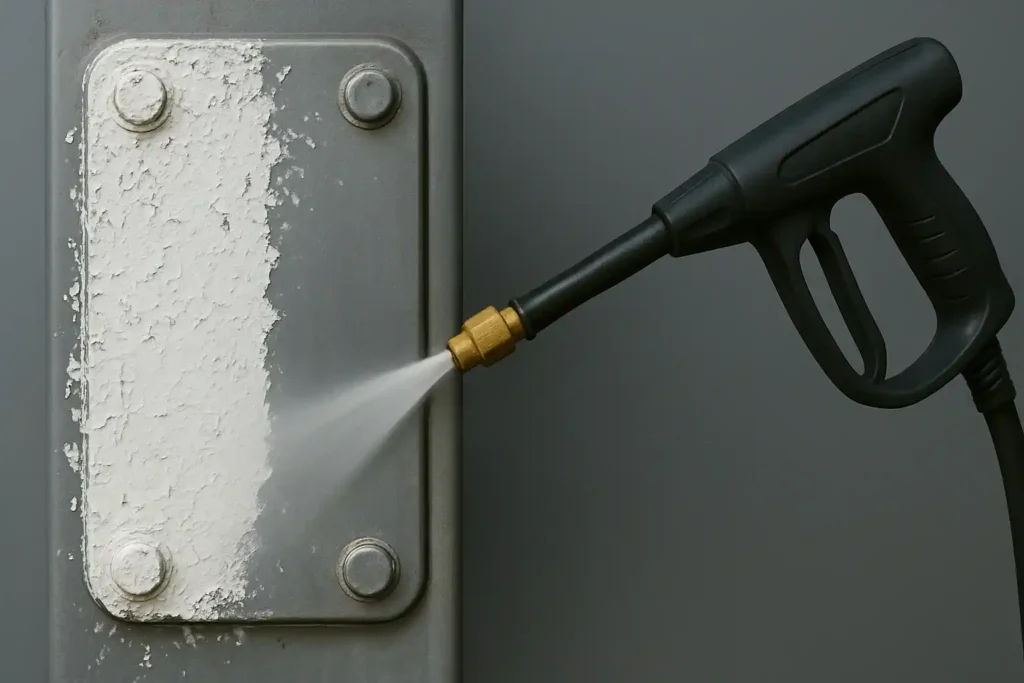
Removing old or peeling paint from metal can take considerable time when using only a scraper, wire brush, or sander. A pressure washer can speed up the work by lifting loose coatings from fences, machinery, steel panels, and other durable metal surfaces. However, the correct pressure, nozzle, distance, and preparation are essential because excessive force can dent softer metals or drive water into joints.
This guide explains how to remove paint from metal with a pressure washer, when the method works, and when another stripping method may be more suitable. It also covers equipment selection, safety precautions, surface preparation, and the steps required before repainting.
Pressure King supplies pressure washers, nozzles, detergents, parts, and rental equipment for commercial and industrial customers throughout New Jersey. The goal is to help users choose a setup that removes failing paint without causing unnecessary damage to the underlying metal.
Why Use Pressure Washing to Strip Paint from Metal?
Many people ask, will a pressure washer remove paint from metal surfaces effectively. The answer depends on the type of paint and how well it adheres to the metal.
Here are some of the important reasons for using pressure washers to remove the paint from metal surfaces:

Efficiency and Speed
A pressure wash does complete paint removal from metal surfaces faster than traditional manual scraping or sanding processes. The combination of high-pressure water forces breaks the paint layers from the metal surface, thus shortening completion time.
Minimizes Surface Damage
Sandpaper and grinders cause unneeded deterioration of metal by scratching the surface. Pressure washing eliminates paint from metal without causing damage to its structure, so it serves as the best option for preserving intricate metal items.
Eco-Friendly Alternative
Paint removal chemicals, which release toxic material, have harmful impacts on both the environment and human health. Using water as an effective tool through pressure washing avoids the requirement of using large amounts of chemicals for paint stripping purposes. Pressure washing achieves environmentally friendly cleaning operations when paired with biodegradable cleaning agents during the process.
Versatile Application
Pressure washing can be used on a variety of metal surfaces, including:
- Iron & Steel: Common in fences, machinery, and structural components.
- Aluminum: Often used in siding, car parts, and window frames.
- Brass & Copper: Found in decorative fixtures and industrial equipment.
How to use a pressure washer? The right pressure settings and techniques ensure that each type of metal is cleaned safely and effectively.
Cost-Effective Solution
Pressure washing proves to be an efficient method because it needs fewer tools and materials when compared to labor-intensive alternatives. The acquisition of a high-powered pressure washer enables you to perform metal paint stripping with ease and at an affordable cost.
The overall pressure washer rental cost depends on rental duration, equipment type, and included accessories. Half-day rentals are often available at a reduced price compared to full-day rates.
Can All Paint Be Removed With a Pressure Washer?
A pressure washer works best on paint that is already peeling, flaking, blistering, or poorly bonded to the metal. It may remove loose coatings quickly, but it may not completely strip properly bonded paint, industrial finishes, powder coating, or several thick layers.
In these cases, pressure washing may serve as the first preparation stage rather than the complete stripping method. Remaining coatings may require an approved paint remover, mechanical abrasion, media blasting, or professional surface-preparation equipment.
Older or unidentified coatings should be treated carefully because disturbed paint may contain hazardous materials. Do not pressure-wash a questionable coating until it has been properly assessed. Paint chips and contaminated wastewater should also be contained instead of being allowed to enter soil or storm drains.
Essential Tools for Pressure Washing Paint from Metal
The process of removing paint with pressure washer equipment requires preparation and proper technique. Start by cleaning the surface to remove dirt and debris. To achieve the best results when stripping paint from metal, it’s crucial to use the right equipment and safety gear. Here’s what you’ll need:
1. Pressure Washer
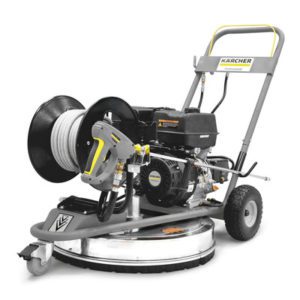
A high-quality pressure washer is the foundation of this process. Consider the following specifications when choosing one:
- PSI (Pounds per Square Inch): If your goal is to remove paint pressure washer style, selecting the correct PSI level is critical. A 3000 psi pressure washer to 4000 psi pressure washer is recommended for effective paint removal. Lower PSI models may struggle to lift stubborn paint.
- GPM (Gallons per Minute): A higher GPM helps wash away loosened paint more efficiently. Look for 2.5 GPM or higher for the best results.
-
-
-
-
2000 psi pressure washer View Product This product has multiple variants. The options may be chosen on the product page




2. Nozzle Selection
The right nozzle determines the intensity and spread of water pressure. Use:
- 15 Degree Nozzle (Yellow Tip): Best for stripping paint while avoiding excessive damage.
- 25-Degree Nozzle (Green Tip): This is Suitable for lighter paint removal on more delicate metal surfaces.
- Rotary/Turbo Nozzle: Spins the water jet for a more aggressive cleaning action, useful for thick or stubborn paint layers.
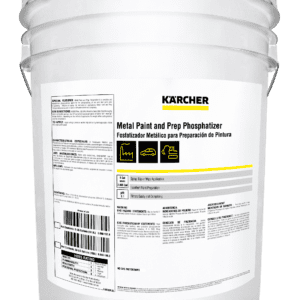
3. Detergents and Paint Strippers
Using biodegradable detergents together with pressure washing enhances the process efficiency. A cleaning solution suitable for pressure washing should be applied to allow paint breakdown and enhance its removal process.
-
-
-
-
Chemicals & Detergents Price range: $199.58 through $1,899.94 View Product This product has multiple variants. The options may be chosen on the product page -
-
Chemicals & Detergents Price range: $295.49 through $2,769.12 View Product This product has multiple variants. The options may be chosen on the product page -
-
Chemicals & Detergents Price range: $166.75 through $1,498.18 View Product This product has multiple variants. The options may be chosen on the product page



4. Safety Equipment
Pressure washing can be dangerous if not handled properly. Always wear:
- Protective Goggles: To shield eyes from paint debris and high-pressure water spray.
- Heavy-Duty Gloves: To protect hands from water pressure and cleaning chemicals.
- Long-Sleeved Clothing: To minimize skin exposure to flying paint chips and high-pressure spray.
- Respirator Mask (Optional): If using chemical strippers, a respirator prevents inhalation of harmful fumes.
5. Additional Tools
- Scraper or Wire Brush: To help remove stubborn paint spots after pressure washing.
- Drop Cloths or Tarps: To collect and contain stripped paint, preventing contamination of the surrounding area.
By having the right tools and safety measures in place, you can ensure a smooth and effective paint removal process while protecting yourself and the metal surface.
Recommended PSI for Different Metal Surfaces
There is no single pressure setting suitable for every metal surface. The condition and thickness of the metal matter as much as the paint itself. Begin with the least aggressive setting that produces a result, and always test a hidden area first.
| Metal surface | Suggested starting approach | Main risk |
| Heavy structural steel | Moderate pressure with a 25-degree nozzle | Flash rust after washing |
| Steel fence or railing | Low-to-moderate pressure | Damage around joints and decorative details |
| Metal machinery | Adjustable pressure and controlled spray | Water entering bearings or electrical parts |
| Aluminum panels | Low pressure with a wide spray | Dents, warping, or surface marks |
| Steel door | Lower pressure with careful distance | Damage to seals, glazing, or surrounding trim |
| Copper or decorative metal | Very low pressure or another method | Permanent surface marking |
The existing recommendation of 3,000–4,000 PSI for most metal surfaces is too broad. Some metal components may tolerate that range, but thinner panels, aluminum, doors, and decorative pieces can be damaged. Users should follow the equipment and surface manufacturer’s instructions.
Hot-Water vs. Cold-Water Pressure Washers
Both systems can support pressure-washer paint stripping, but they serve different needs.
| Pressure-washer type | Best suited for | Limitation |
| Cold-water pressure washer | Loose paint, dirt, and general surface preparation | Less effective on oily or greasy buildup |
| Hot-water pressure washer | Greasy equipment and contaminated industrial metal | Higher rental or purchase cost |
| Adjustable-pressure machine | Mixed metal types and delicate components | Requires careful setup |
| High-flow commercial machine | Large steel surfaces and faster debris removal | May require more water containment |
Hot water does not automatically remove every type of paint. However, it can help clean grease and oil before stripping or repainting. New Jersey contractors and facility teams can explore Pressure King’s pressure washer selection when comparing equipment for recurring maintenance work.
Should You Rent or Buy a Pressure Washer for Paint Removal?
Renting may suit a one-time fence, gate, or small restoration project. Buying can make more sense for contractors, property managers, fleet facilities, manufacturers, and maintenance teams that regularly prepare metal surfaces.
| Project situation | Rent | Buy |
| One-time paint-removal project | ✓ | |
| Need to test equipment before purchasing | ✓ | |
| Frequent facility maintenance | ✓ | |
| Regular metal restoration work | ✓ | |
| Different equipment needed for each job | ✓ | |
| Immediate access required throughout the year | ✓ |
Users should compare the project size, required PSI and GPM, accessories, transport needs, and expected operating frequency. Pressure King can help New Jersey customers determine whether purchasing or arranging a pressure-washer rental is more practical.
Step-by-Step Guide For How To Strip Paint From Metal
A detailed method for removing paint from metal through pressure washing operations will produce safe and effective results while maintaining operational efficiency. The following step-by-step guide contains all the necessary information to obtain optimal outcomes.

Step 1: Preparation
1. Clean the Surface
Performing a complete metal surface clean by eradicating dust along with dirt, grease, and debris requires an initial step before paint stripping begins. A simple water-based detergent washing followed by a rinse with clean water will reveal the paint layer while improving the performance of the pressure washer.
2. Choose the Right Pressure Washer Settings
When choosing a pressure washer for paint removal, look for a model that offers adjustable pressure settings and durable components. Gas-powered models typically provide more power than electric versions, making them ideal for large outdoor projects.
- PSI (Pounds per Square Inch): For most metal surfaces, a pressure washer with 3,000–4,000 PSI is recommended.
- GPM (Gallons per Minute): A minimum of 2.5 GPM ensures efficient paint removal and faster rinsing.
- Nozzle Selection:
- 15-degree nozzle (yellow tip): Best for paint stripping without damaging the metal.
- Rotary/turbo nozzle: Useful for thick, stubborn paint layers.
- 25-degree nozzle (green tip): A Gentler option for delicate metal surfaces.
3. Apply a Paint Stripper
For thick, aged, or multiple layers of paint, applying a biodegradable chemical stripper before pressure washing can make the process easier.
- Spray or brush the paint remover onto the surface and let it sit for 15–30 minutes (or as recommended by the manufacturer).
- The stripper will soften the paint, making it easier to remove with high-pressure water.
4. Protect Surrounding Areas
When performing pressure washer paint removal, safety and preparation are key.
- Cover nearby plants, furniture, or sensitive surfaces with tarps or plastic sheeting to prevent damage from flying paint chips and water pressure.
- If working on small metal objects, place them on a stable work surface or secure them with clamps to prevent movement during washing.
Step 2: Stripping Paint with a Pressure Washer
Before attempting paint stripping, understand how your pressure washer operates. PSI (pressure) determines the force of the spray, while GPM (flow rate) influences cleaning speed. Higher PSI helps break paint bonds, but improper use can damage surfaces.
1. Start with a Test Spot
Testing a minimal hidden section of the surface should be done before cleaning the entire area. Testing the system on a discreet area will verify both pressure safety for the metal and paint removal efficacy before proceeding with the full operation.
2. Maintain the Correct Distance
- Hold the pressure washer wand 8 to 12 inches away from the metal surface.
- Keeping the nozzle too close can damage softer metals, while holding it too far can reduce effectiveness.
3. Use a Consistent Motion
- Work in smooth, overlapping strokes, moving side to side to ensure even paint removal.
- Avoid focusing on one area for too long, as prolonged high-pressure exposure may dent or warp thinner metal surfaces.
4. Adjust Pressure and Angle as Needed
- If the paint is not coming off easily, increase the pressure slightly or switch to a more aggressive nozzle (e.g., a turbo nozzle).
- For stubborn areas, use a 45-degree angle spray approach instead of spraying directly head-on.
Step 3: Post-Cleaning and Surface Care
1. Inspect the Metal Surface
After pressure washing, check the surface for any remaining paint spots. If some stubborn patches remain:
- Repeat the pressure washing process with a higher pressure setting or a closer spray distance.
- Use a scraper or wire brush to manually remove leftover paint.
2. Rinse and Dry the Metal Surface
- Use a low-pressure setting to give the metal a final rinse and remove any loosened paint debris.
- Allow the metal to dry completely before applying a new coat of paint or sealant.
- To prevent rusting on iron or steel, dry the surface immediately using a clean towel or an air blower.
3. Dispose of Paint Chips Properly
- Collect and dispose of stripped paint according to local environmental regulations.
- Avoid letting paint chips enter storm drains, soil, or natural water sources.
How to Prepare Metal for Repainting After Pressure Washing
Removing paint is only part of the preparation process. Once pressure washing is complete, collect the loosened coating, rinse away residue, and inspect the surface for rust, grease, and firmly bonded paint.
Dry steel and iron promptly to reduce flash rust. A clean towel or suitable air blower can help remove water from seams and recessed areas. Once dry, address remaining corrosion and create the surface profile required by the new coating manufacturer.
Apply the appropriate primer soon after preparation, particularly on bare steel. Leaving unprotected metal exposed to moisture may allow corrosion to begin before the new coating is applied.
When Pressure Washing Is Not the Right Method
Choose another removal method or professional assistance when:
- The coating may contain lead or another hazardous material.
- The metal is thin, decorative, corroded, or easily deformed.
- Water could enter electrical components, bearings, or machinery controls.
- The work area cannot contain paint chips and wastewater.
- The coating is tightly bonded and unaffected by a test spray.
- The surface manufacturer advises against pressure washing.
This section improves safety while helping customers determine whether equipment rental, specialized accessories, or another preparation method is appropriate.
Equipment, Parts, and Repair Support
A worn nozzle, damaged hose, unstable pressure, or poorly operating pump can produce uneven results during paint removal. Before beginning a large project, inspect the spray gun, wand, hose, connections, nozzle, and detergent system.
Pressure King supplies pressure-washer nozzles, wands, detergents, replacement parts, and equipment support for customers in New Jersey. If the washer loses pressure, pulses during use, or fails to maintain a consistent spray, repair may be necessary before continuing.
Tips for Success
Stripping paint from metal using pressure washing requires a strategic approach to ensure maximum efficiency while avoiding damage. Applying paint remover on steel washer surfaces can be effective when high-pressure water alone is insufficient
Here are some expert tips to achieve the best results:
- Adjust the Pressure Washer Settings Based on Metal Type
- Use a Paint Softener for Stubborn Paint Layers
- Maintain the Right Distance & Angle
- Work in Sections for Consistency
- Use a Heat Gun for Extra Stubborn Spots
Using paint removal with pressure washer techniques can save time compared to manual scraping. It’s particularly effective for exterior siding, fences, decks, and masonry surfaces.
What to Look for in a Paint Removing Pressure Washer
A reliable paint removing pressure washer should have sufficient power and durable construction. Adjustable PSI settings allow you to tailor the pressure based on the surface type.
Look for models with brass pump components and high-quality hoses for longevity. Accessories such as rotating turbo nozzles can enhance paint-stripping performance.
Common Mistakes to Avoid
Even with the right equipment, mistakes can lead to ineffective results or even damage the metal surface. Here are some key mistakes to avoid when using a pressure washer to strip paint from metal:
- Using Too High of a Pressure Setting on Soft Metals: Metals like aluminum and copper can be easily dented or warped if too much pressure is applied.
- Not Cleaning the Surface Before Pressure Washing: Dirt, grease, and debris can interfere with paint removal, making it harder for the water pressure to penetrate the paint layers.
- Holding the Nozzle Too Close: Holding the nozzle too close (less than 6 inches) can damage delicate details on metal surfaces.
- Ignoring Safety Precautions: Always wear protective goggles, gloves, and long sleeves to prevent injuries from flying paint chips.
By avoiding these common mistakes, you can ensure a smooth, damage-free paint removal process.
Conclusion
The process of removing paint from metal surfaces becomes faster and more efficient, along with being environmentally friendly, through pressure washing methods. Pressure washing differs from conventional scraping and chemical stripping since it delivers swift paint removal service that keeps metal surfaces undamaged.
Using proper methods and suitable tools will enable you to restore metal surfaces to their initial state through correct practices. The combination of pressure washing offers a strong economical approach for cleaning metal fences and machinery along with industrial equipment.
Find the Right Equipment for Your Paint-Removal Project
Not sure which pressure washer, nozzle, or cleaning product fits your metal surface? Pressure King helps commercial, industrial, and property-maintenance customers across New Jersey select pressure-washing equipment, accessories, rentals, parts, and repair support.
Contact Pressure King to discuss your project and equipment requirements.
Frequently Asked Questions (FAQs)
How to remove paint from metal?
A high-pressure washer, along with either a 15-degree nozzle or a turbo nozzle, should be employed to remove paint from metal surfaces. Begin with a cleanup process followed by paint stripper application, and finish the task by pressure washing at a 45-degree angle while keeping a distance of 8 to 12 inches. After cleansing the metal surface, you should rinse it and allow it to dry to avoid rust formation.
How to remove paint from a steel door?
Use a high-pressure washer with a turbo nozzle to easily remove paint from steel doors when it yields more than 3,500 PSI. Use non-biodegradable paint remover on required spots before you smooth pressure wash in overlapping areas. Rinse thoroughly and put on a rust controller to shield the metal parts.
How to remove paint from aluminum?
At 2,500 to 3,000 PSI with a 25-degree nozzle, aluminum softens better because high pressure can damage it. Place the stripper on gently and let it work before spraying with low-pressure water. Apply low force during washing and protect the surface by adding a defense lawyer against rust.
Can a pressure washer remove peeling paint from a metal fence?
Yes. Pressure washing can remove loose and peeling paint from a durable metal fence. Start with a wider nozzle and moderate pressure, test a hidden section, and avoid concentrating the spray on joints, decorative elements, or corroded areas.
What is the best PSI for removing paint from metal?
The best PSI depends on the metal’s thickness, condition, and coating. Start at a lower setting and increase gradually. Heavy steel may tolerate greater pressure, while aluminum, thin panels, and decorative metal require a gentler approach.
Can pressure washing damage metal?
Yes. Excessive pressure, a narrow nozzle, or holding the wand too close can dent thin metal, mark softer surfaces, damage seals, and force water into equipment. A test area and adjustable-pressure machine reduce the risk.
Should I use a hot- or cold-water pressure washer?
Cold water may be sufficient for loose paint and ordinary surface preparation. Hot water is more helpful when metal is covered with oil or grease, but it does not guarantee complete paint removal.
Can I rent a pressure washer to remove paint?
Yes. Renting can be practical for a one-time project, especially when a commercial machine or specific accessory is required. Confirm the required PSI, GPM, nozzle, hose length, and transport arrangements before renting.

Michael Adeniran is the CEO of Pressure King Inc. He has been dealing in commercial cleaning equipment for many years. He is one of the leading specialists and experts in commercial cleaning products.


