

How to Use a Pressure Washer: A Complete Step-by-Step Guide for Beginners
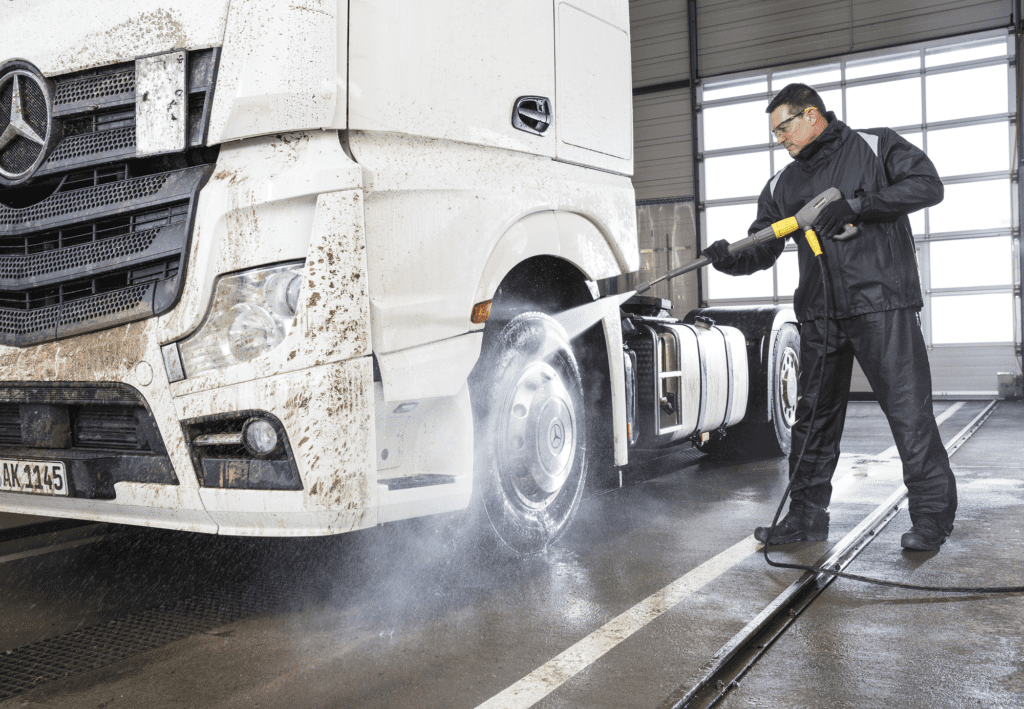
Ever stared at a grimy driveway, a moss-covered deck, or dirty siding and wished it would just clean itself? A pressure washer is the tool that gets you close. It turns hours of scrubbing into minutes of spraying, and it works on everything from patios to vehicles to the outside walls of your house.
But a pressure washer is powerful, and power needs proper handling. If you’re using one for the first time, learning how to use a pressure washer the right way keeps you safe, protects your surfaces, and gives you cleaner results than a garden hose ever could. This guide walks you through the whole process, from hooking it up to starting it, choosing the right soap, and washing your home’s exterior.
What a Pressure Washer Is and What It Can Clean
A pressure washer is a machine that boosts ordinary water into a fast, focused jet. It uses a motor or engine to drive a pump, and that pump forces water through a hose and out of a narrow nozzle at high speed. A garden hose relies on gravity and gives you a gentle stream, while a pressure washer squeezes that same water into a stream strong enough to blast away dirt, mold, grease, and even loose paint from tough surfaces.
That extra force is what makes these machines so useful around a home or job site. With the right nozzle and a bit of technique, one tool can handle a long list of outdoor cleaning tasks that would otherwise take hours by hand.
Key Parts of a Pressure Washer You Should Know
Before you learn how to start a pressure washer, it helps to know what you’re working with. Most units share the same core parts, whether they run on electricity or gas. The motor or engine powers a pump that builds the pressure, a high-pressure hose carries the water to the gun, a trigger gun controls the flow, and a set of nozzles shapes the spray. Knowing these parts makes setup faster and troubleshooting much easier down the road.
- Motor or engine and pump: Generates the water pressure that does the cleaning.
- High-pressure hose: Moves water from the pump to the spray gun.
- Trigger gun: Lets you start and stop the water flow with one squeeze.
- Nozzles or tips: Color-coded attachments that change the spray angle and force.
Common Surfaces a Pressure Washer Can Clean
A pressure washer earns its keep because it works on so many surfaces. You can clean home siding, brick, and stucco, revive faded decks and patios, strip stains off driveways and walkways, and wash mud and road salt off vehicles. With the right accessories, it can even clear leaves and moss from gutters and roofs. Matching the surface to the correct nozzle and pressure is what keeps you cleaning effectively without causing damage.
How to Hook Up a Power Washer Before You Start
Learning how to hook up a power washer is the first hands-on step, and getting it right prevents leaks, weak pressure, and pump damage. The process is simple once you’ve done it a couple of times. You’ll connect the water supply, attach the high-pressure hose, secure the spray gun and wand, then choose a nozzle. Always set the machine on a stable, level surface first so it doesn’t tip while you’re working.
Take a minute to check every connection before you power anything on. Loose fittings are the most common reason a new user loses pressure or ends up with water spraying where it shouldn’t. Hand-tight plus a small turn with the fittings is usually enough.
Connecting the Water Supply and High-Pressure Hose
Start by attaching a garden hose from your outdoor faucet to the water inlet on the pressure washer, then turn the faucet on fully so the pump gets a steady supply. Next, connect the high-pressure hose to the machine’s outlet and to the trigger gun, tightening both ends to avoid leaks. Never run a pressure washer without water flowing, since a dry pump can overheat and fail within seconds.
Attaching the Spray Gun, Wand, and Nozzles
With the hoses connected, snap the wand onto the trigger gun and lock it in place. Then pick a nozzle based on the job. Color-coded tips make this easy once you know the system, and choosing the correct one is the difference between a clean surface and an accidental gouge.
- 0-degree (red): A narrow, extremely powerful jet for the toughest, most durable surfaces only.
- 25-degree (green): A balanced, all-purpose tip that handles most everyday cleaning.
- 40-degree (white): A wide, gentle spray for delicate surfaces like siding and windows.
- Soap nozzle (black): A low-pressure tip made specifically for applying detergent.
How to Start a Pressure Washer the Right Way
Knowing how to start a pressure washer depends on whether you have an electric or gas model, but a few steps apply to both. Squeeze the trigger gun first to release trapped air and let water run through the system, which primes the pump and prevents pressure spikes. Only after water flows steadily should you power the unit on. This small habit protects the pump and gives you smooth, consistent pressure from the first pull of the trigger.
Take a moment to double-check that your water is on, your hose has no kinks, and your nozzle is locked in. Starting with everything set correctly saves you from stopping mid-job to fix a preventable problem.
Starting an Electric Pressure Washer
Electric models are the easiest to start, which makes them great for first-time users. Connect it to a grounded outlet, ideally one with GFCI protection, and avoid extension cords unless the manufacturer approves a specific gauge. Squeeze the trigger to bleed out air, then flip the power switch on. The motor will run when you press the trigger and pause when you release it, so it only draws power while you’re actively cleaning.
Starting a Gas Pressure Washer
Gas pressure washers deliver more power but need a bit more effort to start. Check the oil and fuel, set the choke, and move the throttle to the start position. Squeeze the trigger to release air, then pull the recoil cord firmly to fire up the engine. Once it’s running, move the choke back to the run position and let it idle for a few seconds before you begin. Always run gas units outdoors in a well-ventilated space.
Safety Gear and Precautions Before You Pressure Wash
A pressure washer sprays water with enough force to cut skin, so treating it with respect matters more than any cleaning tip in this guide. The jet can throw back debris, splash chemicals, and knock you off balance if you’re not braced. Before you pull the trigger, gear up properly and clear the area of anything you don’t want blasted, including pets, kids, loose objects, and fragile plants. A few minutes of preparation prevents most pressure washing injuries.
The goal isn’t to make the job feel intimidating, just to make it safe. Once you’ve got the right gear on and understand a handful of precautions, using a pressure washer becomes a routine, low-stress task.
Essential Safety Gear for Pressure Washing
Protect yourself before you start, because the spray and flying debris are the real hazards, not the machine sitting still. Safety glasses or goggles shield your eyes from splashback and stray particles. Ear protection matters with loud gas engines during long sessions. Sturdy closed-toe shoes give you stable footing on wet ground, and gloves plus long pants guard your skin from the spray. This gear is inexpensive and worth having on hand every single time.
Safety Precautions You Should Never Skip
A few simple rules keep pressure washing safe. Never point the nozzle at yourself, other people, or animals, even for a second. Keep a firm, balanced stance and maintain a safe distance from the surface. Stay away from electrical outlets, fixtures, and wiring, and never use an electric unit in standing water. Read your machine’s manual once before the first use so you understand its specific controls and limits.
How to Use a Pressure Washer: Step-by-Step Cleaning Technique
Once your machine is hooked up, started, and you’re geared up, the actual cleaning follows a simple rhythm. Good technique is mostly about control and patience rather than blasting at full power. Move steadily, keep your distance, and let the water do the work. The steps below apply to almost any pressure washing job, whether you’re cleaning a driveway, a deck, a fence, or a car, and they help you get even results without streaks or surface damage.
- Start with lower pressure and a wider nozzle. Begin gentle and increase power only if needed. This protects fragile surfaces and lets you test how the surface reacts before committing.
- Test a small, hidden area first. Spray an out-of-the-way spot to confirm the pressure and nozzle won’t etch, splinter, or discolor the surface.
- Keep the nozzle 1 to 2 feet away. Holding the tip too close concentrates force in one spot and can leave marks or gouges. Adjust distance to control intensity.
- Use smooth, sweeping strokes. Move in steady, overlapping passes instead of holding on one spot. This gives even coverage and avoids streak lines.
- Work from the bottom up, then rinse top down. Cleaning upward prevents dirty streaks from running over dry areas, and rinsing downward clears the loosened grime.
- Follow the grain on wood. On decks and fences, spray parallel to the grain so you don’t tear into the wood fibers.
- Rinse thoroughly. After using any detergent, rinse with clean water to remove all soap residue before it dries.
What Soap to Use in a Power Washer for Tough Stains
For everyday dirt, plain water often does the job, but grease, mold, mildew, and set-in stains need a cleaning solution. If you’re wondering what soap to use in a power washer, the answer is a detergent made specifically for pressure washers, not dish soap or random household cleaners, which can clog the pump or damage surfaces. Pressure washer detergents are formulated to loosen grime, foam correctly, and rinse away cleanly through the machine.
Match the detergent to the task for the best results. A degreaser cuts through oil and grease on driveways and engines, a mold and mildew remover handles decks and siding, and an all-purpose cleaner covers general outdoor grime. Reading the label and picking the right formula saves you time and effort on stubborn spots.
How to Use Soap in a Pressure Washer Correctly
Using soap in a pressure washer is straightforward once you have the right detergent. Dilute it according to the manufacturer’s instructions, then fill the machine’s detergent tank or attach the soap injector if your model uses one. Switch to the black soap nozzle, which lowers the pressure so the detergent foams instead of blasting off. Apply the soap from the bottom up, let it dwell for a few minutes so it can break down the grime, but don’t let it dry on the surface. Then swap back to a rinsing nozzle and wash it away with clean water.
How to Pressure Wash a House Exterior Safely
Learning how to pressure wash a house can boost curb appeal fast, but home exteriors need a gentler touch than concrete. Too much pressure can crack siding, force water behind panels, or strip paint, so most homes are best cleaned with lower pressure and a wide-angle tip, or with a soft-wash approach. Start by closing windows, covering outlets and light fixtures, and moving anything fragile away from the walls before you begin.
Work in sections and keep the spray angled slightly downward so water doesn’t drive up under siding or trim. Apply a house-safe detergent from the bottom up, let it sit briefly, then rinse from the top down using smooth, overlapping strokes. Stay off ladders with a running wand whenever possible, since the recoil can throw you off balance. For very high or delicate areas, a professional service or the right extension accessories are safer than reaching.
Common Mistakes to Avoid When Using a Pressure Washer
Most pressure washing damage comes from a few avoidable errors, and knowing them ahead of time saves your surfaces and your machine. New users often reach for too much pressure, hold the nozzle too close, or run the pump dry without water. Others use the wrong soap, skip the test spot, or spray up under siding. Slowing down and respecting the tool prevents nearly all of these problems.
- Using the red 0-degree tip on delicate surfaces, which can gouge wood, crack siding, or etch concrete.
- Running the machine without water, which overheats and destroys the pump quickly.
- Holding the nozzle too close, leaving visible marks and stripe patterns on the surface.
- Using dish soap or bleach not meant for the machine, which can clog the pump and void warranties.
- Spraying windows, electrical fixtures, or people, all of which are safety and damage risks.
Conclusion
A pressure washer is one of the most versatile cleaning tools you can own, turning stubborn outdoor grime into a quick, satisfying job. Once you know how to hook it up, start it safely, pick the right nozzle and soap, and move with steady technique, you can confidently clean driveways, decks, vehicles, and even your home’s exterior with professional-looking results.
If you’re just starting out, take it slow, respect the power of the spray, and always test a small area first. With the right machine and a little practice, keeping your property clean becomes an easy part of your routine rather than a weekend-long chore.
Frequently Asked Questions About Using a Pressure Washer
Is it hard to use a pressure washer for the first time?
Not at all. If you hook it up correctly, start with low pressure and a wide nozzle, and keep a safe distance, a first-time user can get great results. Read the manual once and test a small area before doing the whole surface.
How do you start a pressure washer if it won’t build pressure?
Squeeze the trigger to release trapped air, make sure the water supply is fully on, and check for kinks in the hose or a clogged nozzle. Air in the line is the most common reason a machine won’t build pressure right after starting.
What soap should I use in a power washer?
Always use a detergent labeled for pressure washers, and match it to the job: a degreaser for oil, a mold remover for mildew, or an all-purpose cleaner for general dirt. Avoid household dish soap, which can clog the pump.
What PSI is safe to pressure wash a house?
Home exteriors are usually cleaned safely in the lower range with a wide-angle nozzle, using more detergent and less raw force. Siding and painted surfaces can be damaged by high pressure, so gentler is almost always better.
Can I use a pressure washer to clean my car?
Yes, with a wide nozzle, a safe distance, and a car-safe detergent. Keep the pressure moderate to avoid chipping paint, and never aim a narrow, high-pressure tip directly at the finish.

Michael Adeniran is the CEO of Pressure King Inc. He has been dealing in commercial cleaning equipment for many years. He is one of the leading specialists and experts in commercial cleaning products.


