

Effective Strategies for Removing Mold, Algae, and Mildew from Vinyl Siding


Homeowners prefer vinyl siding because of its dual advantages of durability paired with little upkeep requirements. The appearance of your home can be harmed when mold with algae and mildew develops from continuous contact with moisture and weather changes over time.
Regular cleaning activities improve the exterior looks of the house while at the same time increasing the lifespan of your siding. This blog provides insights about efficient vinyl siding cleaning techniques, mold and algae preventive strategies, and the proper methods for how to wash vinyl siding. Let’s dive in!
The correct cleaning method depends on the type and severity of the buildup. Light dirt may only require a garden hose and soft brush, while widespread organic growth may need a specialized vinyl siding cleaning solution. Inspecting the siding before cleaning will help you select an effective method without unnecessarily exposing the surface to high pressure or strong chemicals.
Why It is Important To Remove Mold, Algae & Mildew
Mold, algae, and mildew represent three types of fungi that spread best in shaded and moisture-rich environments. Multiple stains appear along siding surfaces because of these fungi.
- Black together with dark green patches signify the typical appearance mold displays.
- Green or brown algae growth spots appear most frequently in damp locations of the home.
- The white or light gray mildew grows into fluffy or powdery growth spots on surfaces.
The unwelcome growth causes damage to your house’s appearance and weakens structural integrity unless you deal with the problem. That’s why it is important to remove mold, algae & mildew for cleaning vinyl siding.
Why Does Mold or Green Algae Grow on Vinyl Siding?
Understanding why the growth appears can help you prevent it from returning after cleaning. Mold, mildew, and algae are more likely to develop where moisture remains on the siding for extended periods. North-facing walls, shaded sections, and areas below leaking gutters are particularly vulnerable.
Trees and shrubs positioned close to the house may also reduce airflow and keep the exterior damp. Pollen, dust, and other organic materials can collect on the surface and provide a suitable environment for growth. Therefore, learning how to remove green algae from vinyl siding should also include correcting the conditions that encourage it.
Preparation For Cleaning Vinyl Siding
To remove mold from siding you must properly prepare before starting the cleaning work. Before cleaning, verify the condition of your siding through an inspection for any possible future water entry through spaces like holes or gaps.
The cleaning process requires you to secure plants with plastic sheeting along with covering both electrical outlets and light fixtures using drop cloths.
Assemble Necessary Tools:
- Soft-bristle brush or sponge
- Garden hose or Pressure washer
- Ladder (for multi-story homes)
- Protective gear such as gloves, safety glasses, and appropriate clothing
Step-by-Step Guide to Cleaning Vinyl Siding

Here are the top 04 methods that you can use for cleaning vinyl siding and to remove algae from siding.
Method 1: Using a Garden Hose and Soft Brush
Begin by washing the siding with a water stream from your garden hose before starting the cleaning process. Mix a diluted cleaning solution between vinyl siding cleaner and water in a separate bucket or prepare homemade cleaner (Method 4 solution).
A soft bristle brush should be used to gently scrub the siding through circular motions beginning at the bottom section while moving upwards to avoid streaking. If you don’t know how to wash vinyl siding, then start by rinsing the siding with clean water beginning at the upper section and progressing downwards through its length.
-
-
-
-
-
-
-
-


Method 2: Using a Vinyl Siding Cleaner
You should select a cleaning solution that targets vinyl siding. Use the vinyl siding cleaning product as the manufacturer instructs by spraying application followed by a timed waiting period. Scrub any stubborn areas and rinse thoroughly with a garden hose.
Method 3: Using a Pressure Washer (Most Effective)
The pressure washer should operate with a pressure level set below 1,500 PSI because higher pressure could damage the siding. Vinyl siding requires either commercial vinyl siding cleaner or water and gentle detergent mixture which should be applied through spraying. A pressure washer should rinse the siding while maintaining the nozzle at a minimum 12 inches distance from the surface.
-
-
-
-
2000 psi pressure washer View Product This product has multiple variants. The options may be chosen on the product page






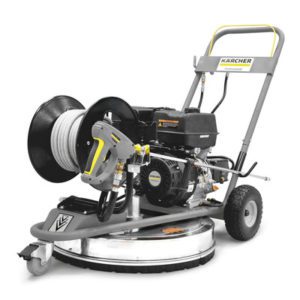
Method 4: Homemade Cleaning Solutions
An appropriate cleaning solution can be made from equal parts water and white vinegar which you should mix in a standard spray bottle. Apply the solution on the exterior surfaces followed by a 10-minute wait then scrub and rinse completely.
A bleach solution consists of one cup of bleach together with one gallon of water. Soak siding with the solution by using either a sponge or sprayer then scrape it before conducting a thorough rinse. Apply bleach cautiously as a test solution should appear first on a tiny area.
A mixture of one-quarter cup dish soap combined with one gallon of water serves as an effective cleaning solution. The solution made by combining equal amounts of white vinegar and water can be used for plain cleaning operations.
Soft Washing vs. Pressure Washing Vinyl Siding
Soft washing relies mainly on a compatible cleaning solution and low-pressure rinsing to loosen and remove organic buildup. It can be appropriate when the siding has mold, mildew, or algae but does not require strong mechanical force.
Pressure washing vinyl siding uses pressurized water to remove dirt and residue. Although it may complete the job faster, an incorrect angle or pressure setting can push water behind the panels. Soft washing generally provides greater control around siding seams, windows, vents, and other vulnerable openings.
Neither method is automatically suitable for every property. The condition of the siding, the height of the building, and the severity of the stains should guide your decision.
How to Clean Mold Off Siding
Mold stands firm against normal cleaning methods so you need to conduct an exhaustive cleaning operation to eliminate it. Select a cleaning solution that meets your situation requirements first. Light mold requires either vinegar or oxygen bleach yet extensive mold growth needs a bleach-based cleaning agent.
Use either a soft-bristle brush or a garden sprayer to properly apply the solution to all affected areas. Soak the surface for ten to fifteen minutes before carefully scrubbing and emptying the mixture with pressurized garden water.
How to Clean Mold Off Vinyl Siding

The water-resistant material in vinyl siding does not completely protect against mold or help to remove algae from siding development. An effective solution to remove mildew from siding and mold from vinyl siding exists through a mixture of oxygen bleach or vinegar applied with water. A garden sprayer or sponge should be used to apply the cleaning solution onto mold-infested areas. Permit the solution to stay on for 15 minutes before you can use a brush for cleaning. Using excessive force on the siding should be prevented since it can lead to damage. Use a garden hose to wash the siding with clean water until every residue dissolves completely.
A solution using diluted bleach would be the suitable choice for heavily infested vinyl siding. Put protective equipment such as gloves and goggles before pouring the solution. Begin your work on the lower areas of the siding and move up to avoid streaking effects. Scrub difficult areas with a brush before rinsing the siding with an outdoor water stream from a hose. Repetition of the process should continue until all mold spores are successfully eliminated to stop further growth.
How to Remove Green Algae From Vinyl Siding
If you want to know how to remove green algae from vinyl siding, begin by evaluating how much of the wall is affected. Light green growth may come off with mild detergent, a soft brush, and a garden hose. Thicker or widespread algae may need an exterior cleaner formulated for organic stains.
Apply the cleaner evenly and give it the manufacturer-recommended dwell time. Gently scrub the affected panels before rinsing with clean water. Start at a less visible area to confirm that the method does not change the color or finish.
After removing the algae, trim vegetation that blocks airflow and inspect nearby gutters or drainage systems. Cleaning the stain without addressing persistent moisture may allow the green buildup to return quickly.
How to Clean Vinyl Siding Without a Pressure Washer
You can clean vinyl siding without pressure washer equipment by using a garden hose, compatible cleaning solution, and soft-bristle brush. This approach takes more time but gives you greater control around seams, windows, vents, and damaged panels.
First, rinse away loose dirt with the garden hose. Apply the cleaner to a manageable section and allow it to remain for the stated amount of time. Scrub gently, paying particular attention to stained areas, and then rinse thoroughly. Continue working section by section until the wall is clean.
A long-handled brush may help you reach elevated areas from the ground. However, do not overreach or use unstable equipment. Contact a professional if the upper sections cannot be reached safely.
How to Choose the Best Cleaner for Vinyl Siding
The best cleaner for vinyl siding depends on what you are trying to remove. Mild soap and water may handle loose dirt, while vinegar and water can help with some mold and mildew staining. A specialized commercial product may be more suitable for extensive algae or stubborn exterior stains.
Before buying or applying a product, check the following:
- Whether it is approved for vinyl siding
- The type of stains it is formulated to treat
- Required dilution and dwell time
- Potential effects on paint, plants, glass, and metal
- Personal protective equipment required by the label
- Whether it can be used with a pressure washer
Do not use a highly abrasive cleaner or tool. When uncertain, consult the siding manufacturer’s care instructions before applying the product.
Common Mistakes to Avoid When Cleaning Vinyl Siding
Using an unsuitable method may leave streaks, damage panels, or allow water to enter behind the siding. Avoid these common mistakes during the cleaning process:
- Using high pressure without testing a small section
- Directing water upward into seams and panel overlaps
- Allowing the cleaning solution to dry on the siding
- Using wire brushes or highly abrasive pads
- Mixing incompatible household chemicals
- Failing to protect plants, outlets, and light fixtures
- Cleaning loose or damaged siding before completing repairs
- Working from an unstable ladder
- Ignoring the moisture source that caused the growth
- Leaving cleaner or loosened residue on the surface
Tips To Prevent Mold And Algae Or Mildew Growth
To prevent mold and algae from returning follow these tips:
- Periodic siding cleaning will help stop the formation of accumulated materials.
- Regularly trim excessive branches along the house to create better airflow and reduce shading.
- Proper drainage maintenance around the house must be established to stop moisture from accumulating.
- You should use a protective layer that fights off mold and mildew growth after performing your cleaning process.
- Gutter guards serve as protective measures against debris buildup which otherwise leads to poolings that damage your siding.
Conclusion
Maintenance and cleaning of vinyl exterior surfaces combined with mold, algae, and mildew elimination operations do not need to become complicated tasks. Applying appropriate tools in combination with appropriate techniques along with adequate preventative strategies will help your siding remain fresh and new for multiple years. Your decision between commercial cleaners homemade solutions or pressure washers does not matter as long as you maintain regular cleaning because this prevents exterior growth from overtaking your home. Take the initiative to find your equipment then tend to clean your vinyl siding properly.
Need Professional Help? Contact Pressure King Today!
You can ease your struggles with mold algae or mildew off vinyl siding through the professional services provided at Pressure King. The specialists at our company deliver professional pressure washing treatment which restores your siding to its original fresh condition. Our business provides both pressure washers along with comprehensive cleaning services to meet all your needs. Contact Pressure King right now to prevent damaging stains from destroying your home’s exterior appeal while we make your vinyl siding look beautiful again.
Learning how to clean vinyl siding also involves identifying why mold or algae developed. Address moisture, drainage, shade, and airflow problems after cleaning so the buildup is less likely to return. Whether you select a vinyl siding cleaner or a low-pressure washing method, always test it first and follow the product and siding manufacturer’s instructions.
Frequently Asked Questions (FAQs)
What Kills Mold Better, Bleach Or Vinegar?
It proves more effective to use vinegar instead of bleach for destroying mold growth. When applied to non-porous surfaces bleach succeeds in mold removal yet it fails to penetrate wooden and drywall materials thus allowing mold to resurface.
What Kills Mold On Vinyl?
The removal of vinyl surface mold requires either a 1:1 white vinegar-water mixture or a combination of water and gentle dish soap. The market provides vinyl-specific mold removal solutions that you can choose to use.
What Can I Spray On My Siding To Remove Mildew?
Both white vinegar mixed with water or water combined with oxygen bleach (sodium percarbonate) along with dish soap produce effective results for siding mildew removal. A commercial mildew remover or a pressure washer equipped with siding formula detergent both work for this purpose.
How To Clean Mold Off The Exterior Of A House?
Apply one part white vinegar mixed with one part water either on its own or with a commercial mold remover. Spray the solution onto the affected areas with a garden applied to a spray bottle. Scrub with a soft brush or sponge. Rinse thoroughly with a garden hose or pressure washer.
How do you remove green algae from vinyl siding?
Apply mild detergent or an exterior cleaner intended for algae, let it sit for the recommended time, and scrub the green areas with a soft brush. Rinse thoroughly and correct nearby moisture, drainage, or airflow problems to reduce recurring growth.
Can you clean vinyl siding without a pressure washer?
Yes. You can clean vinyl siding without pressure washer equipment by using a garden hose, soft-bristle brush, and compatible cleaner. Work in small sections, keep the cleaning solution wet, and rinse each section thoroughly before moving to the next one.

Michael Adeniran is the CEO of Pressure King Inc. He has been dealing in commercial cleaning equipment for many years. He is one of the leading specialists and experts in commercial cleaning products.


